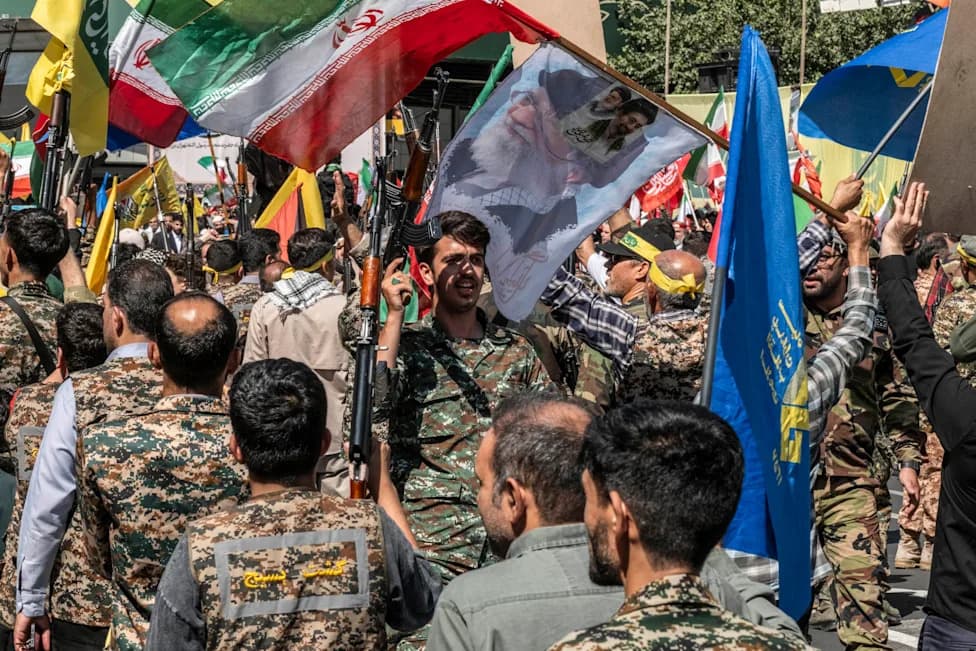
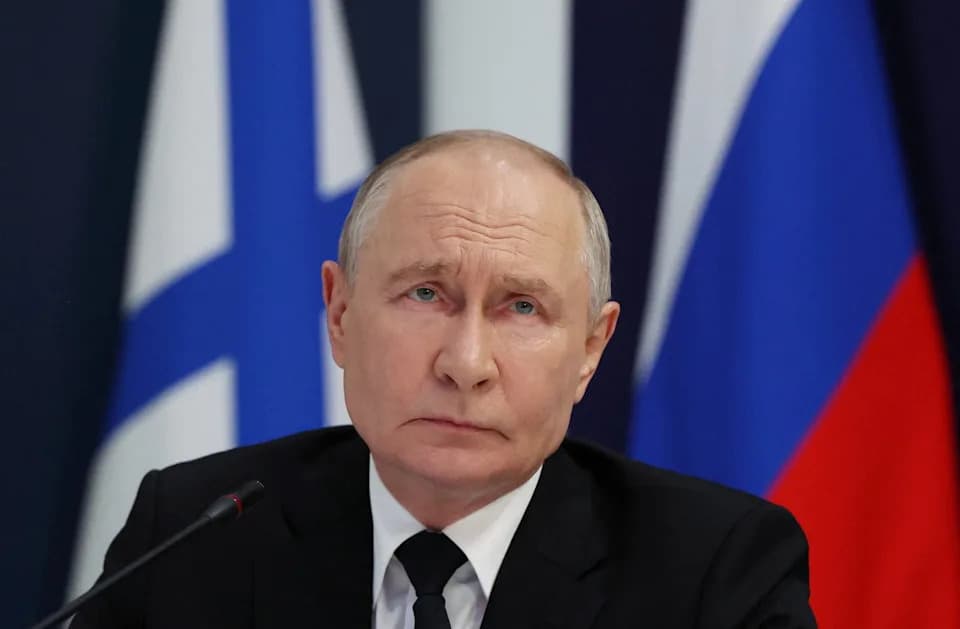
As leaders convene at the U.N. General Assembly, renewed Houthi advances in Yemen and rising U.S.–Iran tensions have raised the risk of broader regional escalation. The Houthis have seized strategic Red Sea positions near the Bab al‑Mandab chokepoint, prompting U.S. and Gulf warnings and travel advisories. Tehran has threatened retaliatory strikes if attacked, while President Trump says major decisions on Iran may be imminent. Diplomats expect the UNGA agenda to focus on Iran, Yemen, maritime security and energy markets.
Tensions Surge Ahead of UNGA as Houthis Gain in Red Sea and US–Iran Warnings Intensify
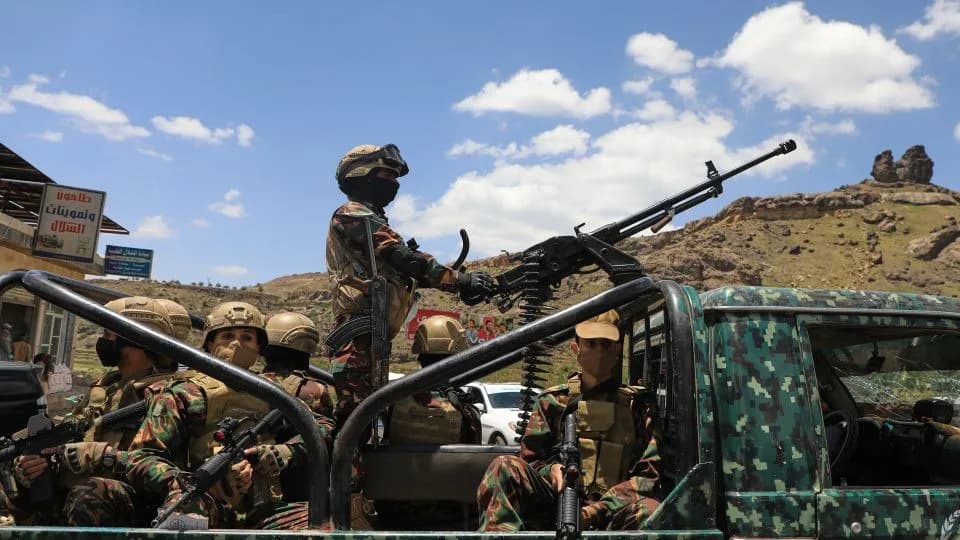
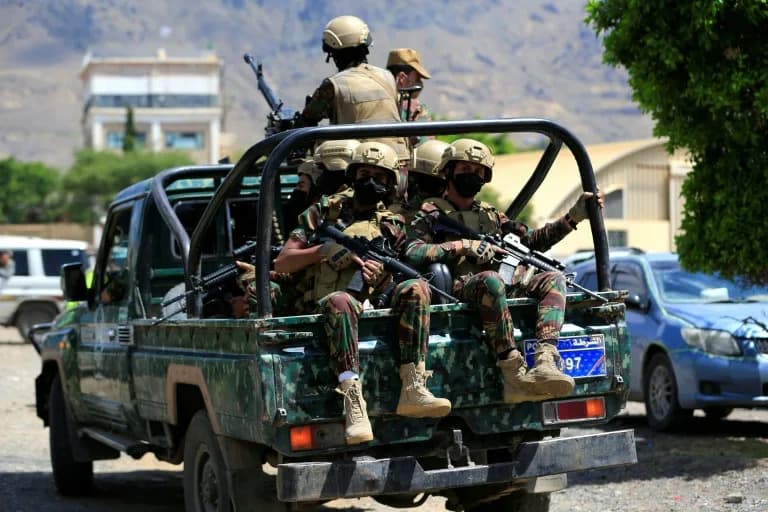
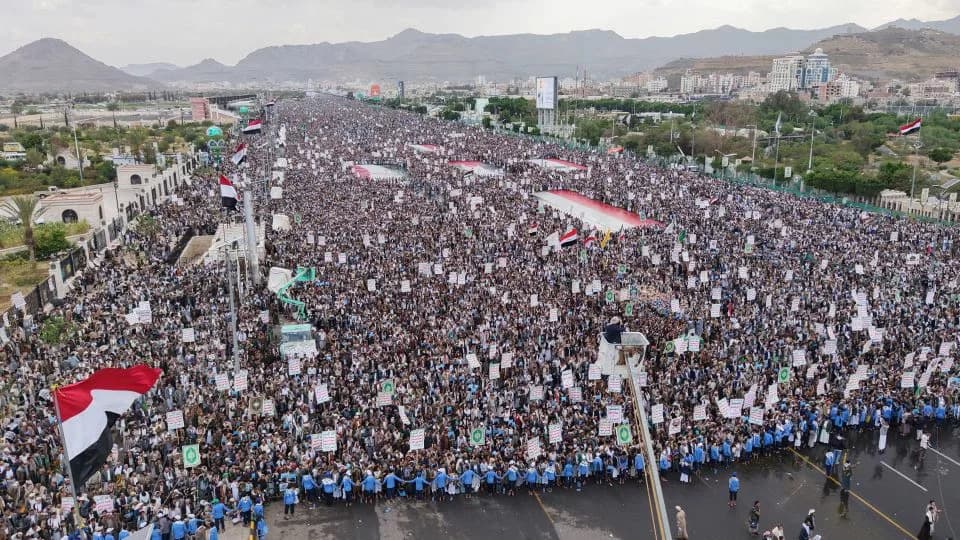
Houthi fighters escort a convoy carrying prisoners freed in Mokha through the Bani Matar district on its way to Sanaa, Yemen, Saturday, Sept. 12, 2026, following the Houthi takeover of the southern Red Sea port city. - Stringer/AP
As world leaders prepare to gather in New York for the United Nations General Assembly, fresh military and diplomatic flashpoints across the Middle East have raised concerns about a wider regional escalation. Renewed fighting in Yemen, Houthi advances on strategic Red Sea positions and reciprocal warnings between Washington and Tehran are shaping a tense agenda for the week.
Why Are the Houthis and Saudi Arabia Back At The Center?
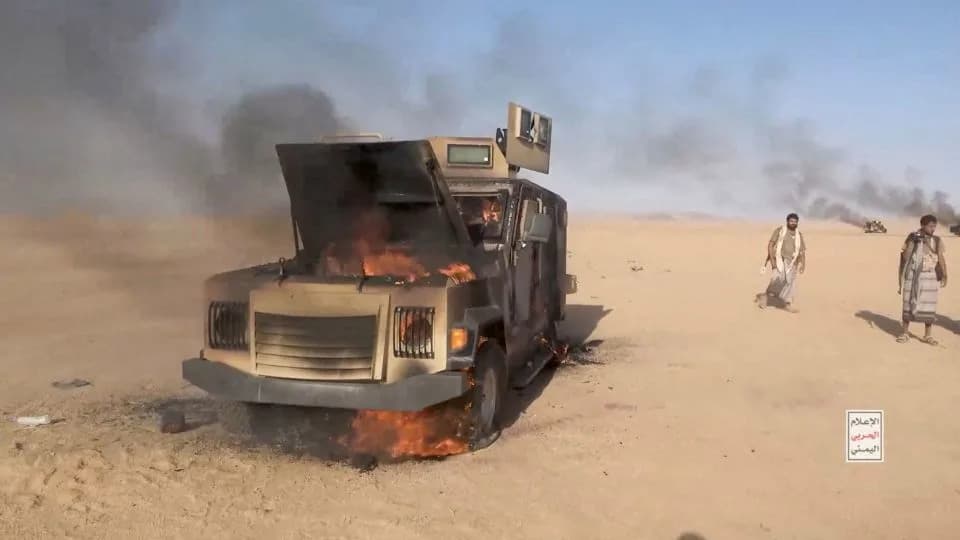
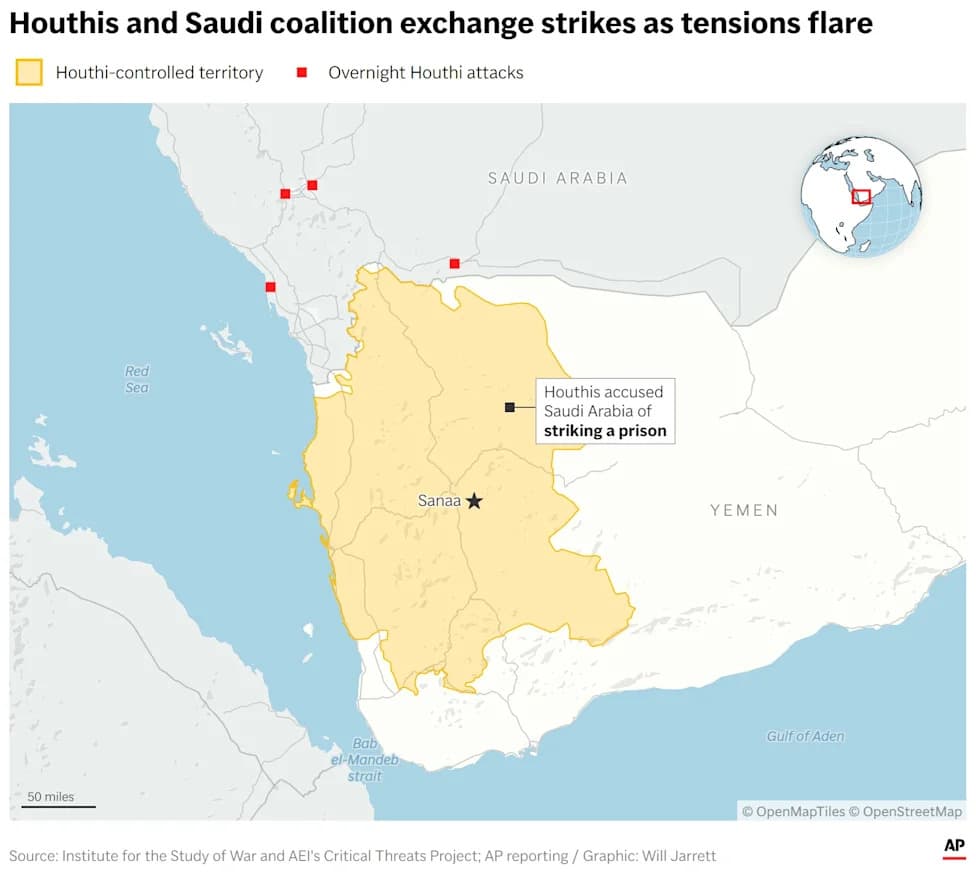
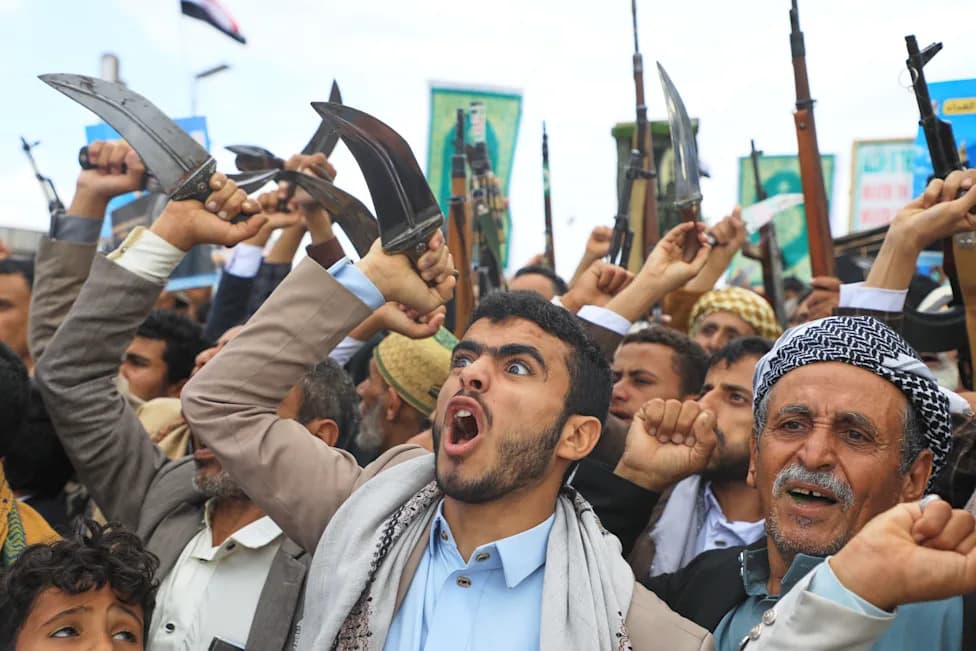
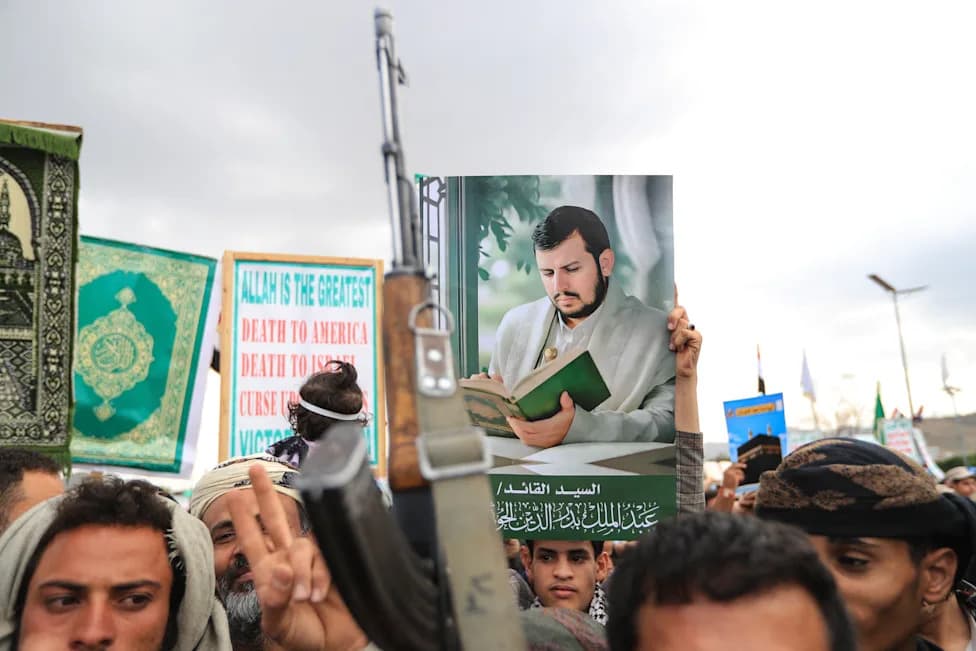
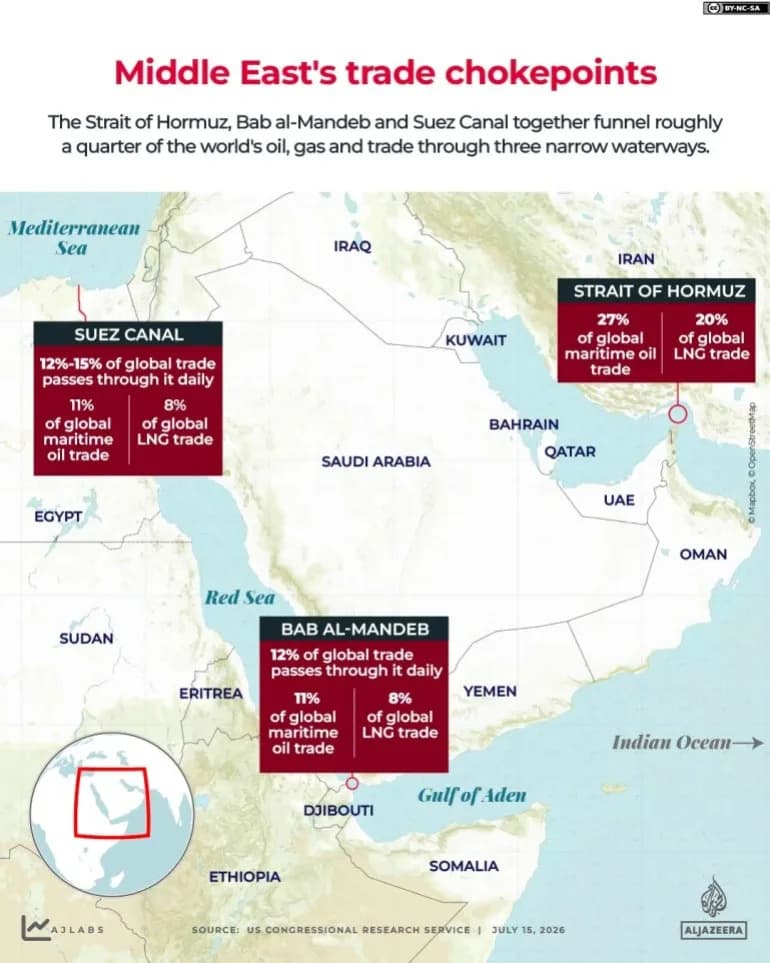
A major Houthi offensive in Yemen has emerged as one of the most consequential developments ahead of the UNGA. In recent weeks, the Iran‑aligned group has seized strategically important ground, including an island in the Red Sea and coastal positions that overlook the Bab al‑Mandab Strait — a narrow shipping chokepoint that links the Red Sea to the Gulf of Aden and is vital for global trade and energy shipments.
Despite increased U.S. intelligence sharing and targeting support, Saudi forces have struggled to halt the Houthi advance. U.S. and Gulf officials told CNN they are increasingly doubtful Riyadh can reverse the gains without broader support.
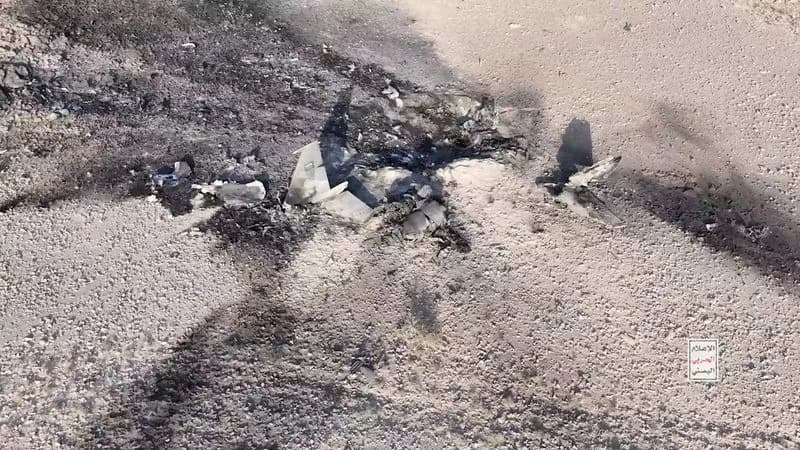
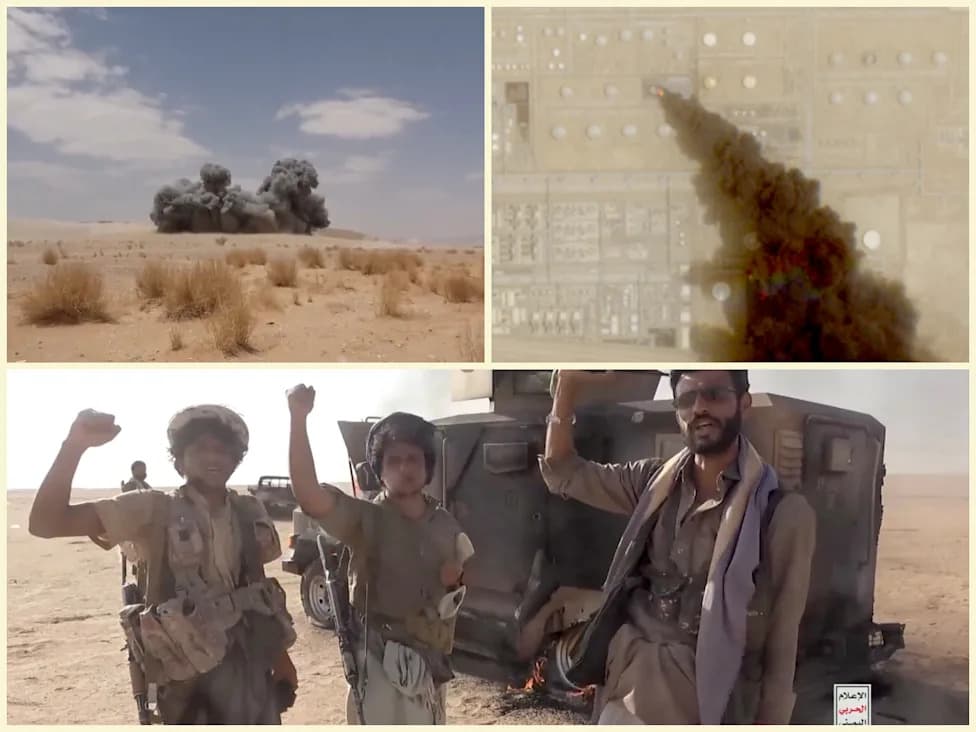
Recent Escalations: Saudi authorities accused the Houthis of attempting to target Mecca, while the Houthis said they shot down a Saudi F‑15 fighter over Yemen. The group has also claimed missile and drone strikes on "sensitive" sites in Riyadh and an attack on an Aramco facility in Yanbu. These actions have intensified fears that Yemen could become a pivotal front in a wider regional confrontation involving Iran.
Why Are U.S. Embassies Warning Americans?
With the security environment deteriorating, the U.S. State Department and several diplomatic missions in the region have urged American citizens to exercise increased caution. The State Department warned the conflict "has the potential to escalate rapidly" and advised heightened vigilance for U.S. nationals in the area.
The U.S. Embassy in Riyadh issued a security alert restricting travel by U.S. government personnel to Taif and Yanbu without special authorization. Officials say these advisories reflect concerns about possible additional attacks involving Iran, Iran‑aligned groups and U.S. partners in the Gulf.
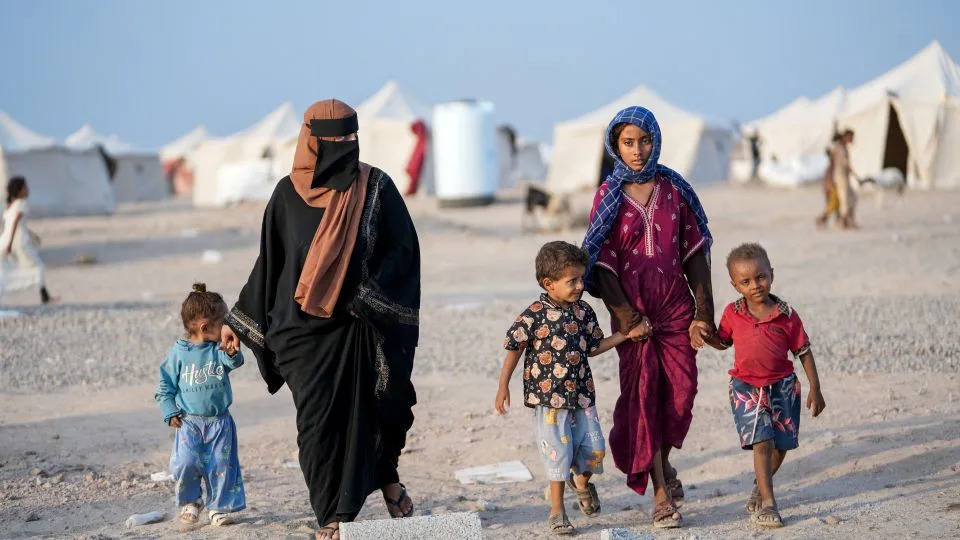
Women and children who fled fighting between the Houthis and government forces in Red Sea coastline areas walk at a camp for internally displaced people near Aden, Yemen, on September 19. - Stringer/Reuters
What Are Iran And Washington Saying?
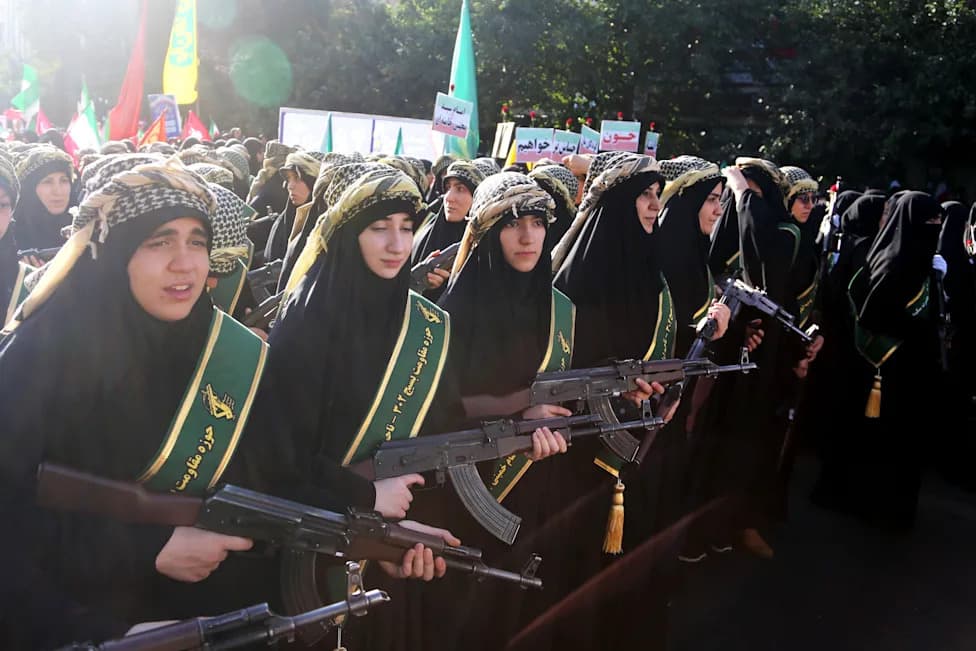
Iran's central military command said it had received information suggesting the United States, with regional partners, could be preparing new military action against Iran. In a statement carried by the semi‑official Tasnim News Agency, Tehran warned that any fresh U.S. attack would trigger sustained strikes on U.S. bases and interests across the region and that countries assisting such operations would be considered parties to the conflict.
There have been no publicly reported U.S. strikes on Iran for more than two weeks.
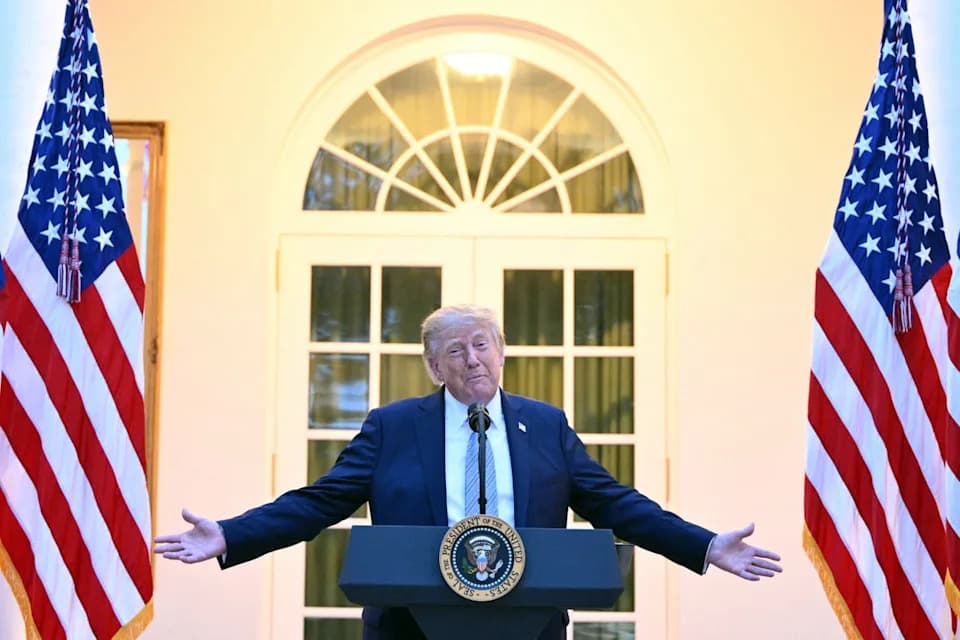
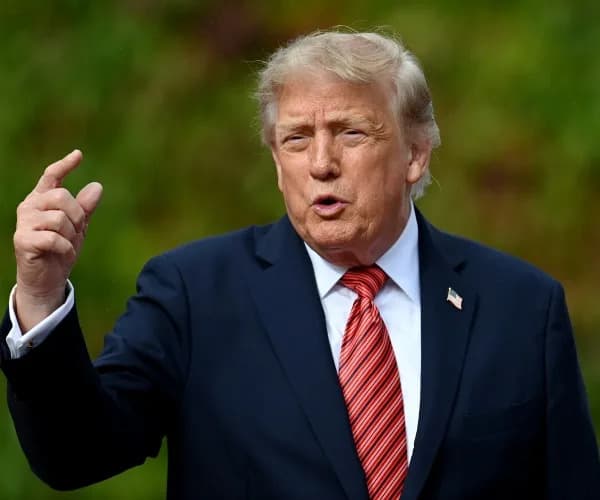
Meanwhile, U.S. President Donald Trump told Fox News he was in "deciding mode" and indicated that "very big things" could happen soon. According to reporting, Trump outlined three possible outcomes on Iran: a negotiated deal with Washington, increased economic pressure, or military action. He also said his administration remains in contact with the Houthis and is avoiding direct U.S. military involvement in their confrontation with Saudi Arabia.
Which Middle East Leaders Will Attend UNGA?
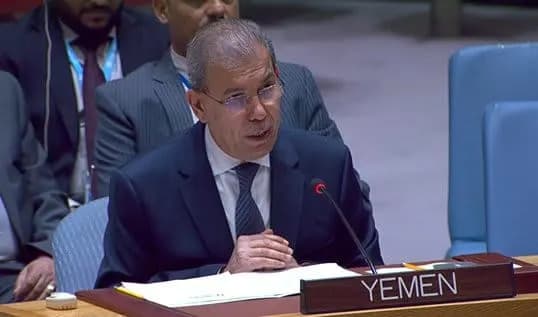
Diplomacy at the UN General Assembly is expected to focus heavily on Iran, Yemen, maritime security and energy markets. Saudi Foreign Minister Prince Faisal bin Farhan will head Riyadh's delegation; Qatar, the United Arab Emirates, Kuwait, Oman and Bahrain are sending senior representatives.
Iranian President Masoud Pezeshkian is also expected in New York after the U.S. approved travel for a core Iranian delegation. "Consistent with our host country obligations, the core delegation from the Iranian regime will be able to attend UN General Assembly High Level Week," a State Department spokesperson said.
What To Watch In New York
With fighting intensifying in Yemen, reciprocal threats between Washington and Tehran, and energy markets sensitive to disruption, many diplomats see this year's General Assembly as unfolding amid one of the most volatile Middle East security environments in recent years. Expect urgent bilateral talks, calls for de‑escalation and intense scrutiny of any movements that could threaten maritime commerce or regional stability.
Bottom Line: The coming days could determine whether localized clashes remain contained or spiral into a broader regional confrontation with global economic and security consequences.
Help us improve.