UN Secretary-General Antonio Guterres said he "deeply regrets" the US decision to deny a visa to Palestinian President Mahmoud Abbas, blocking his in-person attendance at the UN General Assembly. The US cited concerns about Palestinian payments to families of prisoners and moves to internationalize the dispute through courts such as the ICC and ICJ. The General Assembly voted 152-3 to permit Abbas to address the meeting virtually. The move comes amid rising violence in the West Bank and heavy casualties in Gaza since October 2023.
UN Chief Says He 'Deeply Regrets' US Refusal Of Visa For Mahmoud Abbas
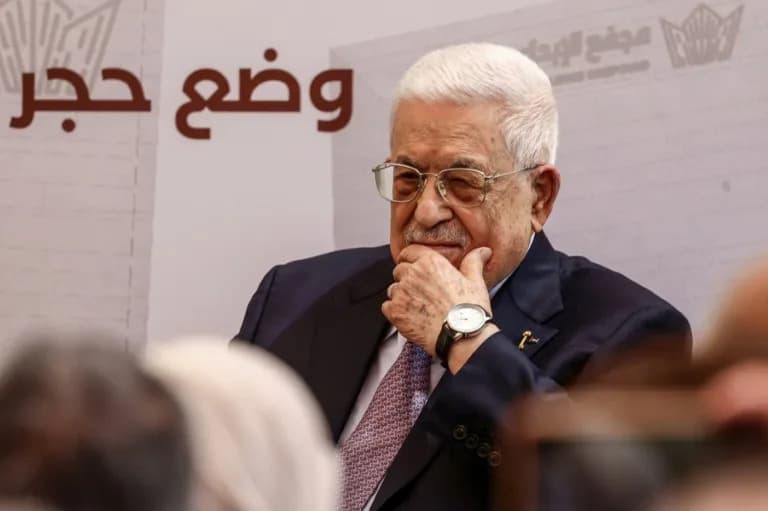
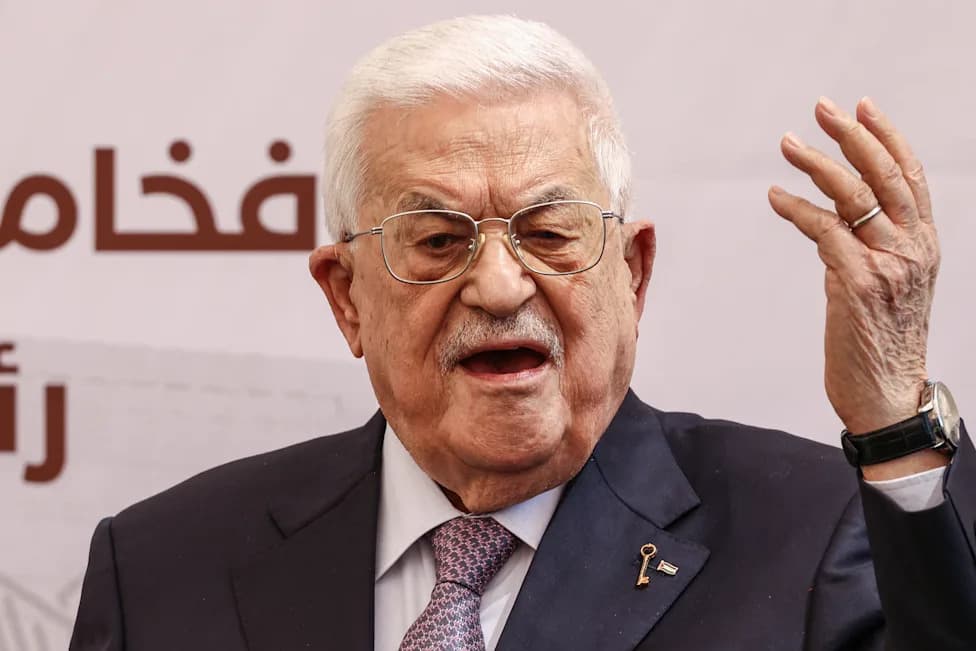
In a statement that did not mention Palestinian president Mahmoud Abbas by name, the US State Department said it would deny visas to members of the Palestine Liberation Organization (PLO) and officials with the Palestinian Authority (PA) (Zain JAAFAR)
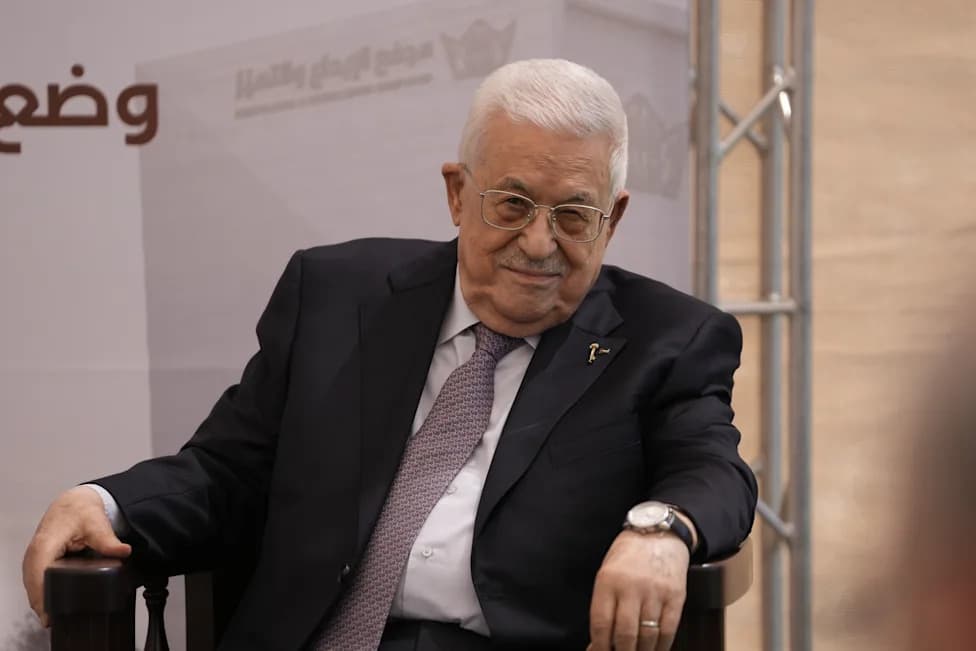
UN Secretary-General Antonio Guterres said he "deeply regrets" the United States' decision to deny a visa to Palestinian leader Mahmoud Abbas for the second consecutive year, preventing him from attending the UN General Assembly in person, a UN spokesman said Friday.
The US State Department announced it would not issue visas to Abbas and several other Palestinian officials for next week's assembly; only members of the Palestinian mission to the UN will be permitted to attend the sessions, which begin Tuesday.
Guterres Cautions Against Excluding Delegations
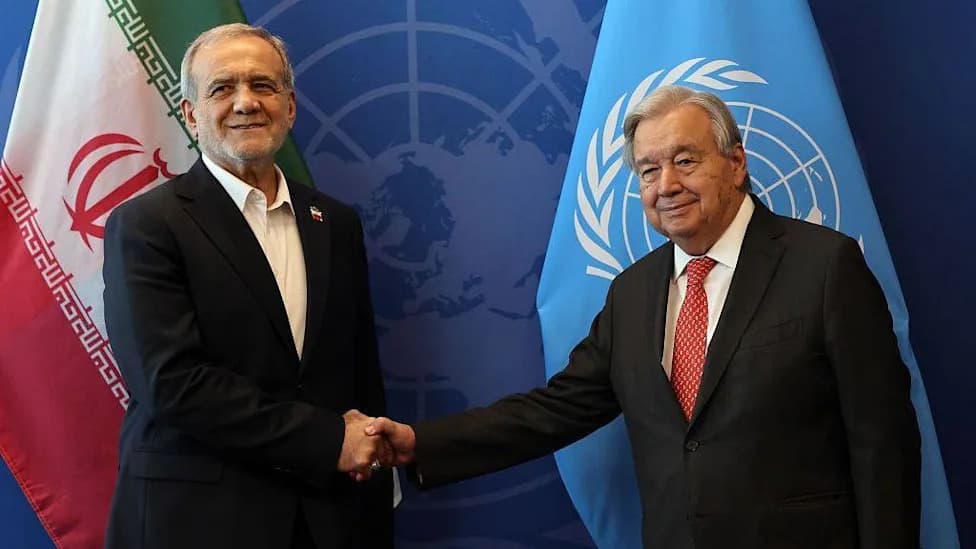
"The Secretary-General is concerned about the impact of this decision on the ability of the State of Palestine to participate fully in the work of the United Nations," said UN spokesperson Stéphane Dujarric. "The full participation of all delegations in the work of the Organization is essential to its proper functioning."
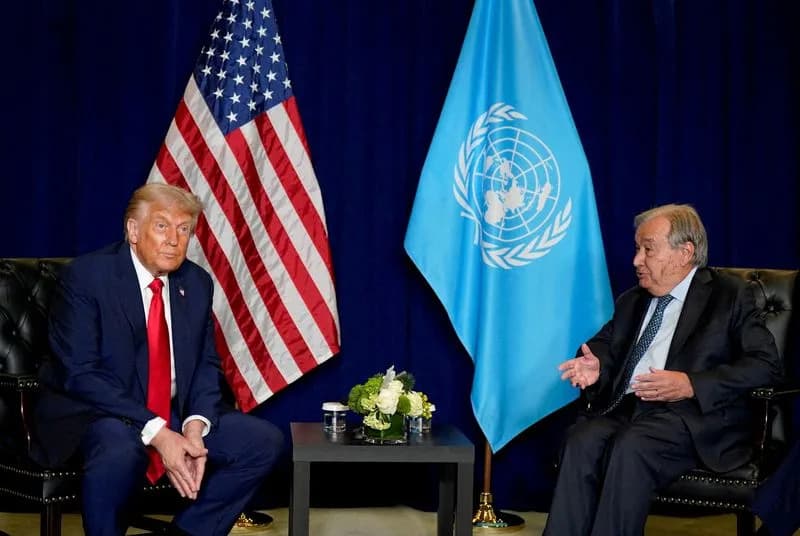
Guterres urged the United States, as host country, to ensure that visas are issued to all delegations "in accordance with its obligations," and said he will continue to engage US authorities on the matter.
Last year the previous US administration also denied visas to the Palestinian delegation, forcing Abbas — a regular at the General Assembly — to address world leaders by video. On Thursday, the General Assembly voted 152-3 to allow Abbas to appear virtually again this year.
US Concerns: Payments And International Litigation
The US and Israel have cited concerns about the Palestinian Authority's historical practice of making payments to families of imprisoned or killed Palestinians, including those involved in deadly attacks. The Palestinian Authority has since said it reformed the payments system, shifting support to a needs-based welfare model rather than payments tied to prisoner status or political affiliation.
The State Department also pointed to Palestinian actions to "internationalize" the dispute — including moves at the International Criminal Court (ICC) and International Court of Justice (ICJ) — calling such steps an attempt to bypass bilateral negotiations. Washington has also accused Palestinian authorities of "continuing to pay stipends to terrorists and to glorify acts of terrorism and terrorists in public pronouncements and school textbooks."
Context: Rising Violence And Heavy Casualties
The decision comes amid a reported rise in violence by Israeli settlers and Israeli forces in the occupied West Bank. Israel has occupied the West Bank since 1967, and tensions have escalated since the Hamas-led attack on October 7, 2023, which precipitated war in Gaza.
According to an AFP tally based on Palestinian health ministry data, at least 1,109 Palestinians — fighters and civilians — have been killed in the West Bank by Israeli soldiers or settlers since October 2023. In Gaza, the territory's health ministry, which operates under Hamas authority, reports more than 73,821 deaths from Israeli strikes; those figures are cited by the United Nations.
International actors have voiced concern over the surge in violence. The United States has said it opposes any annexation of Palestinian territory but has been relatively muted on other aspects of the conflict.
lb-rh-gw/sst
Help us improve.