Summary: Real wages fell again in August and are 0.3% below August 2025, declining in four of the past five months, according to the BLS. Monthly inflation rose 0.4% and the annual rate is 3.4%, with higher gasoline and diesel prices contributing heavily. Economists warn that slowing nominal wage growth plus rising prices — including an estimated >$800 in extra household fuel costs since the Iran conflict began — is eroding purchasing power and creating political risk for Republicans ahead of the midterms.
War-Driven Inflation Has Erased Workers’ Wage Gains, Threatening Republicans Ahead Of Midterms
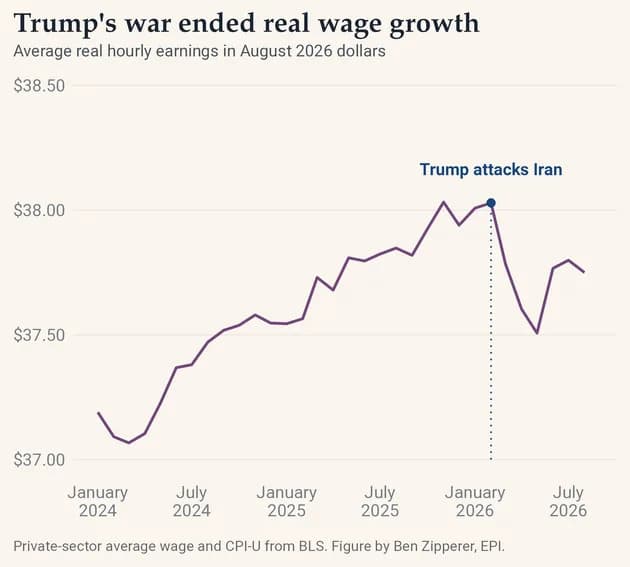
Real wages were generally on an upward trajectory until earlier this year. Economic Policy Institute
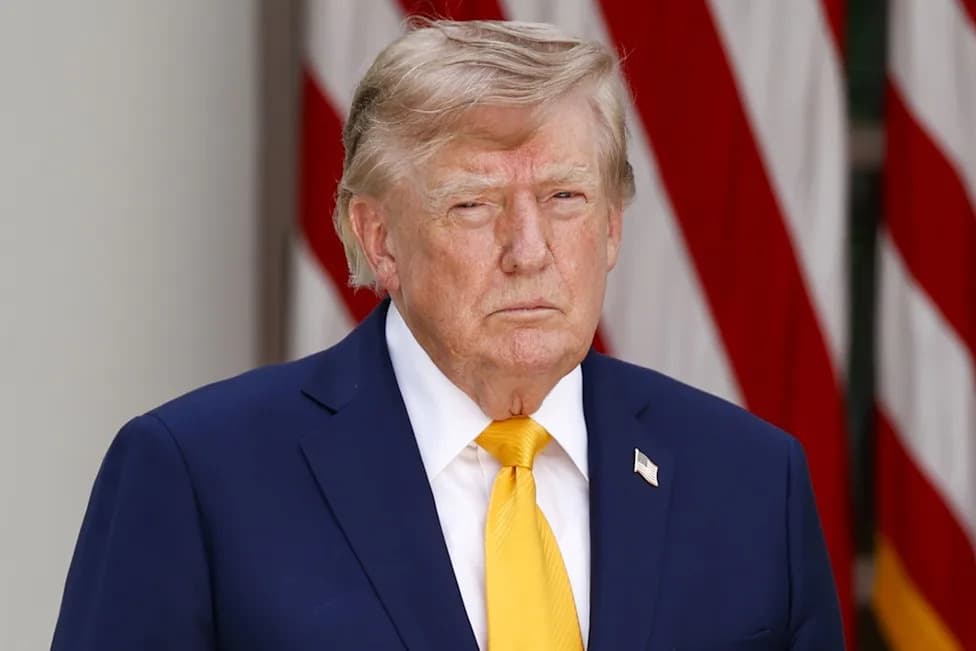
President Donald Trump and Republican leaders are heading into the midterm season facing a potent political and economic challenge: inflation tied to the administration’s military action in Iran has wiped out the real wage gains U.S. workers made over the past year.
New Bureau of Labor Statistics data show that real wages — wages adjusted for the cost of living — fell again in August. Real pay has declined in four of the past five months and stands 0.3% below its level in August 2025, according to the BLS.
Why This Matters
Although a 0.3% decline may sound modest, it functions like a pay cut for many households and helps explain why public sentiment about the economy has soured. Gasoline and diesel price spikes tied to the Iran conflict have pushed up the cost of food, transportation and other essentials, eroding purchasing power even as headline employment remains strong.
"Nominal wage growth has been slowing, and I don't think that's been adequately noted," said Dean Baker, an economist at the Center for Economic and Policy Research.
Economists note the labor market has shifted from the high-turnover, high-raise dynamics of the pandemic recovery to a "low-hire, low-fire" environment: layoffs are limited, but employers also face less pressure to raise pay to retain workers. That diminished leverage, combined with rising prices, reduces real incomes for many families.
"I think that has a cost to wage growth," said Elise Gould of the Economic Policy Institute. "Right now, it's not" — meaning many households lack the income needed to cover higher living costs.
Inflation And Energy Costs
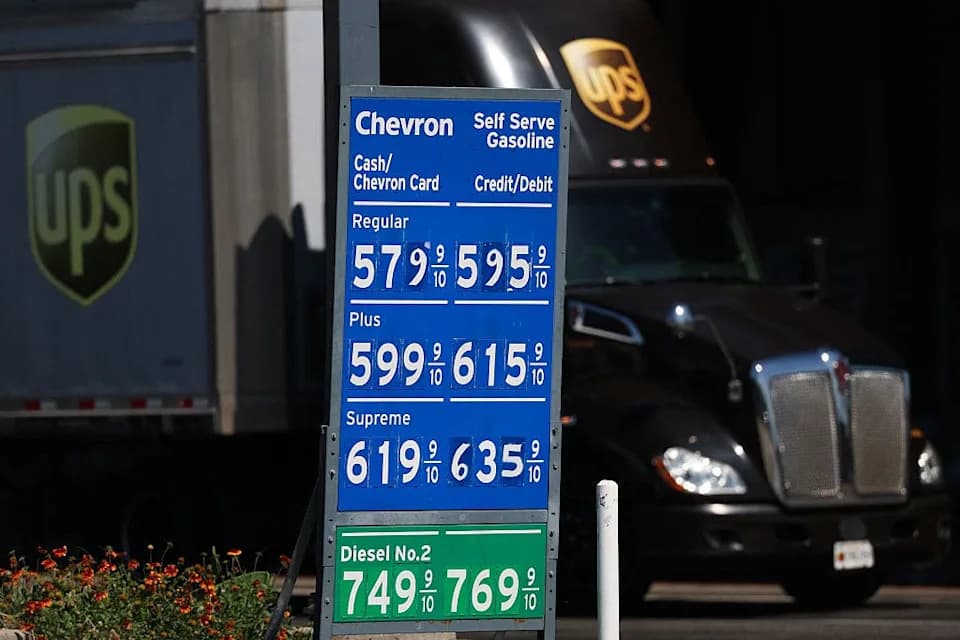
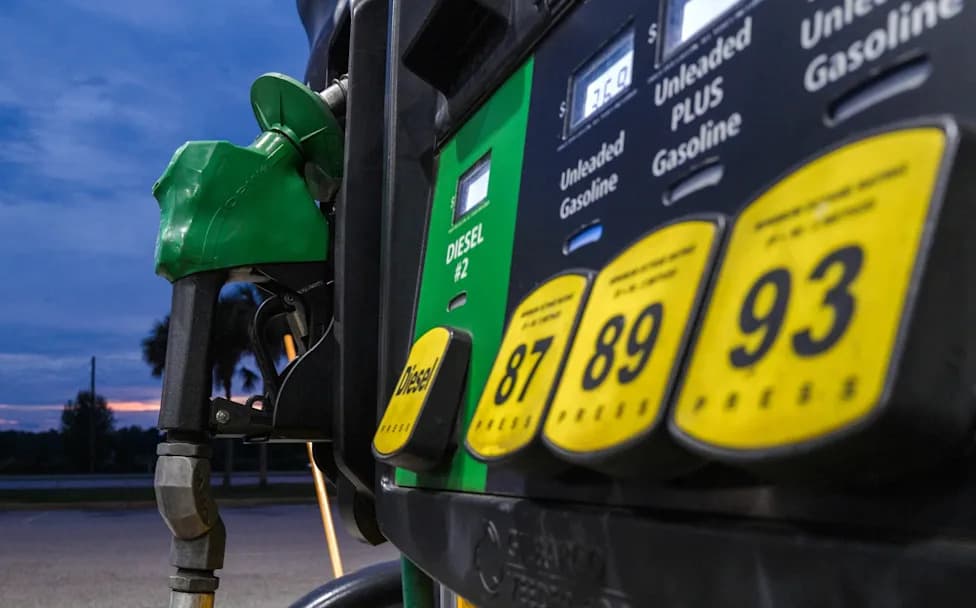
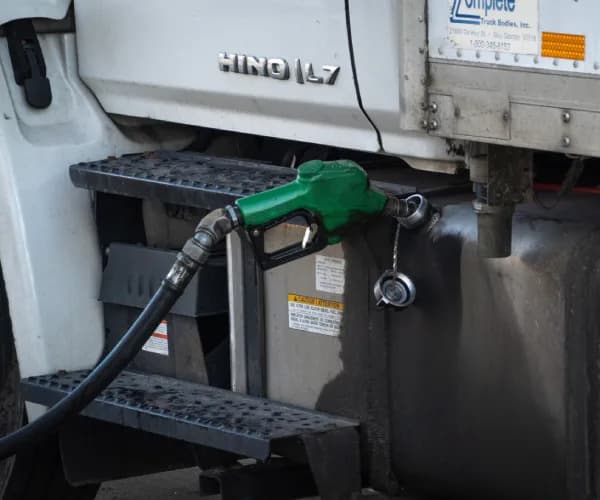
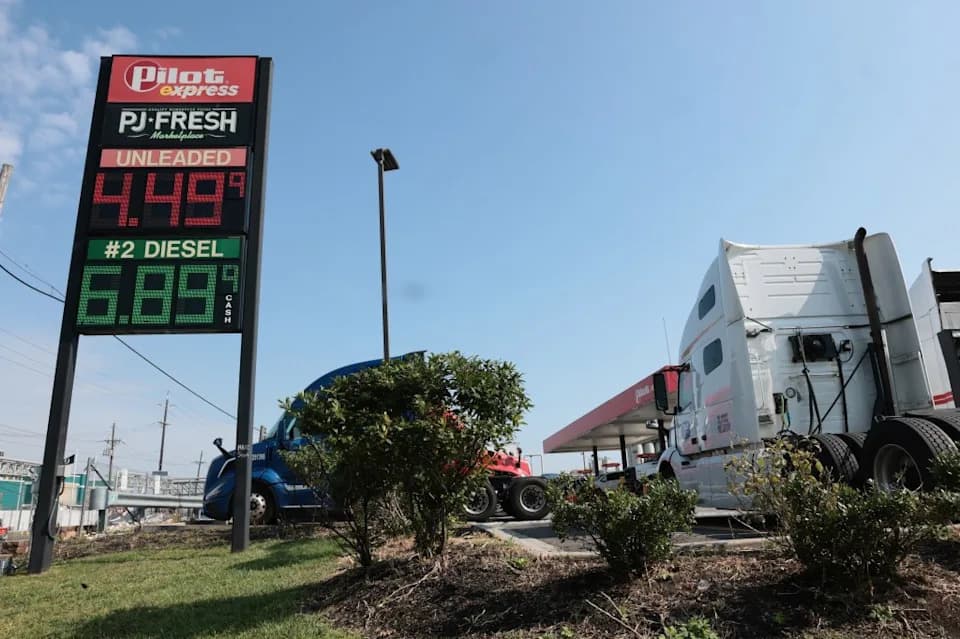
The BLS reports monthly inflation rose 0.4% in the most recent reading, with higher gasoline prices accounting for roughly one-third of the increase since July. The annual inflation rate is 3.4%, well above the Federal Reserve's 2% goal. According to AAA, retail gasoline averages $4.47 per gallon — about a 40% increase year-over-year — while diesel recently hit a record $6.45 per gallon. Higher diesel costs compound price pressures because diesel powers farm equipment and freight trucks that move goods across the economy.
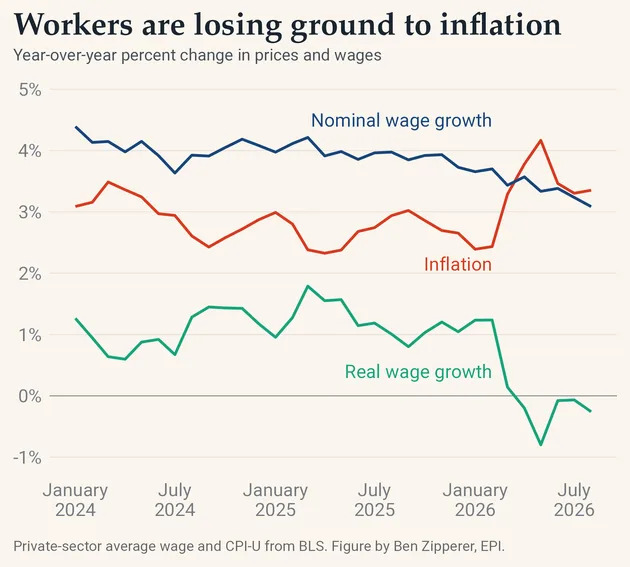
This graph from the Economic Policy Institute shows how nominal wage growth has slowed as inflation increased. Economic Policy Institute
Researchers at Brown University estimate the higher fuel costs since the Iran conflict began have cost the typical U.S. household more than $800 — a direct hit to family budgets that helps explain why cost of living consistently tops voter concerns.
Political Stakes
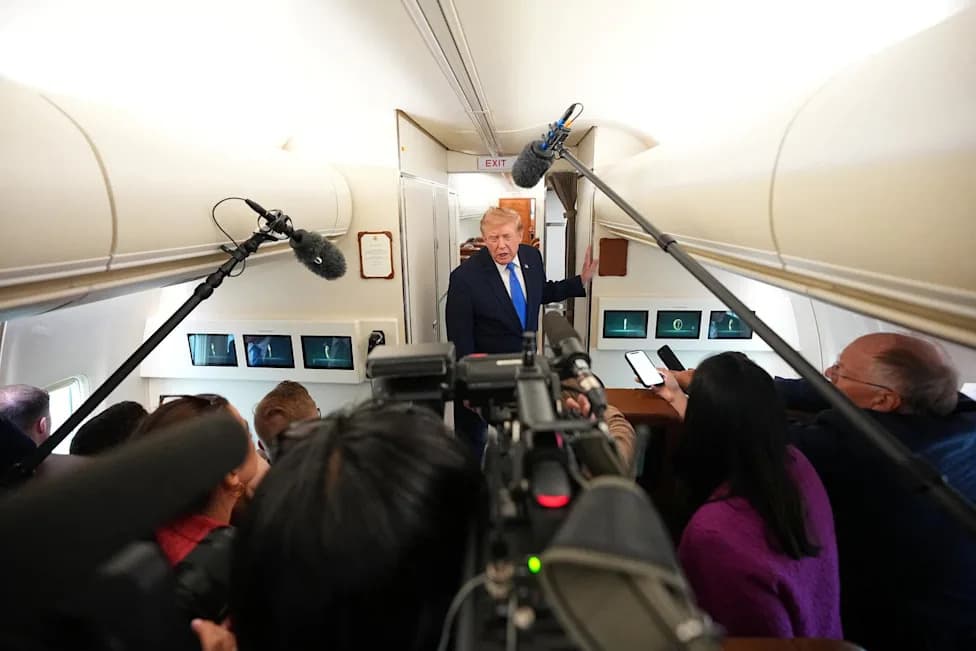
For Republicans, the problem is not only that bills are higher but that paychecks are not keeping pace. Messaging from the administration has varied: Mr. Trump has alternately dismissed affordability complaints, promised fuel prices would "drop like a rock," and suggested relief would come after the midterms. He has also touted potential $5,000 checks if Republicans retain control of Congress.
Rep. James Walkinshaw, a Democrat from Virginia, said constituents explicitly connect rising prices to stagnant pay and view proposed federal pay freezes as effective pay cuts because commuting and grocery costs are higher.
Democratic strategists and pollsters see opportunity: Celinda Lake reported that focus group participants in Michigan repeatedly raised wages as a primary concern. A recent Politico poll found 43% of respondents say Trump is mainly or fully responsible for the state of the economy, compared with 28% who say the same of Joe Biden.
Bottom Line
The combination of slowing nominal wage growth and elevated inflation — driven in part by higher energy costs tied to the Iran conflict — has erased recent real-wage gains and created tangible pain for households. That economic squeeze presents a clear political risk for Republicans as voters weigh pocketbook issues ahead of the midterms.
Read the original on HuffPost.
Help us improve.