Study in Science: Single-nucleus analyses of human hippocampus reveal major cellular and genomic changes in midlife, with a pronounced transition between roughly ages 50 and 75. Microglia of embryonic origin decline and are partially replaced by monocyte-like cells, hippocampal astrocytes fall in number, and the 3D folding of the genome erodes across cell types. The work is descriptive and based on donor tissue, so it maps aging biology rather than proving causal links to dementia.
Major Midlife Shift in the Hippocampus: Study Finds Big Cellular and Genomic Changes Between Ages 50–75
neurodivergent.-Brains.
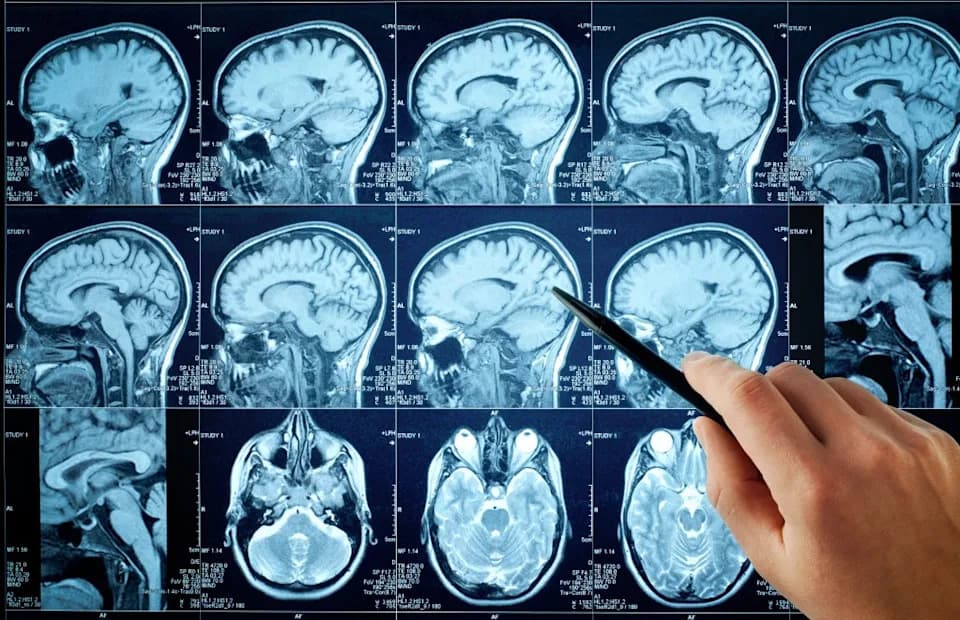
New research reveals the human hippocampus undergoes pronounced biological changes in midlife and later adulthood, rather than only slow, steady decline. A detailed single-nucleus analysis published in Science finds striking shifts in immune and support cells and in the three-dimensional organization of DNA inside brain cells, with a notable transition roughly between ages 50 and 75.
What the Study Did
The researchers analyzed hippocampal tissue from human donors across the adult lifespan using multiple single-nucleus techniques to measure gene expression, chromatin accessibility, DNA methylation and 3D genome architecture in specific cell types. By avoiding bulk-tissue averaging, the team captured cell-type–specific aging patterns that can be missed in conventional analyses.
Key Findings
Microglial Remodeling: One of the most surprising results involved microglia, the brain’s resident immune cells. Between about ages 50 and 75, microglia that trace to embryonic development declined and were increasingly replaced by cells resembling blood monocyte–derived microglia. These replacement-like cells showed altered molecular signatures, including inflammatory features that merit further study.
Astrocyte Decline: The team documented substantial age-related declines in hippocampal astrocytes, including populations important for supporting synapses and regulating neuronal communication.

Image Credit: PeopleImages Via Shutterstock
Genome Architecture Erosion: Across multiple cell types, researchers observed a broad erosion of the three-dimensional folding of the genome. Because DNA folding influences which genes can be turned on or off, such changes could alter how aging brain cells respond to stress, inflammation, and other insults.
What This Does—and Doesn’t—Show
These findings are descriptive and mechanistic: they map how cellular and genomic features change with age in human hippocampal tissue, but they do not demonstrate that any specific midlife change causes dementia. The data come from donor tissue (cross-sectional samples), so the study cannot track the same individual’s cells over decades. It also remains unclear which changes are harmful, which are compensatory adaptations, and which may have mixed effects.
Why It Matters
Rather than a single, gradual dimming, the study suggests brain aging can resemble a sequence of targeted renovations—some systems shift markedly during particular life periods. That has implications for treatment: therapies for age-related brain disorders may be most effective if timed to the right cell type and stage of aging. More precise maps of when specific cellular changes occur will help researchers distinguish normal aging from early disease processes.
Bottom Line: Between about ages 50 and 75 the hippocampus shows major reorganization at the cellular and genomic level. These insights refine our picture of brain aging and point to new directions for understanding and treating age-related neurodegenerative risk.
Image Credit: PeopleImages via Shutterstock
Help us improve.