The discovery of signs of oil off Amapá's coast has turned Oiapoque into a potential boom-or-bust frontier. While officials and some residents welcome the promise of jobs and royalties, Indigenous leaders and fishers fear spills, disrupted livelihoods and ecological damage. Petrobras says production is years away and maintains a low assessed probability of coastal contamination, but experts stress that low-probability events can have severe consequences. The town faces urgent infrastructure and social challenges as population and speculation rise.
Oil Discovery Off Brazil's Amazon Sparks Hopes, Fears and Political Stakes in Oiapoque
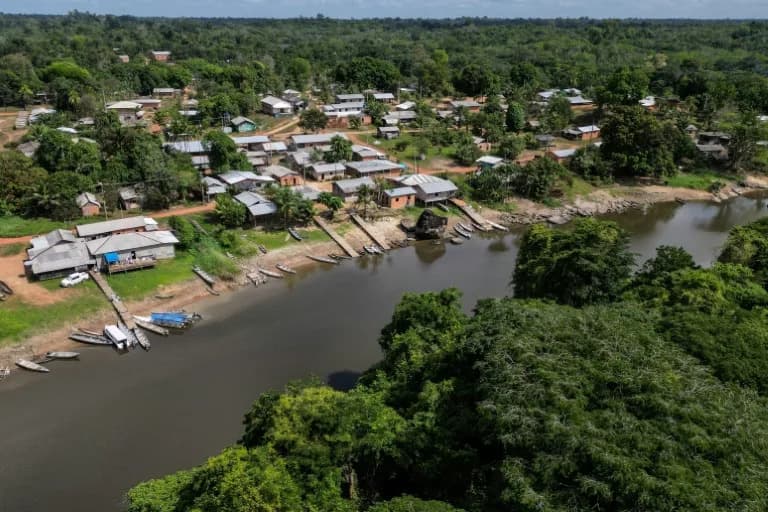
The Indigenous village of Manga lies along a river that many fear could be contaminated by an oil spill due to new offshore exploration (Nelson ALMEIDA)
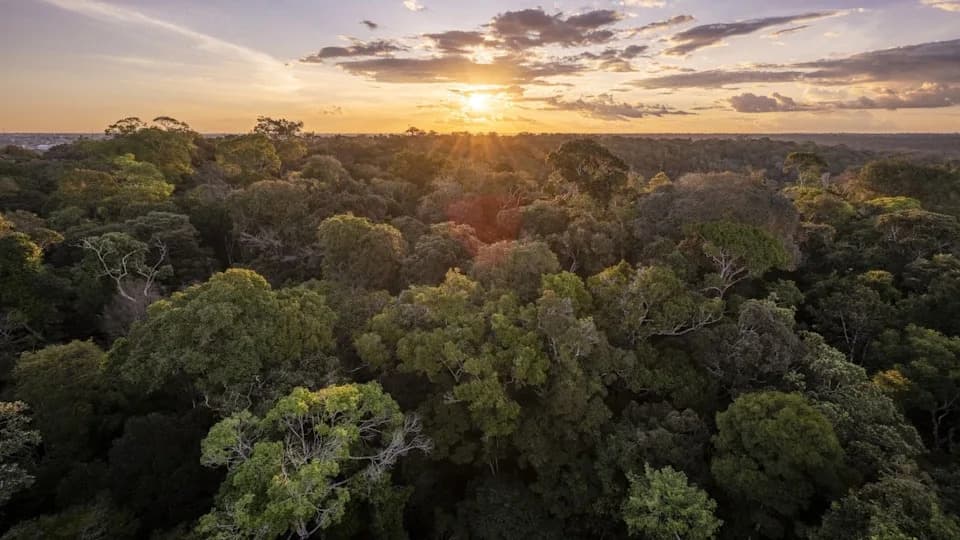
Indigenous chief Wagner Karipuna watches the calm river that skirts his Amazon village with growing concern, picturing the nightmare of an offshore oil spill carried inland by the tides.
His settlement, Manga, lies roughly 20 kilometers (12 miles) from downtown Oiapoque, the border town with French Guiana that has come alive since state oil company Petrobras began offshore exploration about a year ago. In August, the company said analyses detected signs of oil in a well located around 175 kilometers (109 miles) off the coast of Amapá state.
Local Fears and Environmental Risk
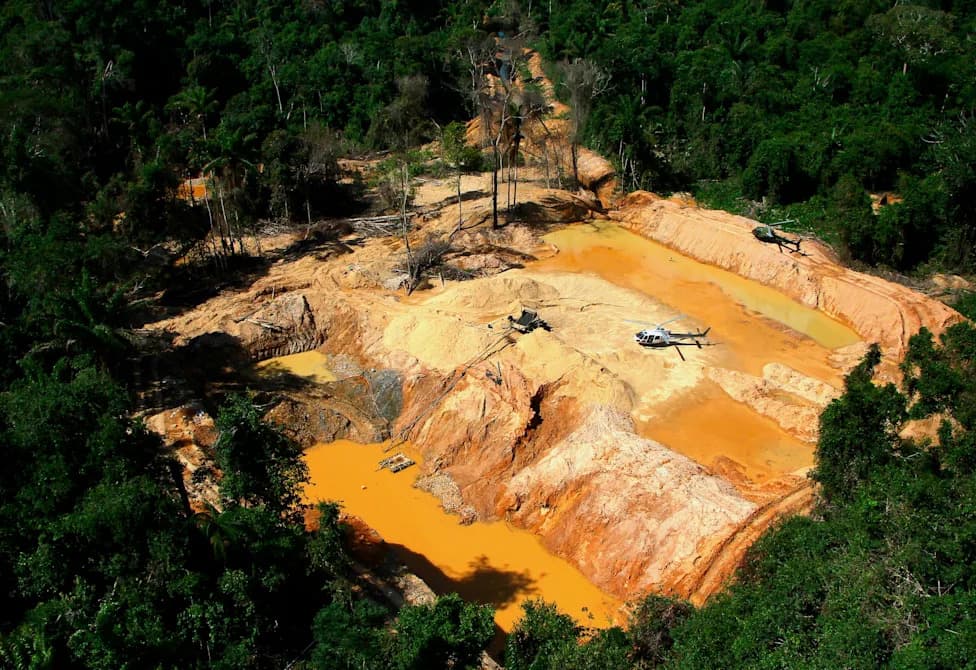
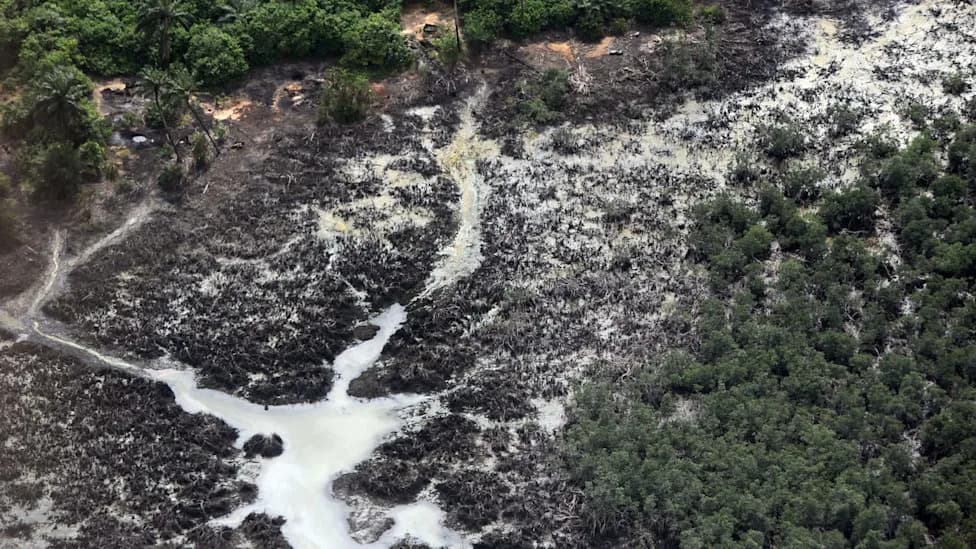
Karipuna warns of an "immense disaster" if a coastal leak were carried into the Curipi River, which flows beside his community of about 1,800 people. "In the event of a spill, we will inevitably be affected. Water has no borders," he said.
Petrobras has told reporters its studies "do not indicate the probability" of oil "reaching the coast in the event of a spill." Still, experts caution that offshore leaks, while low in probability, can carry high consequences. Jean Paul Prates, who led Petrobras in 2023–2024 and now chairs the energy think tank Cerne, said:
"There is no such thing as zero risk in offshore exploration. It is a low-probability risk, but with potentially high consequences."
Local fishermen and Indigenous families also report immediate disruptions: noise from increased plane and helicopter traffic has frightened birds and game, and fishing communities worry customers will avoid their catch if contamination occurs.
Promises of Jobs, Revenue and Rapid Change
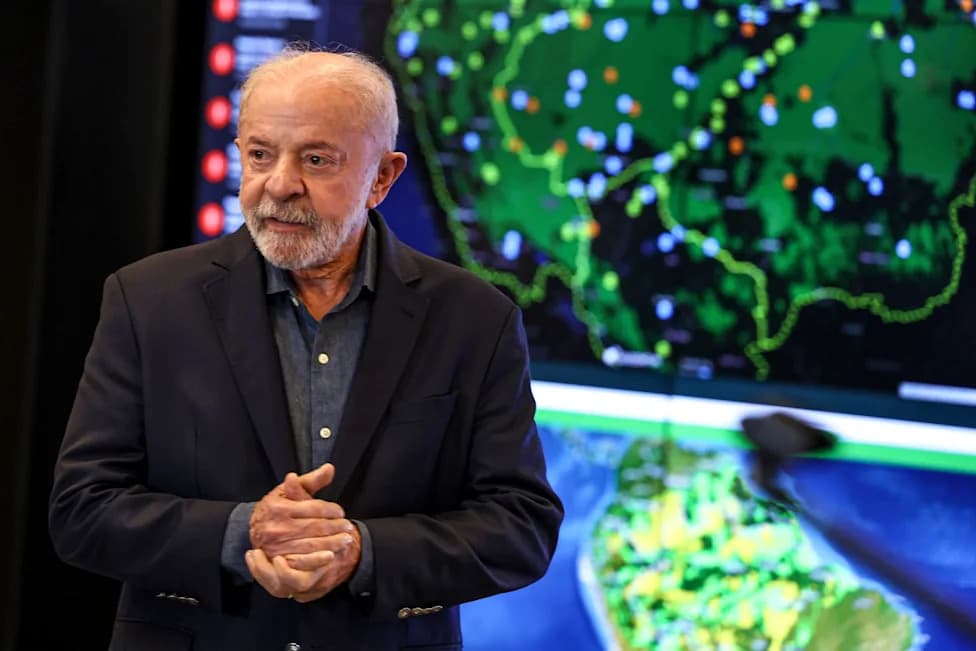
President Luiz Inácio Lula da Silva, who visited the region after the announcement and has called the discovery a potential "passport to the future," has framed oil revenues as one way to finance Brazil's transition to cleaner energy. Petrobras, however, says production is not expected to start for another "six or seven years." A study by the National Industry Observatory estimates that more than 50,000 jobs could be created in Amapá if development proceeds, and future royalties could provide sizable local revenue.
Mayor Inácio Monteiro Maciel says Oiapoque must "practically start from scratch" on infrastructure and social services to absorb rapid growth. The town counted roughly 28,000 residents in the 2022 census, but the mayor now estimates the population has swelled to 40,000–45,000, driven in part by newcomers seeking work and real-estate speculation.
Uneven Expectations
Reactions in Oiapoque are mixed. Some residents, like evangelical pastor Jacqueline Cadete, who moved to the town attracted by oil opportunities, see the discovery as a hopeful sign. Others, such as Indigenous chief Karipuna and traditional fishermen represented by Joelso Mendonça, fear irreversible environmental harm and the loss of traditional livelihoods.
Local business leaders urge caution: "Just because oil has been found, some people think this will become the new Dubai," said Lilma Campos, president of Oiapoque's Commercial and Industrial Association. "But we really don't know what's going to happen."
What Comes Next
With production years away, the immediate priorities are strengthening environmental safeguards, improving infrastructure, and ensuring transparent, ongoing dialogue between Petrobras, Indigenous communities, fishermen and municipal authorities. The region faces a high-stakes balancing act: preparing for potential economic benefits while guarding fragile ecosystems and traditional ways of life.
Help us improve.