The Nov. 14, 2023 class-action complaint alleges UnitedHealth, UnitedHealthcare and naviHealth used an AI system, nH Predict, to limit or deny post-acute care for Medicare Advantage beneficiaries. Plaintiffs say appeals reverse more than 90% of denials tied to the tool, yet only about 0.2% of affected members appeal. Two families report paying roughly $150,000 and $70,000 after coverage cuts. A federal magistrate has ordered production of nH Predict records and discovery was ongoing as of 2026; the outcome could shape how insurers nationwide use AI in utilization management.
Lawsuit Alleges UnitedHealth Used Flawed AI That Reversed 90% Of Denials On Appeal

Image: UnitedHealth Group
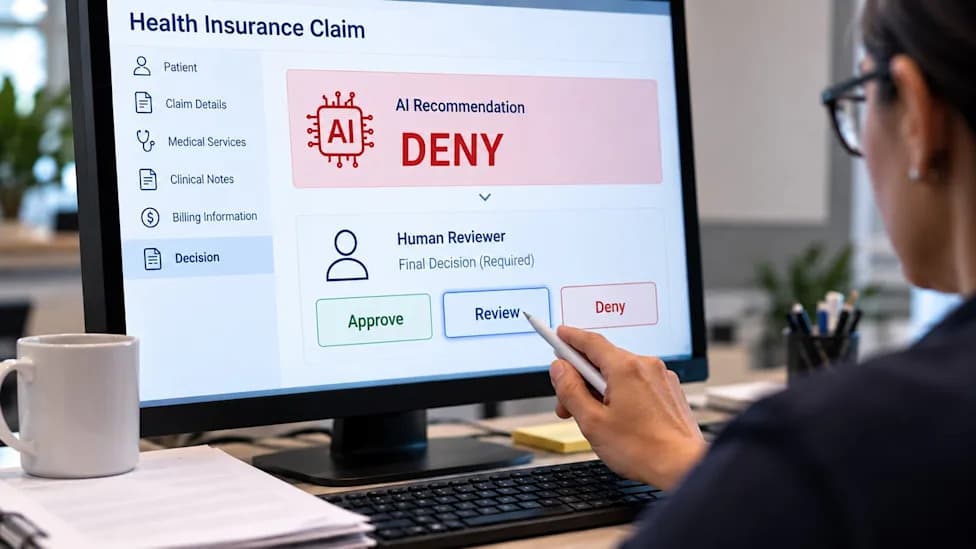
A proposed class-action lawsuit filed Nov. 14, 2023, accuses UnitedHealth Group, UnitedHealthcare and subsidiary naviHealth of using an AI system called nH Predict to limit or deny post-acute care for elderly Medicare Advantage beneficiaries. Plaintiffs say that when denials tied to the tool are appealed, more than 90% are reversed — yet only about 0.2% of affected enrollees file appeals, according to a KFF analysis cited in the complaint.
What the Complaint Alleges
The complaint (Estate of Gene B. Lokken et al. v. UnitedHealth Group Inc., et al.) alleges that naviHealth case managers enter patients' information — including age, living situation and measures of physical function — into nH Predict, which produces a projected discharge date. The model compares those inputs to millions of historical cases to estimate how long a patient should need post-acute care.
Plaintiffs say the company used those projections to override treating clinicians' judgments and to cut coverage even though appeals based on those cuts are almost always successful. They characterize a roughly 90% reversal rate on appeal as evidence that the tool is "blatantly inaccurate." Investigative reporting by Stat, citing former employees, found the algorithm may undercount comorbidities and complications that develop during a stay (for example, pneumonia), which can substantially extend recovery time.
Personal Impacts Cited In The Complaint
The filing highlights two families who say the alleged denials led to large out-of-pocket bills and, ultimately, poorer outcomes. Gene Lokken, 91, fractured his leg and ankle in May 2022; physicians recommended extended therapy but UnitedHealthcare allegedly covered only 19 days before denying further care, and the family reported paying roughly $150,000 out of pocket until his death in July 2023. Dale Tetzloff, 74, had a stroke in October 2022; doctors estimated he might need as many as 100 days in skilled nursing, but the complaint says coverage was stopped after 20 days and again after 40 days, leaving the family to cover about $70,000 over ten months before he moved to assisted living, where he later died.
Allegations About How Case Managers Were Evaluated
Former employees told reporters that naviHealth assessed case managers against nH Predict's projections. The complaint states that in 2022 managers were asked to keep stays within 3% of nH Predict's estimate and that tolerance tightened to 1% by 2023. A former case manager, Amber Lynch, told Stat investigators that the process "takes the dignity out of the patient."
Company Response
"The naviHealth predict tool is not used to make coverage determinations. The tool is used as a guide to help us inform providers, families and other caregivers about what sort of assistance and care the patient may need both in the facility and after returning home. Coverage decisions are based on CMS coverage criteria and the terms of the member's plan. This lawsuit has no merit, and we will defend ourselves vigorously."
Legal Stakes And Broader Implications
A federal magistrate judge in Minnesota has ordered UnitedHealth to produce extensive records about nH Predict's role in coverage decisions, and discovery was ongoing as of 2026. How courts determine the relationship between the tool's projections and actual coverage denials could affect how insurers nationwide use AI in utilization management and what protections Medicare Advantage patients have when an algorithm's forecast conflicts with their treating physician's judgment.
Bottom line: The lawsuit raises questions about the accuracy, oversight and consequences of using predictive AI in coverage decisions for vulnerable patients. The case could set important precedents for transparency and limits on algorithmic decision-making in health care.
Help us improve.