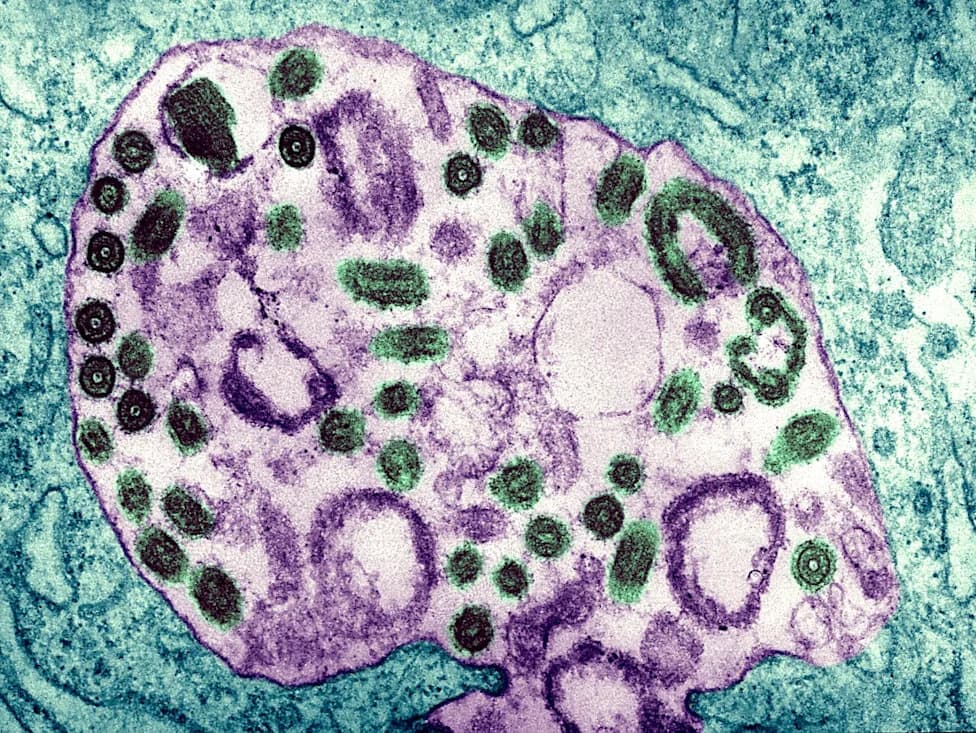
WHO chief Tedros Adhanom Ghebreyesus warns the Ebola outbreak in eastern DRC remains "far from over." Weekly cases in North Kivu have doubled recently, while transmission is falling in parts of Ituri and no new cases have been reported in South Kivu since May. The response is complicated by a rare Bundibugyo strain with no established cure; treatment trials and post-exposure prophylaxis efforts are accelerating, and over 3,000 frontline workers have received Merck's Ervebo vaccine.
WHO: Ebola Fight in Eastern DRC 'Far From Over' as Cases Double in North Kivu
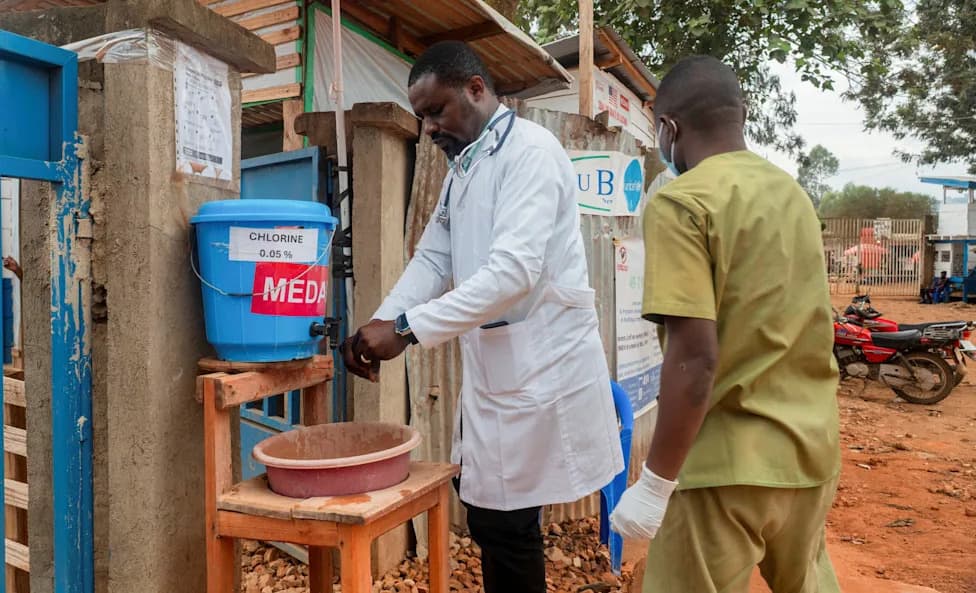
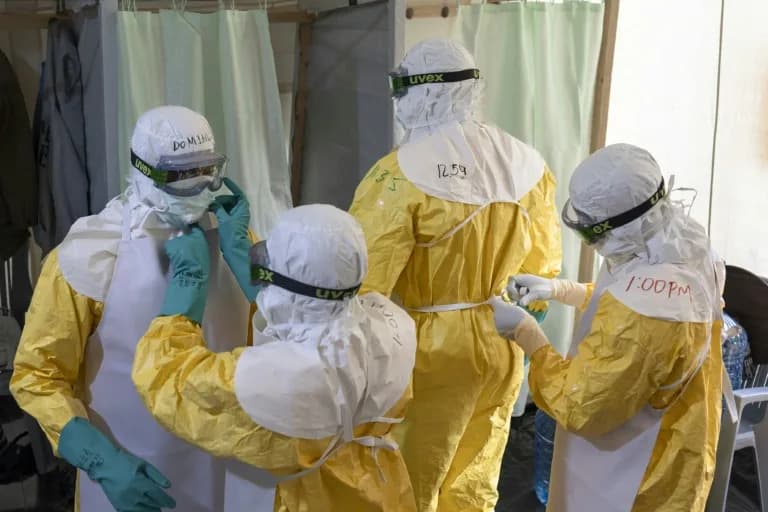
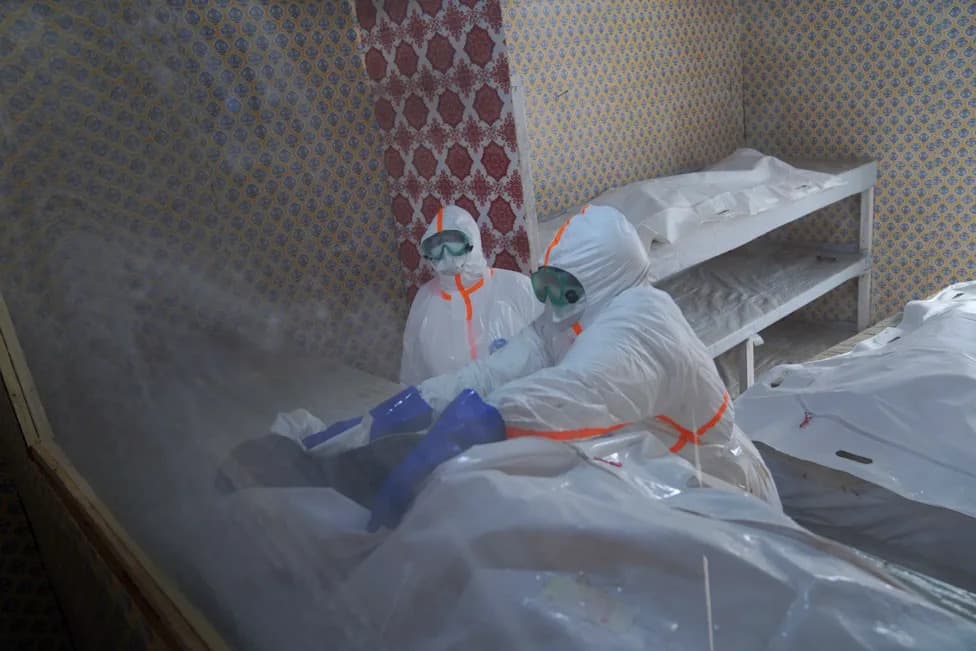
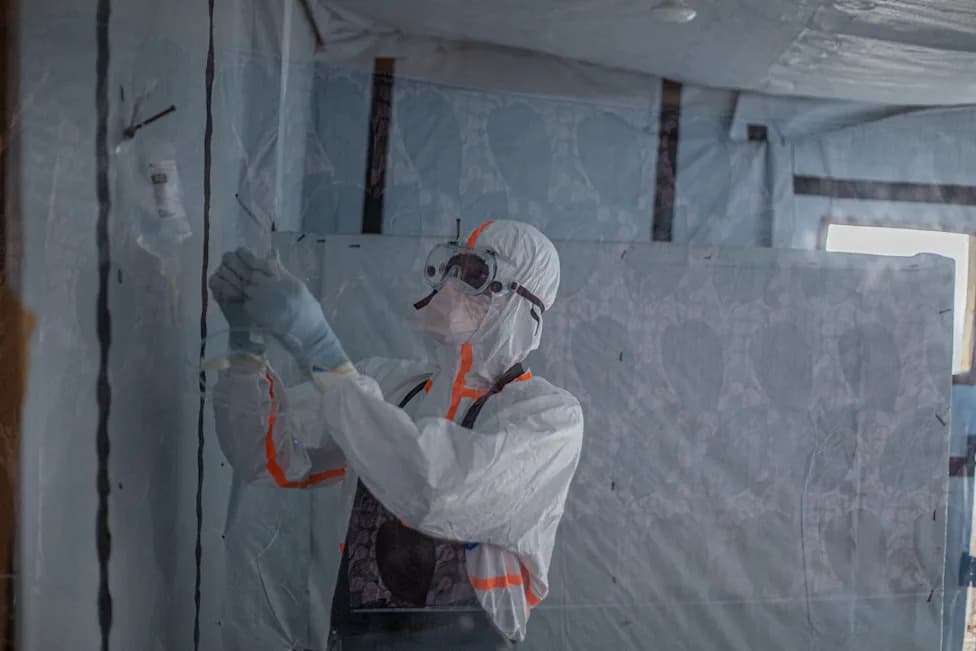
Dr. Papy Mafuta, medical director of Katwa hospital, sanitizes as aid agencies intensify efforts to contain a new Ebola outbreak in the Democratic Republic of Congo, September 10, 2026 [File: Gradel Muyisa Mumbere/Reuters]
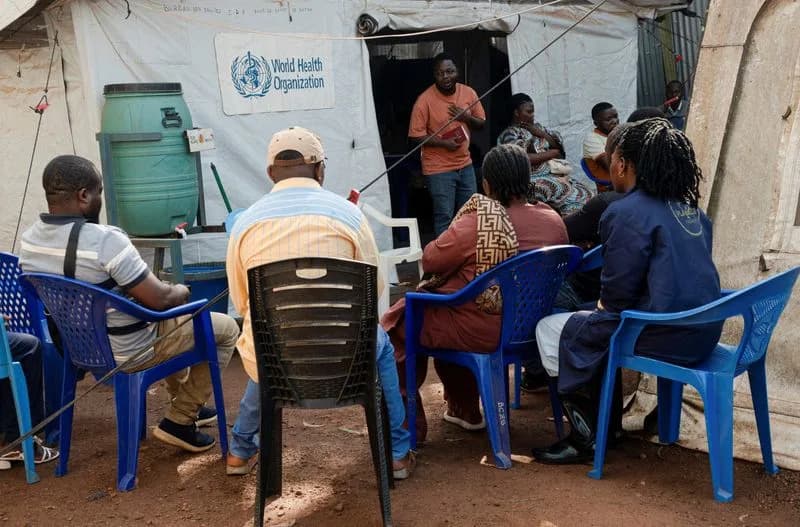
Despite some encouraging signs, the World Health Organization (WHO) warns that the fight to contain the Ebola outbreak in eastern Democratic Republic of Congo (DRC) remains "far from over." WHO Director-General Tedros Adhanom Ghebreyesus highlighted a troubling rise in cases in North Kivu province even as transmission eases in other areas.
Latest Situation
In an online press briefing, Tedros said weekly cases in North Kivu have doubled in the past two weeks — from roughly 100 to more than 200 — as health teams confront "many outbreaks in many places" across a vast and complex region. He stressed that the response cannot be treated as a single, localized epidemic because of the wide geographic spread of transmission.
"But make no mistake, the epidemic continues to grow and continues to kill," Tedros warned, underscoring the ongoing severity of the crisis.
Regional Trends
Transmission is reported to be declining in parts of Ituri province, which has been the epicentre of the outbreak. South Kivu has not reported any new cases since May, offering a hopeful sign in that province.
Complicating Factors and Response
The outbreak has been complicated by the appearance of a rare Ebola strain, the Bundibugyo virus. There is currently no established cure specifically for this strain, which has prompted urgent trials of therapeutics and the rapid development of post-exposure prophylaxis strategies.
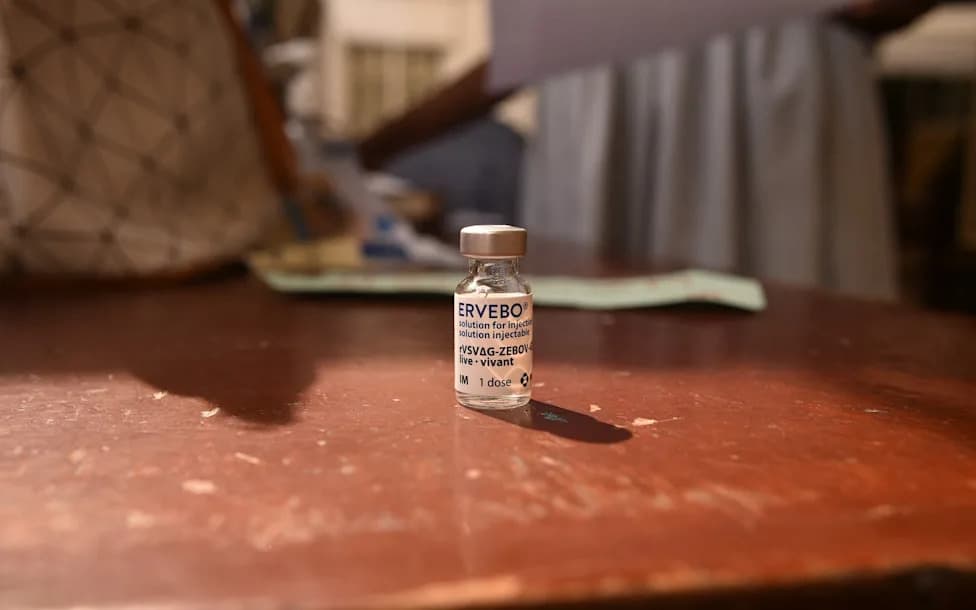
WHO said treatment trials and vaccine research are accelerating. More than 3,000 health-care and front-line workers in affected areas have been vaccinated with Merck's Ervebo vaccine, according to Meg Doherty, WHO's director of science, research, evidence and quality for health. Ervebo is licensed against Zaire ebolavirus, and its effectiveness against the Bundibugyo strain driving this outbreak is not yet known.
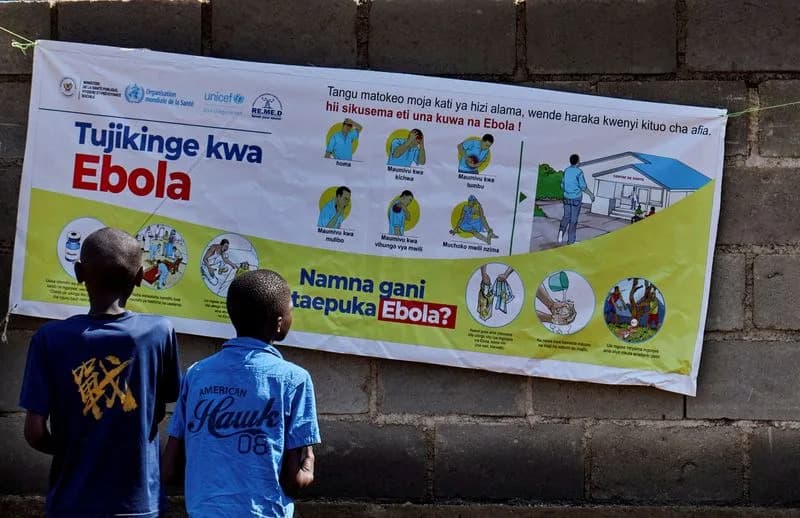
Since the DRC declared its 17th Ebola outbreak in May, authorities have reported more than 7,200 cases and over 3,500 deaths across seven provinces. WHO and partners continue to call for sustained funding, expanded surveillance, and community engagement to control the multiple, simultaneous outbreak clusters.
Help us improve.