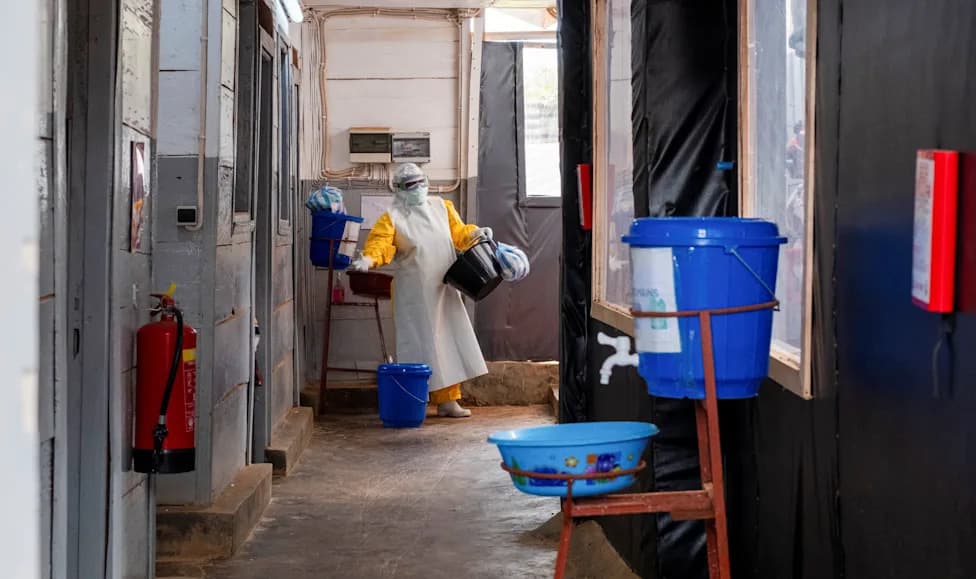
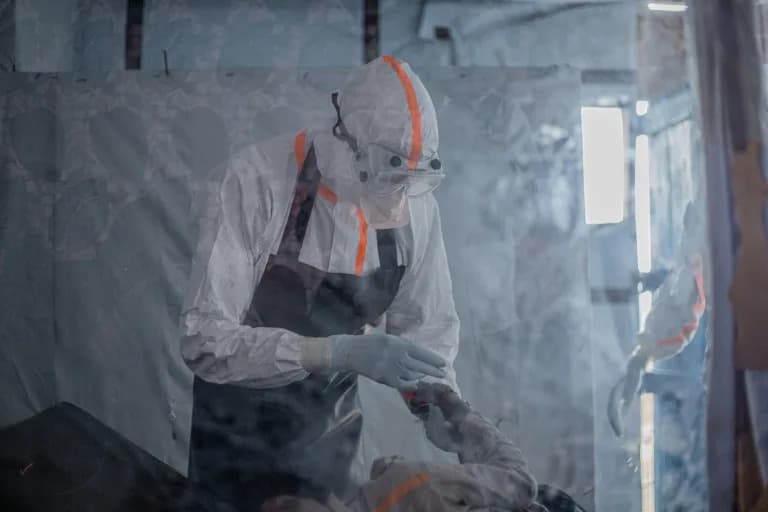
The DRC will deploy 70,000 doses of Ervebo—licensed for the Zaire Ebola strain—against a rapidly growing Bundibugyo outbreak while researchers develop and test a strain-specific vaccine. About 2,500 people have died, cases are doubling roughly every 20 days, and the epidemic could become the largest on record if current trends continue. WHO has set aside 20,000 doses for a Phase 3 trial and allocated 50,000 doses for frontline health workers; early data suggest possible partial protection but efficacy against Bundibugyo remains unproven.
DRC Deploys 70,000 Doses of Ervebo as Fast-Growing Bundibugyo Ebola Outbreak Surges
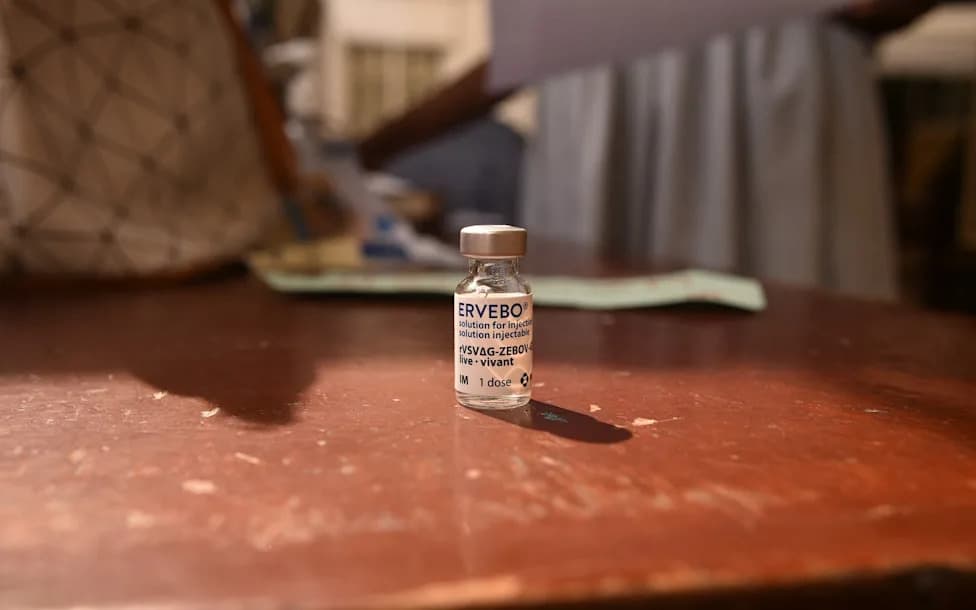
The World Health Organization said that Ebola-hit DRC would receive 70,000 doses of a vaccine approved for protecting against the virus, but not the strain spreading in the country - SAIDU BAH/AFP
The Democratic Republic of Congo (DRC) will deploy 70,000 doses of the Ervebo vaccine—originally licensed for the Zaire strain—against a rapidly expanding Ebola outbreak caused by the Bundibugyo strain. Authorities and international partners hope the existing vaccine can offer at least partial protection while a strain-specific vaccine is developed and tested.
There is currently no vaccine specifically designed for Bundibugyo. Ervebo has a proven safety profile for the Zaire strain, but its effectiveness against Bundibugyo is not yet established. Early laboratory and animal studies indicate the vaccine might provide some protection, though robust human data are lacking.
Vaccine Allocation and Clinical Trial
The World Health Organization (WHO) has allocated the shipment as follows: 20,000 doses will be reserved for a Phase 3 clinical trial to assess Ervebo's impact on Bundibugyo, and the remaining 50,000 doses will be used to vaccinate frontline health workers and other high-risk personnel, per WHO guidance.
Dr Sania Nishtar, CEO of the Gavi vaccine alliance, said: 'We must deploy every tool at our disposal. We have a tool that could help save lives while we wait for Bundibugyo-specific vaccines to become available.'
Current Outbreak Situation
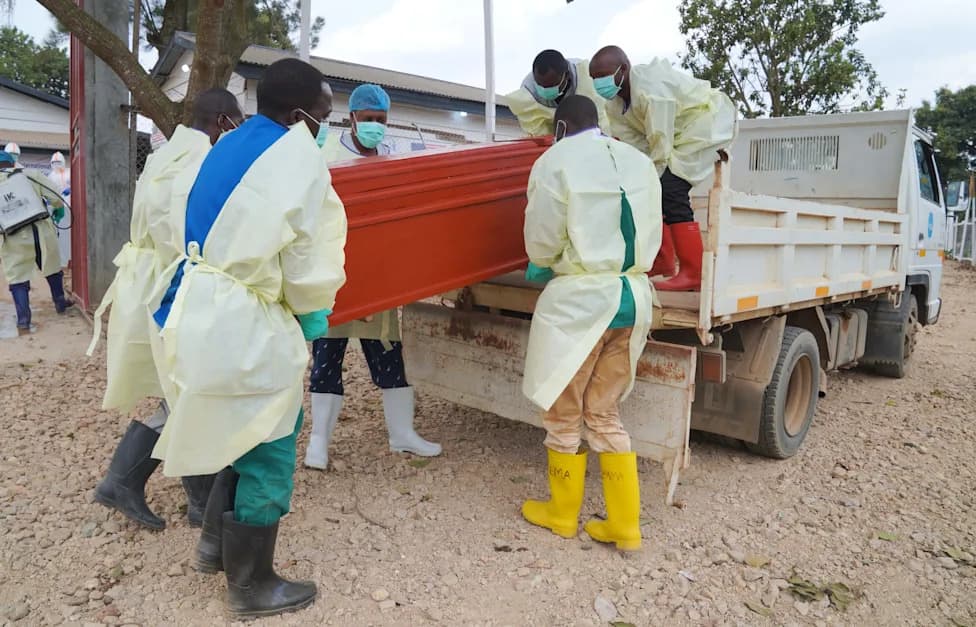
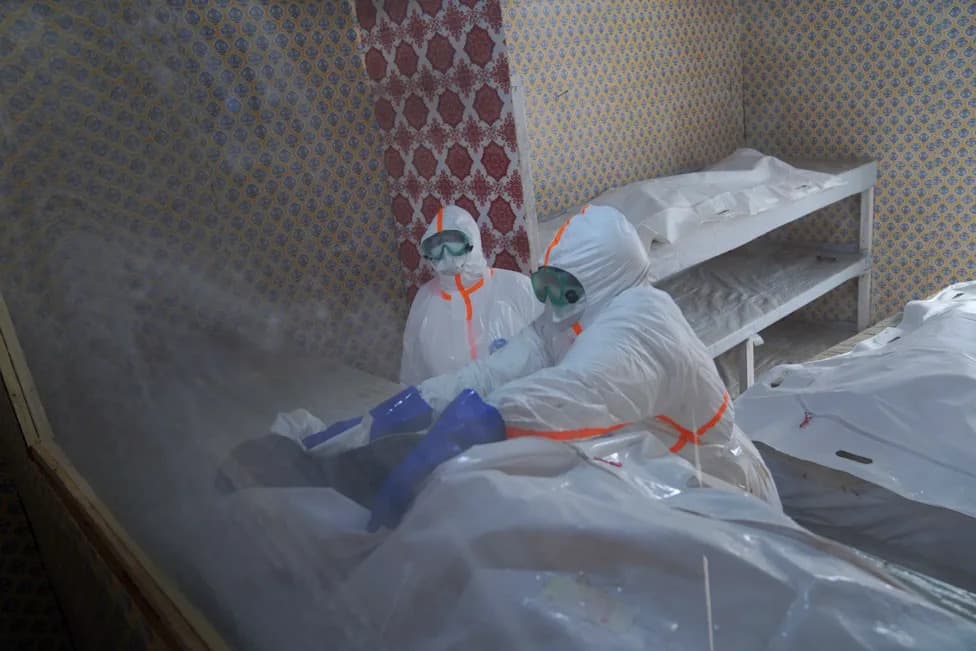
The outbreak—centred in Ituri province—has killed roughly 2,500 people so far and is estimated to be doubling in size about every 20 days. If that trajectory continues, the epidemic could become the largest Ebola outbreak on record by late September. Nearly half of reported cases have been fatal to date.
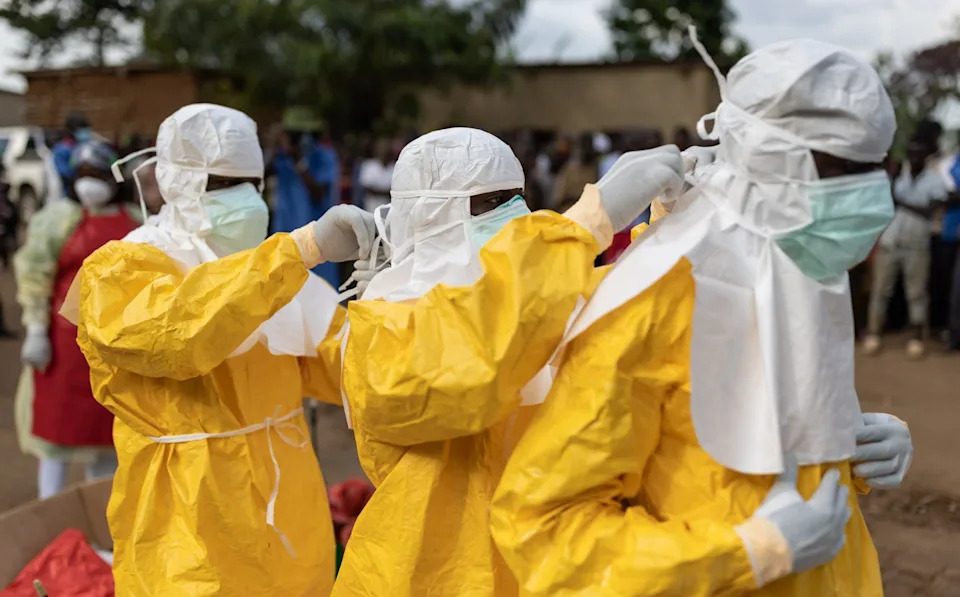
The outbreak has so far killed 2,500 people and is doubling every 20 days - Luke Dray/Getty Images Europe
Public-health authorities believe the virus circulated for months before the outbreak was formally declared in mid-May, giving the epidemic a dangerous head start. An analysis by the Africa Centres for Disease Control (Africa CDC) found that the current outbreak has far more cases at this stage than any comparable earlier event—almost ten times higher in case counts at a similar point.
Protection for Health Workers and Limitations
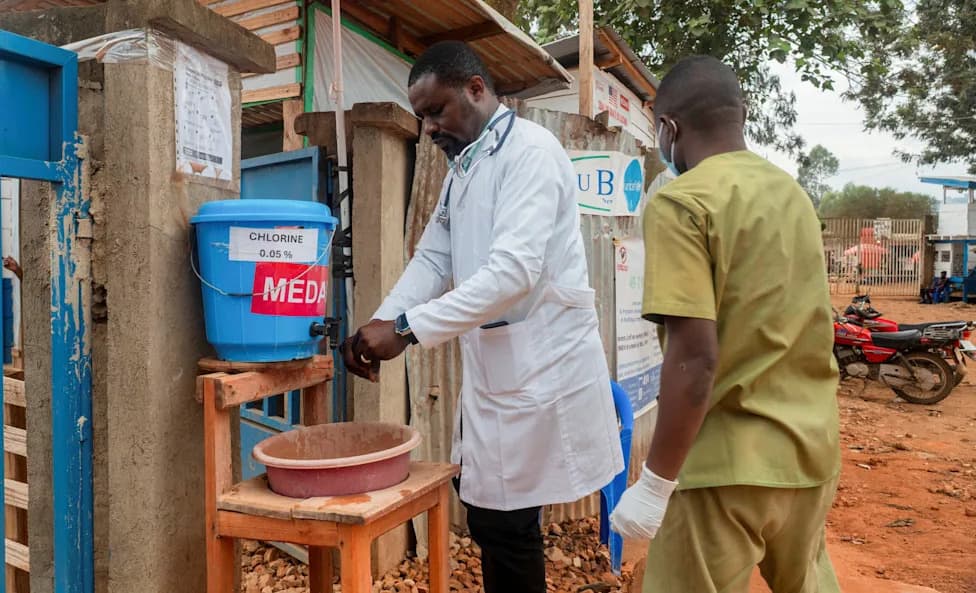
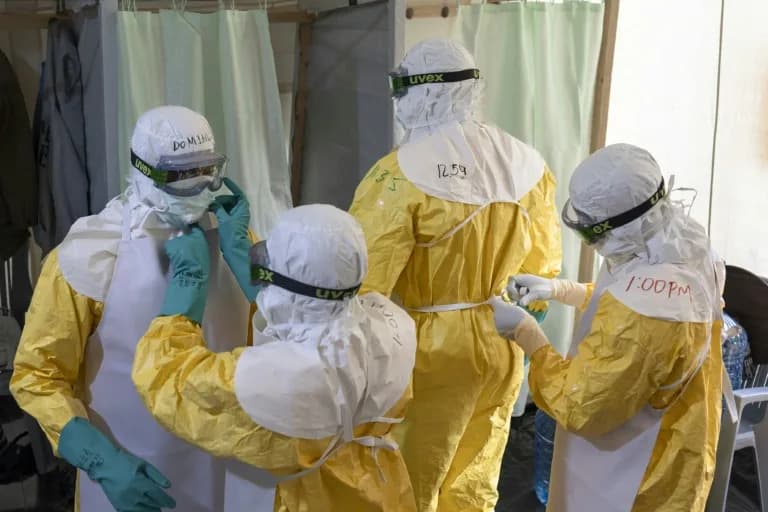
Health workers face especially high risk because caring for patients exposes them to infectious blood and body fluids. Vaccinating frontline staff is a central part of Ebola response efforts to protect personnel and limit secondary transmission to families and communities. Some clinicians have reported anecdotal observations that health workers who received Ervebo during past Zaire-strain responses did not become ill in the current Bundibugyo outbreak, but such reports are not a substitute for controlled clinical data.
Experts warn that while Ervebo's established safety profile is reassuring, it may not be sufficient to halt transmission of the Bundibugyo strain. That is why the Phase 3 trial and continued development of a strain-specific vaccine are priorities alongside standard outbreak control measures—case finding, contact tracing, isolation, safe burials and community engagement.
What Comes Next
International partners and Congolese authorities will monitor trial results and real-world outcomes closely. If Ervebo demonstrates meaningful protection in humans against Bundibugyo, it could become an important interim tool. Regardless of vaccine performance, control of the outbreak will depend on rapid detection, treatment, and community cooperation.
Help us improve.