The WHO reports "encouraging" signs in the DRC's 17th Ebola outbreak even as cases continue to rise. Since mid-May there have been over 7,200 cases and more than 3,500 deaths across seven provinces, with Ituri the current epicentre. Vaccine assessments are accelerating — including delivery of 70,000 Ervebo doses and an MSF observational study — but officials warn the response will take many more months and significant funding.
WHO Sees 'Encouraging' Signs as DRC Ebola Response Gains Ground — But Outbreak Still Growing
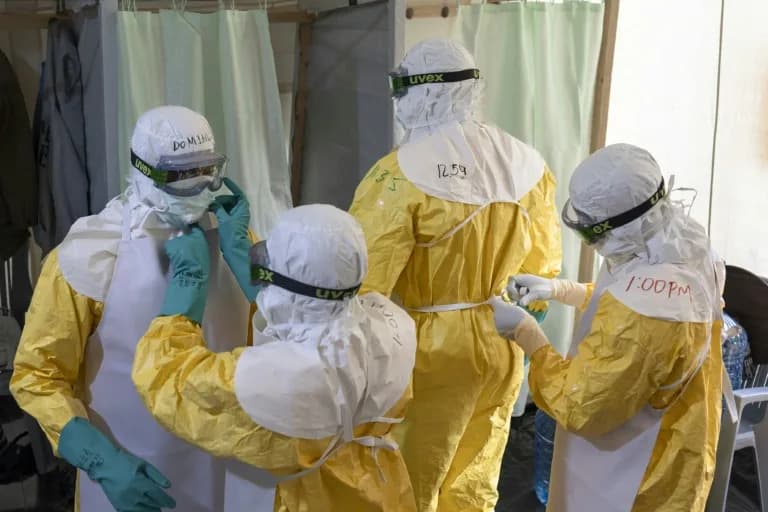
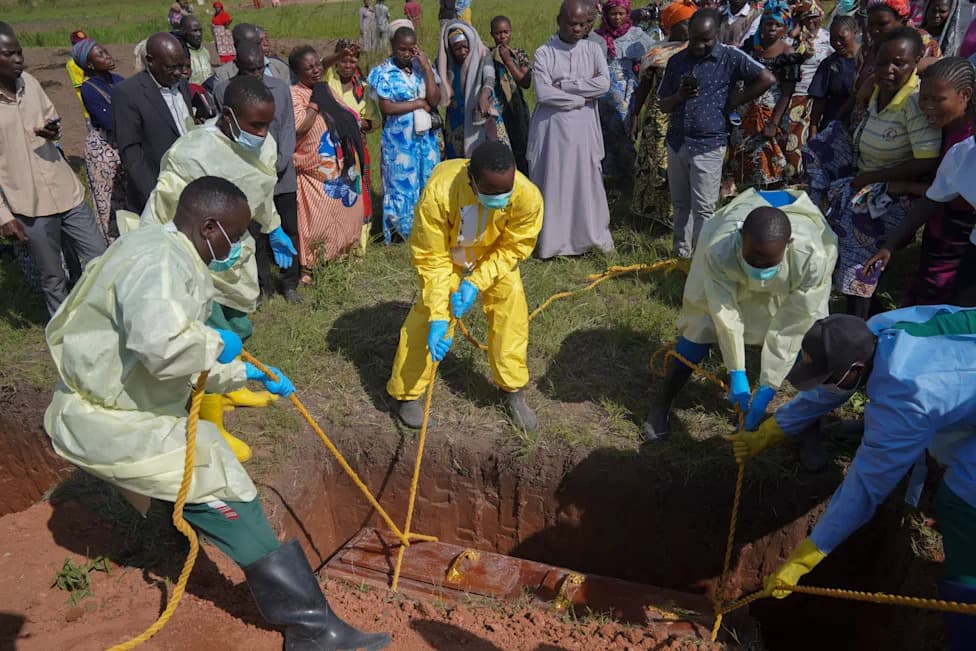
The latest Ebola outbreak in DR Congo is the deadliest to hit the country (Tony KARUMBA)
The World Health Organization said on Wednesday that although the Ebola epidemic in the Democratic Republic of Congo (DRC) continues to spread, there are "encouraging" signs that control efforts are beginning to make progress.
Since the DRC declared its 17th Ebola outbreak in mid-May, authorities have recorded more than 3,500 deaths and over 7,200 confirmed and suspected cases across seven northern and eastern provinces, regions challenged by widespread insecurity and the presence of numerous armed groups.
Signs of progress and continuing risks
"We are starting to see encouraging signs that we're gaining ground," Tedros Adhanom Ghebreyesus told reporters in Geneva. He warned, however: "Make no mistake: the epidemic continues to grow and continues to kill."
Tedros said transmission was declining in parts of Ituri province — the epicentre of the current outbreak — and that South Kivu has not reported any new cases since May. But the epidemic is accelerating in North Kivu, where weekly reported cases nearly doubled from roughly 100 to more than 200.
Health officials warned that the DRC’s large, remote areas, high population mobility and repeated attacks on humanitarian workers are complicating detection, contact tracing and treatment efforts. "The area is so vast that it is hard to speak of a single epidemic. It is many outbreaks, in many places," Tedros said. "We must get the response right in every one of them."
Vaccines, studies and funding
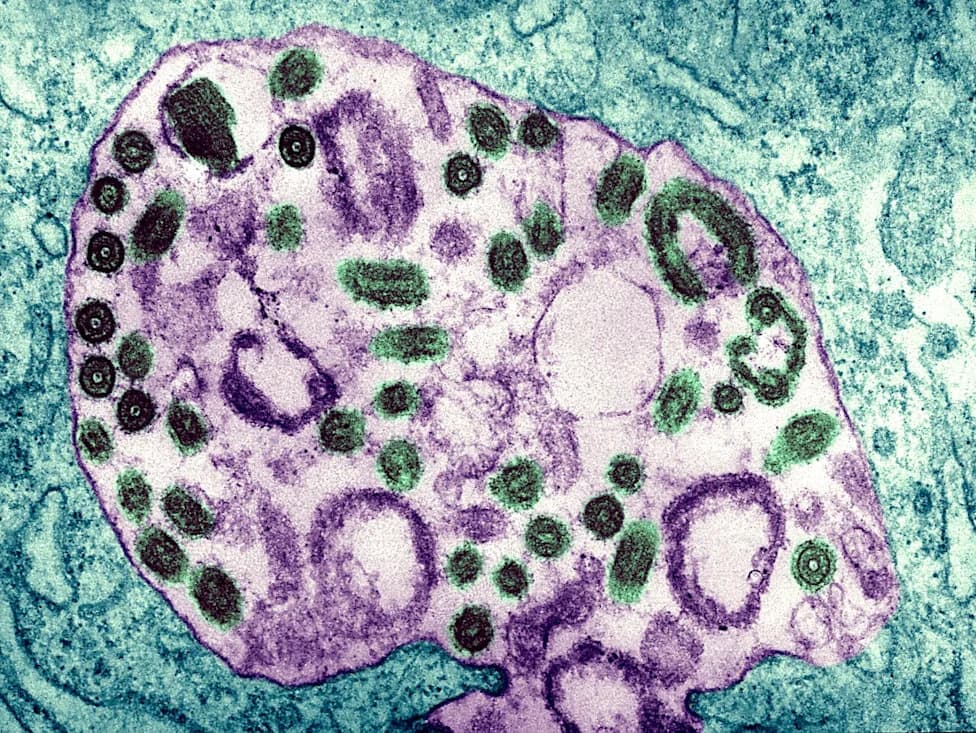
There is currently no approved vaccine or specific treatment for the Bundibugyo strain responsible for this outbreak. Some 70,000 doses of the Ervebo vaccine — approved for the Zaire strain of Ebola — have been shipped to the DRC to assess potential effects against Bundibugyo. More than 3,000 health workers and frontline staff in Kisangani have already been vaccinated.
An observational study led by Doctors Without Borders (MSF) is due to begin to evaluate whether the Ervebo doses reduce illness and death. Clinical trials of two candidate vaccines specifically targeting the Bundibugyo strain are planned to start in the country at dates to be determined.
The Africa Centres for Disease Control and Prevention and the WHO issued a funding appeal in June for $518 million to sustain the response through November. Earlier this month, those organisations and the Congolese government launched a new request for $1.3 billion to cover the next six months, on top of $1.1 billion the UN sought in August for humanitarian assistance, WHO emergencies chief Chikwe Ihekweazu said.
Outlook
WHO technical lead Maria Van Kerkhove cautioned that the response will require sustained effort: "We still have many, many months ahead of us." While localized improvements are welcome, officials urged vigilance, continued community engagement and accelerated trials to expand prevention and treatment options.
Help us improve.