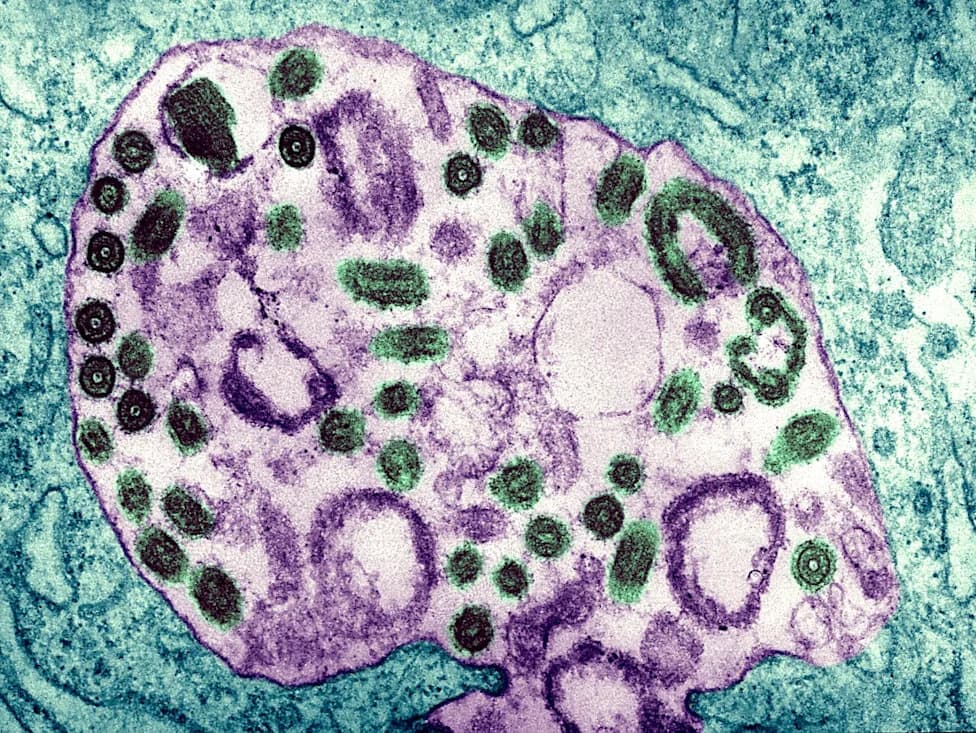
The U.N. says response efforts in eastern Democratic Republic of Congo are producing localized gains, particularly in parts of Ituri, but warns the Ebola epidemic remains "deadly and massive." WHO officials caution it is too early to declare a peak and say fully controlling the outbreak will take many months and significant support. Government figures report 7,258 confirmed cases and 3,510 deaths across seven provinces, while North Kivu remains a serious concern.
U.N. Sees Local Progress in Eastern DRC Ebola Response, But WHO Says Peak Not Yet Confirmed
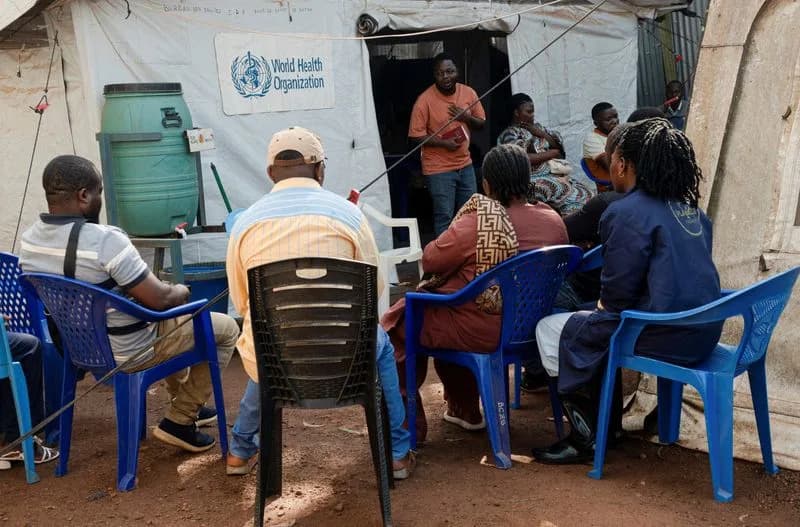
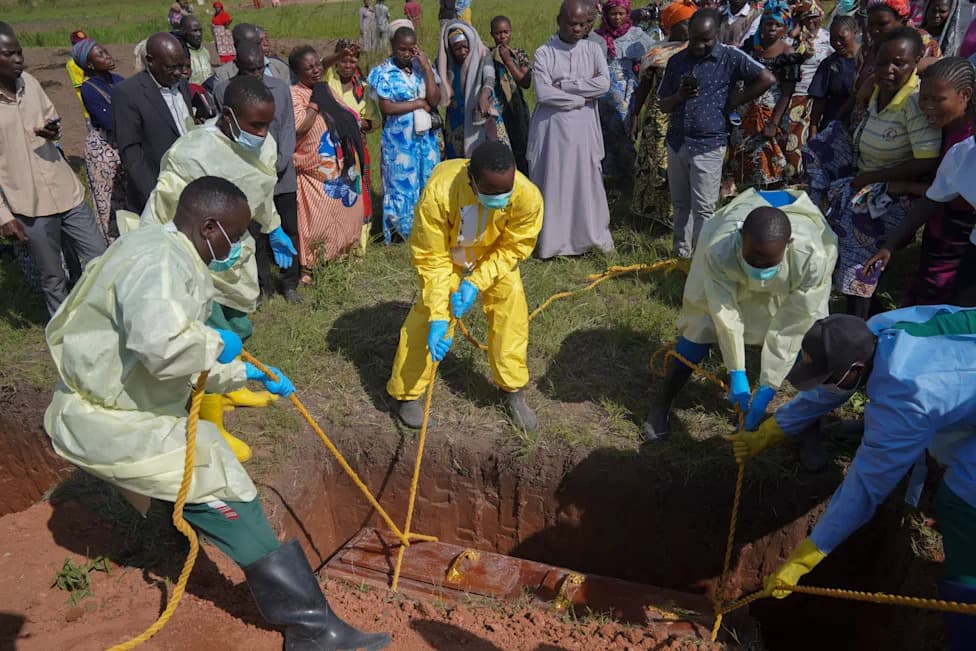
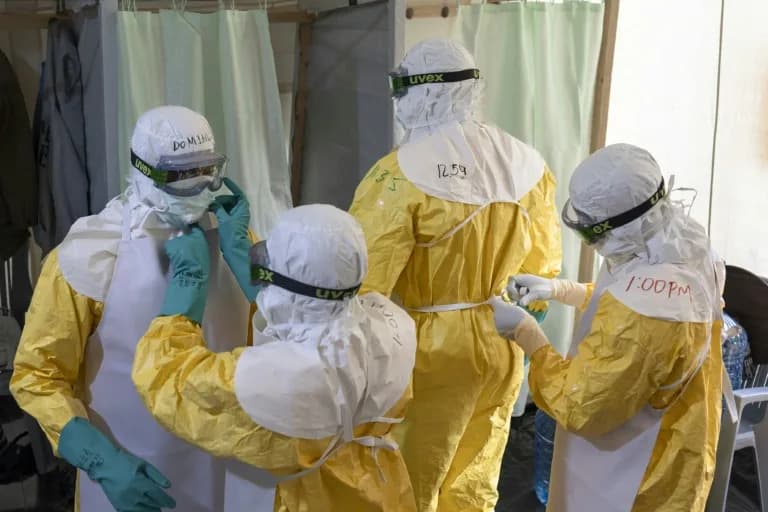
Members of a civil protection team tasked with safely burying people suspected of having died from Ebola attend a daily briefing before deploying to the field to handle bodies, collect samples and disinfect the remains of people suspected of having died from Ebola, in Butembo, North Kivu province, Democratic Republic of Congo, September 13, 2026. REUTERS/Gradel Muyisa Mumbere
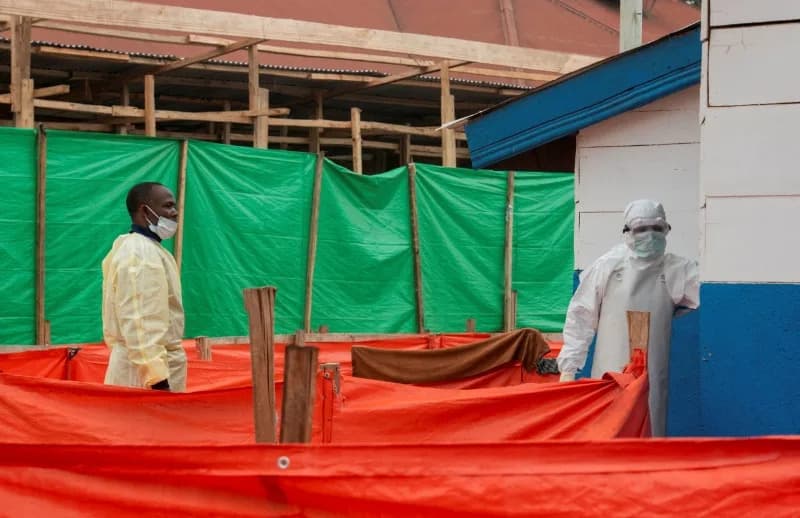
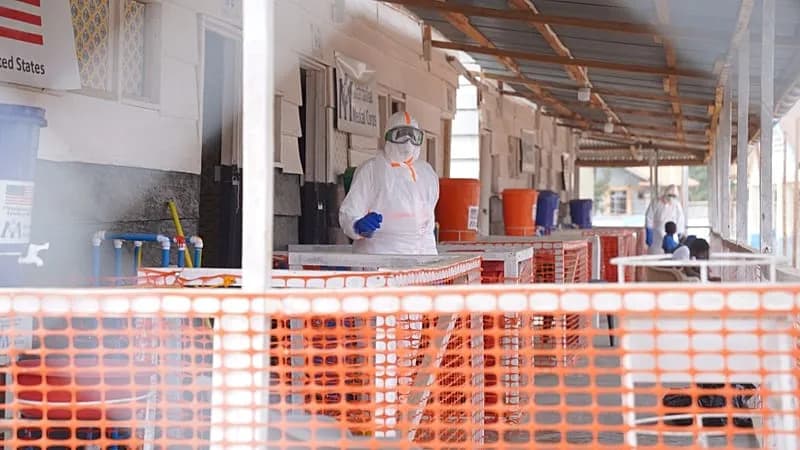
U.N. officials told a Geneva briefing on Tuesday that efforts to curb the Ebola outbreak in eastern Democratic Republic of Congo are beginning to show results, but they warned the epidemic remains "deadly and massive" and will take months to bring fully under control.
Progress In Some Areas, Major Challenges Remain
Julien Harneis, the U.N. special Ebola coordinator, said there are "some areas of progress," while other locations continue to record rising case numbers. He emphasized that the overall scale of the epidemic means isolated improvements do not yet represent a turning point for the entire outbreak.
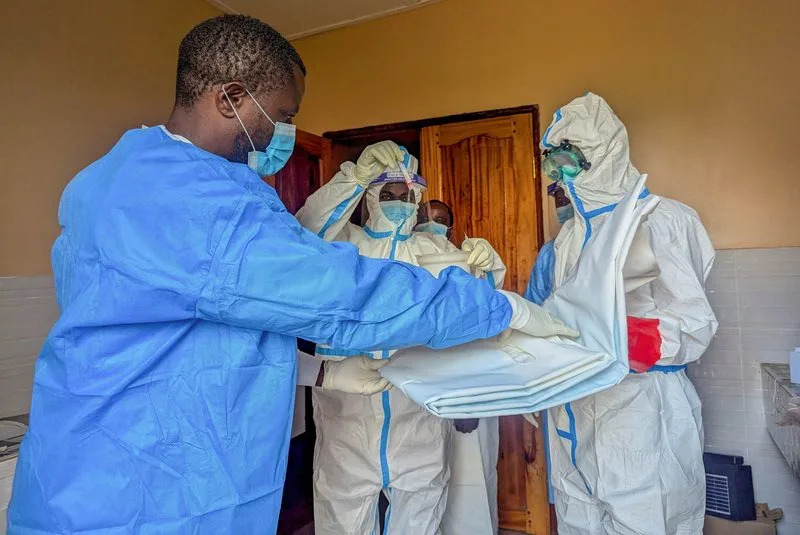
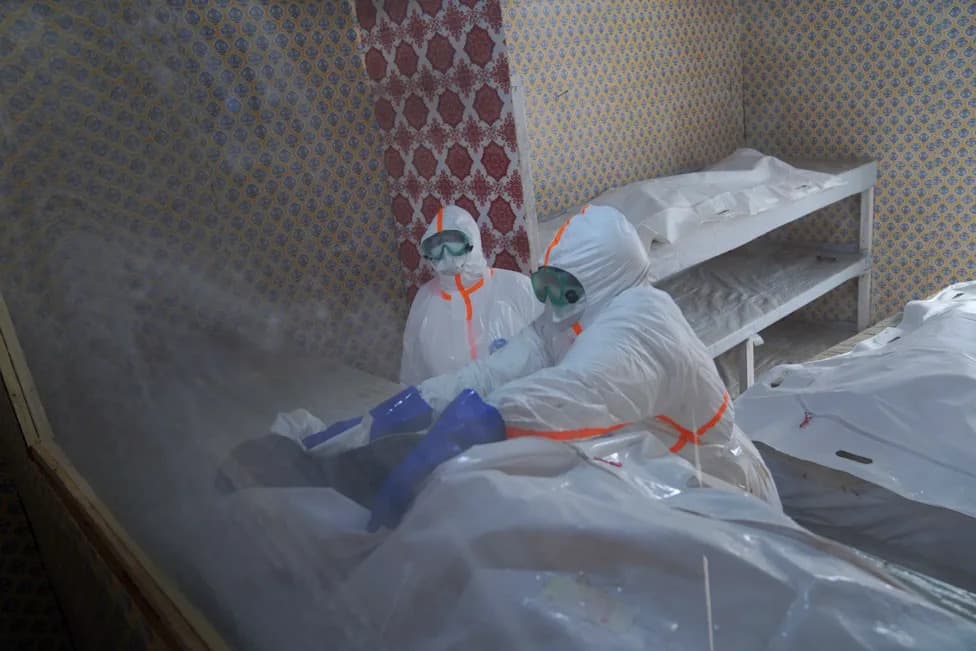
Members of the civil protection team's dignified and safe burial service prepare a body bag before handling the remains of a child suspected of having died from Ebola at the Butembo Unit Hospital morgue, in Butembo, North Kivu province, Democratic Republic of Congo, September 13, 2026. Picture taken with a mobile phone. REUTERS/Gradel Muyisa Mumbere
"It remains a deadly and a massive epidemic. There are some areas of progress, but nonetheless, in other areas, we continue to see growth in cases," Julien Harneis told reporters in Geneva.
WHO: Too Early To Declare A Peak
Olivier Le Polain, head of epidemiology and analytics for response at the World Health Organization, cautioned: "It's too early to confidently say we have passed a peak." He said fully controlling the outbreak "will take many, many months" and require substantial international and local support.
Reports From DRC Authorities
Congolese Health Minister Samuel Roger Kamba said on Saturday there have been "encouraging signs" since a peak in mid-August, with daily new cases dropping from about 120 at the peak to roughly 80. He added that 10 of the 62 affected health zones have reported no new cases for more than 22 days, which he called a positive indication that response measures are beginning to "bend the transmission curve."
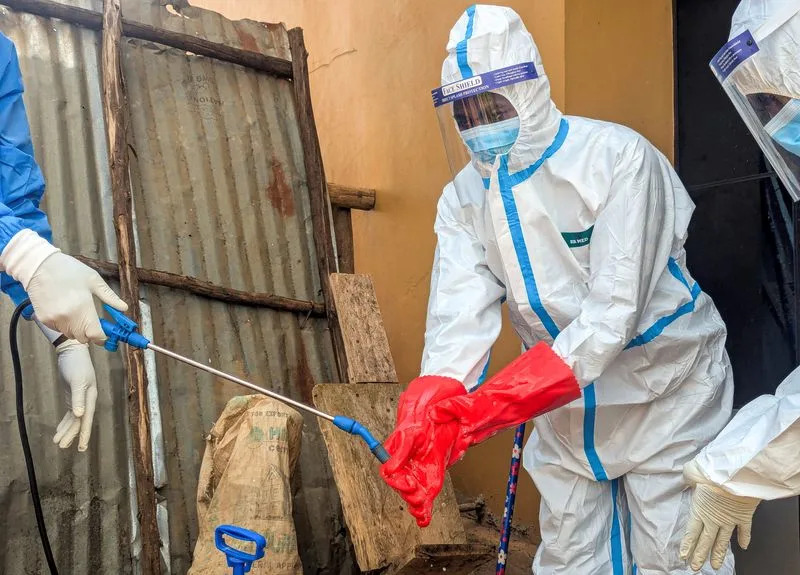
Members of the civil protection team's dignified and safe burial service disinfect after handling the remains of a one-year-old child suspected of having died from Ebola, at the Butembo unit hospital morgue in Butembo, North Kivu province, Democratic Republic of Congo, September 13, 2026. Picture taken with a mobile phone. REUTERS/Gradel Muyisa Mumbere
In Ituri province, where the outbreak began, Jean-Jacques Muyembe, director of the National Institute for Biomedical Research, said indicators there "are turning green" and that response teams have the situation under greater control in parts of the province. He expressed hope the epidemic might be "behind us" by the end of the year while cautioning that this outcome is not guaranteed.
Current Toll And Geographic Patterns
Government figures published on Tuesday show 7,258 confirmed cases and 3,510 deaths across seven provinces. U.N. officials described progress in parts of Ituri but warned that cases remain high and are rising rapidly in North Kivu, particularly in the city of Butembo.
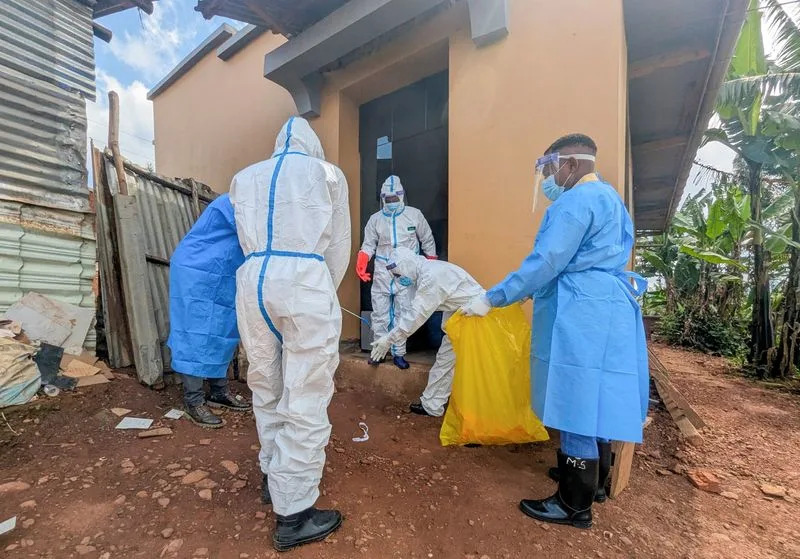
Members of the civil protection team's dignified and safe burial service disinfect themselves after handling the remains of a one-year-old child suspected of having died from Ebola, at the Butembo Unit Hospital morgue, in Butembo, North Kivu province, Democratic Republic of Congo, September 13, 2026. Picture taken with a mobile phone. REUTERS/Gradel Muyisa Mumbere
"It's such a vast epidemic that it's difficult to talk about one epidemic, but rather many different locations," Harneis said, underscoring the varied local dynamics of transmission and response capacity.
Why North Kivu Remains A Concern
Aid agencies say North Kivu's complex security environment, dense population centers and high mobility make containment especially difficult. Thomas Paerisch, a public health specialist recently deployed with Médecins Sans Frontières, described the situation there as "alarming." As of Sept. 12, North Kivu had recorded 1,269 confirmed cases cumulatively, including 555 reported in the previous 21 days.
U.N. and WHO officials stressed that early local gains can be reversed and urged continued resources, coordination and community engagement to reduce transmission and prevent new outbreaks elsewhere.
Reporting by Emma Farge; additional reporting by Clement Bonnerot; writing by Robbie Corey-Boulet; edited by Miranda Murray, Alexandra Hudson and Andrew Heavens.
Help us improve.