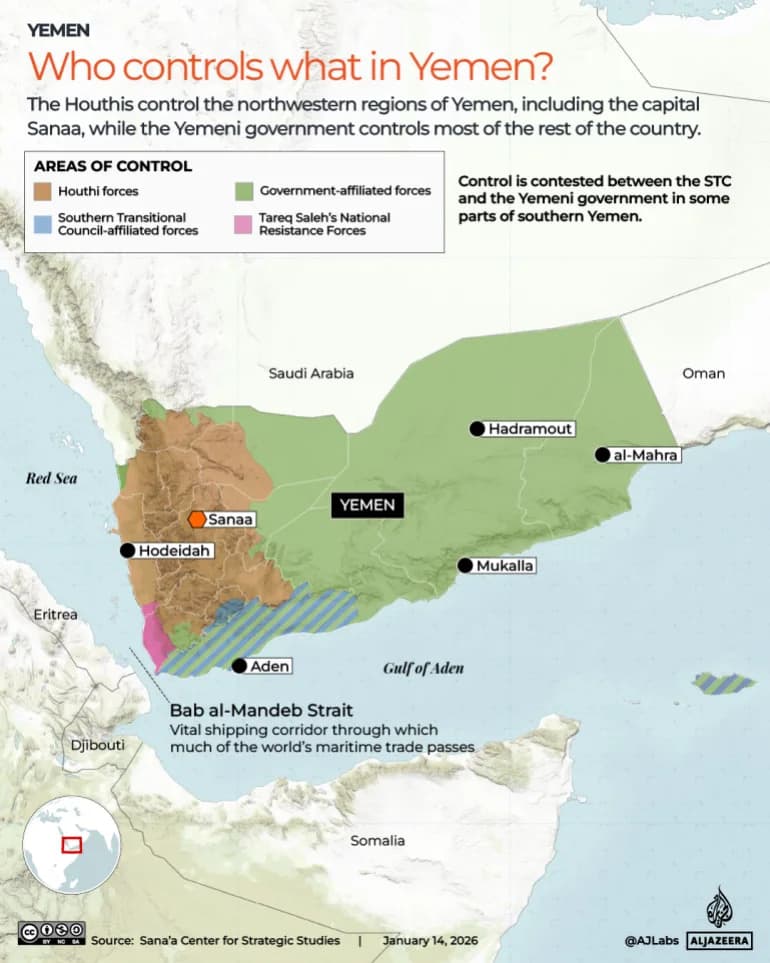
Yemeni government forces have escalated air strikes as the Iran-backed Houthis press into Marib and western Taiz. Marib, the last major northern government stronghold, contains the country's largest oil and gas fields—its loss could shift military leverage and negotiation power to the Houthis. Taiz is strategically vital as a land bridge to southern ports and the Red Sea coast. The offensive has caused major displacement, with IOM reporting more than 85,000 people uprooted since early September and over 2,000 fleeing to Djibouti.
Why the Houthi Push for Marib and Taiz Could Recast Yemen’s War

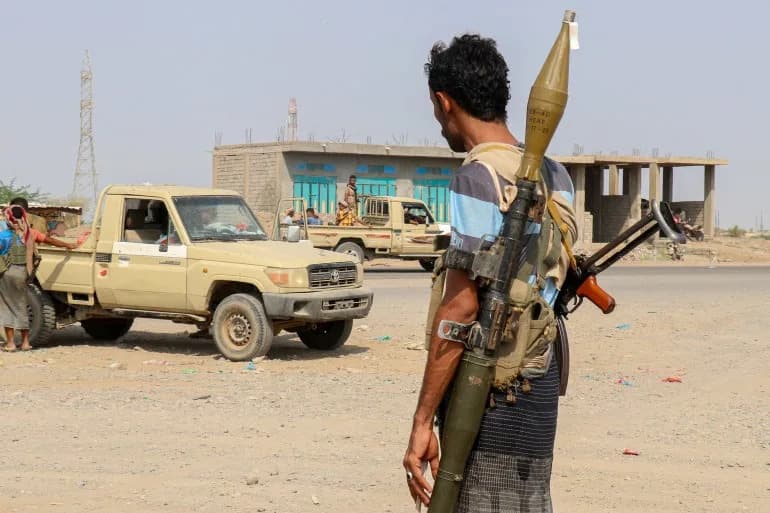
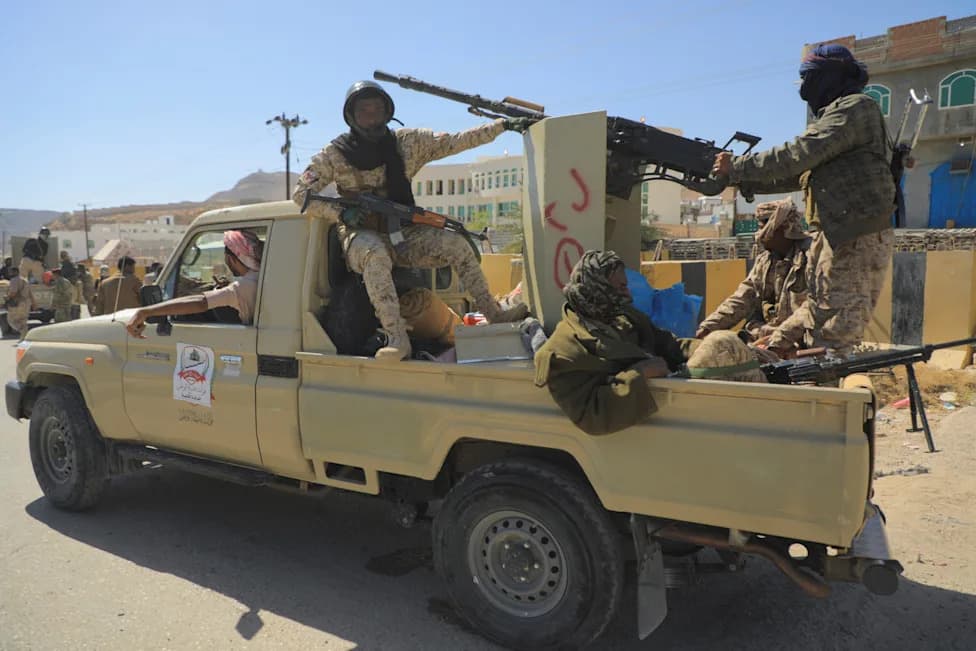
A member of the Saudi-backed Yemeni government forces, including National Army and Taiz Axis forces, mans a turret mounted on the back of a pick-up truck at a checkpoint along the Kadha front line west of Taiz in western Yemen [AFP]
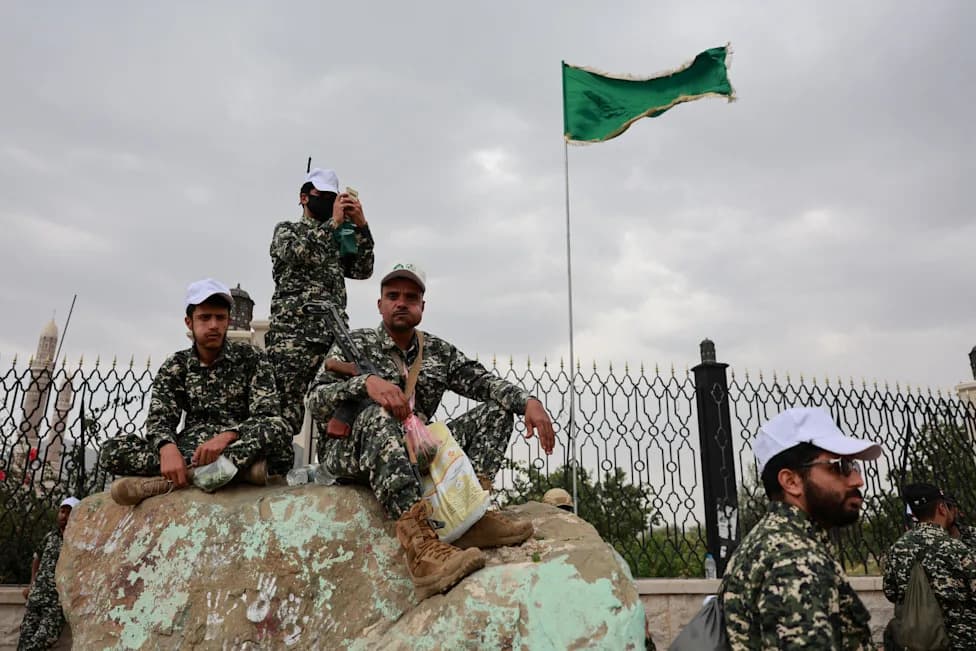
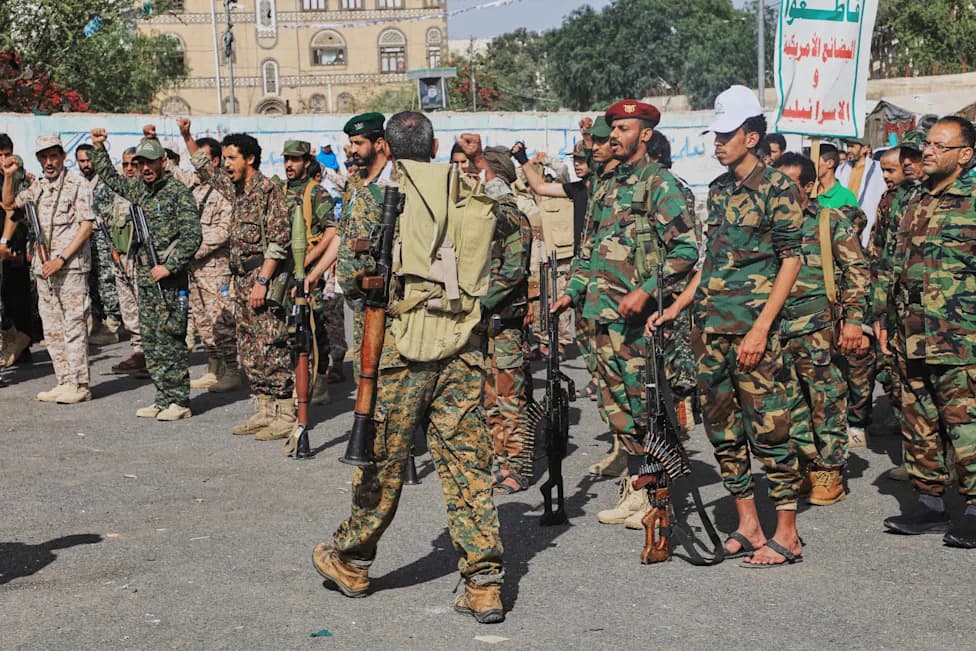
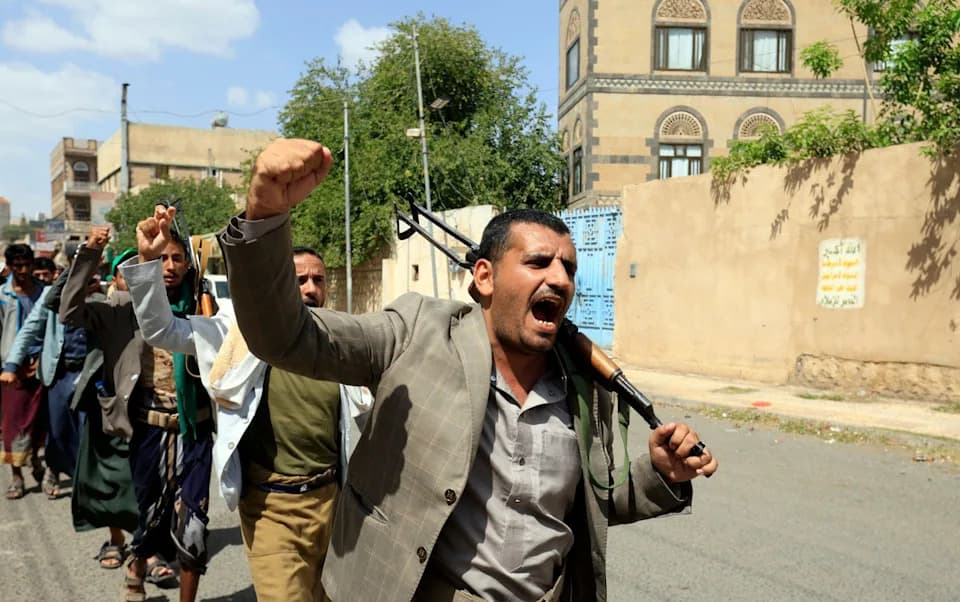
Yemeni government forces have intensified air strikes to blunt recent battlefield gains by the Iran-backed Houthi movement. Over the past week fighting has concentrated on Marib and western Taiz, two areas whose control could shape the conflict's military, political and humanitarian trajectory.
Why Marib Matters
Marib is the government's last major northern stronghold and hosts Yemen's largest oil and gas fields. Analysts warn that if the Houthis capture Marib they would gain critical energy infrastructure and a significant source of revenue, shifting both battlefield momentum and bargaining power in any future negotiations.
"Dominating Marib's oil and gas resources has been a Houthi goal for more than a decade. Without facing a crushing defeat in Marib, they would keep fighting to achieve that goal,"— Saddam al-Huraibi, Yemeni political commentator.
Marib also sits on the most direct road linking northern Yemen to Shabwa and to southern governorates that front the Gulf of Aden and the Arabian Sea. A Houthi victory would therefore offer improved logistics and movement for forces operating between north and south.
Taiz: Strategic Bridge And Symbol
Taiz governorate forms a geographic bridge between Houthi-held areas in the north and government-held territories in the south and along the Red Sea coast. Control of Taiz helps secure land routes for weapons, supplies and personnel bound for Aden and other southern ports. The city of Taiz is also one of Yemen's largest population centers and has symbolic political weight as a longstanding center of resistance to the Houthis.
Fierce clashes have been reported along Taiz's western coast, where government forces—backed by Saudi air support—reportedly launched a counteroffensive after ceding ground. A Yemeni army video released Monday purports to show Houthi positions and vehicles being struck in the area.
Humanitarian Toll
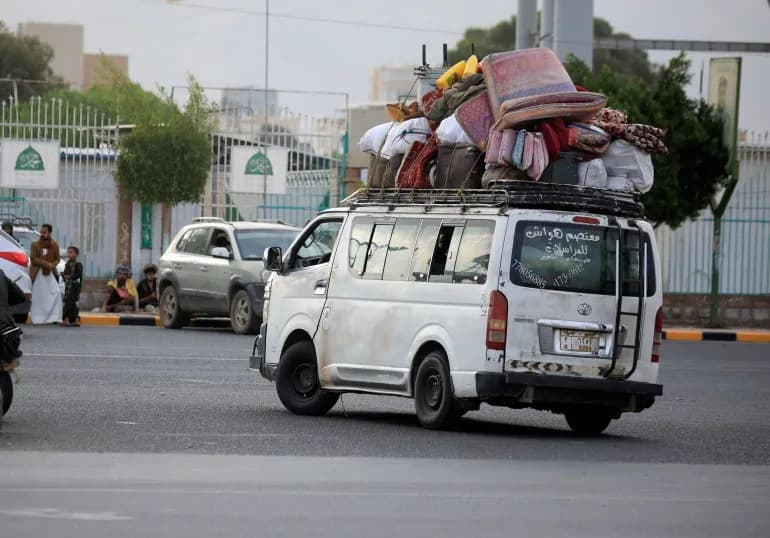
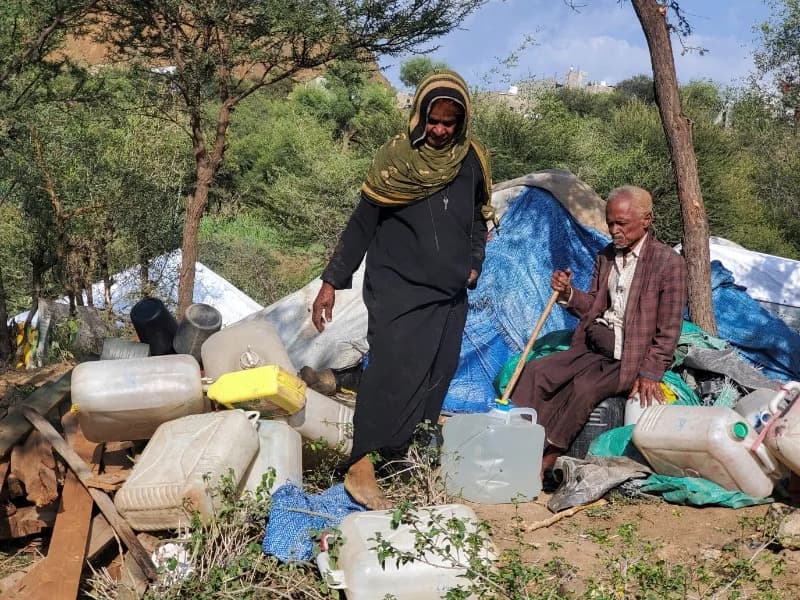
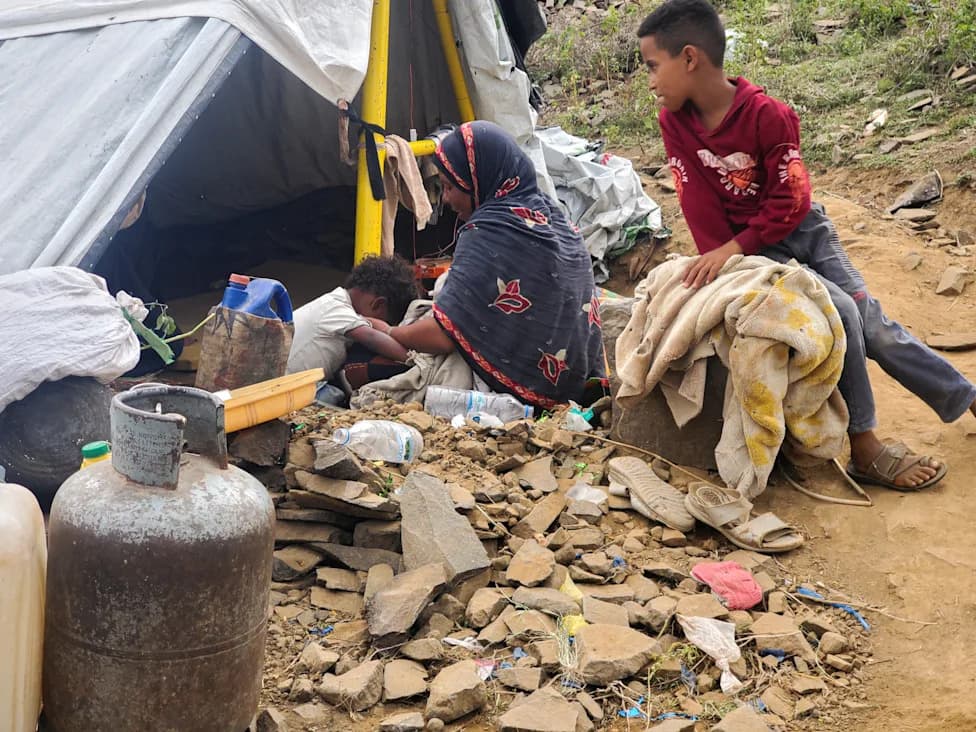
Civilians are trapped amid the fighting. The International Organization for Migration (IOM) reports that more than 85,000 people have been displaced since the beginning of September, and over 2,000 have fled to Djibouti's northern shores. IOM data for 2023 indicate nearly 2.8 million internally displaced people in Yemen, with roughly 58 percent hosted in Marib.
Regional And Global Stakes
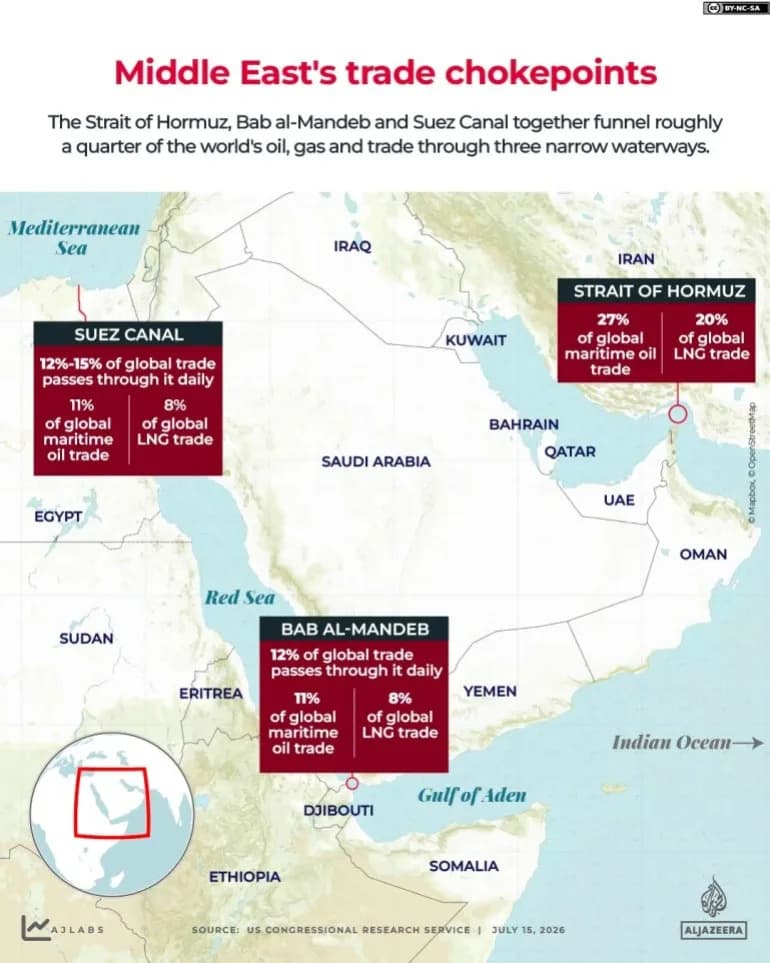
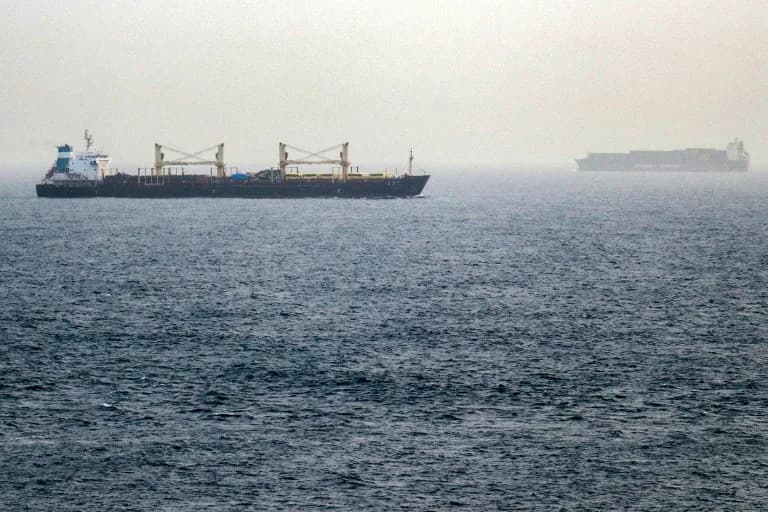
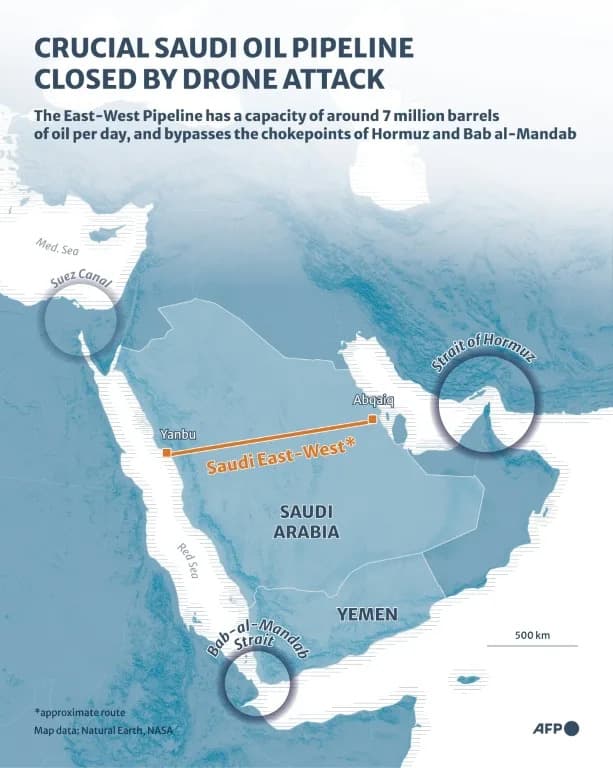
Control of Yemen's western coast and approaches to the Bab al-Mandeb strait has implications far beyond the country. The Bab al-Mandeb is a critical chokepoint linking the Red Sea and the Gulf of Aden; before the latest escalation roughly 12 percent of global trade transited the strait. In recent days the Houthis have seized much of Yemen's Red Sea coastline, including Mayyun (Perim) Island in the strait.
"The Houthis seek to move closer to this vital waterway to threaten maritime traffic... This is a strategy Tehran has been pursuing for years,"— Fuad Mussed, Yemeni analyst and author.
Such moves are a serious concern for regional powers, especially Saudi Arabia, which relies increasingly on the Red Sea route to export oil while bypassing the Strait of Hormuz. Analysts say a Houthi victory in Marib or a deeper foothold along the Red Sea coast would provide both practical leverage and a powerful propaganda narrative for the rebel movement.
What To Watch Next
Expect intense ground battles around Marib and western Taiz in the coming days. Observers will monitor whether government forces can hold supply lines, how many civilians are newly displaced, and whether the Houthis consolidate control of coastal approaches to the Bab al-Mandeb—moves that could reverberate across regional security and global trade routes.
Help us improve.