Geneva talks reopened between the DRC and Rwanda more than a year after a Washington framework aimed at reducing their confrontation, but violence continues in eastern Congo. The dispute centers on the FDLR insurgency, Rwanda's security concerns and M23's territorial gains, including Goma's capture in January 2025. Parallel Geneva and Qatar-led tracks complicate a comprehensive settlement; civilians demand concrete, verifiable measures that reduce fighting, displacement and threats to sovereignty.
Geneva Talks Aim To Break Cycle Of War In Eastern Congo — Civilians Say The Guns Haven't Fallen Silent
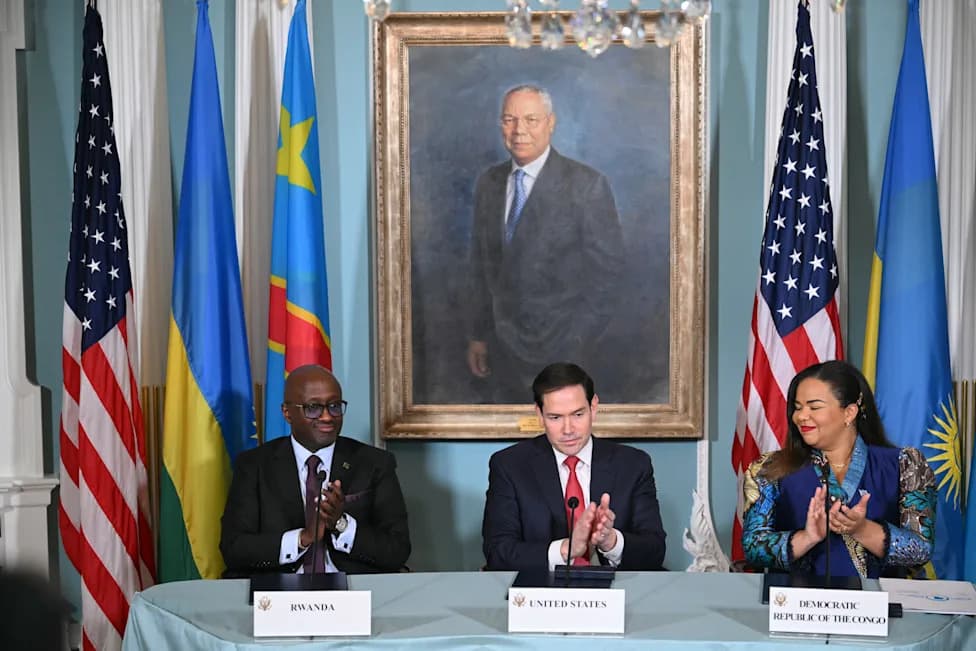
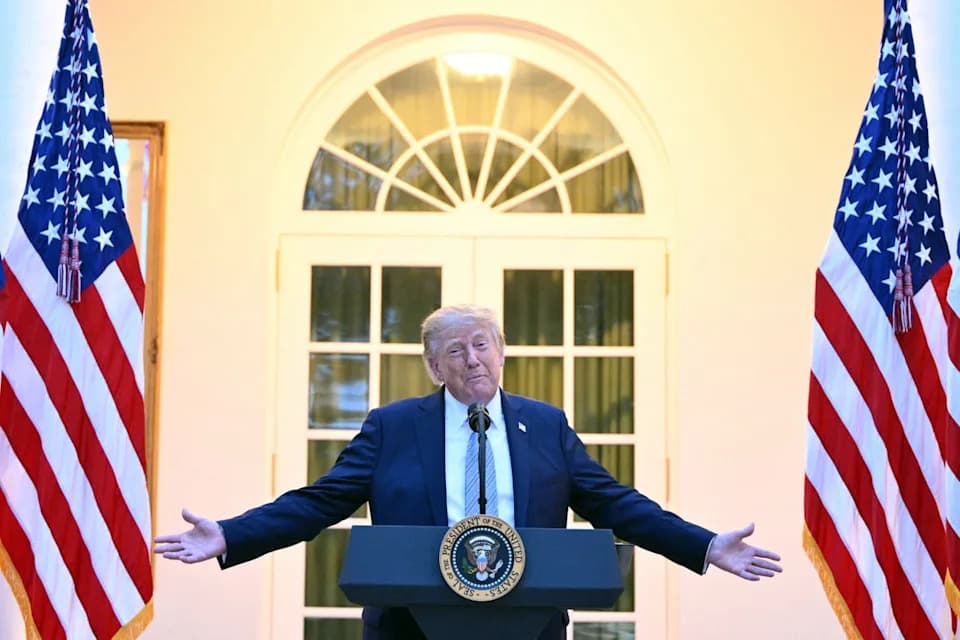
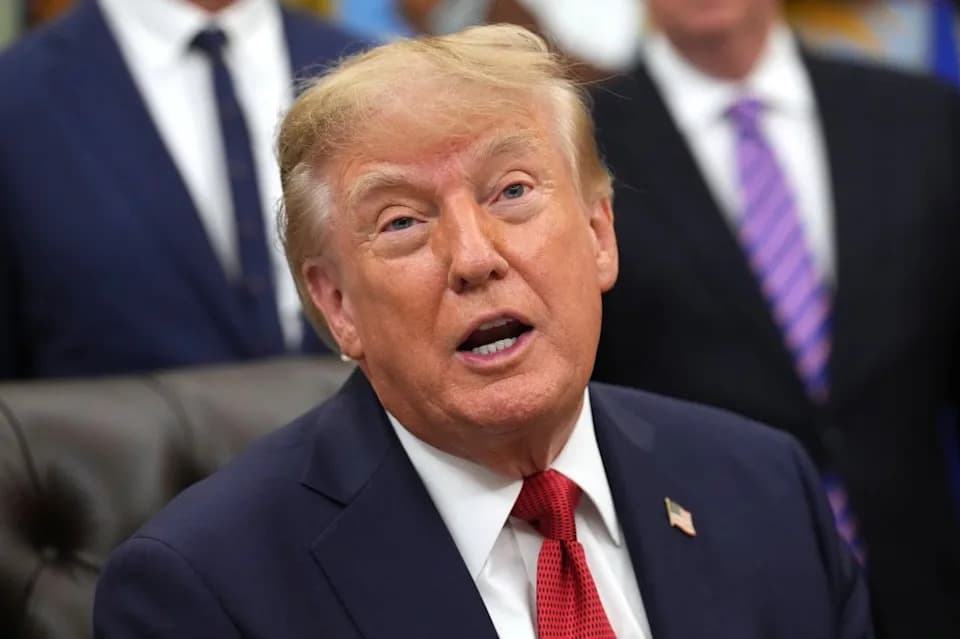
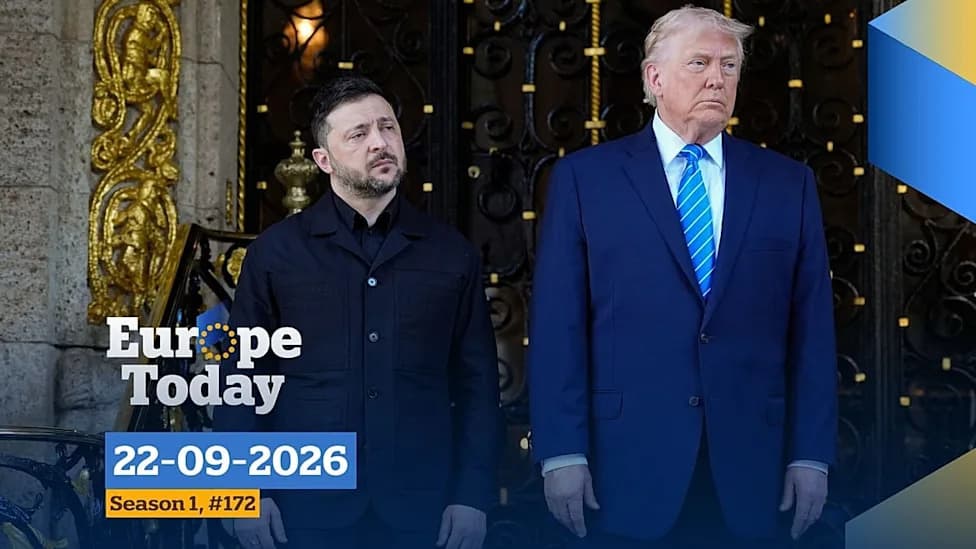
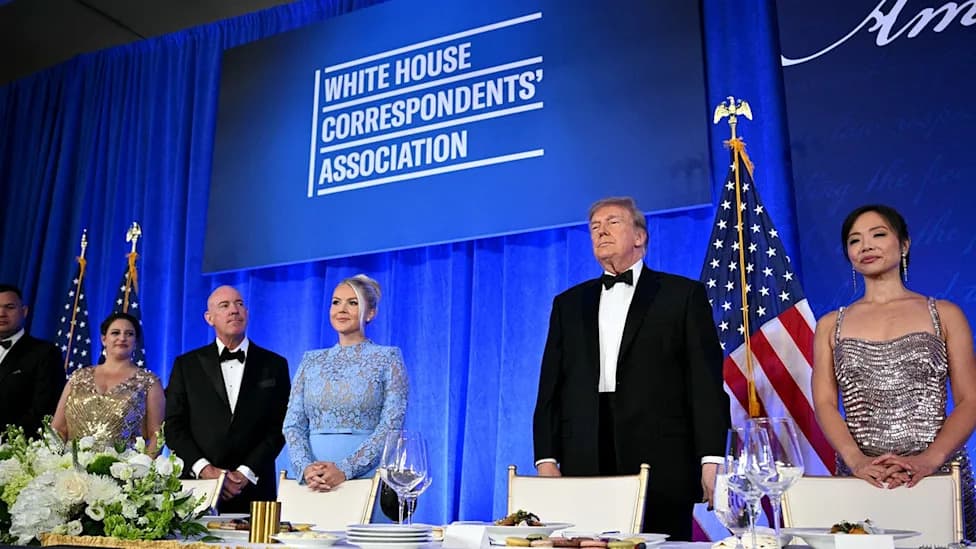
The Washington peace deal between Rwanda and the Democratic Republic of the Congo will face a key test in Geneva on September 16-17, as the two sides return to talks on its implementation [Mandel Ngan/AFP]
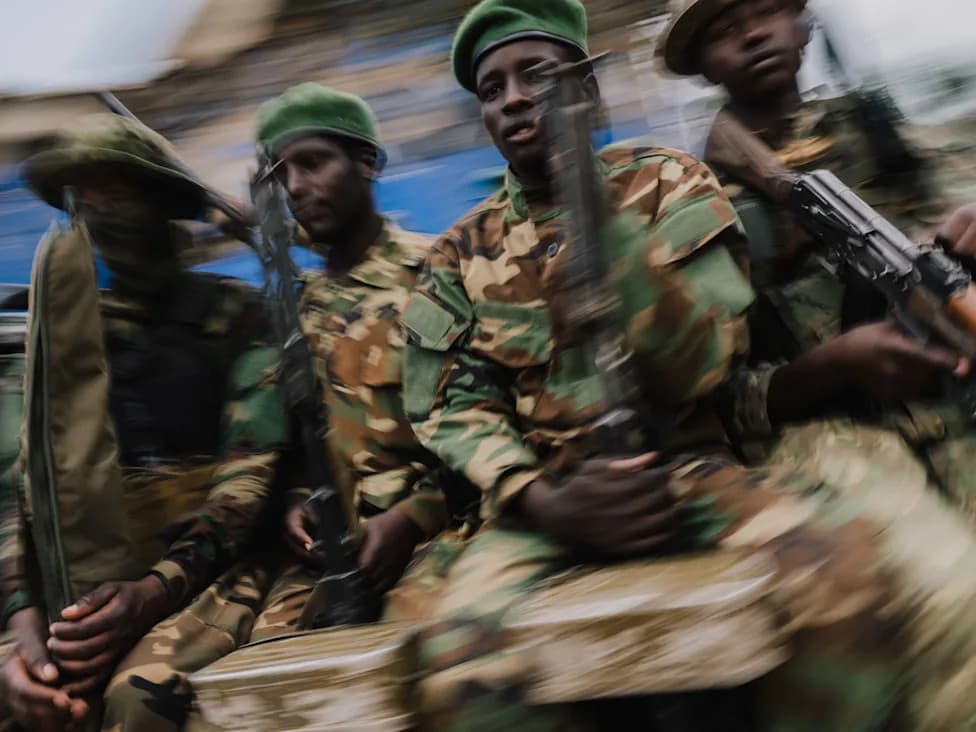
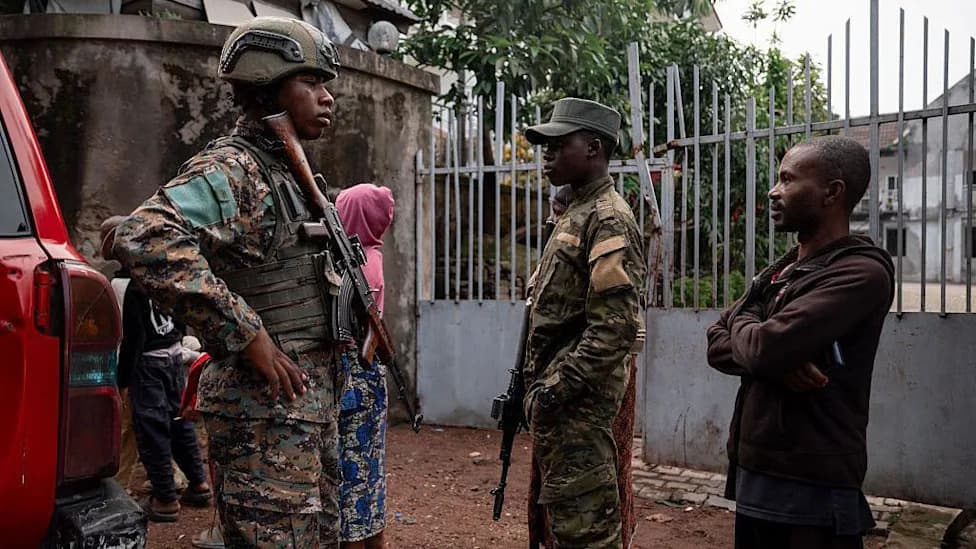
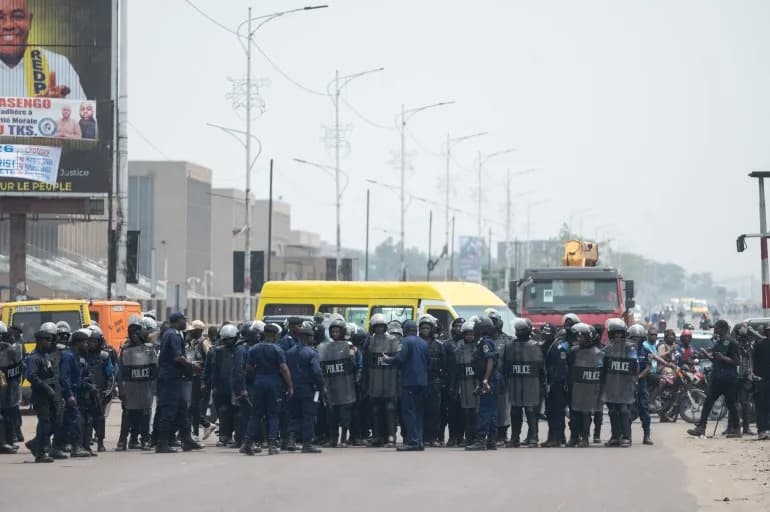
More than a year after the Democratic Republic of the Congo (DRC) and Rwanda adopted a Washington-backed framework to de-escalate their confrontation, delegations from both countries have returned to the negotiating table in Geneva. Yet across North and South Kivu the fighting continues, and residents say diplomacy will count only if it delivers concrete security and relief on the ground.
What Is At Stake
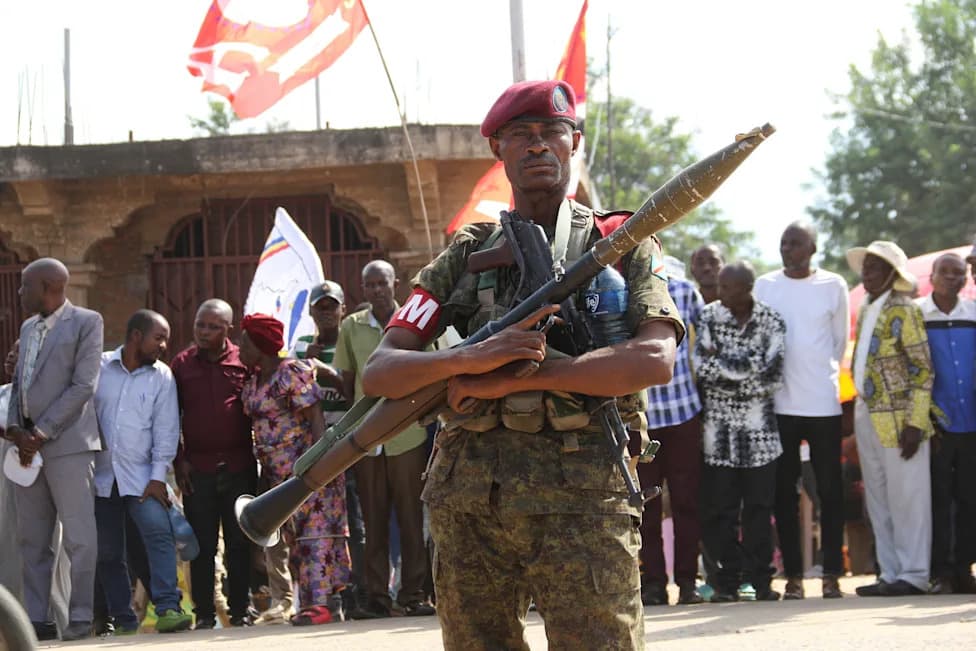
The core disputes center on the Democratic Forces for the Liberation of Rwanda (FDLR), Rwanda's stated security operations near its border, and the M23 rebellion's territorial gains — most notably the capture of Goma in January 2025 and later Bukavu. Those dynamics are entwined: M23's battlefield control shapes Kinshasa's response, and Kinshasa's military posture affects security along Rwanda's border.
Two Diplomatic Tracks, One Conflict
The Geneva talks focus on the confrontation between Kinshasa and Kigali, while a separate, Qatar-mediated track involves the Congo River Alliance (AFC) — the political umbrella for M23. Although institutionally distinct, the tracks overlap in practice: progress on one can influence the other, for better or worse.
Positions And Points Of Friction
Kigali insists the FDLR — formed after the 1994 genocide when elements of Rwanda's former army fled into eastern DRC — remains a direct security threat and that the Washington framework's neutralisation measures are insufficient. President Paul Kagame has publicly expressed scepticism about the pace and effectiveness of demobilisation.
The DRC government says it is implementing demobilisation steps under the Washington framework. Patrick Muyaya, Kinshasa's minister of information, has rejected Kigali's assessment and accused Rwanda of harbouring expansionist ambitions in eastern Congo.
"People are still waiting for the real benefits of peace... Fields continue to be ravaged in the east, and further displacement is still being reported," said Josue Akuzwe Walayi, a pro-democracy activist in Kinshasa.
Verification, Ceasefires And Civilian Impact
An independent and trusted verification mechanism is central to any durable ceasefire. Disputed incidents — such as AFC-M23's allegation that a humanitarian aircraft was shot down on 27 August — can rapidly become sources of new confrontation if there is no reliable way to establish facts. The DRC army declined to comment on that allegation when contacted.
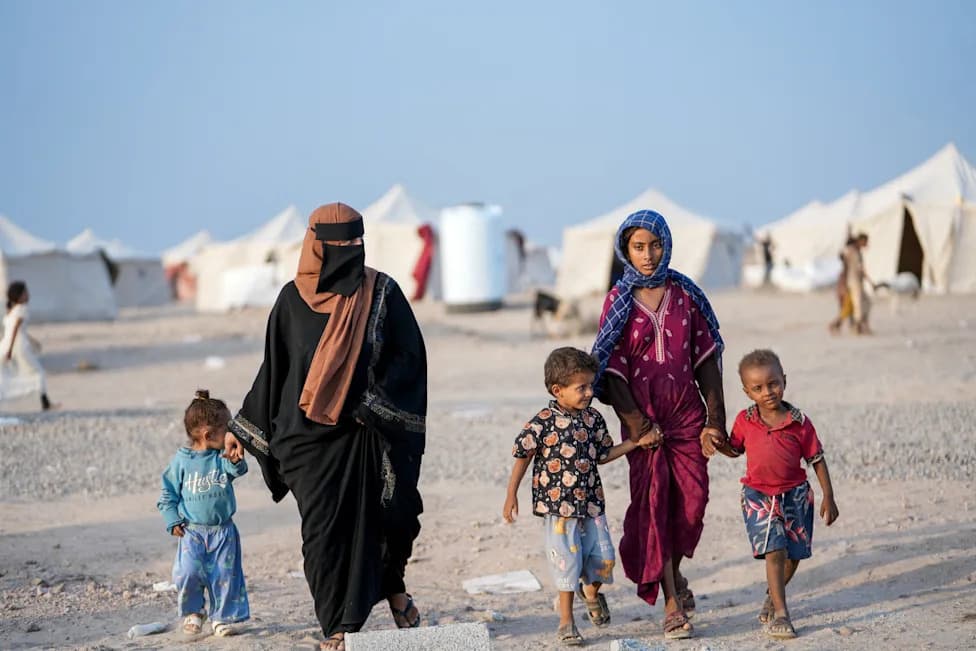
For civilians across eastern DRC, the stakes are immediate: reduced violence, safe access to fields and markets, and an end to repeated displacement. Activists and residents judge talks by whether commitments are concrete, implementable and verifiable — not by the prominence of mediators or the venues where they meet.
Can Geneva Make A Difference?
Geneva will not erase decades of mistrust overnight. But negotiators can make a tangible difference if they produce: clear timelines and mechanisms to neutralise the FDLR, verifiable guarantees addressing Rwanda's security concerns, and firm commitments to respect Congolese sovereignty and withdraw any foreign forces that are present. Equally important is ensuring that progress on one diplomatic track does not undermine the other.
"We have high hopes for this meeting... We believe this is an opportunity for the people of Congo and Rwanda to speak with one voice and silence the guns by mutual agreement," said Sadiki Bitha, a Goma resident who witnessed the city's capture in January 2025.
Until those pledges translate into fewer attacks, safer livelihoods and durable returns for displaced families, many in eastern Congo will remain sceptical. The Geneva talks matter — but their success will be judged on whether the guns finally fall silent.
Help us improve.