Police fired tear gas and detained at least 10 people as hundreds protested in Kinshasa and other cities against proposed constitutional changes that critics say could let President Felix Tshisekedi seek a third term. The demonstrations, organised by the C64 opposition coalition, come amid the DRC's worsening Ebola outbreak and renewed fighting in the east. Kinshasa accuses Rwanda of backing M23 rebels, and DRC and Rwandan officials are due to meet in Geneva on September 16–17 to advance the 2025 Washington Accords.
DR Congo Police Use Tear Gas as Nationwide Protests Oppose Proposed Constitutional Change
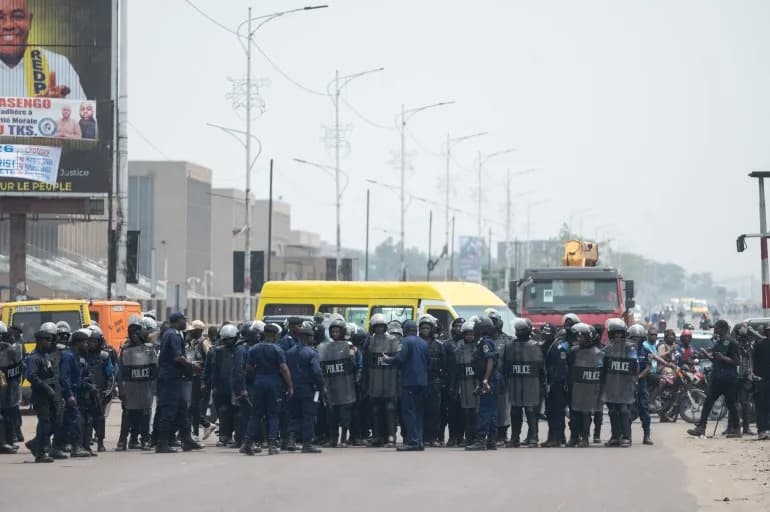
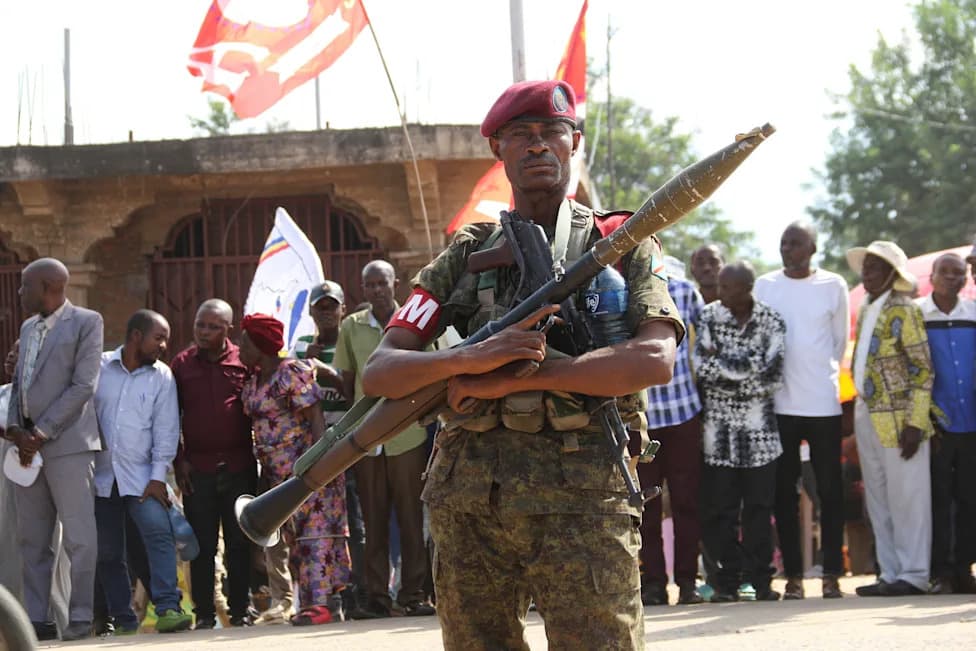
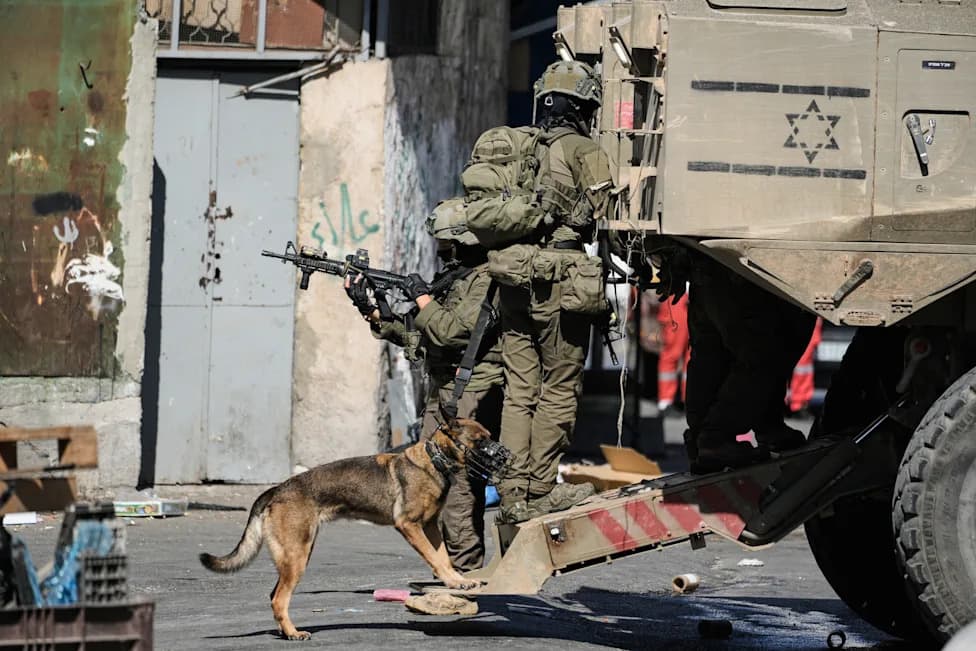
Security forces take position ahead of a protest organised by opposition parties against constitutional changes proposed by President Felix Tshisekedi, in Kinshasa, DR Congo, September 15, 2026 [Samy Ntumba Shambuyi]
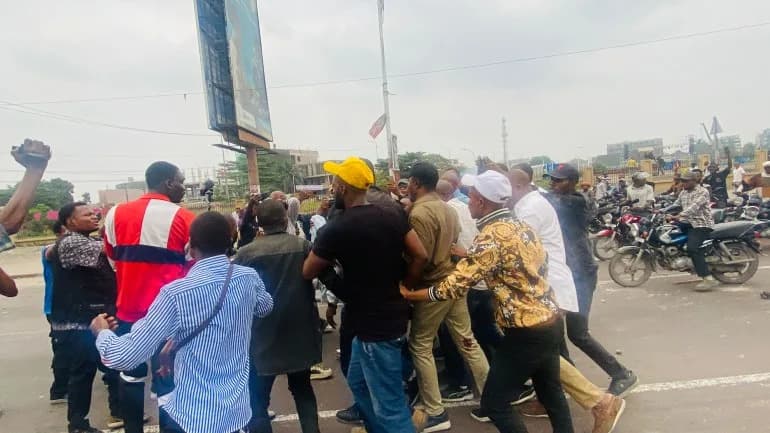
Police in the Democratic Republic of the Congo fired tear gas and moved against demonstrators in Kinshasa on Tuesday as hundreds rallied against proposed constitutional amendments that critics say could pave the way for President Felix Tshisekedi to seek a third term.
Clashes and Arrests
Authorities arrested at least 10 people during confrontations in the capital, and demonstrations were also reported in Lubumbashi — a major southeastern mining hub — and Uvira despite restrictions imposed by local officials. Witnesses and opposition organisers described a heavy security presence across key thoroughfares.
"Many of our activists were unfortunately and arbitrarily arrested," Mohamed Eyenga, a senior figure in the C64 coalition and member of the Envol opposition party, told AFP. He added organisers were surprised by the deployment of army and police to prevent what they called peaceful protests.
Provincial police commander General Blaise Kilimbalimba disputed that account, saying security services had not arrested peaceful participants. Security forces were positioned across the city ahead of the demonstrations to control movement and prevent clashes from spreading.
Constitutional Fight and Political Context
Under the current constitution, the presidency is limited to two five-year terms. In June, parliament adopted a bill allowing constitutional changes to be put to a referendum, and members of President Tshisekedi's coalition have backed amendments critics say could enable him to remain in office beyond the existing limit. Opposition parties and the influential Catholic Church have condemned the proposal as a threat to democratic safeguards.
The nationwide protests were part of a day of action organised by the C64 coalition, an alliance of opposition parties formed specifically to block what they describe as an attempt by Tshisekedi to alter term limits.
Security, Rebels and Regional Diplomacy
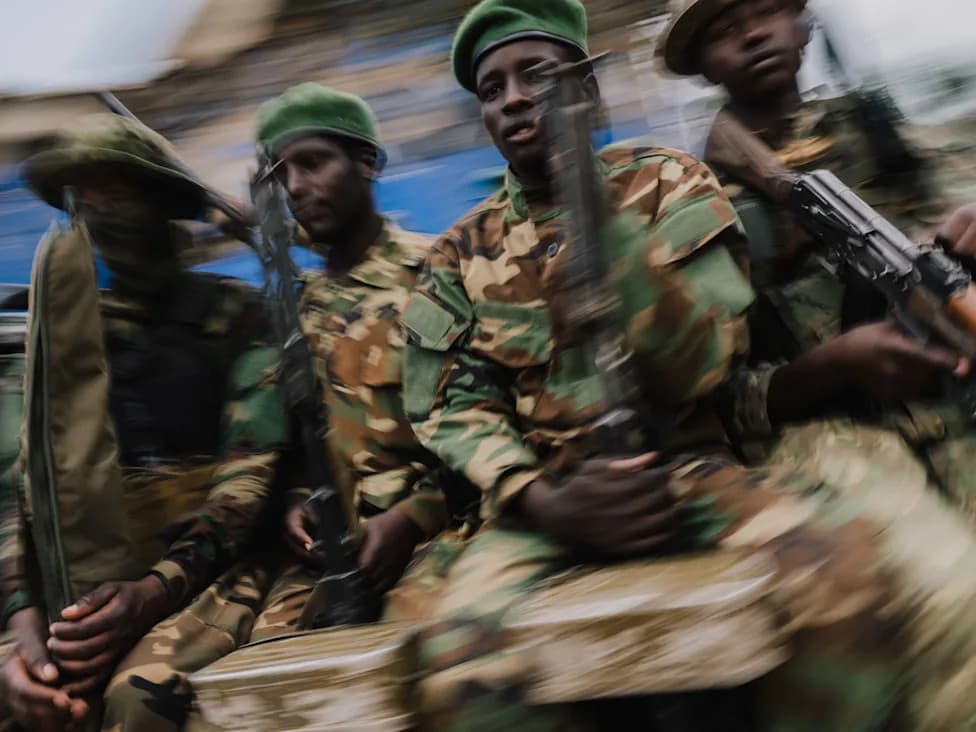
The demonstrations come three weeks after President Tshisekedi announced plans for a national dialogue to bring together opposition parties, civil society groups and religious leaders. The planned forum would exclude the M23 and other rebel groups that control parts of eastern DRC — a region where fighting over resource-rich territory has persisted for decades and flared again in 2024.
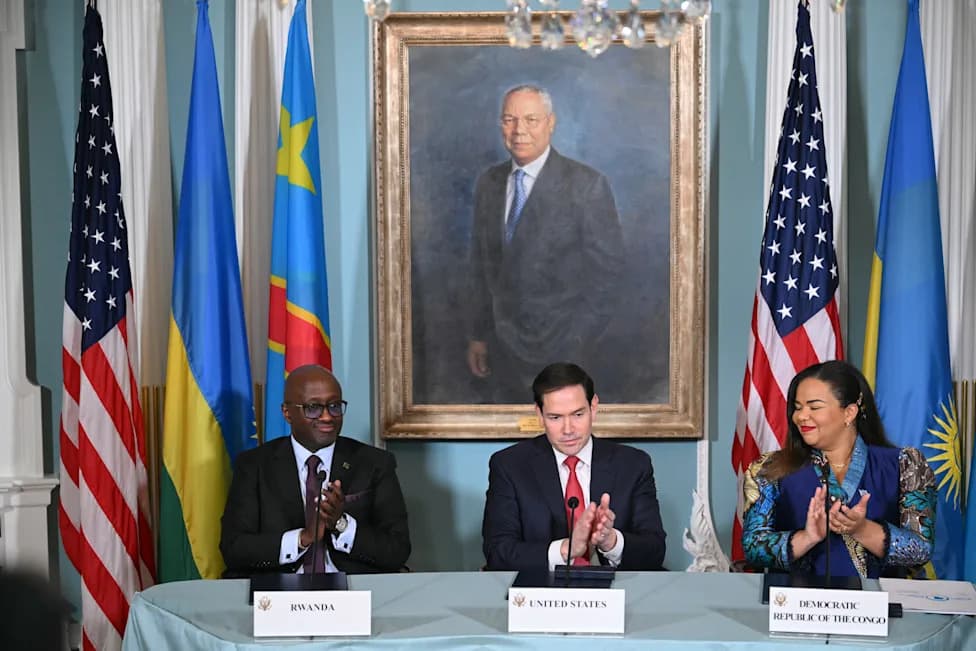
Kinshasa accuses neighbouring Rwanda of supporting the M23 rebel movement, an allegation denied by Kigali. Officials from the DRC and Rwanda are due to reconvene in Geneva on September 16–17 to press implementation of the 2025 Washington Accords, but key commitments under a fragile peace process remain unresolved.
Humanitarian Impact: Ebola and Access Challenges
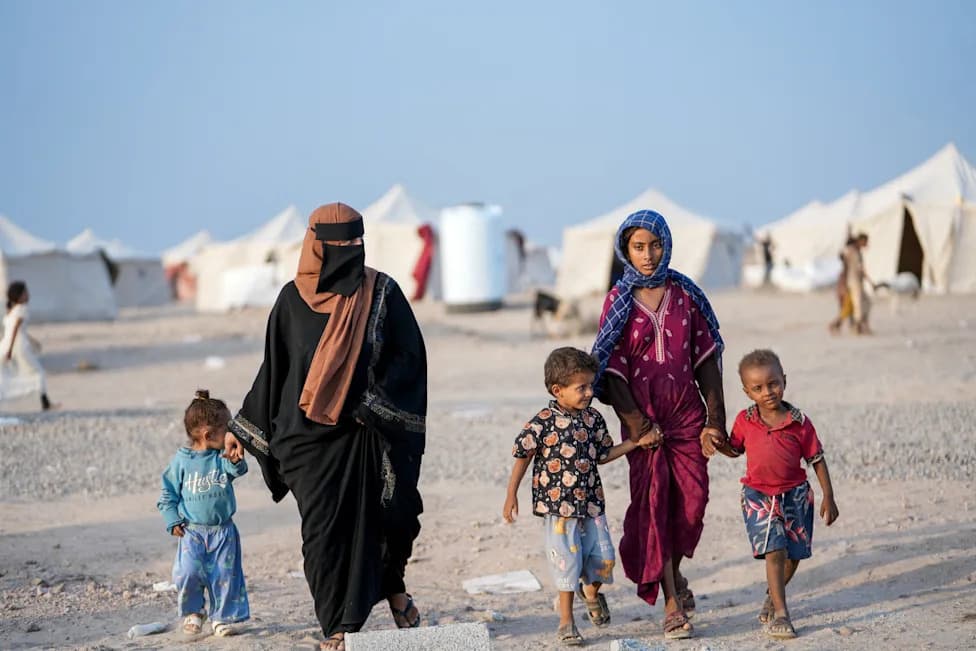
Security concerns have complicated the DRC's effort to contain an escalating Ebola outbreak, now described as the world's worst on record. The disease has spread through remote eastern and northern areas where armed groups operate, state authority is limited and health infrastructure is weak, hindering response teams.
The protests, the constitutional dispute and persistent conflict together deepen political and humanitarian strains across the country.
Help us improve.