The DRC and Rwanda will meet in Geneva on 16–17 September under the Joint Security Coordination Mechanism to review implementation of the 2025 Washington Accords. Key unresolved issues are the neutralisation of the FDLR and Rwanda’s disengagement and lifting of defensive measures, while fighting persists in North and South Kivu. The process is linked to a separate Qatar-led dialogue with M23 and the Doha Framework signed in November 2025. Mediators from the US, Qatar, Togo and the African Union will push for concrete verification and implementation steps.
Geneva Talks Put Washington Peace Deal to the Test as DRC and Rwanda Clash Over FDLR and Border Forces
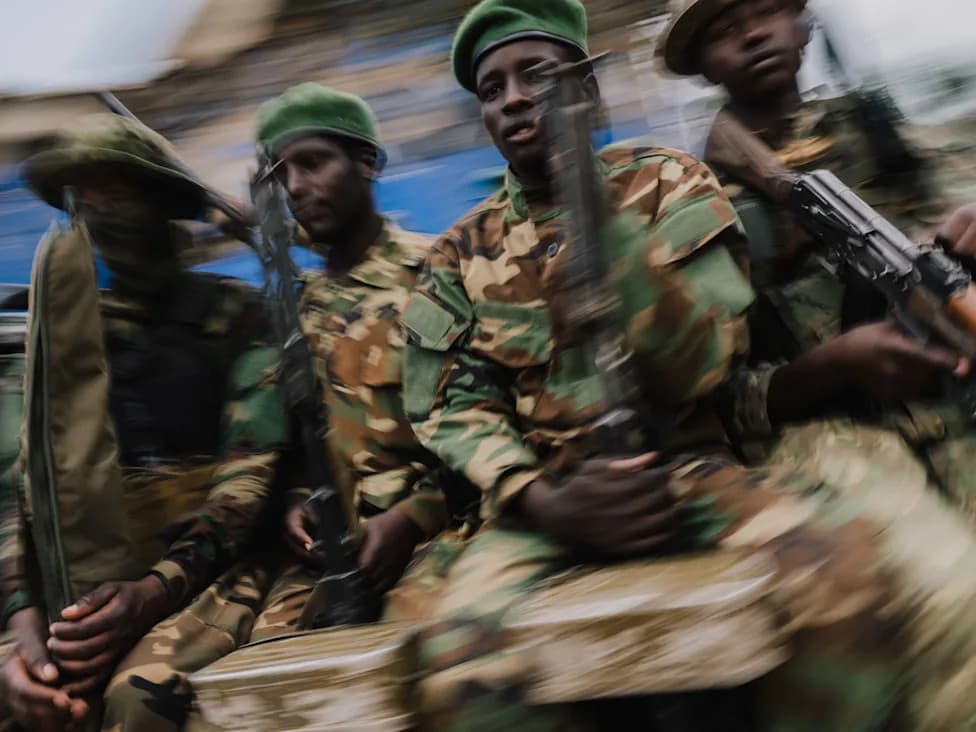
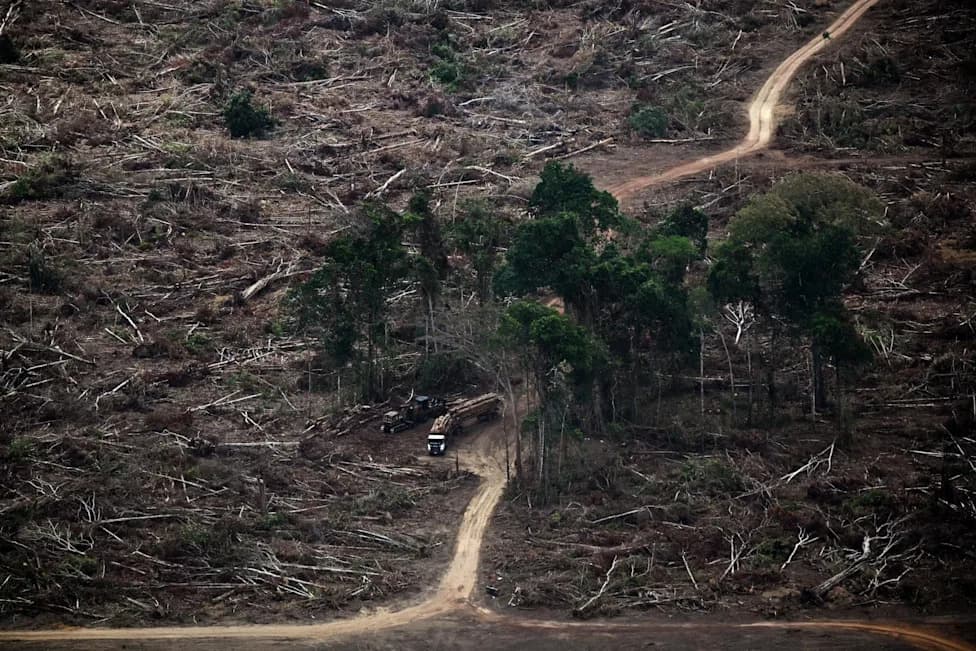
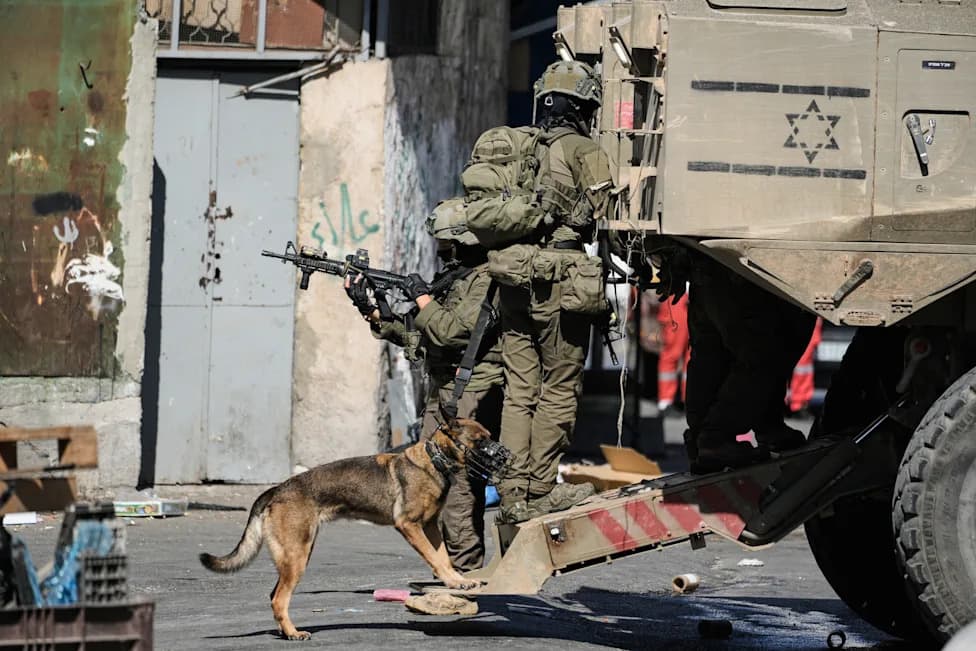
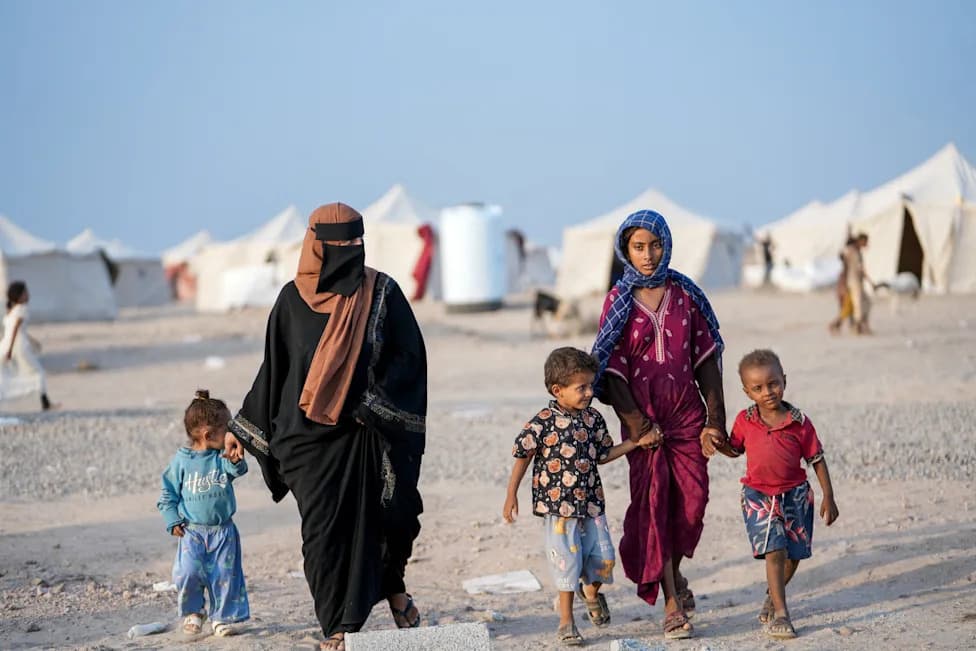
The Geneva talks will test whether Rwanda and the DRC can make progress on key security commitments under their US-backed peace deal as fighting continues in the eastern DRC [Hugh Kinsella Cunningham/Getty Images]
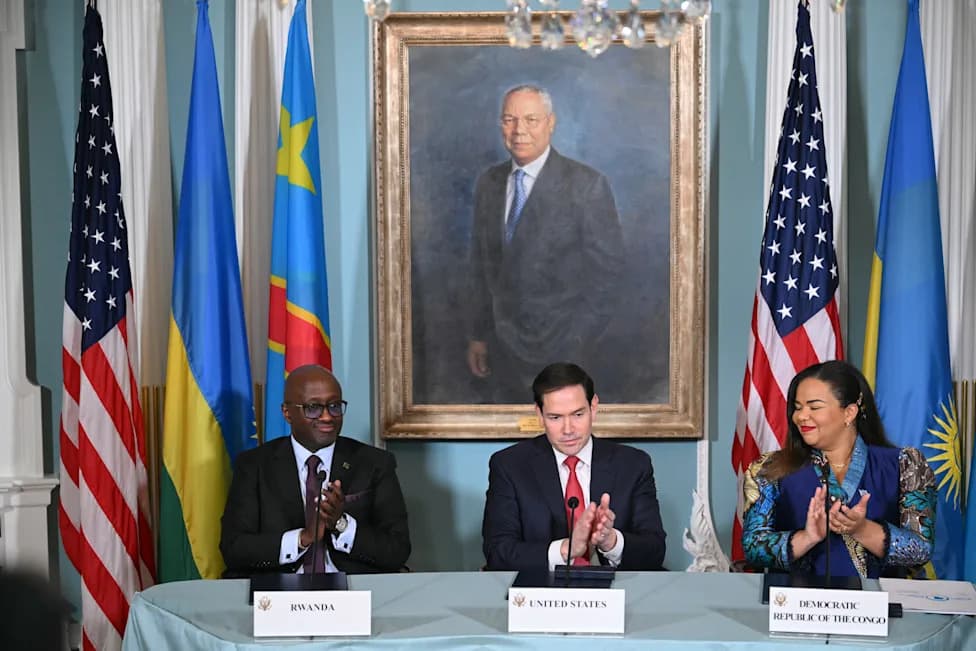
Delegations from the Democratic Republic of the Congo (DRC) and Rwanda will meet in Geneva on 16–17 September under the Joint Security Coordination Mechanism (JSCM) to review progress on implementing the 2025 Washington Accords. Mediators from the United States, Qatar, Togo and the African Union Commission will press both sides to resolve outstanding security commitments as violence continues in eastern DRC.
Why This Meeting Matters
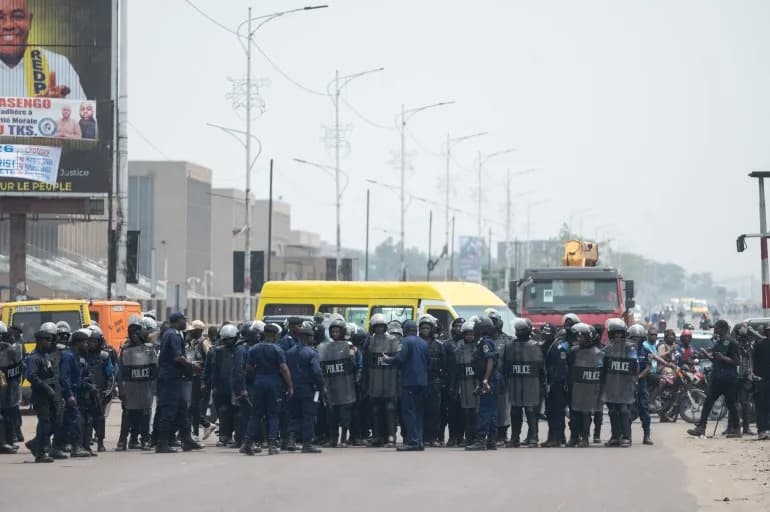
The JSCM was created to monitor and coordinate implementation of security commitments between Kinshasa and Kigali. The Geneva session comes amid ongoing clashes in North and South Kivu and deep mistrust between the two capitals over support for armed groups operating along their shared border.
Core Disputes
Two unresolved commitments loom over the talks:
- Neutralisation of the FDLR: The DRC is obliged under the Washington Accords to neutralise the Democratic Forces for the Liberation of Rwanda (FDLR), a long-standing armed group active in eastern DRC with roots in forces that fled Rwanda after the 1994 genocide.
- Rwanda’s Disengagement: Rwanda is expected to disengage its forces and lift defensive measures along the border as part of reciprocal security arrangements.
Recent Developments
At their sixth JSCM meeting in Geneva on 12–13 August, the parties agreed to advance two field monitoring and verification initiatives and asked the United States to review and respond at the next session. The DRC also presented a Disarmament, Demobilisation and Reintegration (DDR) plan for the FDLR and answered follow-up questions from JSCM members.
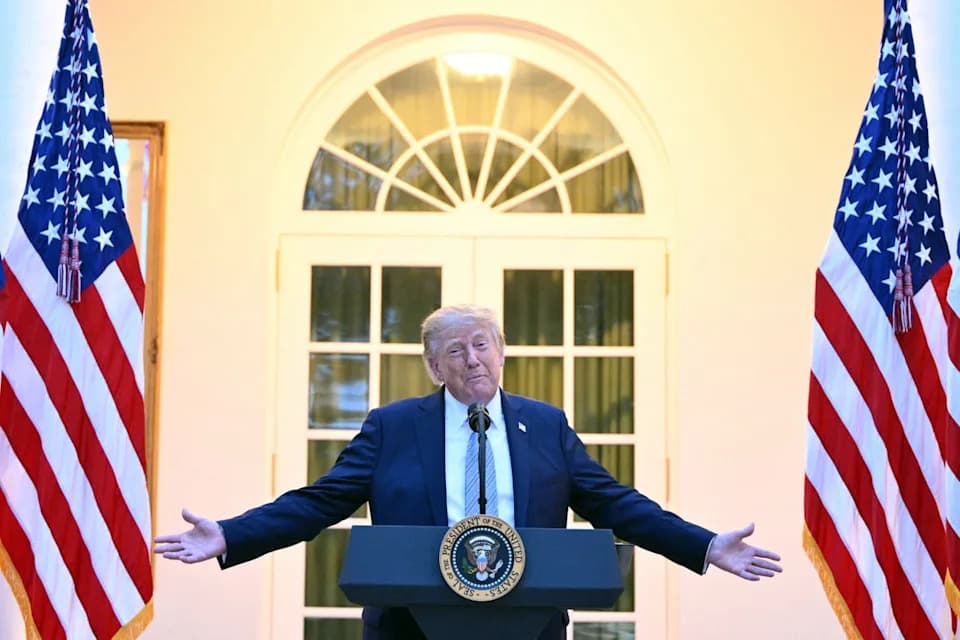
"The Washington Accords reaffirm the parties' commitment to implement the Peace Agreement between the DRC and Rwanda, agreed to in Washington, June 2025, and achieve the vision of the Regional Economic Integration Framework, to create a bold roadmap for peace, security, and unprecedented economic growth," a U.S. Department of State spokesperson said.
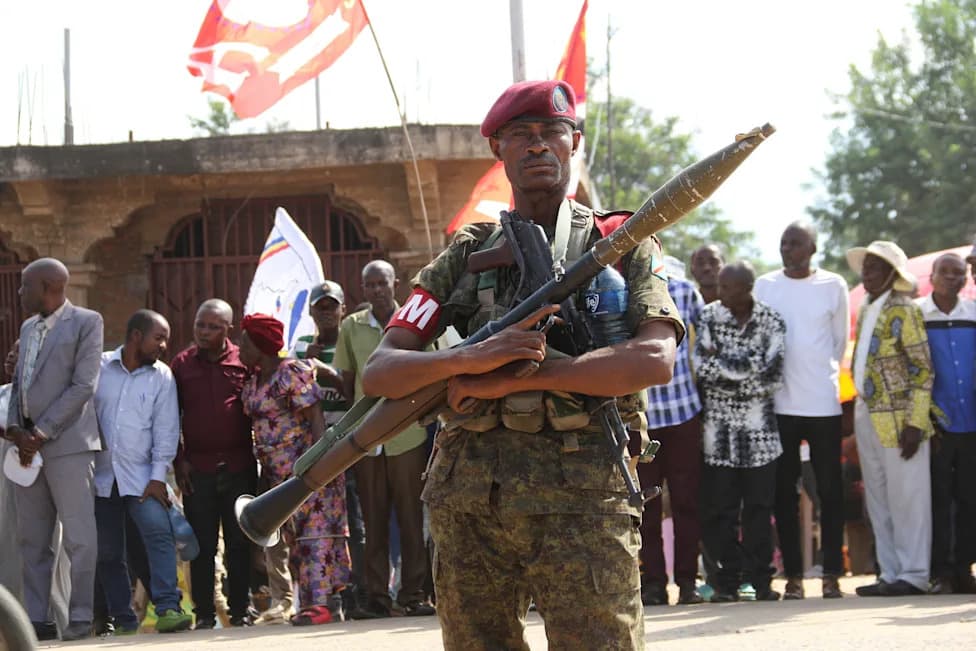
Despite diplomatic efforts, fighting has continued. Security Council Report noted ongoing clashes between the Congolese Armed Forces (FARDC) and the M23 rebel group in North and South Kivu and said two central obligations under the Washington process—the neutralisation of the FDLR and Rwanda’s lifting of defensive measures—have not been declared complete.
M23, the Doha Track and Regional Implications
Although M23 is not a signatory to the Washington agreement, the US-backed process requires Rwanda and the DRC to support a separate, Qatar-led dialogue between Kinshasa and M23. That track produced the Doha Framework for Peace, signed by the Congolese government and the Congo River Alliance (AFC/M23) in Doha on 15 November 2025. M23 resurfaced in 2022 and made significant territorial gains in 2025, including reported captures of the provincial capitals Goma and Bukavu, keeping the group central to regional security discussions.
Sticking Points and Prospects
Tension persists over how to treat the FDLR. On 28 July, the Congolese government said a faction of the FDLR signed a protocol on disarmament, demobilisation and cantonment, framing it as progress. Rwanda rejected that interpretation, insisting the accord requires the FDLR to be neutralised rather than negotiated with, and continues to accuse Kinshasa of supporting the group.
That disagreement is consequential: progress on neutralising the FDLR is tied to Rwanda’s willingness to disengage forces and lift defensive measures. The Geneva meeting will test whether mediators and the two parties can bridge differences and translate agreements into verifiable action on the ground.
What to watch for: agreement on verification mechanisms, clarity on the DRC’s DDR timetable for FDLR elements, Rwanda’s commitment and timeline for disengagement, and progress in the Doha track with M23.
Help us improve.