Hannah says she found stitches protruding weeks after a laparoscopy to remove endometriosis and was initially told the clinic had placed no sutures. After showing the removed thread to her doctor, she says he admitted, "I remember now, I did tear you and stitch you up." The incident has prompted debate online about consent, communication and infection prevention, with some viewers urging legal action and others disputing her reaction.
Patient Says She Found Stitches Weeks After Laparoscopy; Doctor Allegedly Later Admitted Repair
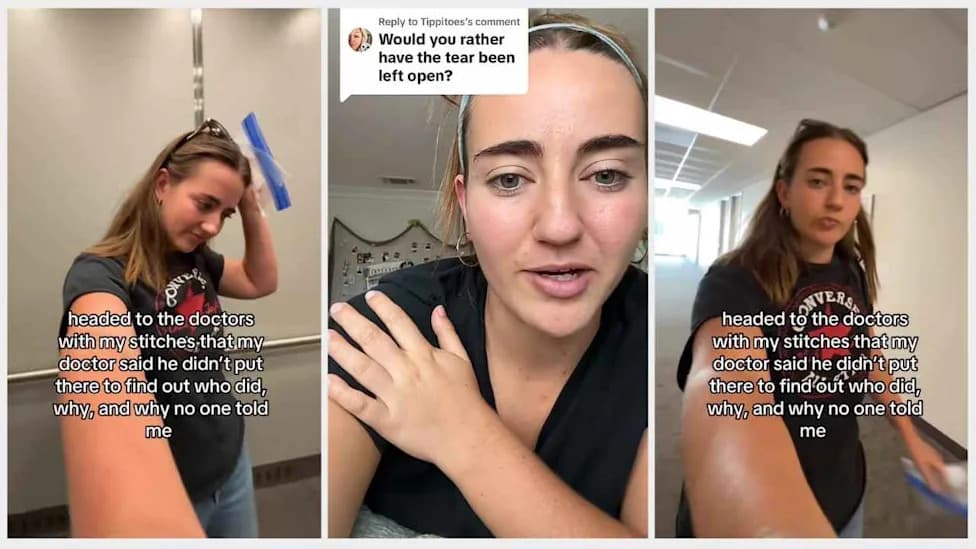
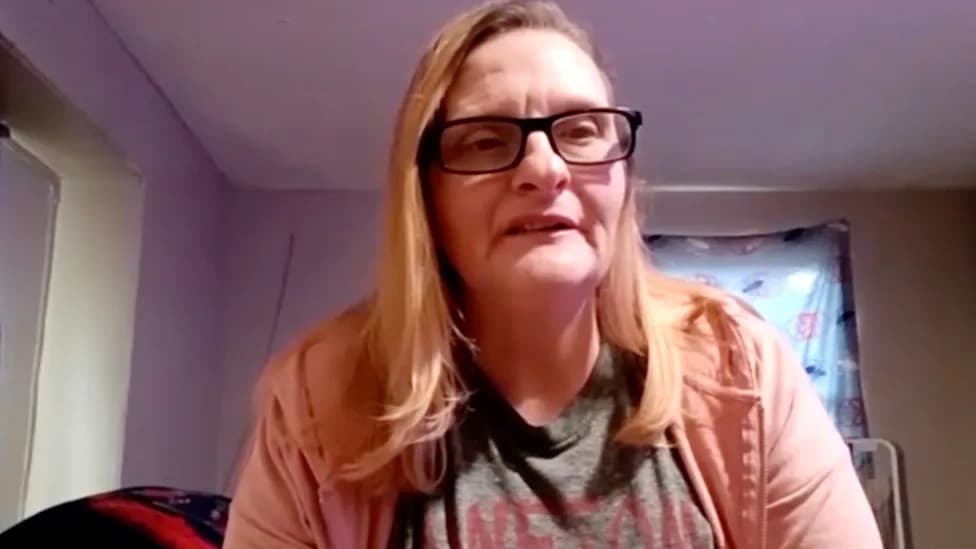
Image via madebyhannahmae/TikTok
A woman identified as Hannah says she discovered stitches protruding from inside her several weeks after a laparoscopy to remove endometriosis. She recorded her experience and posted it to TikTok, prompting wide online discussion about consent, communication and infection prevention.
What Happened
According to Hannah, about four weeks after her keyhole surgery she noticed thread emerging from inside her. She says the location of the stitches did not make sense given where the operation had been performed. When she called the surgeon’s office, she says the receptionist told her, "he didn't put a single stitch in you."
Hannah booked an urgent appointment to investigate and filmed herself at the clinic holding a clear plastic bag containing the removed thread. In a later post she appeared upset and confirmed the material was stitches: "I feel sick to my stomach."
Doctor's Response
Initially, staff reportedly denied the thread could be sutures. Hannah says that when she later showed the removed material to the doctor, he told her, "I remember now, I did tear you and stitch you up." Her main complaint is that she was not told about the additional repair, nor given any explanation for it.
Public Reaction And Concerns
TikTok responses were mixed. Many commenters sympathised with Hannah and raised concerns about patient consent, infection risk and proper post-operative communication. Others dismissed her reaction as dramatic, with some arguing that surgeons may need to repair tears during procedures without interrupting surgery to obtain fresh consent.
Hannah: "I'm not upset because I was torn and then stitched back up during surgery. The issue is nobody told me about it, and I was actually explicitly told that there were no stitches in my body."
Some viewers suggested Hannah consider legal action for possible medical malpractice; others focused on the importance of clear communication and infection-prevention practices following any surgical repair.
What This Story Highlights
The case highlights why patients and clinicians need clear communication about intraoperative findings and repairs, and why documentation and post-operative discussion are important for informed consent and safe aftercare.
(Featured image: madebyhannahmae, TikTok)
Help us improve.