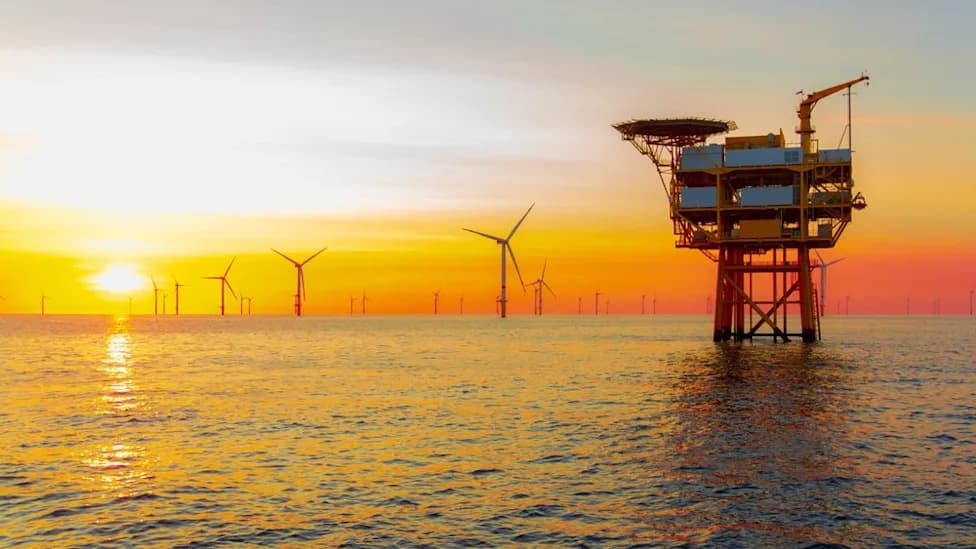
A German modeling study finds that the EU's planned North Sea offshore wind build-out could slow winds near 33 ft (≈10 m) by 4–7 mph and alter coastal rainfall. While precipitation directly over farms may increase by 12–18% due to vertical mixing, downwind rainfall could fall by about 10–15% in parts of Denmark, Germany and the Netherlands, and up to 8% in western Britain. Authors urge using these findings to inform siting, layout and technology choices rather than to halt renewable deployment.
Study: North Sea Offshore Wind Expansion Could Reduce Coastal Rainfall — What Policymakers Should Know
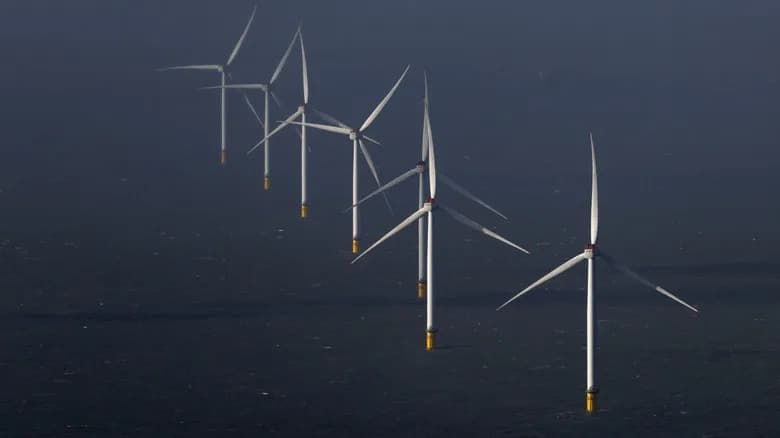
Dan Kitwood/Getty Images
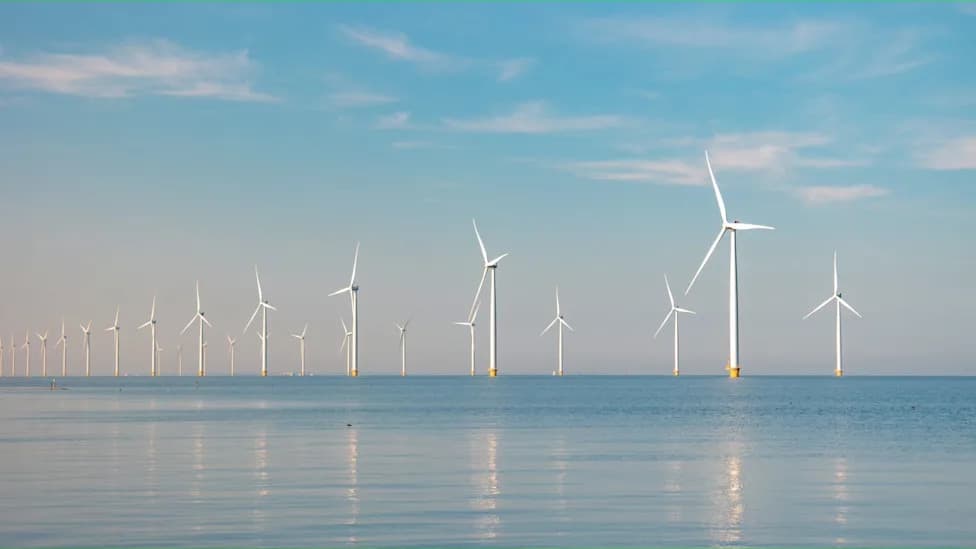
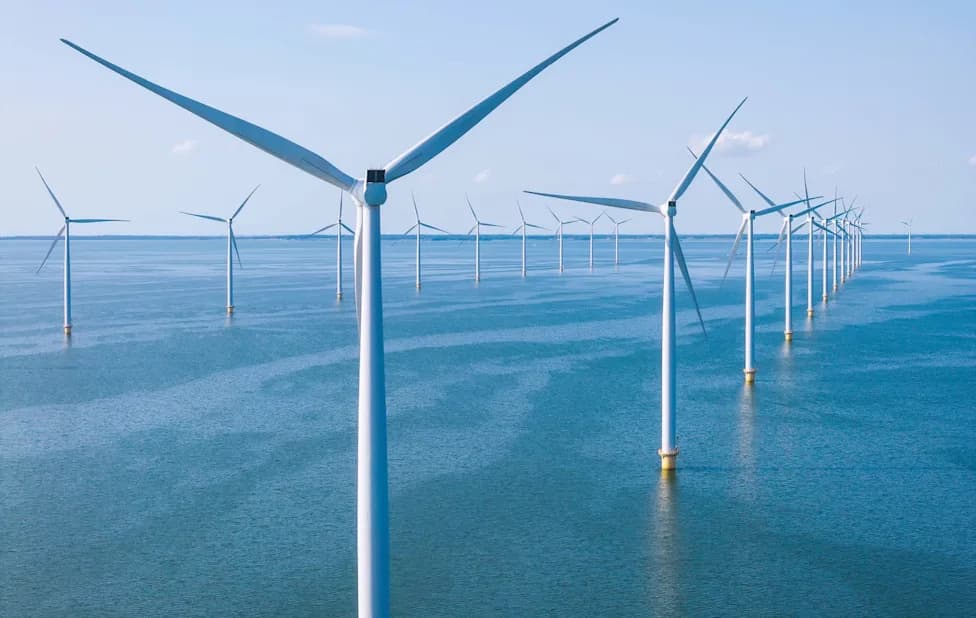
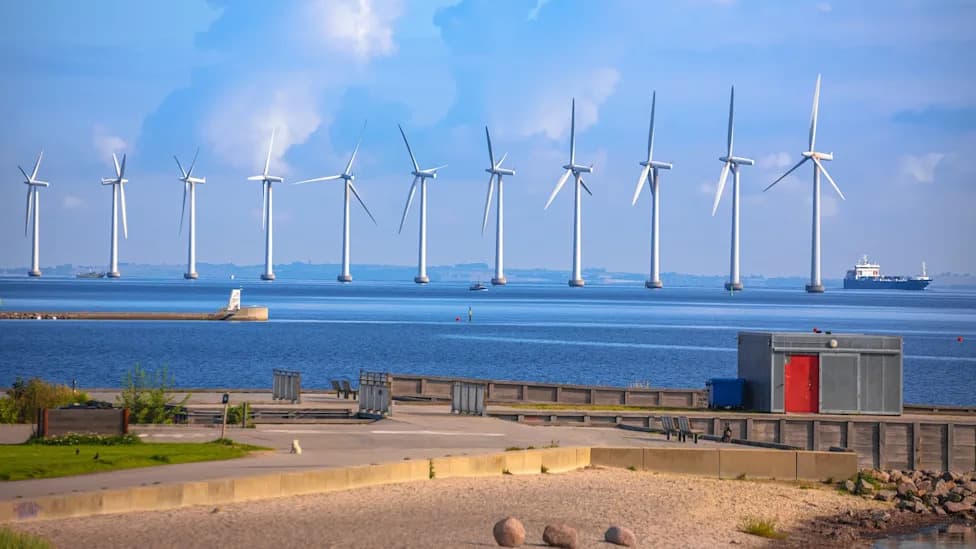
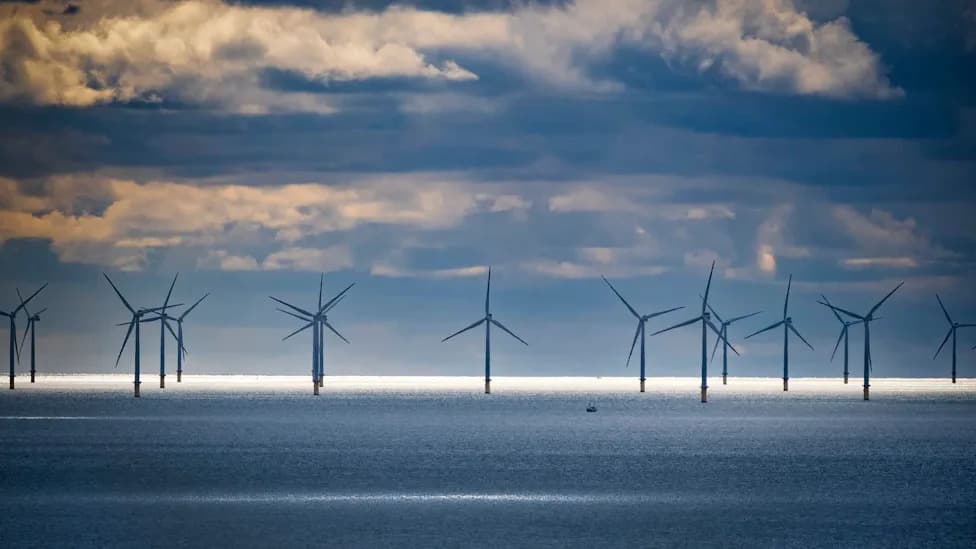
The European Union aims to deploy at least 60 gigawatts (GW) of offshore wind in the North Sea by 2030 and 300 GW by 2050. A new German study warns that this rapid build-out could alter regional airflow and change coastal precipitation patterns in unexpected ways.
Key Findings
The researchers used regional modeling to estimate how dense arrays of turbines affect wind and moisture transport. Their main results include:
- Horizontal wind speeds near about 33 feet (≈10 meters) above sea level could slow by 4–7 mph across broad areas downwind of large wind farms.
- Directly over wind farms, enhanced vertical mixing may lift marine air and promote cloud formation, increasing local precipitation by an estimated 12–18%.
- Downwind, air masses that have passed over wind-farm zones may carry less moisture, potentially reducing rainfall by 10–15% along parts of Denmark, Germany and the Netherlands; western Britain could see declines up to about 8%.
What This Means
These projected shifts do not mean offshore wind is inherently harmful. Rather, they indicate that very large, densely packed turbine arrays can change regional atmospheric circulation in measurable ways. One study author stressed the intent is not to stop offshore development, but to inform future siting, layout and technology choices so planners can avoid or mitigate unwanted local impacts.
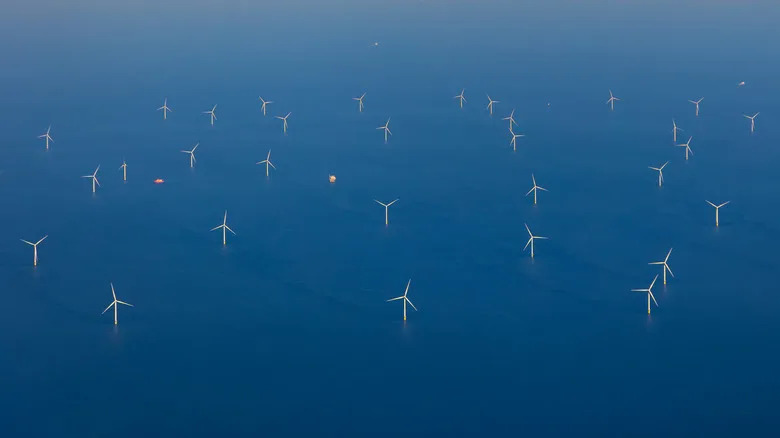
Thomas Roell/Getty Images
Possible Responses and Mitigations
Policymakers and developers could consider several strategies to reduce unintended effects while still pursuing renewable targets:
- Vary turbine spacing and farm layouts to preserve onshore moisture transport.
- Evaluate alternative technologies such as bladeless designs and other low-impact concepts.
- Integrate atmospheric and ecological modeling into early-stage planning and environmental assessments.
Ecological Context
Offshore wind expansion also raises ecological concerns: studies have suggested potential changes to porpoise migration routes and the continued risk of bird collisions with turbine blades. These impacts underline the need for multidisciplinary research and adaptive management as deployment scales up.
Balancing Local Effects With Climate Benefits
Any local changes to precipitation must be weighed against the broader climate and public-health benefits of replacing fossil fuels with renewables. The study provides actionable information that can help strike a balance between ambitious clean-energy goals and minimizing unintended environmental consequences.
Bottom line: Large-scale offshore wind will reshape local airflow in ways that matter. Thoughtful siting, design and further research can help capture renewable benefits while limiting collateral impacts on rainfall and ecosystems.
Help us improve.