The Education Ministry admitted in court that it has no records on how many schoolchildren have allergies, nor on in-school allergic incidents or evacuations. The disclosure came amid a petition by the Yahal Association opposing a pilot that removes classroom medical aides for first- and second-graders and shifts care to school nurses in 10 schools. Parents and advocates argue the pilot began without prior research, clear emergency protocols, or defined measures of success, raising safety and emotional-wellbeing concerns.
Education Ministry Admits It Has No Data on School Allergies as Pilot Replaces Classroom Medical Aides
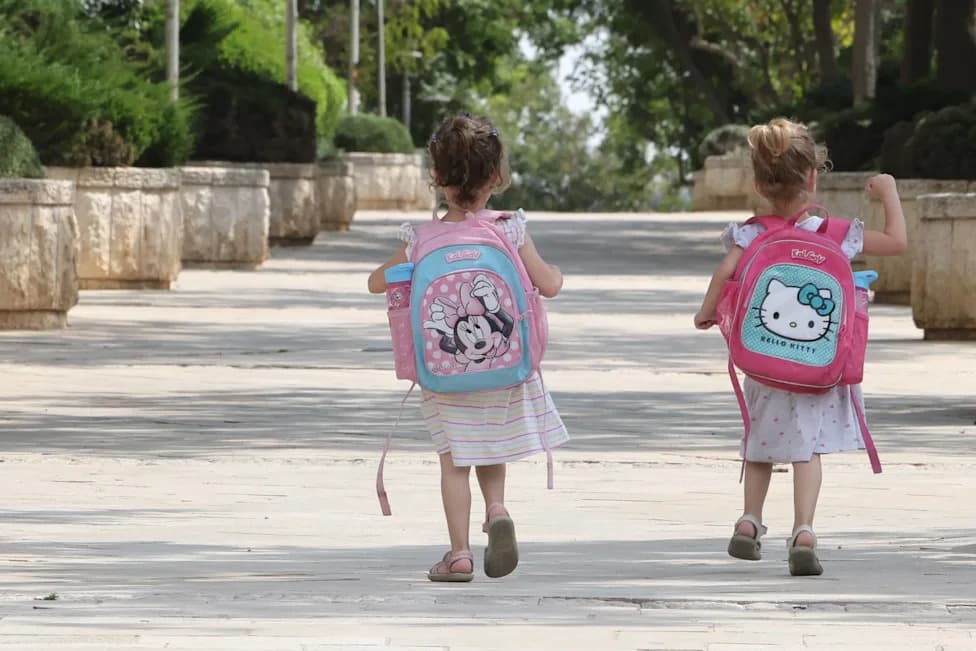
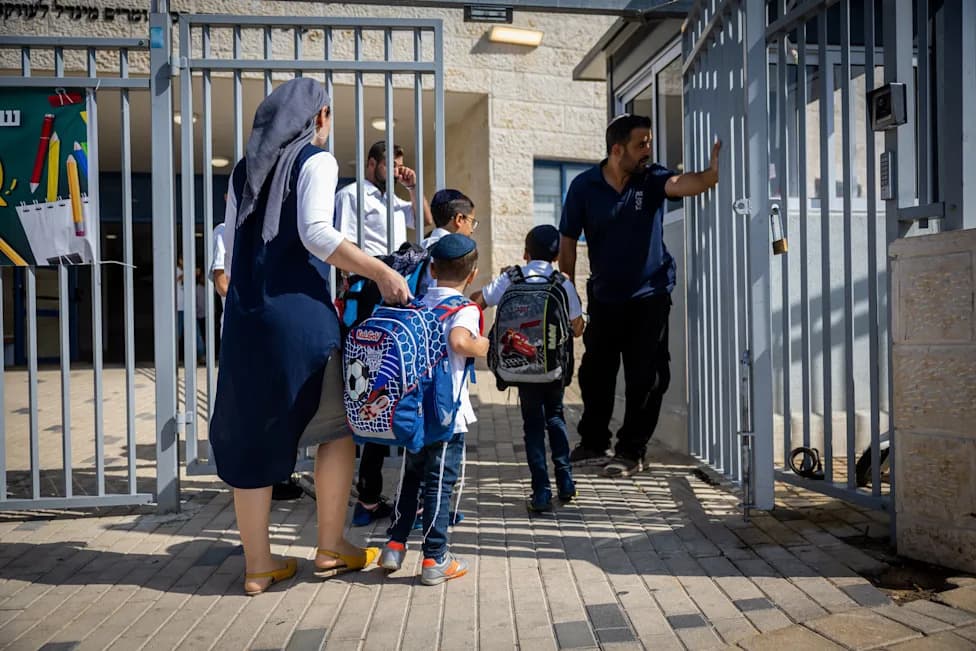
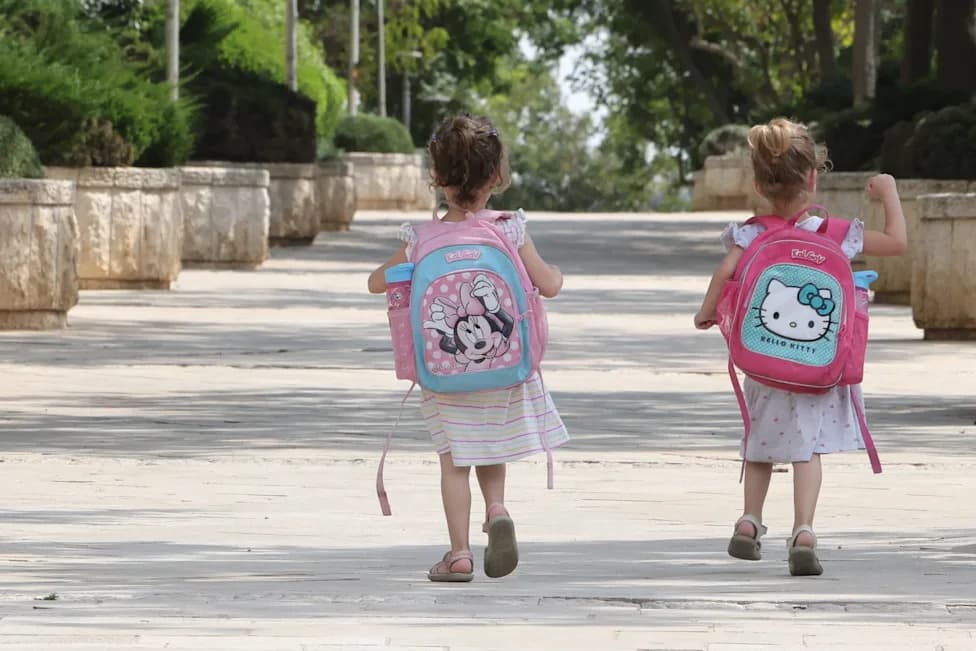
Nearly three million Israeli students begin school on September 1, 2026, including some 180,000 first-graders. (photo credit: MARC ISRAEL SELLEM)
The Education Ministry told the High Court of Justice that it does not hold records on how many children in Israel's education system have allergies, how many allergic reactions have occurred inside schools, or how many evacuations were required. The admission emerged during a petition hearing brought by attorney Gilad Bar Tal on behalf of the Yahal Association.
Pilot Program and Legal Challenge
Under a pilot launched at the start of the current school year in 10 schools, the ministry plans to remove medical aides from first- and second-grade classrooms and shift day-to-day care responsibilities to school nurses. Parents and the Yahal Association oppose the change and filed the petition arguing that the pilot amounts to an experiment on vulnerable children.
Key Concerns Raised at the Hearing
Petitioners said the ministry cannot justify the move because it lacks basic data and clear operational protocols. Attorney Gilad Bar Tal highlighted unanswered questions about how staff will respond to real-time allergic emergencies: how on-site personnel will react when a child develops a reaction, how a nurse will be alerted, and how long it will take before emergency treatment is administered.
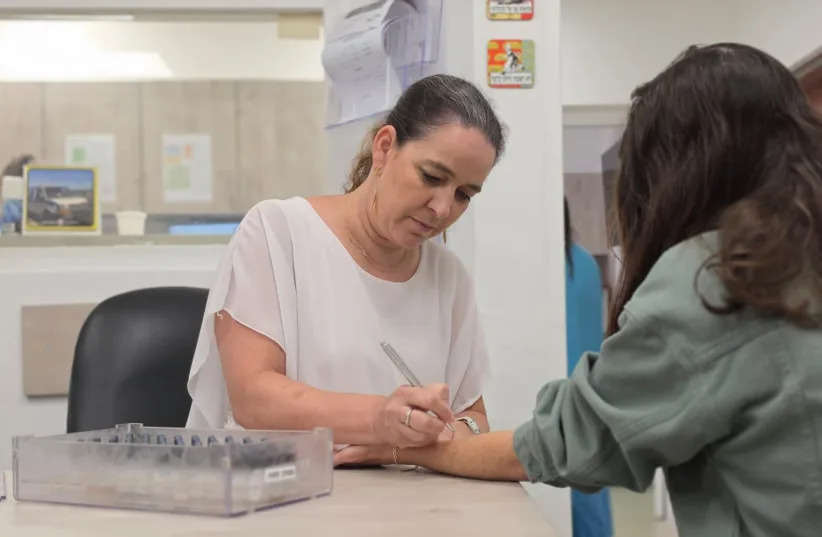
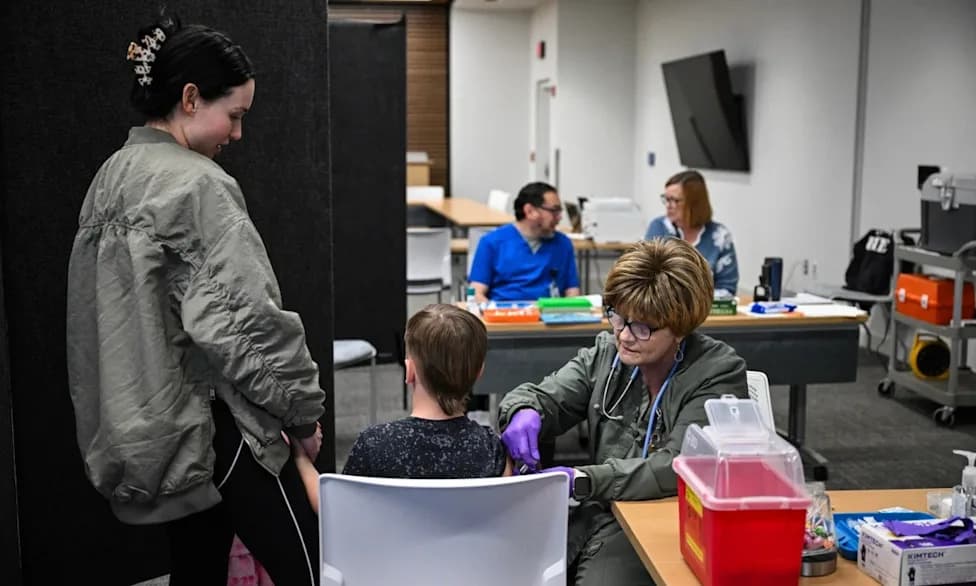
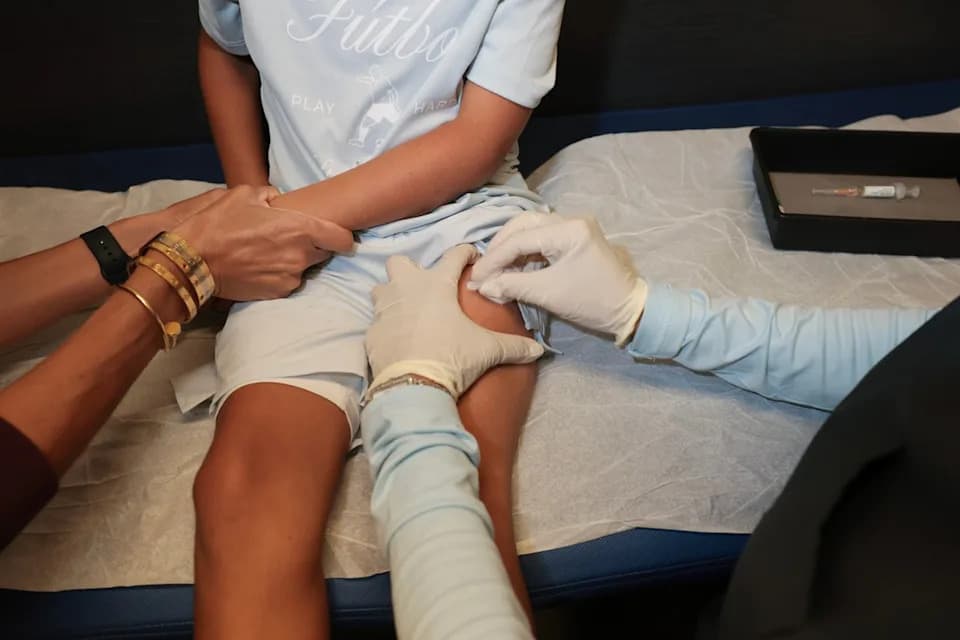
'THE FEAR of accidental contact with allergenic foods often leads to persistent anxiety and significantly affects the quality of life of both children and their families.' (credit: RAMBAM HEALTH CARE CAMPUS)
"The fear of accidental contact with allergenic foods often leads to persistent anxiety and significantly affects the quality of life of both children and their families," the petition cited, crediting Rambam Health Care Campus.
The Yahal Association also challenged the ministry's claim that the pilot is backed by a professional research process. Petitioners say no research has begun; a tender to select an academic body to study the pilot is still under way, meaning the model was implemented before any research framework existed to measure effectiveness or risks.
Emotional and Safety Concerns
Representatives criticized the Association of Allergologists' stance as insufficiently attentive to the emotional and psychological impact of life-threatening allergies on young children. The Yahal Association emphasized that safety should not be judged only by counting deaths or severe incidents: even milder allergic reactions and the resultant anxiety undermine children’s sense of security and ability to learn.
Following the hearing, the association said: "We do not live according to statistics; we deal with reality. Even a 'mild' reaction is still an allergic attack. At ages 6 and 7, replacing classroom aides with a school nurse is simply inadequate. Our children deserve to learn free from avoidable physical and mental harm."
The association clarified it is not opposed to exploring alternative care models, but objects to how the pilot was launched—unilaterally, without sufficient data, without clear success and failure metrics, and without assurances that children will be safe while the experiment runs.
Help us improve.