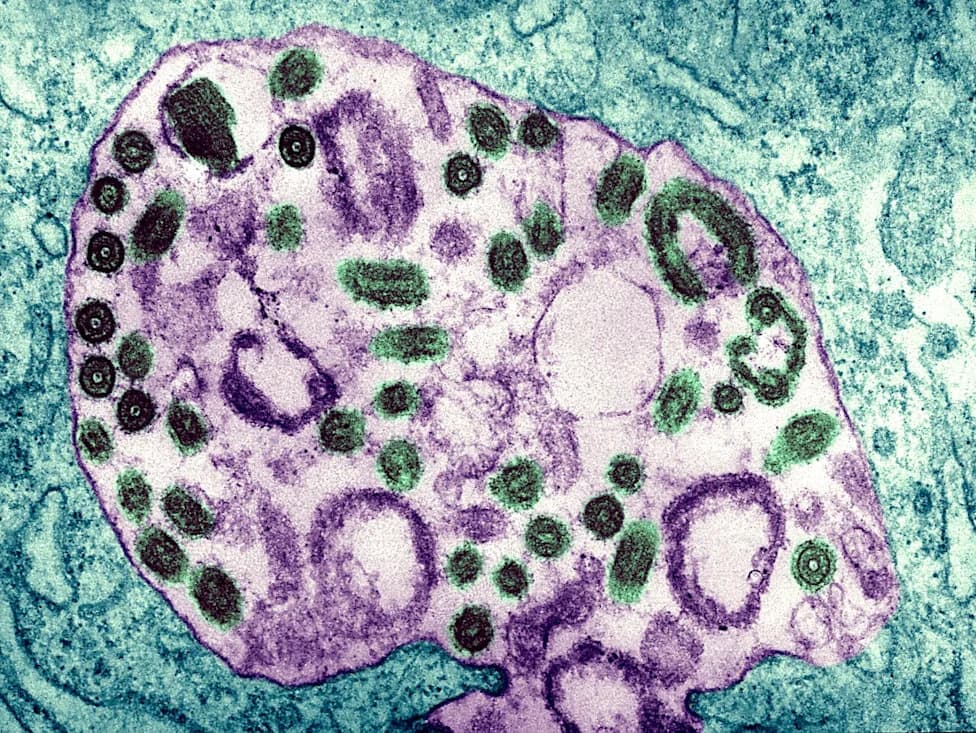
Confirmed Ebola cases in the Democratic Republic of Congo have surpassed 7,000, with 7,022 infections and 3,398 deaths reported across seven provinces. The outbreak, caused by the Bundibugyo strain, is now the deadliest in Congo’s history and second only to the 2014–2016 West African epidemic. A first case has been confirmed in South Ubangi province — a 23-year-old man who had traveled from South Kivu after time abroad — and contact tracing is underway. The WHO warns that shortages of staff, operational partners and funding are hampering efforts to expand the response.
Ebola Cases Surpass 7,000 in DR Congo as Virus Reaches New Province
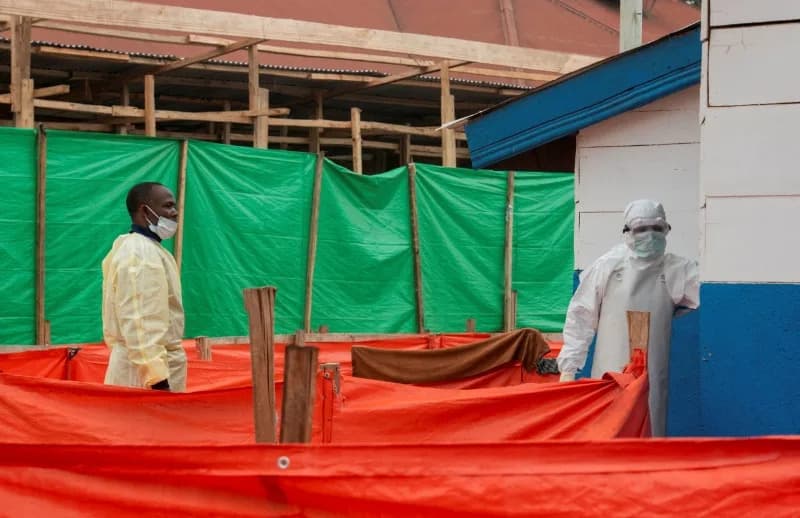
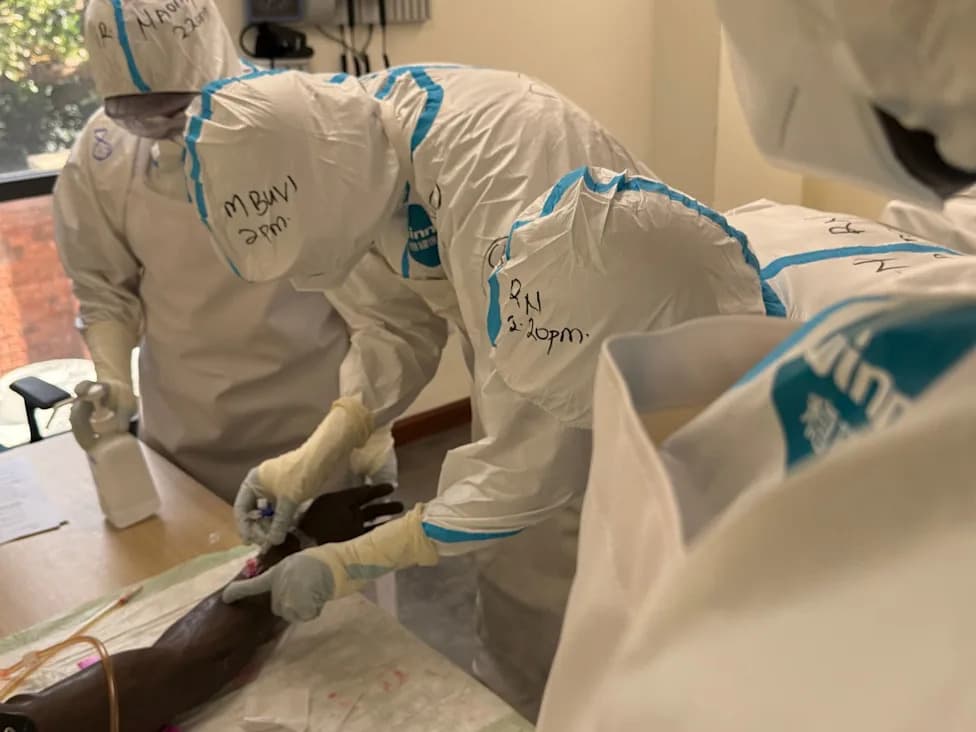
Congolese medical workers dressed in personal protective equipment (PPE) prepare an emergency unit at the Muthiri Adventist Hospital, as aid agencies intensify efforts to contain a new Ebola outbreak involving the Bundibugyo strain in the Mutiri quarter of Butembo, North Kivu province, Democratic Republic of Congo, September 10, 2026. REUTERS/Gradel Muyisa Mumbere
Confirmed Ebola infections in the Democratic Republic of Congo have passed 7,000, government data showed on Friday, as the virus spreads into a previously unaffected province.
The outbreak, caused by the Bundibugyo species of Ebola, is now the deadliest in Congo's history after eclipsing the 2018–2020 epidemic. With 7,022 confirmed cases and 3,398 deaths reported across seven provinces, the current epidemic is now second only to the 2014–2016 West African outbreak, which infected more than 28,600 people and killed over 11,000.
Authorities reported late on Friday that the first confirmed case had been detected in South Ubangi province in the country’s northwest — far from the outbreak’s epicentre in the east. The case involved a 23-year-old man who died on Tuesday and later tested positive for the Bundibugyo strain.
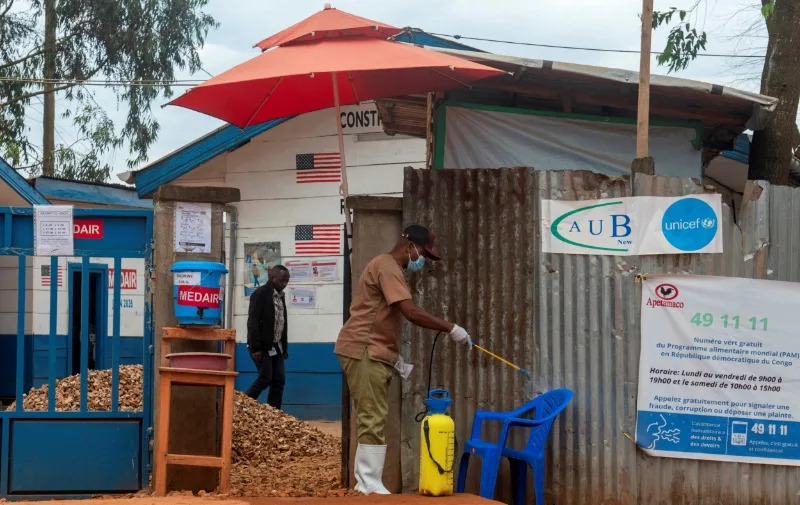
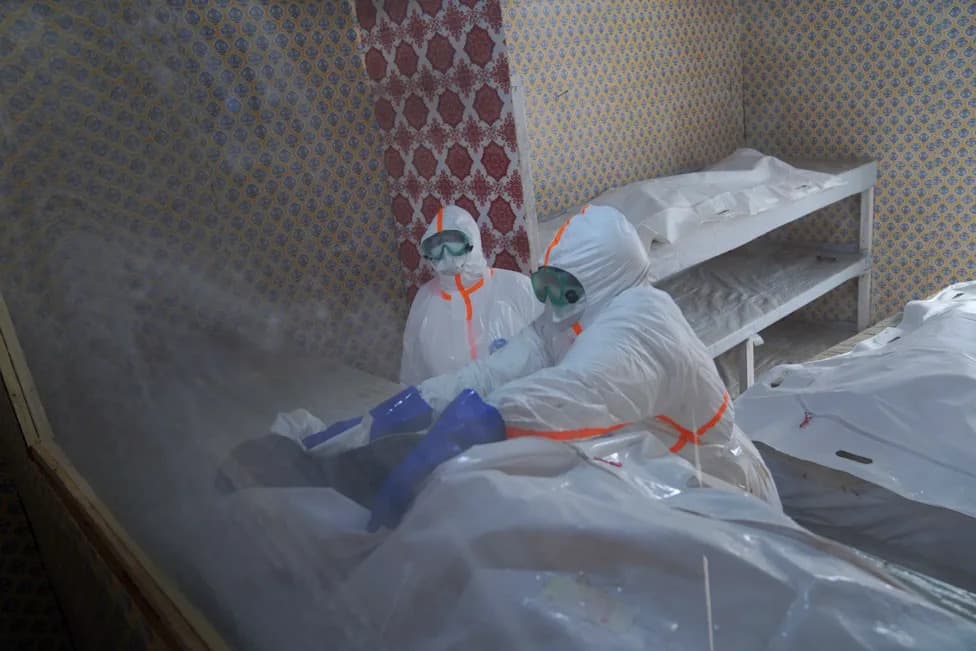
A Congolese hygiene specialist at the Muthiri Adventist Hospital disinfects the facility, as aid agencies intensify efforts to contain a new Ebola outbreak involving the Bundibugyo strain in the Mutiri quarter of Butembo, North Kivu province, Democratic Republic of Congo, September 10, 2026. REUTERS/Gradel Muyisa Mumbere
Officials said the man left South Kivu province on July 10, spent time abroad, then returned to the Democratic Republic of Congo and traveled to South Ubangi, which borders the Republic of Congo and the Central African Republic. "Contact tracing for the first confirmed case in South Ubangi province is underway," Congo's public health institute said in its latest situation report.
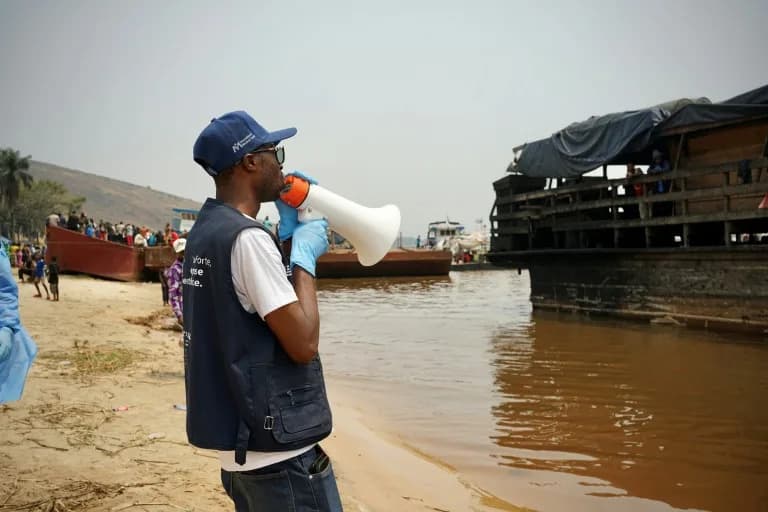
The World Health Organization warned that shortages of trained staff, operational partners and funding are creating bottlenecks as response teams try to expand operations to match the outbreak's widening geographic reach. Health authorities and international partners have emphasized the need to accelerate contact tracing, community engagement and resource mobilization to prevent further spread.
Reporting: Anait Miridzhanian in Dakar; Editing: Nia Williams and Matthew Lewis.
Help us improve.