Scotland’s plentiful wind power makes it an attractive location for hyperscale AI data centres, but MSPs heard experts warn that rapid growth could raise consumer electricity bills and increase fossil-fuel use when renewables are scarce. Academics said centres can absorb surplus wind and cut costly curtailment payments, yet the surge in demand may trigger expensive transmission upgrades. Regulators and ministers are weighing planning guidance and who should pay for network reinforcement as calls for a moratorium persist.
Experts Warn Scotland’s AI Data Centre Boom Could Raise Bills and Strain Grid

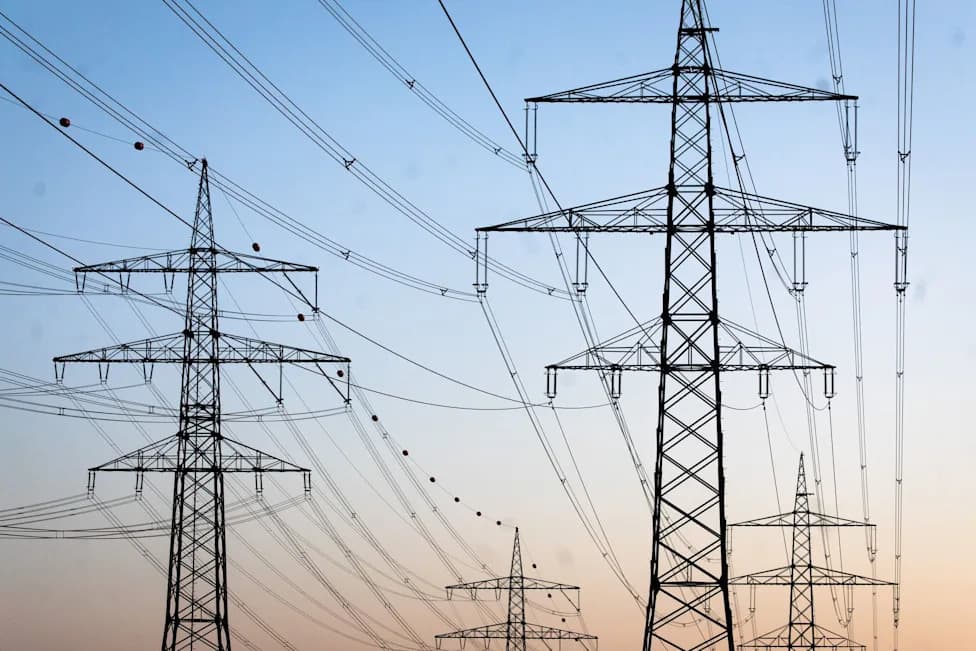
Scotland has been identified as a prime location for building hyperscale AI data centres due to the high potential for renewable energy [Getty Images]
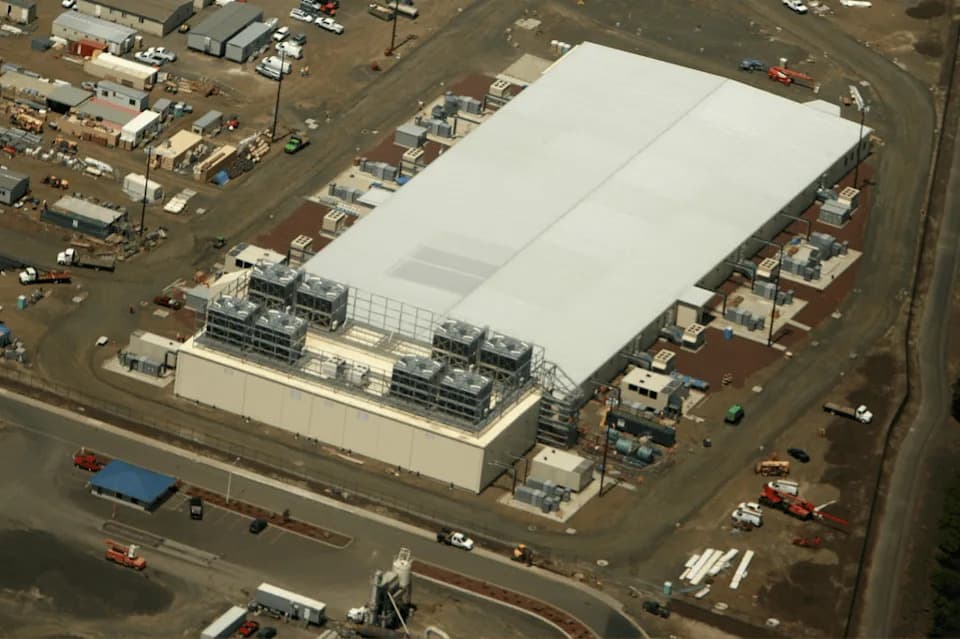
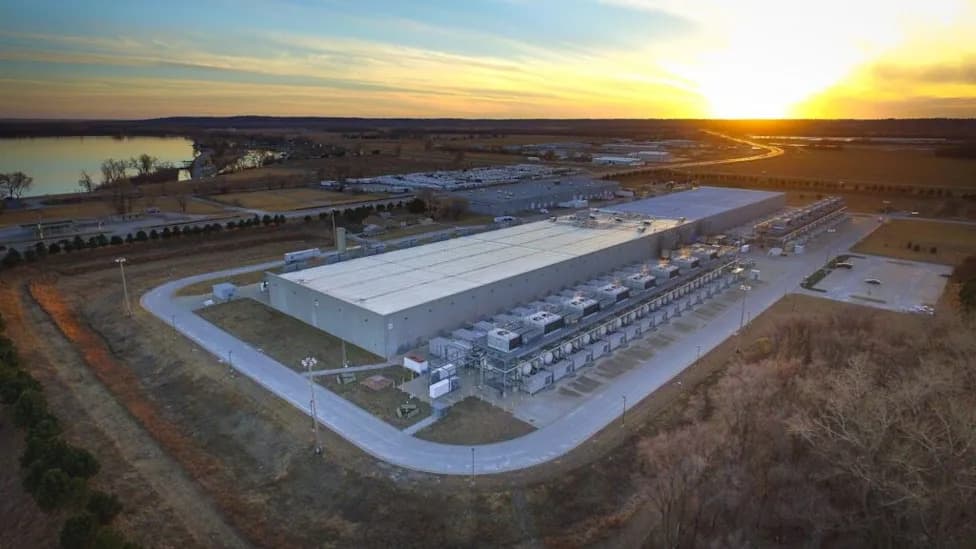
Scotland’s appeal as a hub for hyperscale AI data centres rests largely on its abundant renewable resources, especially wind. But experts told MSPs that rapid growth in large data facilities could push up household electricity costs and complicate efforts to meet climate targets unless grid and policy issues are managed carefully.
What Academics Told MSPs
Witnesses to Holyrood’s Economy, Tourism and Energy Committee said data centres can help absorb surplus renewable output and reduce costly curtailment or "constraint" payments when turbines are switched off for lack of transmission capacity. Dr Callum MacIver, a research fellow at the University of Strathclyde, warned, however, that adding significant new demand could increase reliance on fossil-fuel generation during periods of low wind or solar output.
"Adding demand in general is likely to put pressure on meeting decarbonisation goals. It's not always windy or sunny, so adding new demand is likely to increase the amount of fossil fuel burn you have on the system," Dr MacIver said. He argued that siting centres in the "most sensible places" could reduce those impacts by making better use of available wind generation.
Costs, Upgrades and Responsibility
The committee heard concerns about who would bear the cost of wider transmission upgrades needed to service a surge in AI data centres. Dr Wei Sun of the University of Edinburgh said technology companies currently pay for their direct connections and energy consumption, but it is unclear whether they — or general consumers — would fund broader grid reinforcement.
"Adding the data centre is probably going to trigger wider system upgrades. Does the data centre also pay for that? I think that's really the question we need to answer," Dr Sun told MSPs.
Operational Flexibility and Industry Views
Representatives of the National Energy System Operator (Neso) noted that many modern hyperscale data centres have operational flexibility that can help balance supply and demand. Matt Magill of Neso explained that some large AI operators design their workloads and networks to shift training and processing regionally or globally, moving energy demand to locations where supply is stronger.
Industry figures stressed the opportunity to use curtailed wind output. ILI Group CEO Mark Wilson said his company wants to tap surplus energy and described Scotland’s renewable position as "an opportunity we cannot afford to miss." He also suggested that constructing hyperscale facilities could create hundreds of jobs in areas across the country.
Political Response
The Scottish Greens have called for a moratorium on new planning approvals for hyperscale data centres, citing environmental and community concerns. First Minister John Swinney acknowledged those worries and said the government would give "active consideration" to whether local authorities should receive new national planning guidance to better align planning decisions with national energy and climate objectives.
The inquiry highlighted a central tension: data centres present both a way to make better use of renewable generation and a potential trigger for increased fossil-fuel generation and higher consumer bills if grid upgrades and planning frameworks are not carefully managed.
Help us improve.