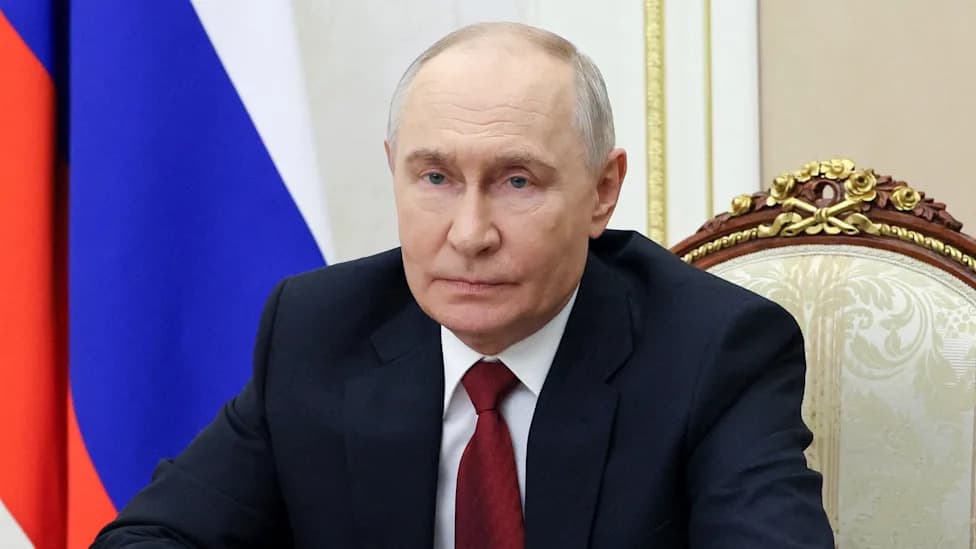
President William Ruto’s 3 September directive telling foreign nationals to vacate petty trade by 7 September triggered panic among migrants, with many queuing at embassies and border posts and some families separating. The government later issued clarifications and offered a 90‑day registration window, while promising protection for those who register. Critics say the announcement was poorly communicated and risks stoking xenophobia and harming Kenya’s economy and regional ties.
‘Like a Dog Set Loose’: Kenya’s Crackdown on Foreign Traders Sparks Panic, Diplomatic Row

Burundian tuk-tuk driver Ndaikech Ali says Kenya, which has been so welcoming to him for years, now feels hostile [BBC/Brian Khisa]
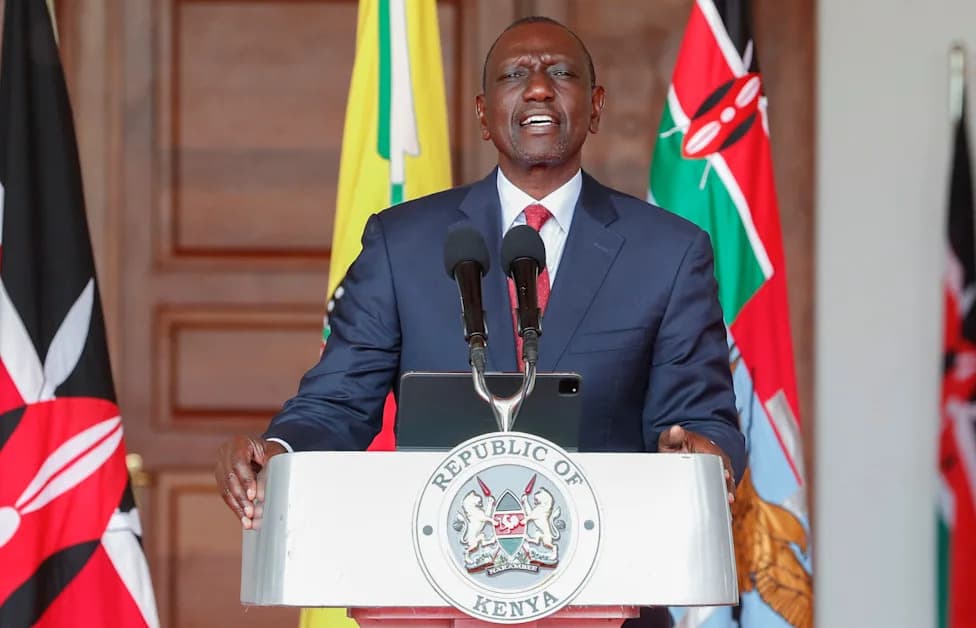
For nine years Burundian tuk‑tuk driver Ndaikech Ali says Nairobi’s traffic — not xenophobia — has been his main worry. That changed after President William Ruto’s 3 September remarks urging foreign nationals operating petty trade and small businesses to leave by 7 September, a statement many migrants say has been interpreted as a licence for harassment.
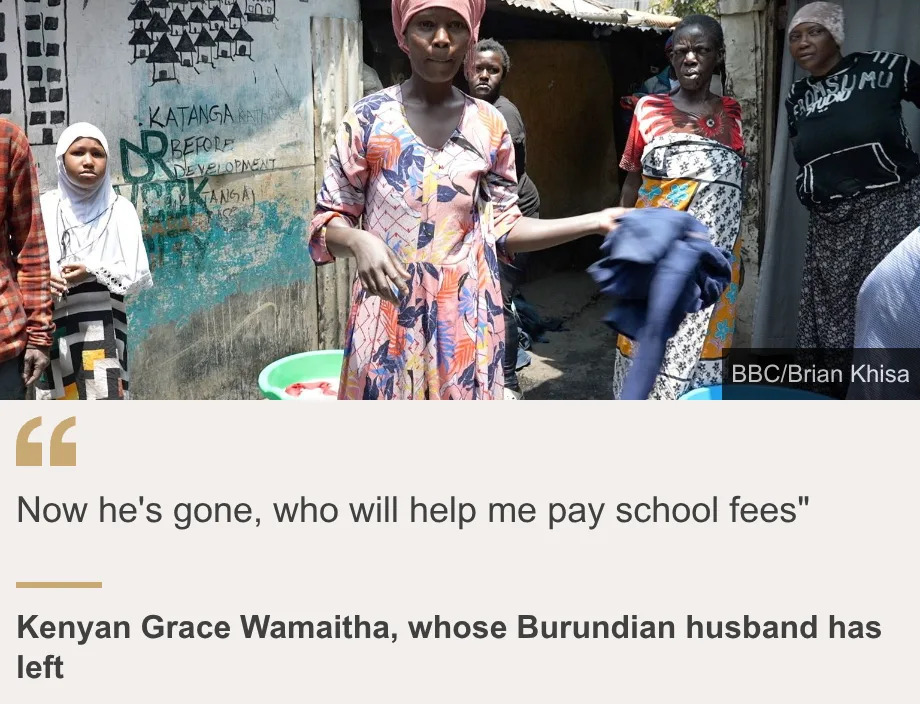
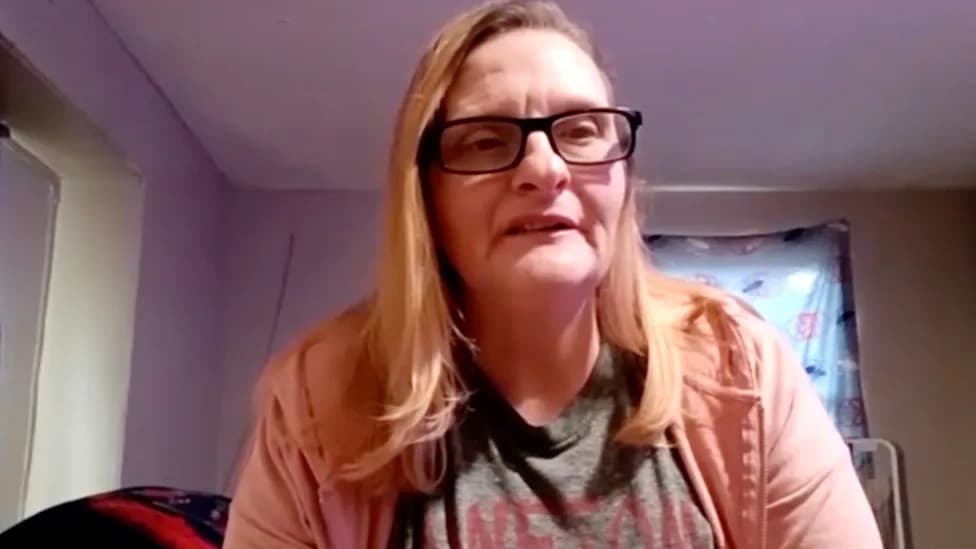
"Now he's gone, who will help me pay school fees"", Source: Kenyan Grace Wamaitha, whose Burundian husband has left, Source description: , Image: Kenyan Grace Wamaitha
“Now they have turned against us… It’s like a dog has been set loose upon us. We have been bitten,”said Ali at the Burundian embassy in Nairobi, where many queued this week seeking documents to return home.
Panic, Family Hardship and Market Disruption
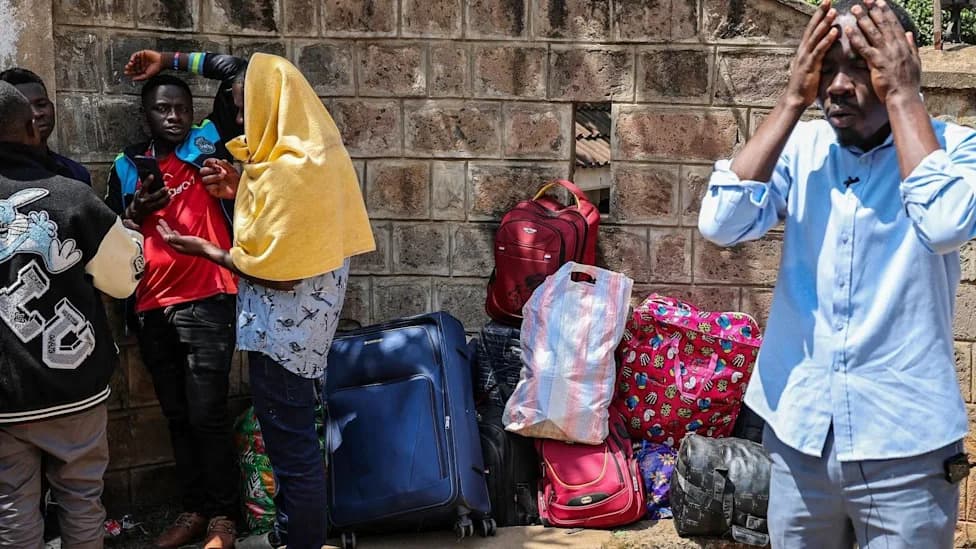
The announcement triggered a wave of fear. Burundians, Ethiopians, Eritreans and other migrants rushed to embassies and border posts; some report being stranded. Families have been split — migrants with Kenyan partners and children face painful choices about whether to stay or leave. In Majengo, Nairobi, Grace Wamaitha said her Burundian husband left the day after the directive, leaving her to support five children by taking on extra washing work.
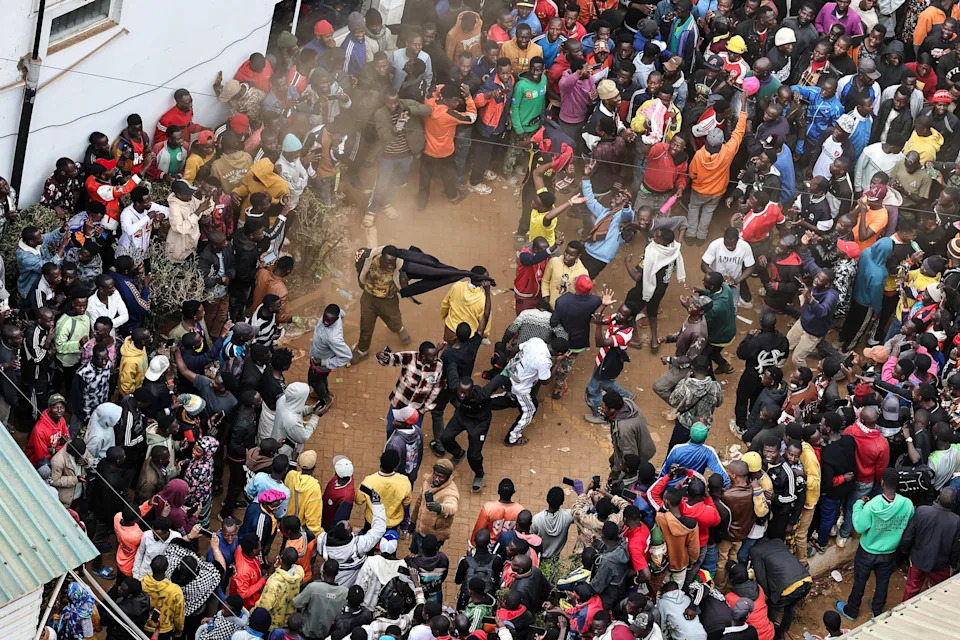
Burundian national flocked to their embassy in Nairobi following the announcement [EPA/Shutterstock]
Government Response: Clarifications and A 90‑Day Window
After domestic and international criticism, the Kenyan government issued clarifications and offered a 90‑day window for undocumented foreign small‑business operators to register and comply with the law. Officials said those registering during this period will be presumed to be living legally in Kenya. Korir Sing'Oei, a Kenyan foreign affairs official, also visited the Burundian embassy, apologised and assured protection for Burundian nationals.

[BBC]
Diplomatic Fallout and Wider Orders
The episode escalated into a diplomatic row: Burundi’s foreign affairs minister warned that what he called “hate speech against Burundi” could have repercussions for Kenyans abroad. Ruto’s remarks went further when he ordered India’s Tata Chemicals to leave Kenya, accusing the company of failing to adequately benefit the Maasai community in Kajiado County. Tata has mined soda ash at Lake Magadi since 1911 — an operation long linked to disputes with local communities and the state.
Experts’ Views and Economic Concerns
Critics — including academics and economists — say the president’s delivery risked stoking xenophobia and that the proposed policy is too blunt. Economist Odhiambo Ramogi warned that excluding foreign traders could harm competition and regional ties; Kenya exported about $56m to Burundi last year, he noted, arguing the country benefits from open markets rather than shutting out small vendors.
What Happens Next
Officials have insisted Kenya remains open and committed to the East African Community, while civil society groups and many Kenyans have rallied in support of migrants. Still, for many foreign residents the episode has already sown fear and uncertainty about their future in Kenya.
Key dates and facts: President Ruto’s directive was made on 3 September, referenced a 7 September deadline for vacating petty trade, and has since been followed by a government offer of a 90‑day registration window for undocumented small‑business operators.
Help us improve.