Kenya has opened a registration window for undocumented Burundians and other East African nationals after President William Ruto ordered foreigners in small-scale trade to stop operating. Authorities said those who register will be presumed legal while their documentation is regularised, and the Foreign Ministry will coordinate with diplomatic missions. Hundreds of Burundians rushed to embassies to seek emergency travel documents amid fears of expulsion. Officials have apologised for reported harassment and warned against xenophobic attacks as regional tensions rise.
Kenya Opens Registration For Undocumented Burundians Amid Crackdown On Foreign Traders
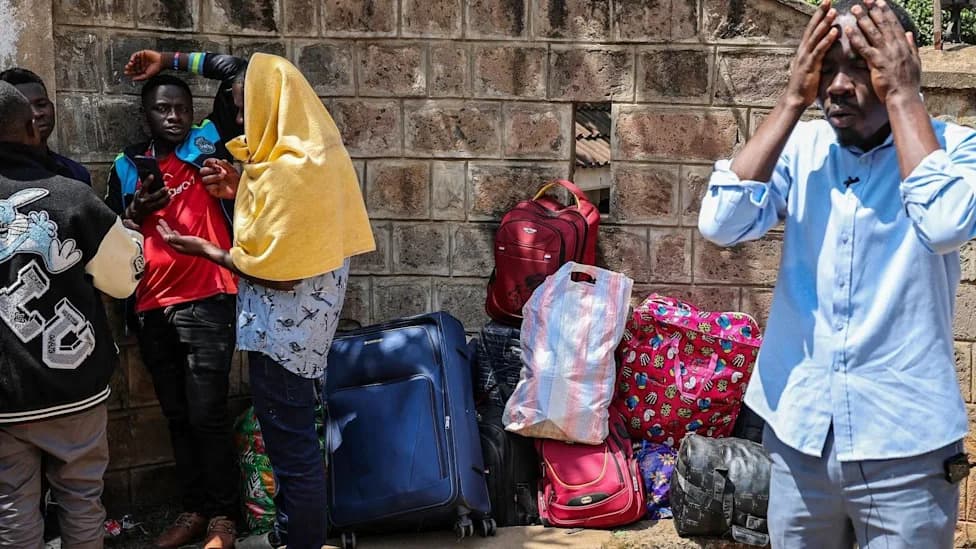
Burundians in Nairobi have been rushing to get travel documents [EPA]
Kenyan authorities have opened a formal registration window for Burundians and other East African nationals living in the country without full documentation, following days of alarm after President William Ruto ordered a clampdown on foreigners operating small-scale businesses.
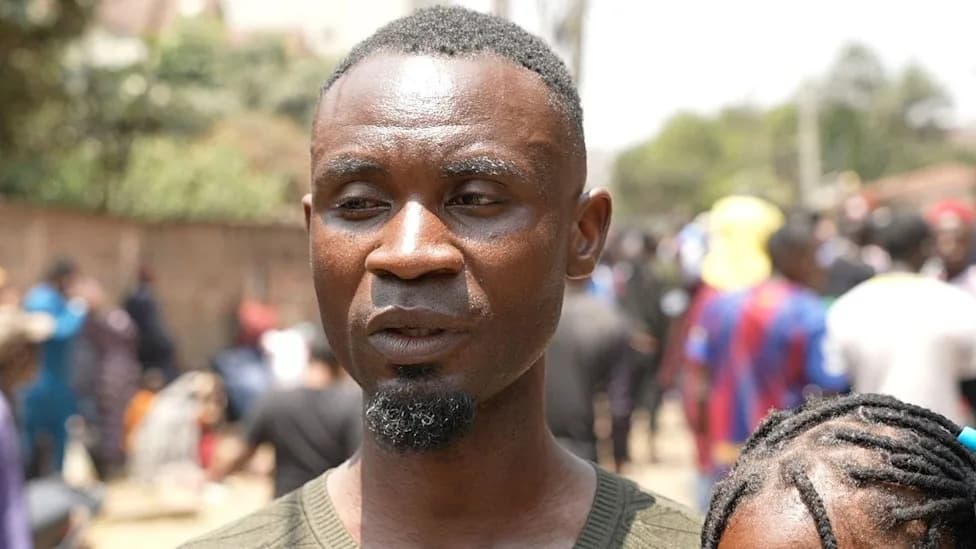
On Monday, hundreds of Burundian nationals rushed to obtain travel documents or register with their embassy amid confusion over whether they would be allowed to remain in Kenya. Long queues formed outside Burundi's embassy in Nairobi after the mission said it would issue emergency travel documents free of charge to citizens who wished to return home; many others were seen buying bus tickets and carrying mattresses and suitcases as they prepared to leave.
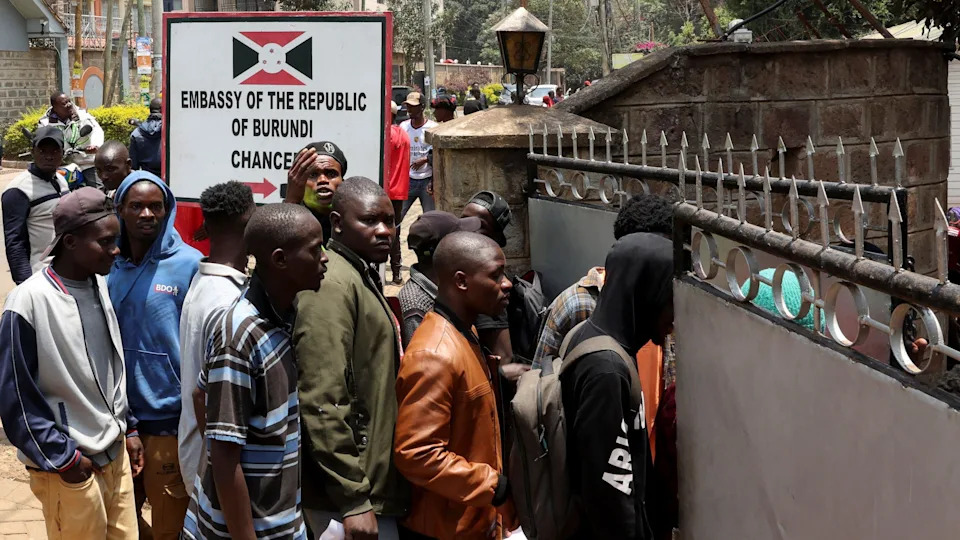
Hundreds of Burundians on Monday scrambled to process travel documents amid crackdown uncertainty [Reuters]
Government spokesperson Charles Owino said officials are working with diplomatic missions to regularise the status of foreign nationals who lack proper papers and urged undocumented East African nationals — specifically Burundian citizens — to present themselves to their embassies or high commissions for formal registration.
"To address this constructively, the government of Kenya is establishing a formal documentation and registration window," Owino said, adding that those who come forward and are undergoing registration would be presumed legally in the country during the process.
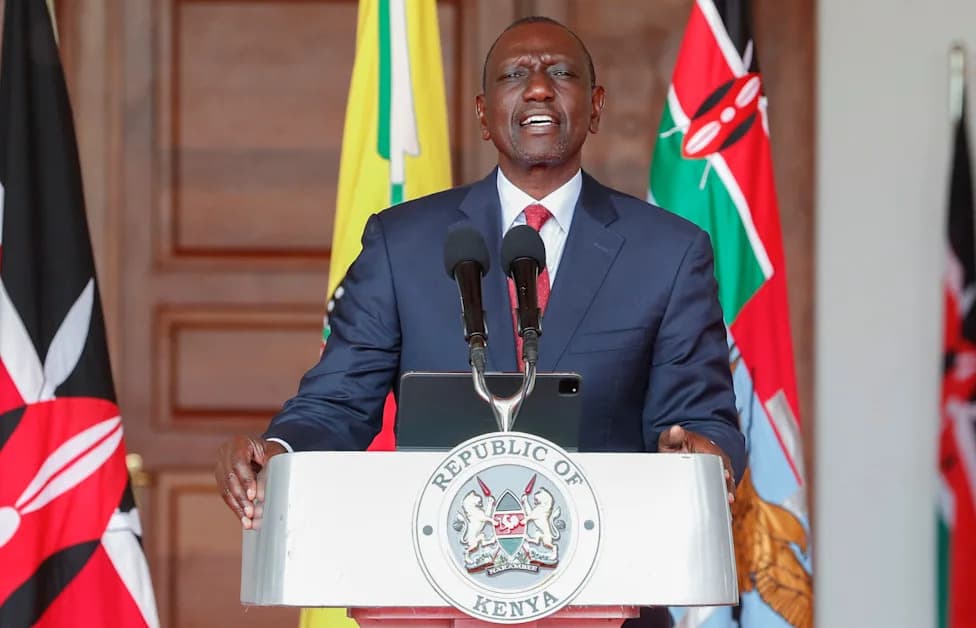
The move followed President Ruto's directive setting a deadline for foreigners engaged in hawking and running small shops to stop operating, after the trade ministry warned that some non-nationals exploit visa rules to work without required permits. Officials have since stressed the directive is not a blanket ban on foreign traders and sought to reassure neighbouring countries.
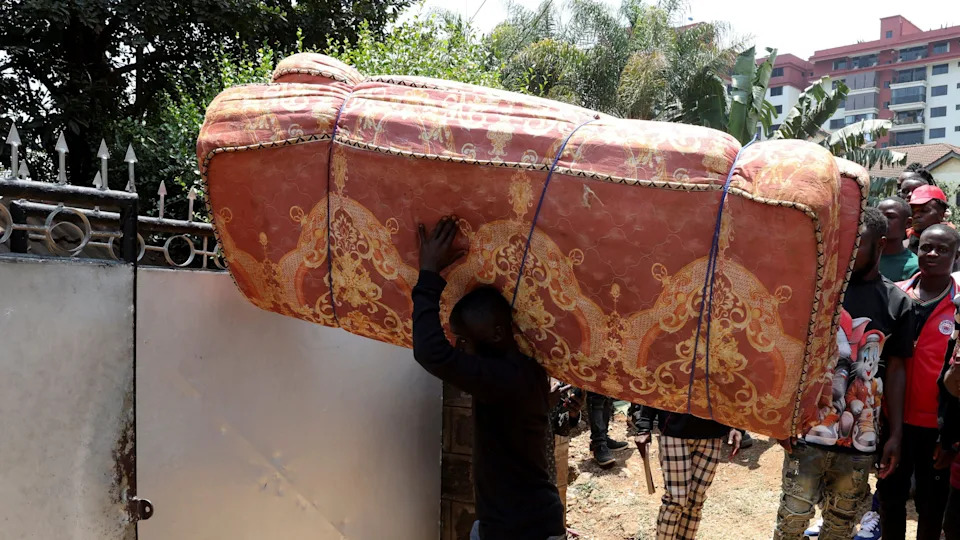
Burundians have been seen queuing with all their possessions - including mattresses [Reuters]
Senior foreign affairs official Korir Sing'oei apologised to Burundian nationals for harassment reported after the directive and said the government would bolster security in neighbourhoods where Burundian communities live.
"I want to say sorry to all the Burundi nationals here," Sing'oei said during a visit to the Burundian embassy, acknowledging that the directive had been misunderstood by some.
Kenya hosts hundreds of thousands of migrants from across East Africa seeking work and business opportunities. According to the UN refugee agency (UNHCR), around 16,000 Burundian refugees and asylum seekers are in Kenya, though how many participate in small-scale trading is unclear.

[BBC]
Burundi's foreign minister Edouard Bizimana warned of diplomatic consequences and urged protection for Burundians in Kenya, convening urgent talks with East African Community (EAC) representatives. Local community leaders in Nairobi urged calm and warned the policy could have wider regional consequences because Kenyans also work in similar jobs across neighbouring countries.
Humanitarian and rights groups have warned that rhetoric and enforcement risk stoking xenophobia. Kenyan officials say they remain open to foreign investment but want to ensure that small-scale trading opportunities are available to Kenyan citizens and that investors focus on job creation and production.
The government has said it will coordinate closely with Burundi's embassy and other regional partners to regularise cases and to avoid further panic or unlawful expulsions while the registration process is under way.
Help us improve.