Summary: Drone footage and records indicate 45 of 62 gas generators at the partially built DataOne Campus in Vineland, New Jersey, appeared to be operating without permits. The NJDEP confirmed no permits or pending permit applications for those generators and, after a July 29 inspection, has not issued a final compliance determination. DataOne withdrew an earlier gas-engine application and now plans to install roughly 300 MW of Bloom fuel cells, though a Bloom representative warned a full build-out could still emit over 2 billion pounds of CO2 annually. Neighbors report persistent noise, and regulators may pursue enforcement if unlawful operation is confirmed.
DataOne’s Planned New Jersey AI Campus Accused of Running 45 Unpermitted Generators
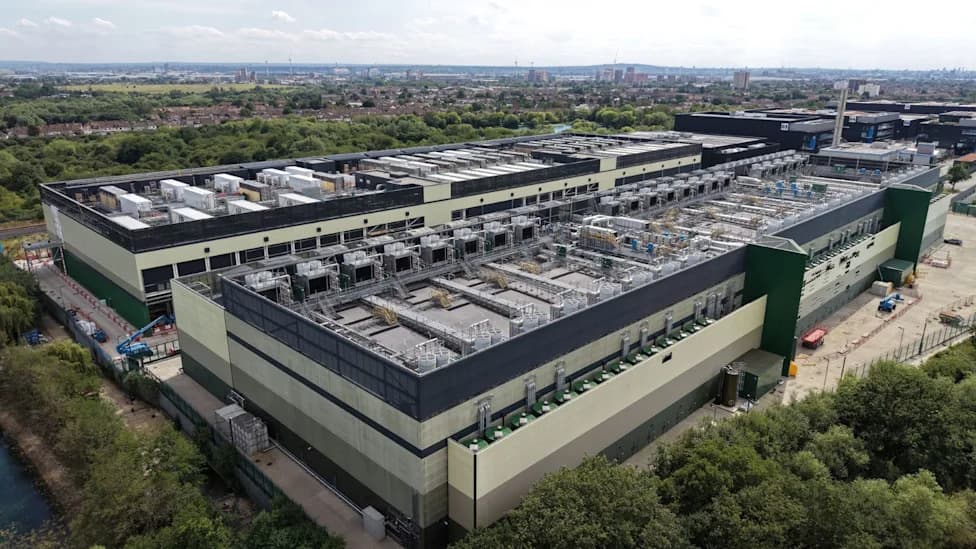
Photo Credit: iStock
The largest proposed AI data-center project in New Jersey, the DataOne Campus in Vineland, is under scrutiny after investigative reporting and state records suggested dozens of gas generators may have operated without required permits.
What Happened
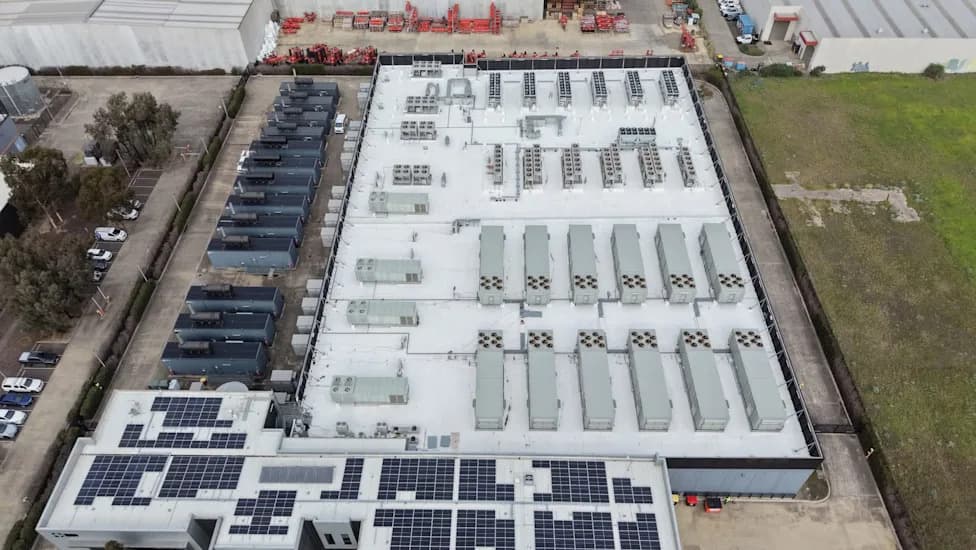
Floodlight’s investigation, which included drone footage and document review, reported that 45 of the site’s 62 gas generators appeared to be running. The New Jersey Department of Environmental Protection (NJDEP) told AsLatitude Media that the partially built DataOne Campus "has issued no permits, nor are any permit applications under review for power generators at the DataOne facility in Vineland."
Regulatory Response
State inspectors visited the site on July 29 and said they have not reached "a full compliance determination." Bruce Buckheit, a former EPA air enforcement chief, told Floodlight the project appears to "violate federal law" and said DataOne should stop operating the generators and could face fines or other administrative enforcement if unlawful use is confirmed.
Local Impact
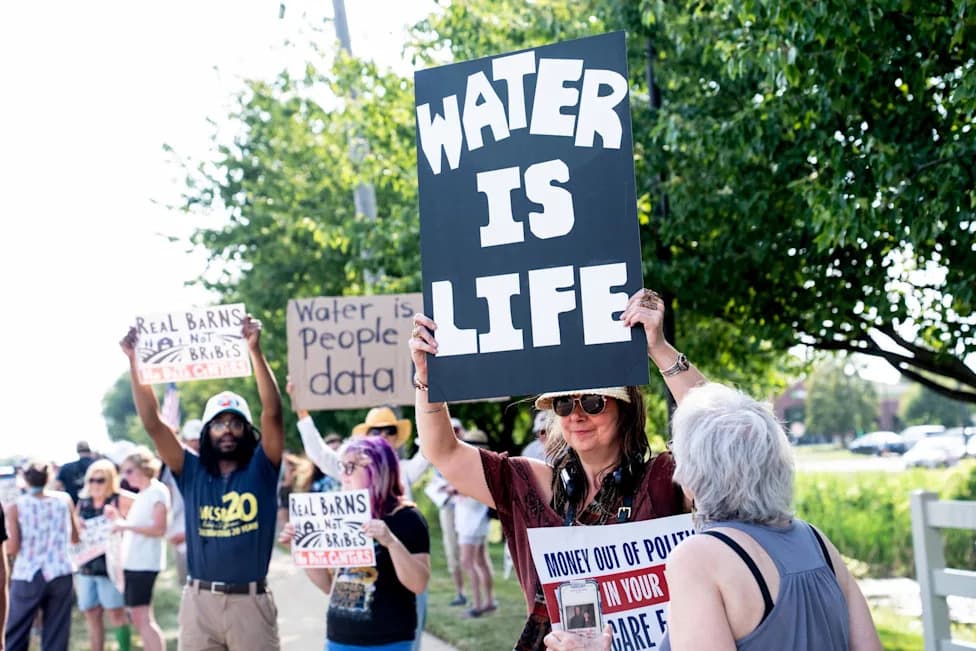
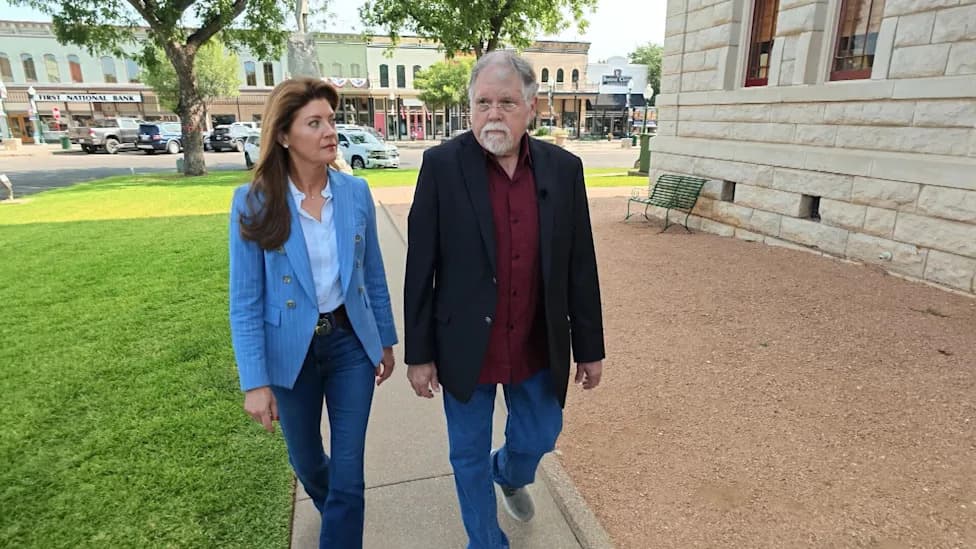
The campus is about a mile from two schools and roughly 40 miles from Philadelphia. Neighbors, including Andrew and Stevi Groetsch, report a persistent humming that has disrupted sleep and daily life. "It's just constant. It never goes away," Andrew told Floodlight, while Stevi asked, "If you don't follow one rule, what makes us have any reason to believe that you would then follow others?"
Power Plans, Emissions, and Industry Context
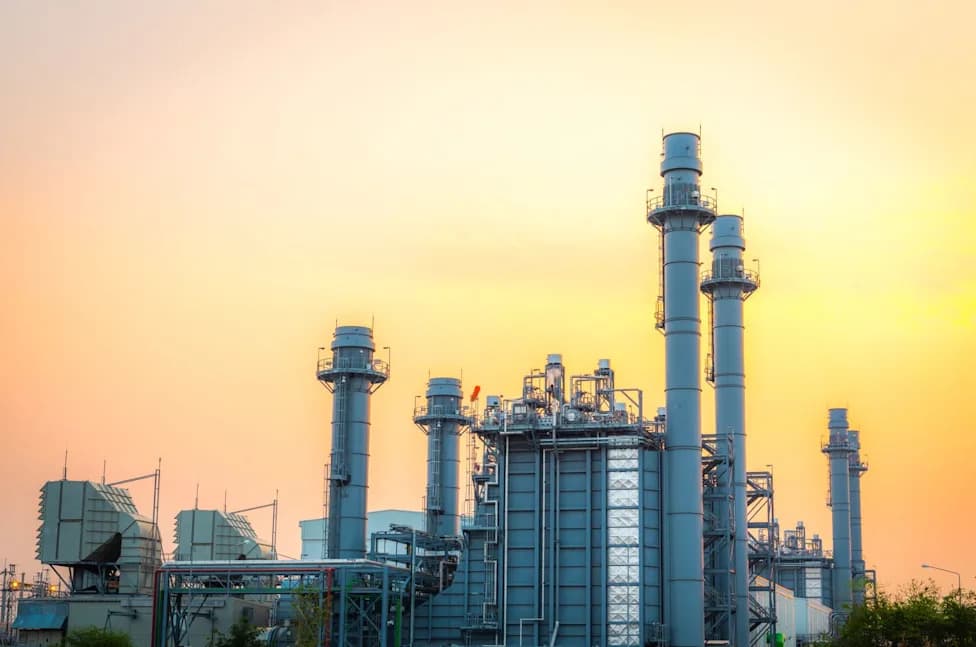
DataOne previously sought approval for more than 30 gas-burning engines but withdrew that application after regulators flagged problems. The company now says it plans to deploy Bloom fuel cells with about 300 megawatts of capacity. Bloom fuel cells generate electricity without combustion and would likely produce fewer local air pollutants, but a Bloom representative testified that a full build-out could still release more than 2 billion pounds of CO2 annually.
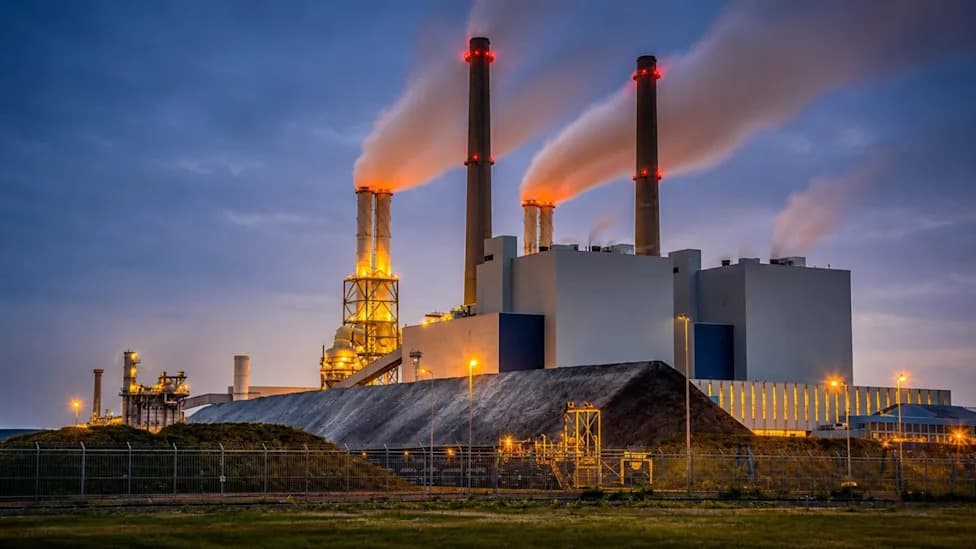
Nationwide, rising demand from AI is pushing electricity needs higher. Floodlight, citing energy analytics firm Cleanview, reported that nearly 60 planned data centers across the U.S. intend to build on-site gas-fired plants rather than wait to connect to the grid. While AI can help optimize power systems and improve renewable forecasting, on-site fossil generation raises concerns about local pollution, public health (including links to asthma and heart disease), water use, and higher energy costs for nearby communities.
Responses From Stakeholders
DataOne declined to answer directly about the generators but said it "remains committed to meeting all applicable environmental and permitting requirements." Nebius did not respond to requests for comment, and Microsoft declined to comment.
Bottom Line: Regulators are investigating possible unpermitted generator use at a high-profile AI campus. If violations are confirmed, administrative enforcement is likely; the episode underscores tensions between rapid AI infrastructure deployment and local health, environmental, and grid-integration concerns.
Help us improve.