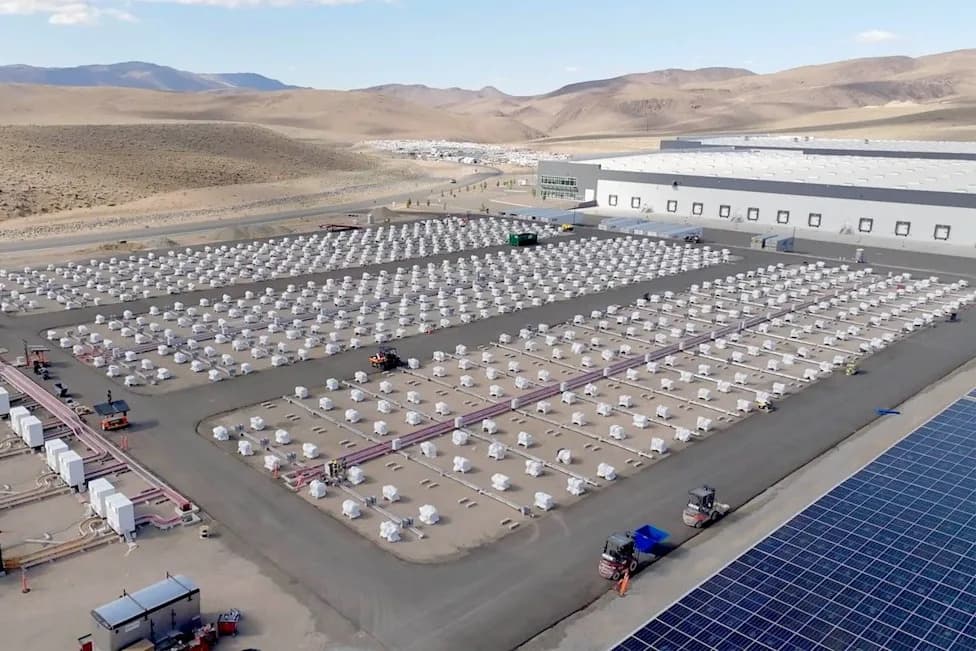
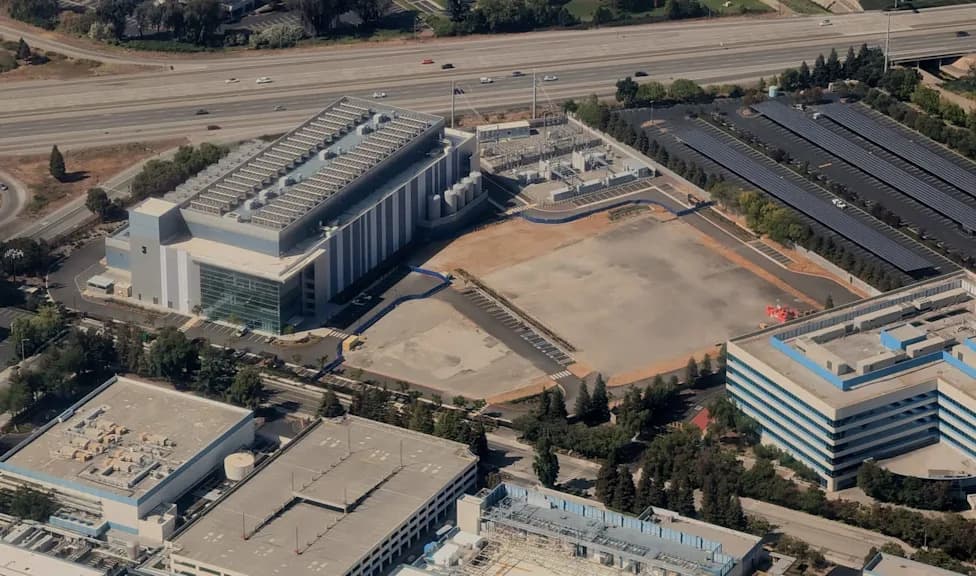
Fleet Data Centers has applied to build two methane-fired plants near Reno to power new data centers while NV Energy upgrades the grid. The facilities would produce more than 360 MW — about enough for 396,000 homes — and are described by the company as a temporary, 2–3 year fix. Critics warn the plants could emit roughly 980 lb CO2/MWh, raise statewide emissions by nearly 12% in a 2025 scenario, harm air quality, and strain pipelines; Nevada regulators will decide on Sept. 8.
Nevada Regulators Weigh Proposal for Two Private Methane Plants to Power Data Centers
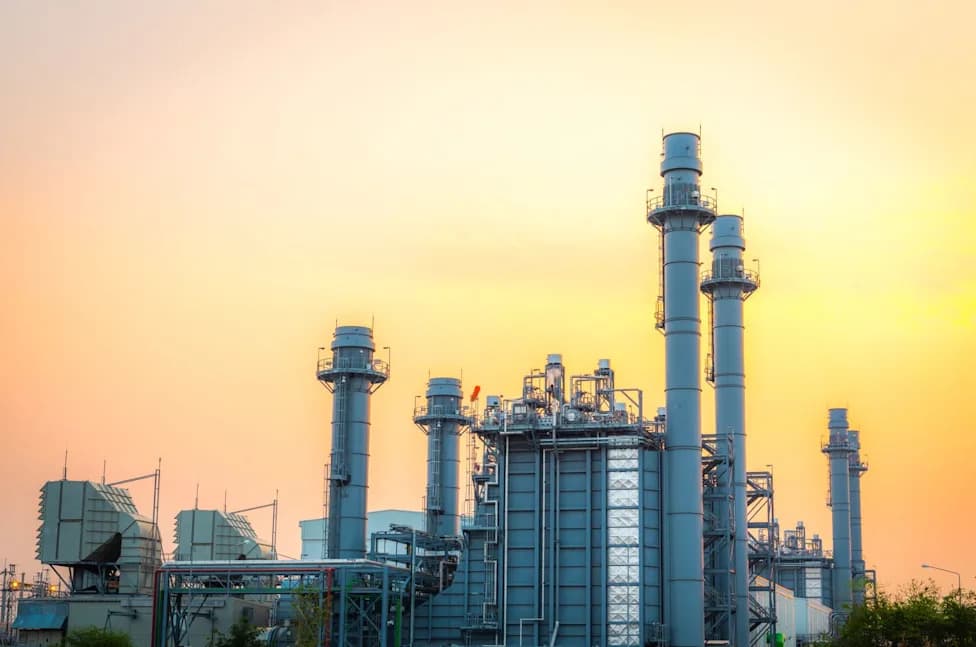
Photo Credit: iStock
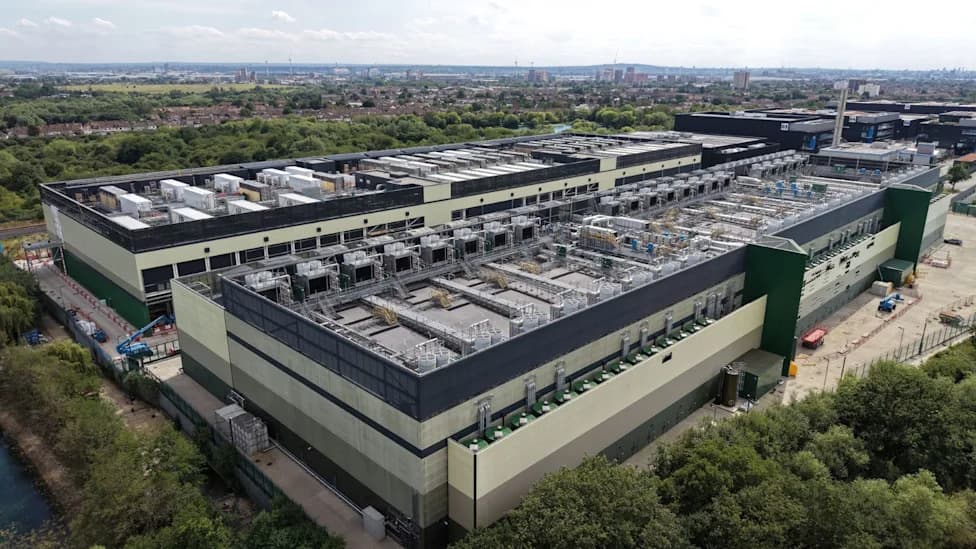
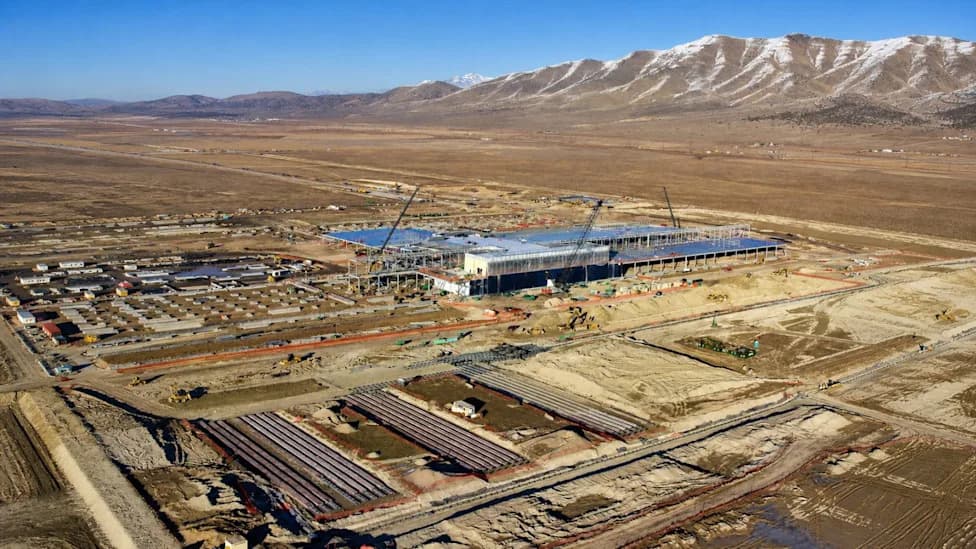
Denver-based Fleet Data Centers has asked Nevada regulators for permission to build two private methane-fired power plants within 30 miles of Reno to supply new data center campuses while utility upgrades are completed.
Local reporting by the Nevada Current says the proposal — for the Peru Ridge and South Valley campuses at the Tahoe Reno Industrial Center — could become a pivotal test of Nevada’s clean-energy rules and long-term grid planning.
What Fleet Is Proposing
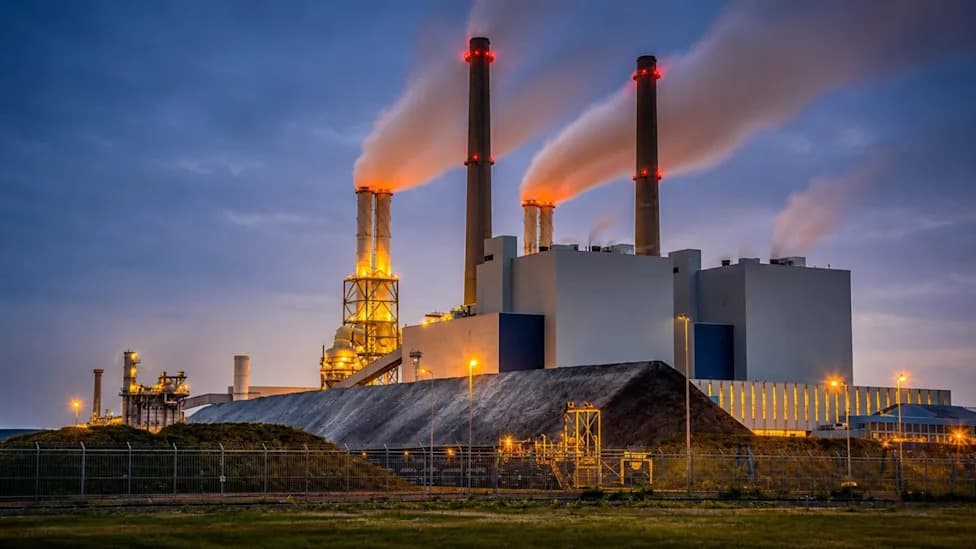
Fleet’s application before the Public Utility Commission of Nevada would allow two methane-fired engine plants that together would produce more than 360 megawatts of electricity — roughly enough to power about 396,000 homes. The company insists the plants are a short-term measure, likely operating for two to three years while NV Energy expands capacity to meet surging data center demand.
Opposition and Environmental Concerns
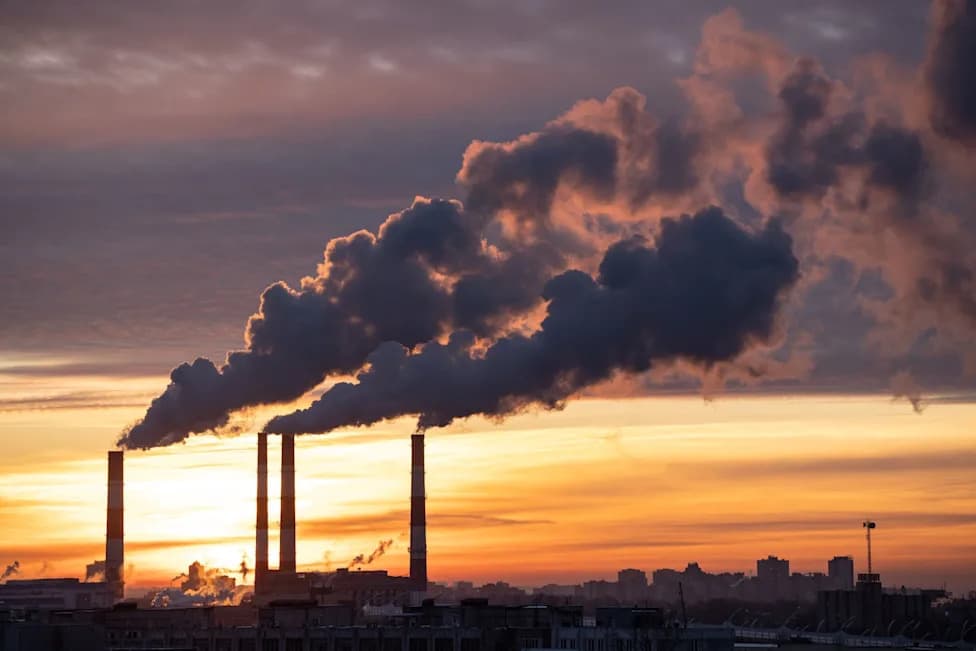
Opponents and clean-energy advocates argue facilities of this size are difficult to treat as temporary. Filings cited by the Nevada Current said the plants’ proposed fuel use would be about three times higher than the combined residential and commercial consumption of NV Energy’s Northern Nevada customers.
“It will inevitably lead to thousands upon thousands of megawatts of dirty data center development in Nevada that will likely degrade regional air quality and be an effective abandonment of Nevada's clean energy goals,” said clean energy advocate George Cavros during a hearing.
An analysis by Nevadans for Clean Affordable Reliable Energy, cited in local coverage, estimates the facilities would emit nearly 980 pounds of CO2 per megawatt-hour. The group calculated that if the plants had been operating in 2025, statewide emissions would have increased by almost 12%.
Health, Reliability, and Policy Risks
Critics also warn of local health impacts — methane-fired plants add to air pollution linked to asthma and heart disease — and broader reliability risks. Energy Innovation senior fellow Eric Gimon told the Nevada Current that a wave of private gas plants serving data centers could strain regional pipeline capacity during extreme weather, threatening reliability for ordinary customers as well as data centers.
Proponents of renewables argue that investments in large-scale solar, battery storage, and transmission upgrades are better aligned with Nevada’s 2019 renewable portfolio standard (50% renewable power by 2030) and with long-term economic resilience, while new fossil infrastructure risks becoming stranded as the grid decarbonizes.
Broader Context
Similar proposals have surfaced in other Western states, including Wyoming, Utah, and New Mexico. The outcome in Nevada — with regulators expected to issue a final ruling on Sept. 8 — could influence which types of power projects are permitted to meet urgent demand from rapidly expanding data center developments nationwide.
Regulators’ decision will determine whether temporary private gas plants become an accepted quick fix or whether the state enforces stricter alignment with its clean-energy goals while prioritizing grid upgrades, renewables, and storage.
Help us improve.