Opus Genetics' experimental phentolamine 0.75% eye drops, given once daily, produce moderate pupil constriction for at least 20 hours and aim to reduce halos and glare that impair night driving after LASIK. Two Phase 3 trials (LYNX‑1, n=145; LYNX‑2, ~200) met primary endpoints—LYNX‑1 showed 21% on drug vs. 3% on placebo gained ≥3 lines on a mesopic low‑contrast chart by day 15—and patient‑reported night‑vision severity also improved. The drug has FDA Fast Track status and LYNX‑3 is underway, but trials have not measured crash risk or long‑term/daytime effects, and the drops are not yet approved or available.
Experimental Phentolamine Eye Drops Could Ease Post‑LASIK Night‑Driving Glare — Positive Phase 3 Results
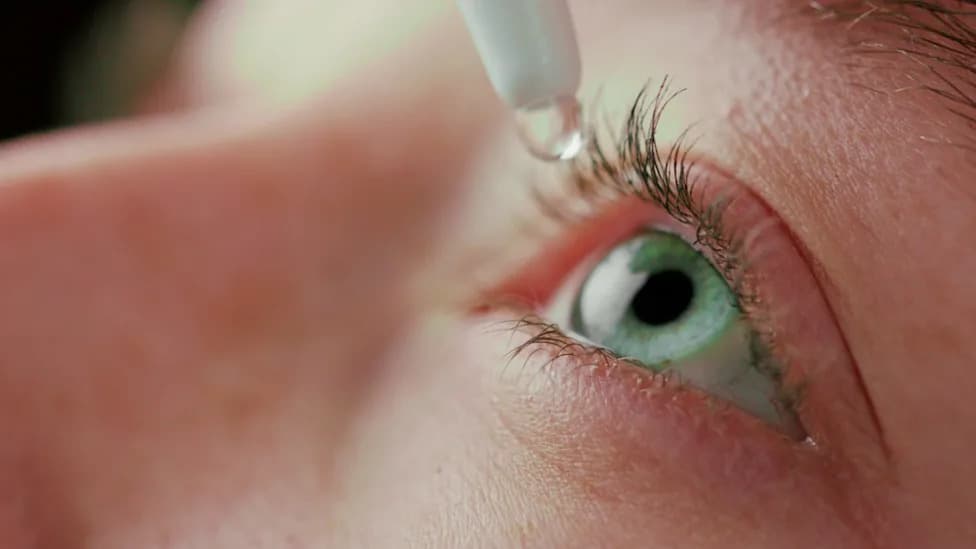
Image: Deposit Photos
Many people who have had LASIK report that nighttime driving becomes unnerving: oncoming headlights can appear as halos, starbursts and intense glare. That cluster of symptoms is a recognized postoperative issue, and until now there has been no approved drug specifically for this complaint. Opus Genetics' experimental phentolamine ophthalmic solution 0.75% has completed two Phase 3 studies targeting chronic night‑driving impairment and has received Fast Track designation from the U.S. Food and Drug Administration.
How It Works
The formulation is a once‑daily eye drop that produces a moderate pupil constriction lasting at least 20 hours. By narrowing the pupil, the drop reduces peripheral light distortions that many patients say make night driving disorienting. Phentolamine acts on the iris muscle to sustain that constriction while preserving retinal contrast sensitivity. The aim is clearer, lower‑distortion vision in dim conditions without fundamentally altering daytime vision.
Key Trial Results
The LYNX‑1 Phase 3 trial enrolled 145 adults who reported reduced dim‑light acuity, glare, halos and starbursts—many after corneal refractive procedures such as LASIK. Participants applied either phentolamine 0.75% or placebo once daily for treatment periods of 8 or 15 days. The primary endpoint was an improvement of at least three lines (15 letters) on a mesopic low‑contrast visual acuity chart.
By day 15, 21% of participants receiving phentolamine reached that threshold, versus 3% of placebo recipients, meeting LYNX‑1's primary endpoint (reported in the American Journal of Ophthalmology and summarized by Reuters). Patient‑reported measures reinforced the objective findings: on a 1–7 severity scale the phentolamine group's night‑vision problem score fell from 4.3 to 3.3 by day 15, while the placebo group moved from 4.6 to 4.3—a statistically significant difference.
Opus Genetics reported that LYNX‑2—which enrolled roughly 200 adults who had undergone keratorefractive surgery—also met its primary endpoint and produced patient‑reported functional improvements in night‑driving vision. A quote from the company's chief medical adviser, Dr. Jay Pepose, highlighted reported improvements in difficulty seeing the road because of oncoming headlights and in glare at dawn or dusk.
What’s Next—and What’s Not Yet Known
With two Phase 3 studies complete and a third—LYNX‑3—underway under an FDA Special Protocol Assessment, Opus Genetics expects study completion around March 2026. Fast Track status could help accelerate regulatory review if the data remain favorable.
Important limitations: None of the trials directly measured crash risk or objective driving performance, so better eye‑chart scores and reduced self‑reported glare do not prove on‑road safety benefits. The studies published so far cover short treatment windows (up to two weeks); longer‑term effects and potential impacts on daytime vision remain unknown.
Availability
Phentolamine ophthalmic solution is not FDA‑approved and is not commercially available. It cannot yet be prescribed to patients outside of clinical trials. The LYNX data provide a substantive evidence base for regulators, but clinicians and patients must await further data—especially from LYNX‑3—before any approval or broad clinical use.
Bottom line: Early Phase 3 results are promising and show objective and patient‑reported improvements in night‑vision problems after LASIK, but important questions about real‑world driving safety, long‑term effects and daytime vision remain unanswered.
Help us improve.