Isar Aerospace plans a second attempt to launch its Spectrum rocket from Andøya Space Center on Sept. 5, with live coverage starting at 3 p.m. EDT and the launch window opening at 4 p.m. EDT. Spectrum’s March 2025 maiden flight failed after an anomaly; a formal investigation cited an unintended vent-valve opening and loss of attitude control. Engineers say they have fixed the problems that delayed several previous attempts. Today’s mission will carry five cubesats and one scientific experiment, with Spectrum designed to deliver about 1,000 kg to low Earth orbit.
Isar Aerospace Attempts Historic Orbital Launch From Norway Today

Credit: Isar Aerospace via X
No rocket has yet reached orbit from European soil — and that could change today as German launcher Isar Aerospace prepares to attempt a milestone flight from Andøya Space Center in northern Norway.
Launch Window: Sept. 5, window opens at 4 p.m. EDT (2000 GMT; 10 p.m. local Norway). Live coverage is scheduled to begin at 3 p.m. EDT (1900 GMT) via Space.com and Isar Aerospace.
What’s Flying
The vehicle is Spectrum, a two-stage rocket about 95 feet (28 meters) tall. This is Spectrum’s second flight; its March 2025 maiden launch — dubbed "Going Full Spectrum" — ended in an in-flight failure less than a minute after liftoff.
What Happened On The First Flight
Isar completed a formal investigation and reported its findings in September 2025. The company identified an unintended opening of a vent valve and a loss of attitude control during the early roll maneuver as the initiating events that led to the failure. Engineers say they have applied the lessons from that probe to address the root causes.

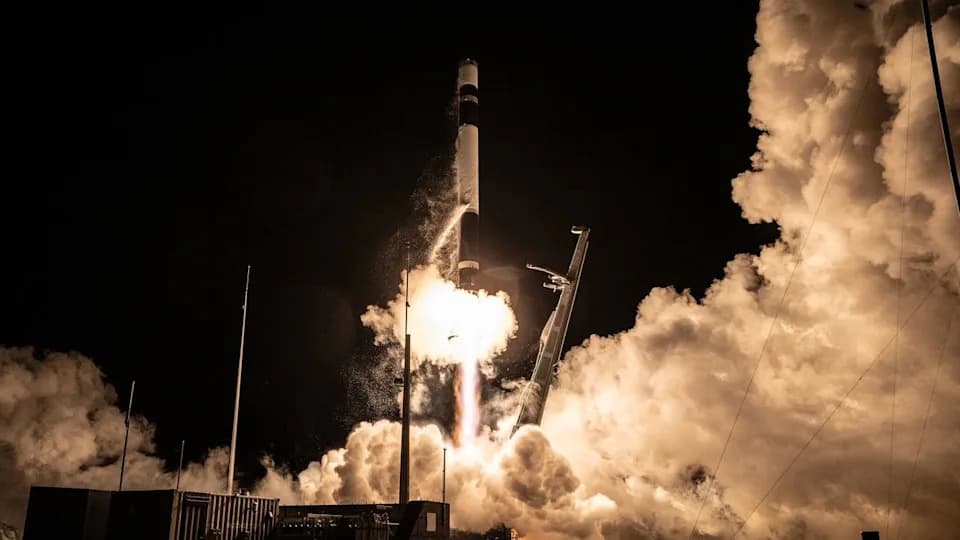
Isar Aerospace's Spectrum rocket on the pad at Andøya Space Center in Norway ahead of its second-ever flight. | Credit: Isar Aerospace via X
Delays And Troubleshooting
The follow-up mission, named "Onward and Upward," was originally planned for January but experienced several delays: a pressurization-valve problem, weather and range safety interruptions in March, a leak in a composite overwrapped pressure vessel on April 9, and an off-nominal behavior in the vehicle’s fluid systems detected on June 15. Isar reports those issues have since been resolved and Spectrum is back on the pad.
Payload And Capability
Unlike the maiden flight, this attempt will carry operational payloads: five cubesats plus one non-deployable scientific experiment. Spectrum is designed to deliver roughly 2,200 pounds (about 1,000 kilograms) to low Earth orbit and is intended as a workhorse for small- and medium-class satellite launches.
Isar also highlights production capacity: its manufacturing facility near Munich is reported to be able to produce more than 30 Spectrum vehicles per year, supporting plans for higher launch cadence if the vehicle proves reliable.
“These are exciting times for European space transportation, as we witness new actors developing and launching new vehicles,” said Toni Tolker-Nielsen, Director of Space Transportation at the European Space Agency, in a March 2026 statement. He added that, regardless of the outcome, the second flight will help diversify and strengthen the European launch market and provide valuable experience for Isar.
Whether Spectrum reaches orbit today or not, the attempt represents a significant step in European commercial launch capability and will provide further technical lessons for Isar Aerospace and the broader industry.
Help us improve.