The article examines a public debate over how to replace the International Space Station when it is retired around 2030. Phil McAlister urges proactive steps to ensure continued astronaut access to low Earth orbit, while Jared Isaacman warns against NASA becoming the dominant customer for private stations. The piece revisits a 20‑year "zero gravity, zero taxes" tax holiday as a possible incentive to spur space manufacturing and stations, noting past Congressional attempts and a 2007 CBO estimate of a $10 billion revenue impact. It argues that carefully designed incentives and procurement strategies could help foster a healthy commercial orbital economy without crowding out private investment.
A ‘Zero Gravity, Zero Taxes’ Push to Replace the ISS — Can Tax Breaks Jump‑Start Commercial Space Stations?
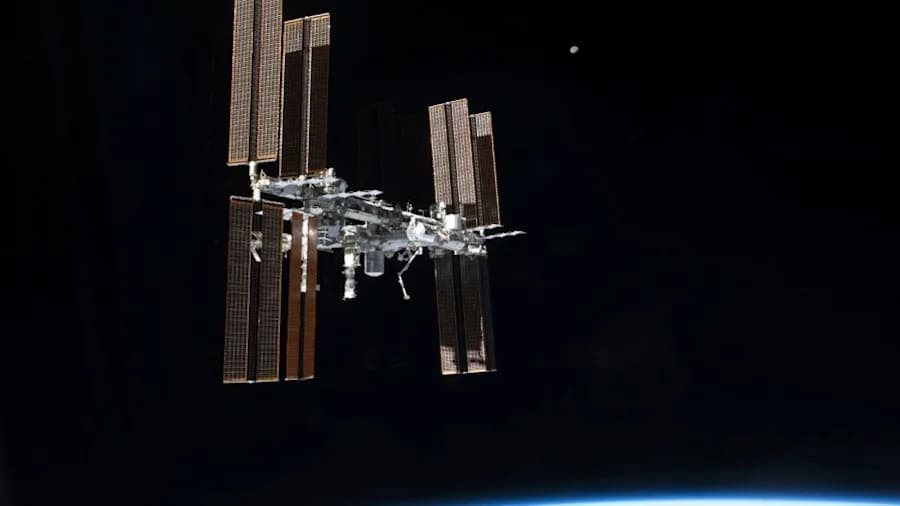
A candid debate has emerged over how to sustain human activity in low Earth orbit after the International Space Station (ISS) is scheduled to retire around 2030. The exchange highlights competing views on the role of government versus market forces in building a commercial orbital economy.
Phil McAlister, a retired senior NASA manager who helped lead the Commercial Crew and Commercial Orbital Transportation Services efforts, warns that if current crew transportation options change, access to low Earth orbit could become uncertain. In public remarks he has suggested that, without reliable transport, NASA — and the United States more broadly — could face gaps in astronaut access to private stations that are being proposed.
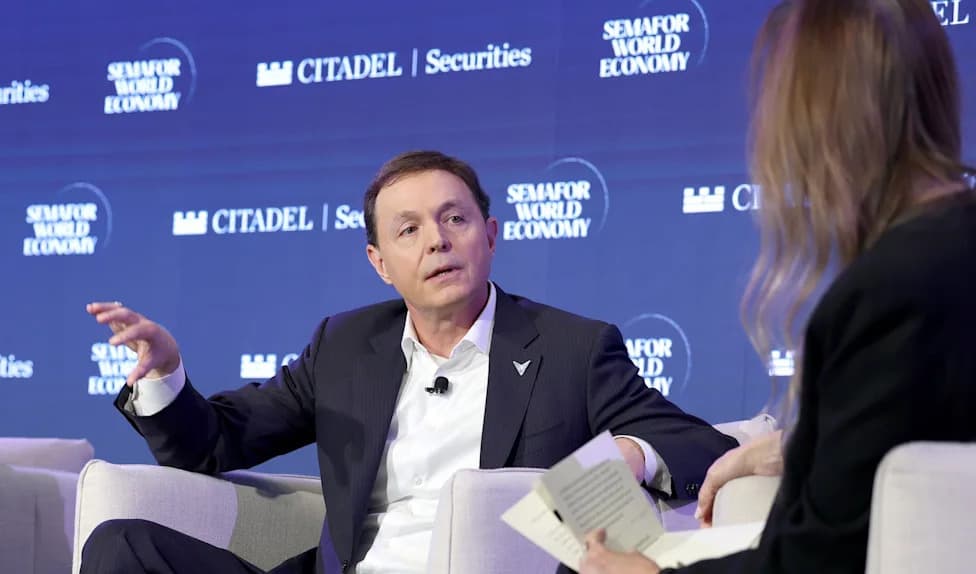
Jared Isaacman, an entrepreneur and commercial astronaut known for financing the Inspiration4 mission, has pushed back. He cautions that heavy NASA involvement as the principal customer for a private station risks creating facilities that are “commercial” in name only. Isaacman argues that truly commercial stations must attract private capital and a diverse customer base; otherwise, NASA’s dominant role would undercut the goal of commercialization.
Both perspectives have merit. McAlister’s concern spotlights the practical need for assured crew transportation and a smooth transition as the ISS winds down. Isaacman’s point emphasizes the long-term health of an orbital market: companies must be able to stand on their own to encourage innovation, competition and investment.
Reviving an Old Incentive: "Zero Gravity, Zero Taxes"
One policy idea that could accelerate private investment is the long-discussed “zero gravity, zero taxes” concept. Under proposals studied in the 2000s, the federal government would offer a 20‑year tax holiday covering goods and services produced in space to encourage space-based manufacturing and infrastructure development.
Congress considered bills with this idea in 2000, 2001 and 2005, but they stalled. A 2007 analysis by the Congressional Budget Office (CBO) estimated that the government would forgo roughly $10 billion in revenue over 20 years under the proposed tax break — a key political obstacle to passage.
Several points are worth noting. First, as of 2026, apart from communications satellites and Earth‑observation services, there is little in the way of an established commercial orbital economy producing taxable corporate receipts, so the immediate revenue impact today would be limited. Second, proponents argue that payroll and other taxes generated by employees on Earth who support orbital industries could offset a portion of any corporate tax breaks once the industry matures. Third, the U.S. corporate tax landscape changed after 2007 — the top statutory corporate tax rate fell from 35% to 21% with the 2017 tax reforms — altering the fiscal math compared with the earlier CBO estimate.
Practical Paths Forward
Policymakers have several levers to encourage a competitive market for private stations and transport services:
- Targeted tax incentives (like a time‑limited space production tax holiday) to lower startup costs for space manufacturing and station construction;
- Procurement strategies that purchase services from multiple commercial providers without becoming the sole or dominant customer;
- Support for transport diversity, including competitive Crew Delivery contracts or prize structures to encourage independent crew systems;
- Public‑private partnerships that require private capital and private customers as conditions of government support, preserving commercialization goals.
Any legislative proposal should be carefully modeled to assess long‑term fiscal effects and to design sunset clauses, eligibility rules, and safeguards that promote genuine private investment rather than creating quasi‑governmental monopolies.
Conclusion
The national push to return humans to the Moon and beyond is historic and rightly commands attention. But preserving and commercializing low Earth orbit is complementary and strategically important. McAlister’s urgency about assured access and Isaacman’s insistence on market discipline are not mutually exclusive: smart policy can help ensure NASA plays a supportive role while private firms build a resilient, competitive orbital economy.
About the author: Mark R. Whittington frequently writes about space policy and is the author of several books on lunar and Mars exploration. He also blogs at Curmudgeons Corner.
Help us improve.