Illinois ComEd customers have paid billions for grid upgrades, yet storms this year left about 2.4 million homes without power. ComEd says investments — including more than 10,000 automated devices and a $4.4 billion plan — prevented millions of additional outages, but significant outages persisted in neighborhoods such as Englewood. Advocates and local officials are pushing for clearer accountability, targeted maintenance, and affordable resilience options for the most vulnerable communities.
Billions Spent, Millions Still Dark: ComEd Customers Face Widespread Outages Despite Grid Investments
Photo Credit: iStock
Illinois residents have paid billions through ComEd bills to harden the power grid against severe weather, yet storms this year still left roughly 2.4 million homes without electricity across the utility’s service area. Many families waited days for power to return, forcing difficult trade-offs to protect medicines, preserve food and keep lights on.
What ComEd Says It Has Done
ComEd points to major investments and upgrades intended to improve reliability. The utility says it has already deployed more than 10,000 automated devices that detect faults, isolate problem segments and speed restoration. ComEd also reports an approved $4.4 billion grid-improvement program and is seeking state approval to collect more than $15 billion in future rate increases aimed at storm hardening and meeting growing electricity demand.
Dale Player, ComEd’s vice president of engineering and smart grid, told the Chicago Sun-Times the upgrades helped avoid an estimated 2.7 million additional outages in 2026.
Persistent Problems And Local Impacts
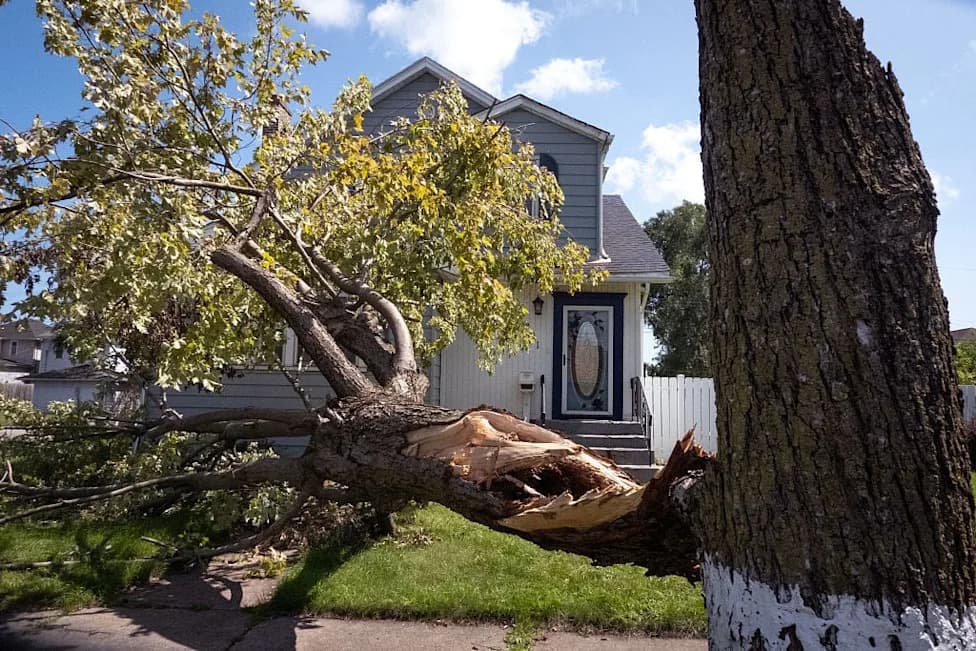
Despite those investments, outages continued. ComEd reported about 336,000 outages across Chicago in 2026, concentrated on the South Side and Southwest Side. A June storm in Englewood toppled thousands of trees and left more than 900 customers without power for three to four days. Nearby, a storm with winds comparable to a Category 2 hurricane left residents near Gary, Indiana, without power for two weeks; those residents later filed a lawsuit alleging Northern Indiana Public Service Co. (NIPSCO) failed to protect lines and poles from tree damage, a claim NIPSCO disputes.
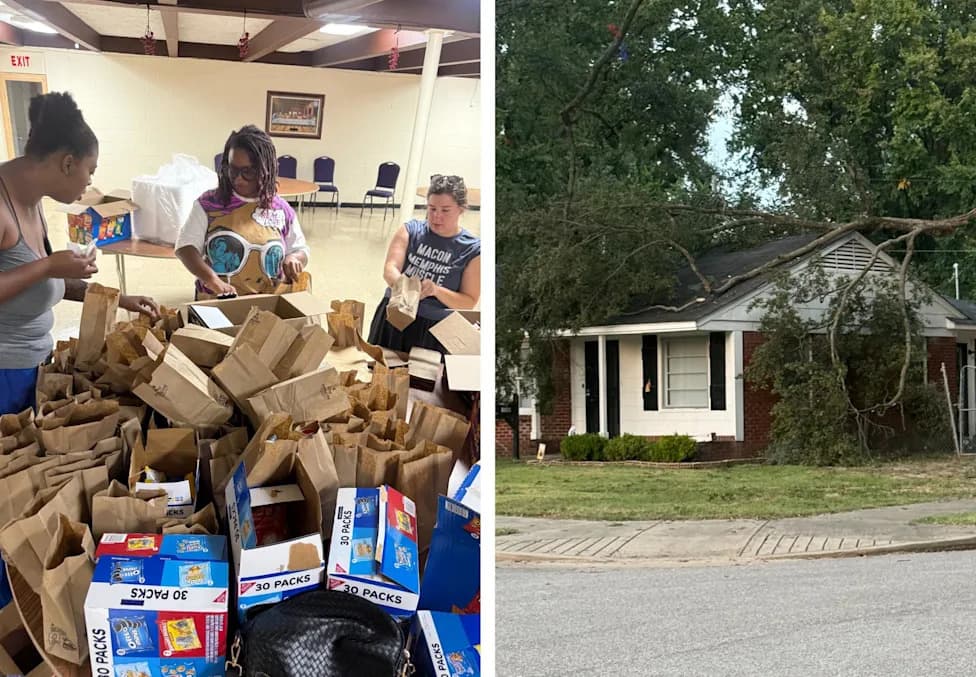
For households with limited savings, outages have real costs. South Deering resident Renee Rudder reported losing about $400 in groceries after an outage, and other residents have relied on friends, shelters or costly replacements to cope.
Vulnerable Neighborhoods
An analysis by Sophie Thuis, Midwest regional director for the nonprofit Carbon League, flagged neighborhoods such as Roseland, South Deering, Washington Park and North Lawndale as particularly vulnerable because of aging equipment and other systemic weaknesses.
Oversight, Equity And Planning
Advocates say utilities must balance maintenance and affordability rather than letting profitability drive investment decisions. "Gary should be a warning to all utilities — in Illinois and across the nation," Sarah Moskowitz, executive director of the Citizens Utility Board, told the Sun-Times. "If that duty takes a backseat to their profit margin, they risk disaster."
ComEd says planning for severe weather is now central to operations: it employs an in-house meteorologist and is collaborating with Argonne National Laboratory to study how climate change could affect the northern Illinois grid. The company also says it prioritizes vulnerable circuits ahead of major storms and aims to restore power within 12 to 24 hours after the worst events, though large-scale damage can extend those timelines.
Regulators at the Illinois Commerce Commission have made grid reliability a priority, and local officials, including Ald. Matt Martin, are urging Chicago to negotiate a new franchise agreement with clearer accountability standards after the previous agreement expired at the end of 2020 and was not renewed.
Options And Policy Choices
As outages grow more frequent, policy decisions and market options shape how households cope. Solar subscription services and rooftop-plus-battery systems can reduce bills and provide backup power for some customers, but upfront costs, subscription terms and geographic disparities mean these solutions are not equally available to all communities.
Bottom line: Investments have reduced the number of outages, but continued large-scale failures, aging equipment and affordability concerns leave low-income and frontline neighborhoods especially at risk. Stronger oversight, transparent pricing and targeted resilience measures will be needed to protect the most vulnerable customers.
Help us improve.