Summer power shutoffs in Georgia often inflict costs beyond lost comfort: spoiled food, missed work, poor sleep and increased health risks. Georgia Power ranked 10th nationally for disconnections in 2024 (187,007), and Southern Company reported about 273,800 residential cutoff events in 2025. Rising bills after Plant Vogtle and growing demand from data centers have increased pressure; experts say aid and home solutions like solar-plus-storage can reduce risks.
Georgia Power Shutoffs Cost Households Far More Than Comfort — Spoiled Food, Missed Work and Dangerous Heat on the Rise

Photo Credit: iStock
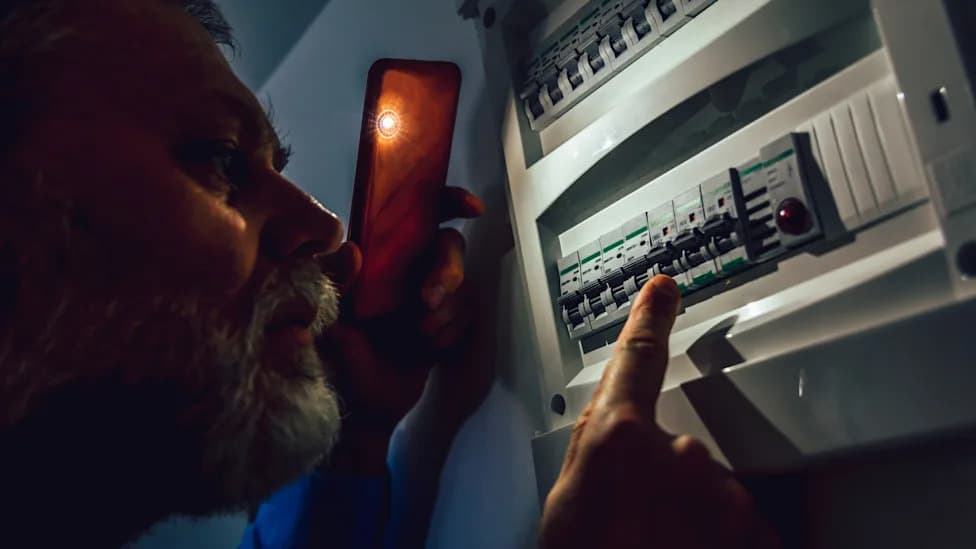
Summer power outages in Georgia can do far more than inconvenience residents: they can make homes dangerously hot, ruin food, disrupt sleep and force people to miss work. For many Georgia Power customers, these outages are not one-off emergencies but part of a recurring pattern tied to rising electricity bills.
How Big Is the Problem?
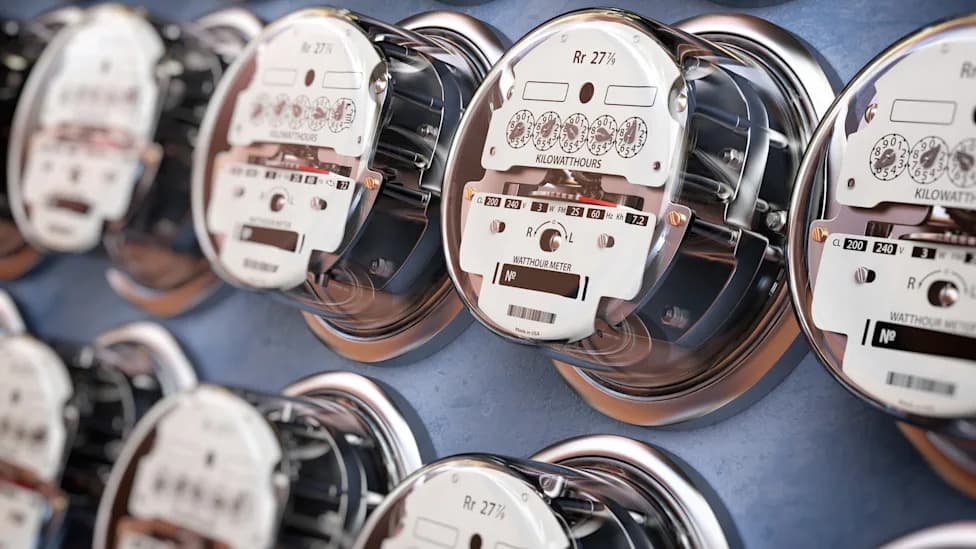
Analysis cited by Inside Climate News shows the Energy and Policy Institute ranked Georgia Power 10th nationally for utility disconnections in 2024, documenting 187,007 disconnections among nearly 2.5 million customers. Georgia Power's parent, Southern Company, separately reported about 273,800 residential disconnection events in 2025; that larger number reflects repeat cutoffs and account turnover rather than unique households.
Why Bills Are Rising
Customers have been absorbing higher costs since the nuclear Plant Vogtle began operating and as Georgia Power moves to add generation to meet rapidly growing demand from data centers. Those higher costs are especially burdensome in summer when air conditioners run longer and bills spike, increasing the risk that households fall behind on payments.
PrePay Plans And A Repeating Cycle
Customers who fall behind can be placed on a PrePay plan. Under that arrangement, 25% of each payment is applied to past-due debt while the remainder covers future electricity use. If an account balance drops below zero, service can be disconnected until a payment raises the balance to $5 or more. That cycle can repeat multiple times in a single month, trapping households in what many describe as a "brutal cycle."
"It really is a brutal cycle," said Donica Odell, a Georgia resident who works full time at a law firm after her bill jumped from a winter average of about $120 to nearly $600 in one month.
Protections, Health Risks And Gaps
The state Public Service Commission regulates Georgia Power and prohibits residential disconnections for unpaid bills during extreme-heat events — but those protections are temporary and depend on county-level heat advisories or warnings. Once alerts expire, shutoffs can resume. Importantly, customers on deferred-payment arrangements such as PrePay are not covered by these heat-related protections. The World Health Organization warns that losing air conditioning during extreme heat increases exposure to dangerously high indoor temperatures and raises the risk of heat-related illness.
What The Research Shows
A California study tracking roughly 300,000 low-income households found that each additional 95-degree day was associated with a 1.6% rise in electricity costs and a 1.2% higher probability of disconnection over the following 51 to 75 days. One study author, Barreca, called disconnections "the canary in the coal mine" for broader financial strain on families.
Potential Responses And Home-Level Solutions
Experts say expanded subsidies and stronger government assistance programs could help reduce disconnection rates. The Low Income Home Energy Assistance Program (LIHEAP) has been proposed for cuts by some policymakers, though Congress has continued funding to date.
For households that can afford or qualify for them, rooftop solar and battery storage offer ways to lower monthly energy costs and provide resilience during outages. Solar paired with batteries can keep essential appliances running during grid failures and — in some systems — allow limited off-grid operation. Competitive solar marketplaces can help homeowners compare quotes and estimate installation costs.
Wider Context
These household impacts reflect larger forces: scrutiny over utility spending, and surging electricity demand from data centers and cryptocurrency operations that can push system costs higher. Together, those dynamics are making rooftop solar and home batteries look less like optional luxuries and more like practical protections for many families.
Bottom line: Repeated summer shutoffs in Georgia are causing tangible economic and health harms. Policy changes, targeted assistance, and household investments in solar and storage are among the paths that could reduce future disconnections and protect vulnerable customers.
Help us improve.