FOI responses obtained by Carbon Brief show 1,110 NHS operations were cancelled during two heatwave periods (22–28 May and 18–27 June), based on returns from 59 of 140 trusts contacted. Reported cancellations include hip and knee replacements, heart, eye and skin cancer procedures; at least 10 emergency surgeries were also called off and 18 operations were abandoned mid-procedure. Experts warn that extreme heat can compromise operating-theatre ventilation, raise infection risks, affect equipment and strain staff. The government has announced an initial £32m for cooling and ventilation improvements and launched a new heat taskforce; the Climate Change Committee recommends hospital cooling by 2035.
Heatwaves Forced 1,110 NHS Operations To Be Cancelled In May And June
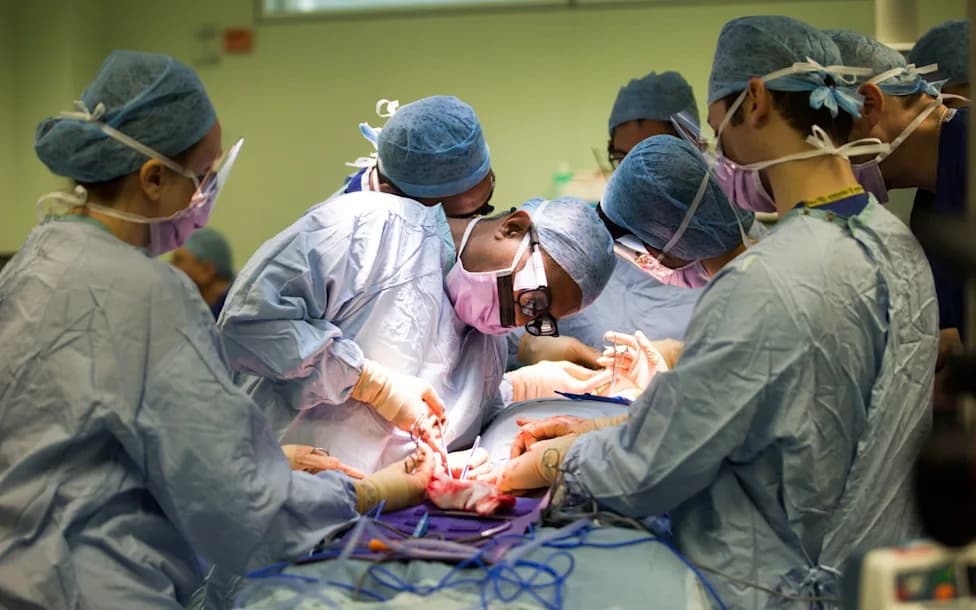
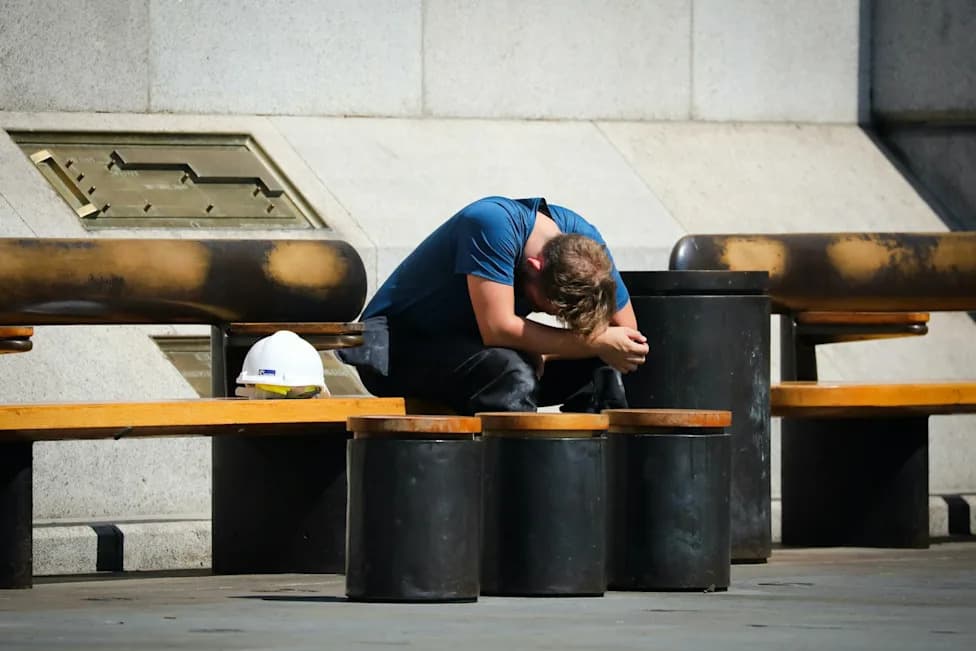
At least 10 emergency surgeries for life-threatening conditions were cancelled in the 17-day period covering May 22-28 and June 18-27 - Bloomberg/Matthew Lloyd
More than 1,100 planned operations at NHS hospitals were cancelled during two extreme heatwave periods in late spring and early summer, Freedom of Information (FOI) responses obtained by Carbon Brief show.
What the data shows
Carbon Brief asked 140 NHS trusts and health boards in England and Wales for records of operations cancelled when Met Office amber or red heat warnings were in force. Fifty-nine trusts responded, reporting a combined total of 1,110 heat-related cancellations across two 17-day periods: 22–28 May and 18–27 June.
The publication notes this is likely an underestimate because fewer than half of the trusts contacted provided data and many said they do not record cancellations specifically linked to high temperatures. Where trusts supplied details for 596 individual procedures, those included 167 orthopaedic operations such as hip and knee replacements, plus heart, eye and skin cancer surgeries. Nearly all were elective procedures.
Alarmingly, at least 10 emergency surgeries for life-threatening conditions were also cancelled, and 18 operations were abandoned partway through because of the heat, the FOI responses show. Many of the worst-affected hospitals were in southern England, where temperatures peaked.
Why heat disrupts operations
Experts told Carbon Brief that very high temperatures can impair the ventilation systems that regulate operating theatres, increasing infection risk, affecting equipment performance and placing additional strain on staff required to work in protective clothing. The June heatwave triggered a rare Met Office red warning, forcing some school closures and disrupting transport; A&E and ambulance services also experienced record demand over the summer.
Tim Lane, president of the Royal College of Surgeons of England, said surgeons had reported that extreme heat, ageing ventilation systems and deteriorating hospital buildings made it harder to keep theatres running and to treat patients on time.
“When an operation is cancelled, patients face extra pain, anxiety and uncertainty as they wait for a new date,” he added, warning that cancellations waste theatre time and can extend waiting lists for months.
Angharad Hopkinson of Greenpeace UK said adapting to extreme heat is essential but argued the most effective prevention is a rapid transition away from fossil fuels and toward renewables and clean technologies.
Government response and recommendations
The Department of Health and Social Care said the FOI figures underline the need for the action announced by Health Secretary Yvette Cooper, including an initial £32m allocation to improve cooling and ventilation systems and a new heat taskforce to assess impacts on vulnerable groups and to prioritise summer heat planning alongside winter pressures.
The Climate Change Committee, the UK’s independent adviser on climate, has recommended measures to adapt hospital estates to rising temperatures, including widespread installation of cooling systems such as air conditioning by 2035.
While the government funding and the estate safety fund are described by hospital leaders as a positive start, clinicians and campaigners say more sustained investment and clearer recording of heat-related disruption are needed to protect patients and staff as extreme heat events become more frequent.
Help us improve.