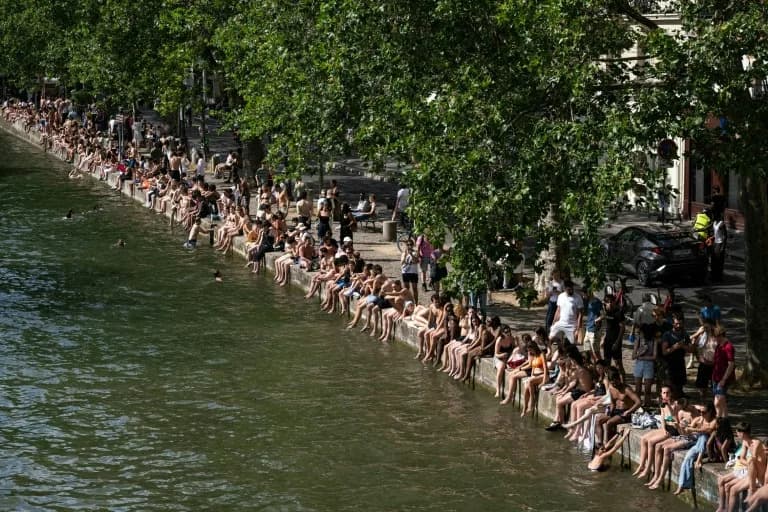
Germany reported about 14,000 heat-related deaths this summer, including roughly 9,600 during a single week in late June when temperatures topped 40°C, the Robert Koch Institute said. Spain and France also recorded thousands of excess deaths linked to extreme heat. Officials warn the RKI’s methods are conservative and the true toll may be higher. Policymakers are pushing for stronger climate adaptation rules and major investments (an estimated €20 billion) to protect hospitals, care homes and vulnerable people.
Germany Records About 14,000 Heat-Related Deaths This Summer as Europe Sizzles
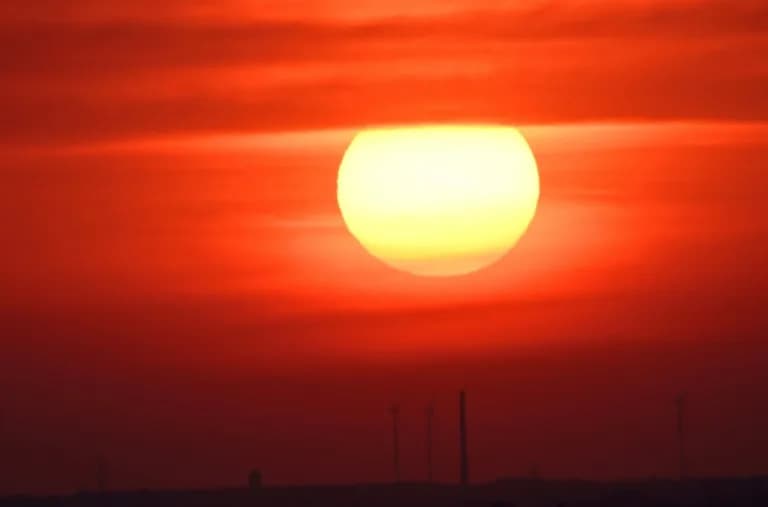
Around 9,600 deaths took place in one week in late June when Germany baked in temperatures of over 40C, according to the Robert Koch Institute (RALF HIRSCHBERGER)
Germany recorded roughly 14,000 heat-related deaths this summer, official data from the Robert Koch Institute (RKI) show, as Europe endured a succession of intense heatwaves and prolonged drought.
Sharp Spike During Late-June Heatwave
The RKI estimates that about 9,600 of those fatalities occurred in a single week in late June, when parts of Germany experienced temperatures above 40°C. Across the continent, Spain and France also reported large numbers of heat-linked deaths during the same period.
Who Was Most Affected
The largest share of heat-related fatalities in Germany occurred among people aged 75 and older. Health officials stress that extreme heat often acts together with pre-existing medical conditions: in some cases heatstroke is the direct cause, but more commonly heat exacerbates chronic illnesses and contributes to fatal events.
"In some cases — such as heatstroke — exposure to heat leads directly to death, whereas in most instances, death results from a combination of heat exposure and pre-existing medical conditions," the RKI said.
How The Figures Are Estimated
Heat is rarely recorded as the underlying cause on death certificates, so the RKI uses statistical methods to estimate heat-related mortality. The institute noted it has compiled comparable data for the past decade: the previous high was 8,900 heat-related deaths in 2018, and a separate medical publication had estimated about 10,000 heat deaths in 1994.
Broader Impacts
This summer's combination of extreme heat and drought has also sparked wildfires, reduced crop yields and lowered water levels in major rivers used for cargo shipping — amplifying economic and public-health pressures across Europe.
Calls For Policy And Investment
Ministers from the centre-left Social Democrats (SPD), who are junior coalition partners to the conservatives led by Friedrich Merz, have urged that the need for climate adaptation and nature conservation be enshrined in Germany's Basic Law. They proposed changes to urban planning rules, building codes and labour protections for work in high temperatures.
Former SPD health minister Karl Lauterbach and the German Association of Towns and Municipalities warned that many hospitals and nursing homes lack air conditioning and other measures needed to protect vulnerable people. The association estimated a minimum investment requirement of €20 billion to adapt health and care facilities.
"Effective heat protection costs a lot of money," Lauterbach said, adding that the RKI's methodology is conservative and the true toll may be higher.
What This Means
Authorities and experts say the surge in heat-related deaths highlights an urgent need for targeted public-health measures, infrastructure upgrades and legal reforms to protect elderly and vulnerable populations as extreme-heat events become more frequent and severe.
Help us improve.