The government has paused its programme of local government reorganisation after fresh legal advice prompted a formal review. Plans to merge councils in Essex, Hampshire, Norfolk and Suffolk have been withdrawn, and proposals in 14 additional areas are on hold while ministers reassess the process. Surrey's planned unitary reorganisation will proceed, and local elections in May 2027 will use existing boundaries. The review follows legal challenges and sharp political criticism.
Government Pauses Major Council Mergers After Legal Review
[PA Media]
The UK government has put plans for a wide-ranging reorganisation of local government on hold after receiving fresh legal advice and launching a formal review. Proposals to combine smaller district councils into larger unitary authorities in Essex, Hampshire, Norfolk and Suffolk have been withdrawn, and reorganisation in 14 other areas has been paused while ministers reassess the proposals.
What Ministers Announced
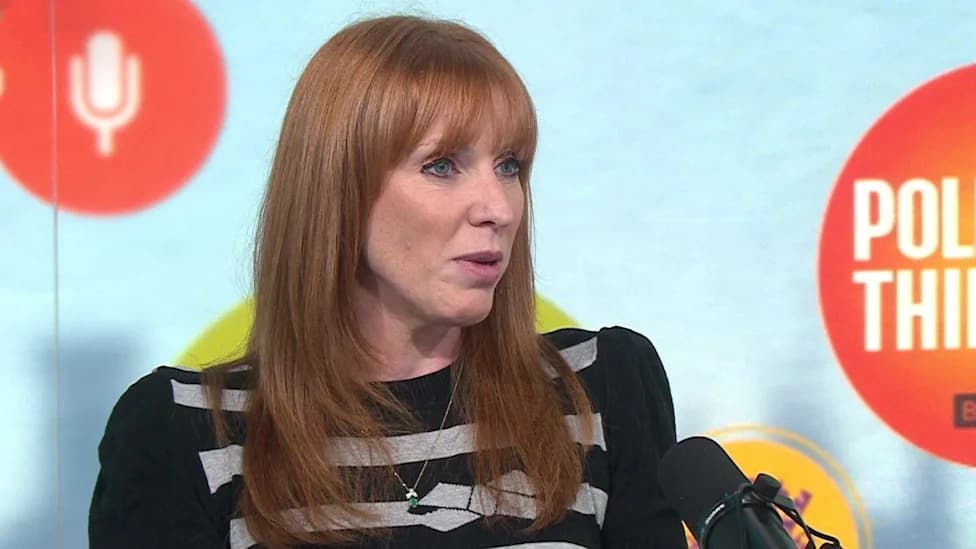
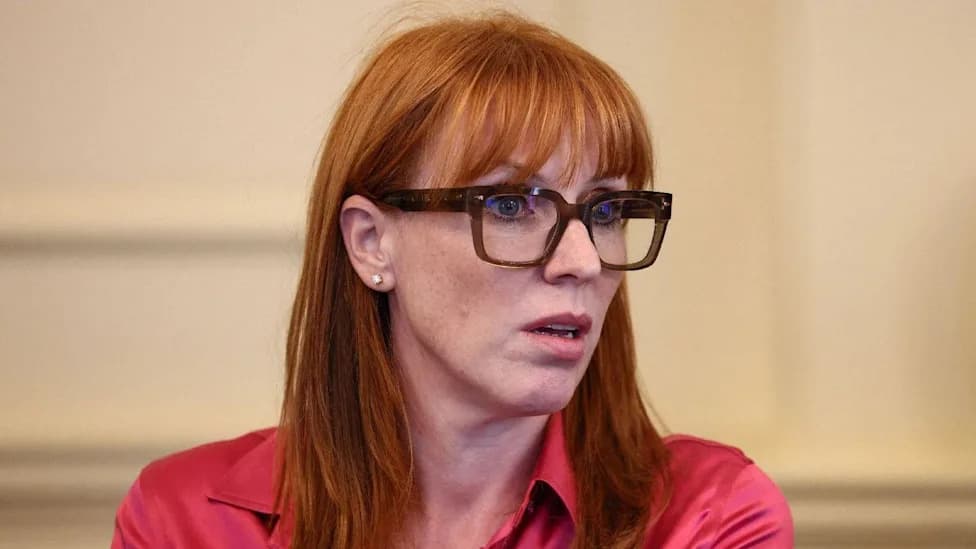
Local Government Secretary Angela Rayner told Parliament she had acted after legal advice prompted a need to check the robustness and lawfulness of the process. She said the review will also test whether the proposals align with the priorities of a new administration and prime minister.
“In light of legal advice, I want to satisfy myself firstly that the right process is in place, that it is robust, and of course complies with the law,” Rayner said.
Ministers confirmed that reorganisation in Surrey will continue as planned: councillors elected in May to two new unitary authorities will retain their positions. They also said local elections in May 2027 will go ahead using the existing council boundaries.
Political Reaction And Legal Challenges
The government had already been facing legal challenges to the proposals in the four counties whose plans were withdrawn. In June, Reform-led councils in Essex, Norfolk and Suffolk launched judicial reviews, and the Conservative-led administration in Hampshire pursued similar action.
[BBC]
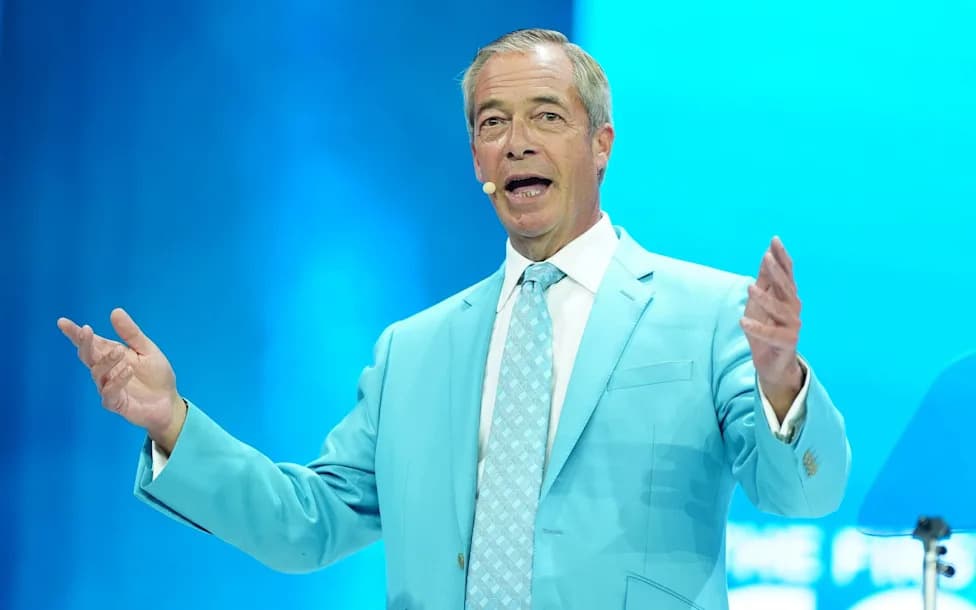
Political responses were swift. Reform UK leader Nigel Farage welcomed the withdrawal, crediting judicial reviews mounted by his party's councils. Conservative shadow local government minister David Simmonds called the pause a “humiliation” for ministers. Liberal Democrat spokeswoman Zöe Franklin described the decision as an “embarrassing and chaotic climbdown,” warning that cash-strapped councils had spent money preparing proposals the government previously described as legally secure. Sean Matthews of the County Councils Network said many members would be relieved that potentially damaging and financially unsustainable decisions were being reconsidered.
Why This Matters
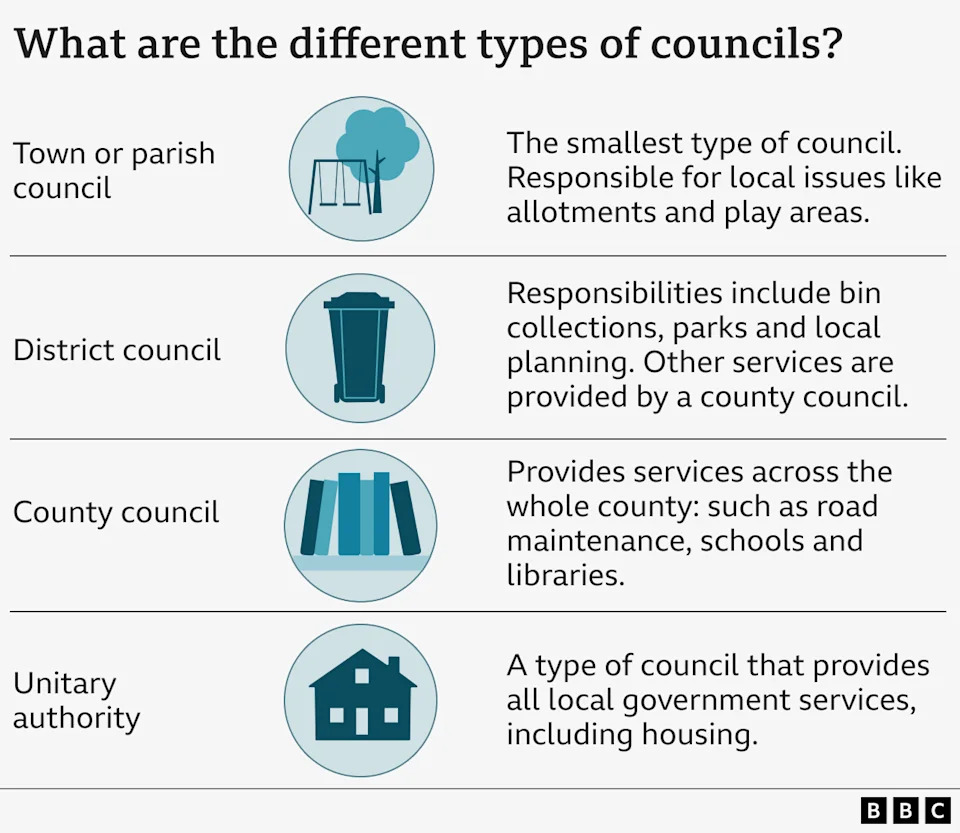
Local government in England currently operates under a mix of systems. In many areas a two-tier model exists, with county councils responsible for services such as social care and education and district councils handling local services such as bin collections. Larger towns and cities often have unitary authorities that deliver the full range of local services. In some regions, combined authorities and regional mayors exercise expanded powers over transport, planning and housing.
In late 2024, while serving as local government secretary, Angela Rayner set out plans to move more areas to unitary councils, redrawing boundaries and abolishing smaller district councils. The government argued the changes would simplify governance, devolve powers to regions and deliver savings through more efficient service delivery. Critics insisted the reforms would not save money, risked diverting resources from frontline services and could make councils more remote from their communities.
Areas Affected
Decisions in two areas — Cambridgeshire and Peterborough, and West Sussex — remain under consideration as part of the wider review. The 14 areas where reorganisation is currently paused are listed below.
- Derby and Derbyshire
- Devon, Plymouth and Torbay
- East Sussex and Brighton
- Gloucestershire
- Hertfordshire
- Kent and Medway
- Lancashire, Blackburn with Darwen and Blackpool
- Leicester, Leicestershire and Rutland
- Lincolnshire, North Lincolnshire and North East Lincolnshire
- Nottingham and Nottinghamshire
- Oxfordshire and West Berkshire
- Staffordshire and Stoke-on-Trent
- Warwickshire
- Worcestershire
The review is ongoing and ministers have not set a timetable for its completion. Officials said further announcements will be made once the government is satisfied the process is legally robust and aligned with the administration's priorities.
Help us improve.