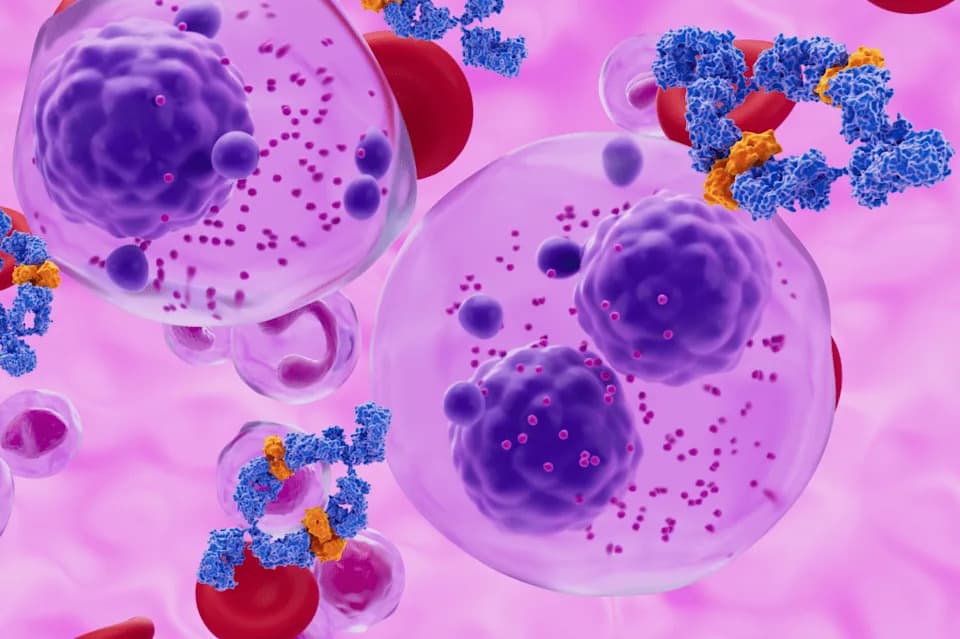
A European Respiratory Society study found about 20% more microplastic particles in lung fluid from 50 lung cancer patients in Greece compared with controls. The finding adds to evidence that people inhale microplastics, which have been detected across environments and in human tissues. Researchers warn the particles might promote inflammation tied to cancer but emphasize that causation is unproven and larger studies are needed. Smoking remains the primary risk factor for lung cancer.
Microplastics Found More Often in Lungs of Cancer Patients — New Study Raises Health Questions

Scientists make concerning discovery about lung cancer and microplastics
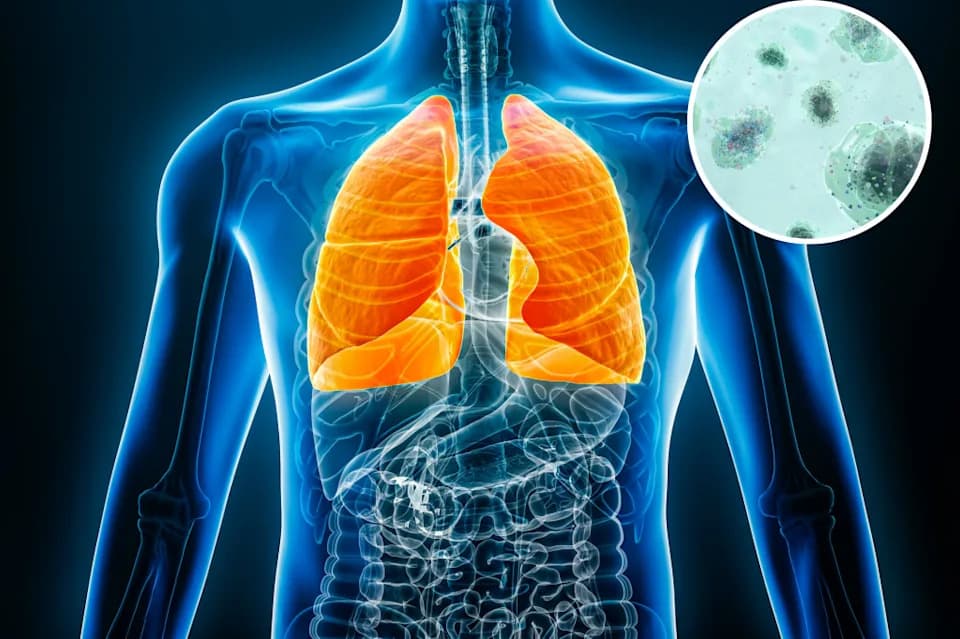
A study presented by the European Respiratory Society found that people with lung cancer had about 20% more microplastic particles in lung fluid than people without the disease. The research examined bronchoalveolar lavage samples from 50 lung cancer patients in Greece and compared them with samples from individuals without lung cancer.
Microplastics are tiny fragments that break off larger plastic items as they degrade. Scientists have detected these particles across environments — in oceans, in the air, in animals and inside human bodies, including in the placenta. The United Nations projects that plastic pollution could nearly triple by 2060, increasing the chances of human exposure.

Microplastics could contribute to inflammation or other biological processes linked to cancer, scientists fear (AFP/Getty)
“Our results suggest that inhaled microplastics can be found in the human lung more frequently than many people may realize,” said Dr. Ilias Dimeas of University College Dublin School of Medicine.
Researchers say inhaled microplastics may contribute to inflammation or other biological processes linked to cancer. However, the team cautioned that diseased lungs might retain particles differently than healthy lungs, so the findings do not establish that microplastics cause cancer.
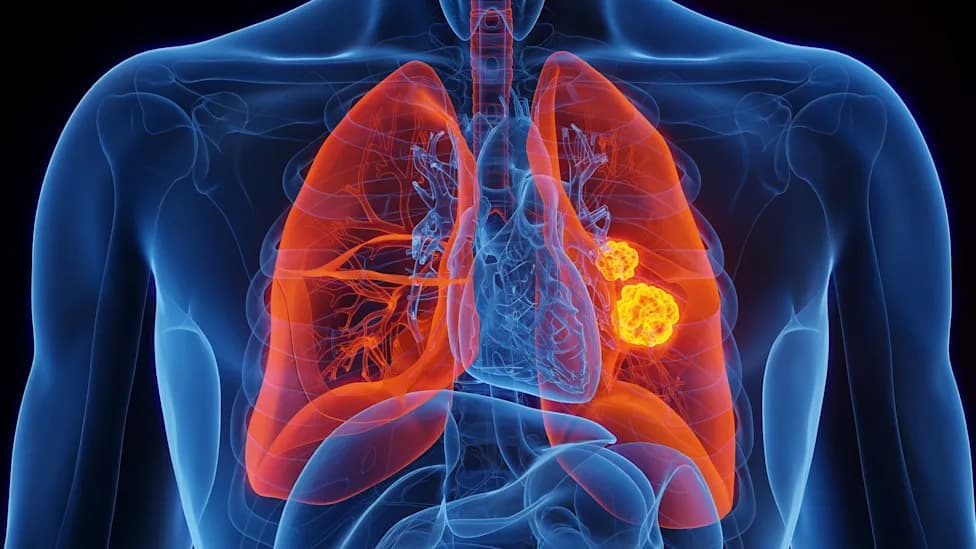
Other recent studies have reported microplastics in lung and colon tumors and inside prostate cancer tissue; some analyses have found higher microplastic concentrations in tumor tissue than in adjacent healthy tissue. Major cancer organizations, including the American Cancer Society, say current evidence is insufficient to prove causation and call for more research to clarify health risks.
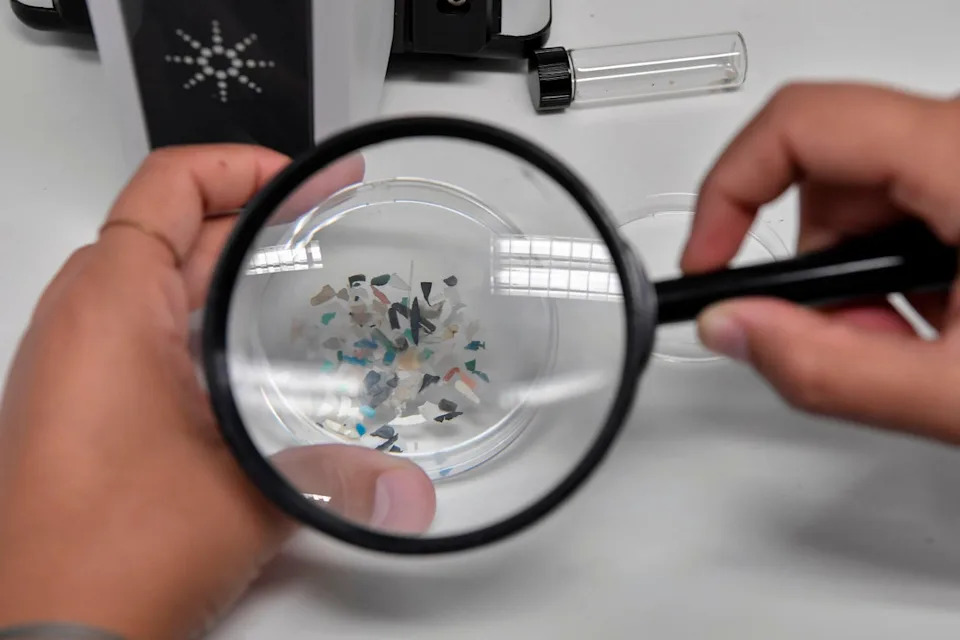
There are microplastics pretty much everywhere. The plastic particles have been found in cancer tumors before (AFP/Getty)
Lung cancer remains the leading cause of cancer deaths worldwide, accounting for roughly 20% of cancer deaths. The American Cancer Society estimates nearly 125,000 lung cancer deaths in the United States this year. Smoking remains the largest known risk factor for lung cancer, even as U.S. smoking rates reach historic lows.
What Comes Next
Scientists recommend further, larger studies to determine whether microplastics directly contribute to cancer development or progression, and to understand how particle size, shape and chemical additives influence biological effects. Reducing plastic pollution could benefit ecosystems and potentially human health, but rigorous evidence is still needed to guide public-health recommendations.
Help us improve.