The Supreme Court permitted states to use the SAVE database for individualized citizenship checks of registered voters ahead of the midterms, reviving a Trump-era tool critics say may be unreliable. While SAVE can be used for targeted checks, the Court left unresolved whether its use could justify mass removals within 90 days of an election — a question it will decide next term. Experts warn SAVE has produced false positives (notably in Texas) and advise voters to verify their registration with local election officials.
Supreme Court Allows Use Of Trump-Era SAVE System Ahead Of Midterms — What Voters Need To Know
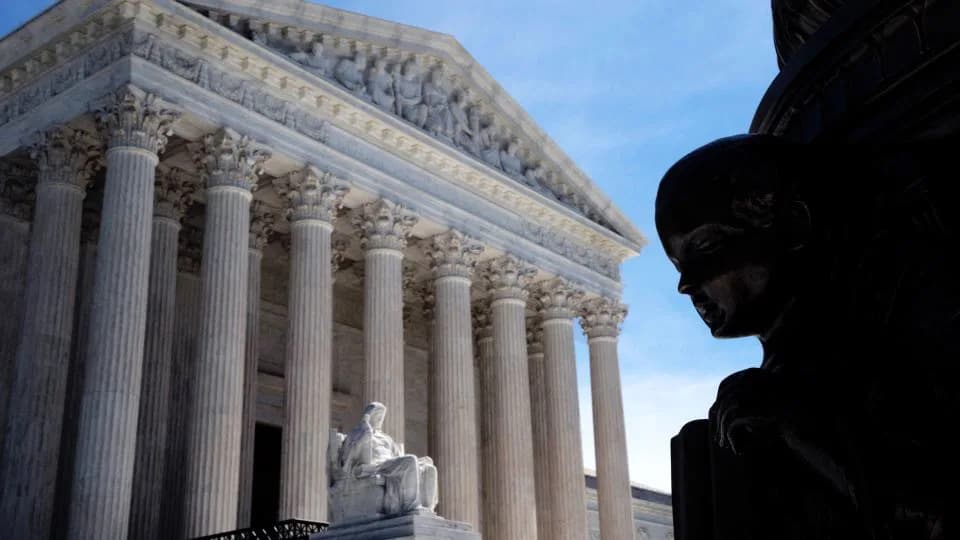
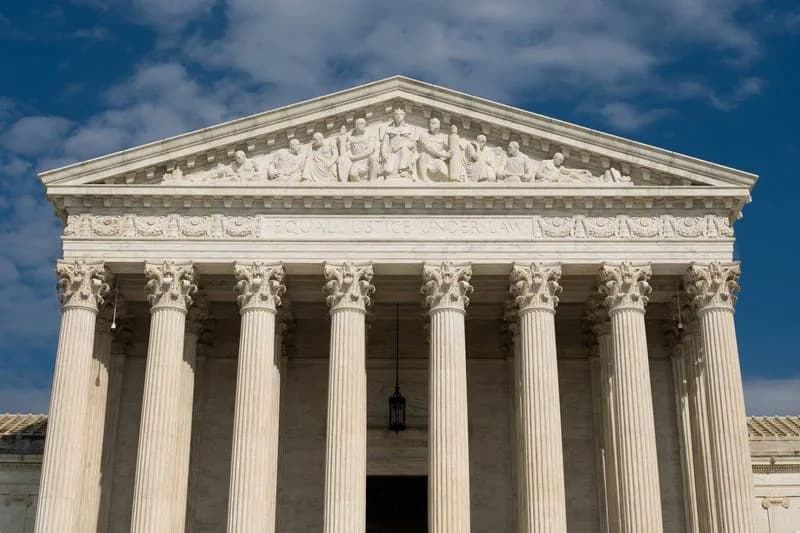
A view of the US Supreme Court in Washington, DC, on Friday, September 25. - Nathan Howard/Reuters
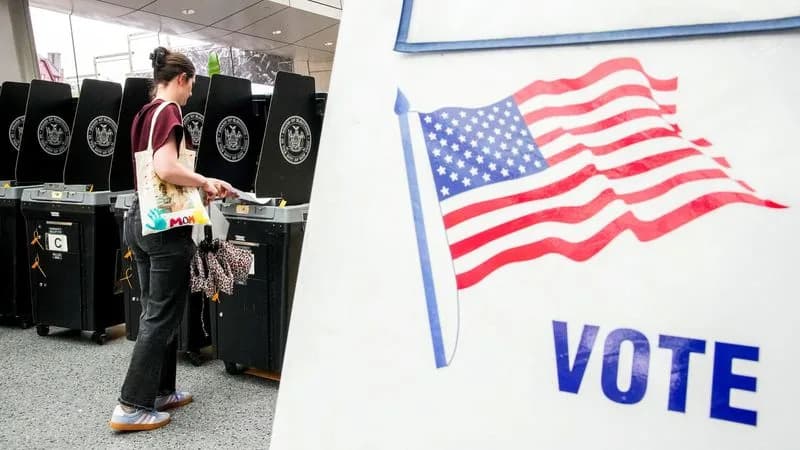
With less than two months before Election Day, the Supreme Court on Friday cleared the way for states to use a Trump-era federal database — the Systematic Alien Verification for Entitlements (SAVE) — to conduct individualized checks of voters' citizenship status. The move revives a controversial tool critics say is unreliable and risks wrongly removing lawful voters from registration lists.
What is SAVE? SAVE is a long-standing federal system used by agencies to verify immigration and citizenship status for benefits and other purposes. The Trump administration expanded SAVE, linking it to additional federal records, including Social Security Administration data, and encouraged states to upload voter registration rolls for review.
Fredreka Schouten, CNN: Some local election offices have previously paid to query SAVE to confirm registrants' status. Beginning last year, the administration integrated SAVE with more government records and promoted bulk uploads of registration lists.
What the Court allowed — and what it left unresolved
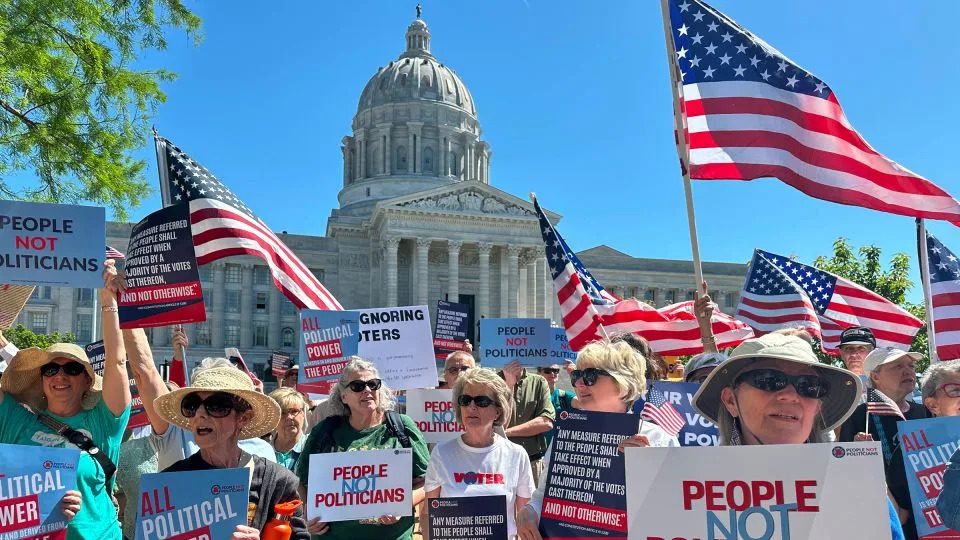
Protesters against Missouri's congressional redistricting plan gather outside the Missouri Capitol in Jefferson City, on May 12. - David A. Lieb/AP/File
The high court's order allows SAVE to be used for individualized checks ahead of the election, but it did not fully resolve whether the administration can use SAVE to enable large-scale purges close to Election Day. Federal law generally prohibits mass removals from rolls within 90 days of an election. The administration argues that exception should not apply to people who were never lawfully registered because they are noncitizens; the Court will address that precise legal question next term — after the midterms.
Why critics worry
Voting-rights advocates and election officials warn the system can produce false positives. In Texas, officials ran all 18 million registered voters through SAVE and initially flagged 2,724 potential noncitizens. Local election officials who reviewed the cases found many flagged people were citizens — including naturalized citizens whom SAVE failed to identify correctly. Hundreds later were confirmed to be eligible to vote and counties were urged to reinstate any registrations that had been removed.
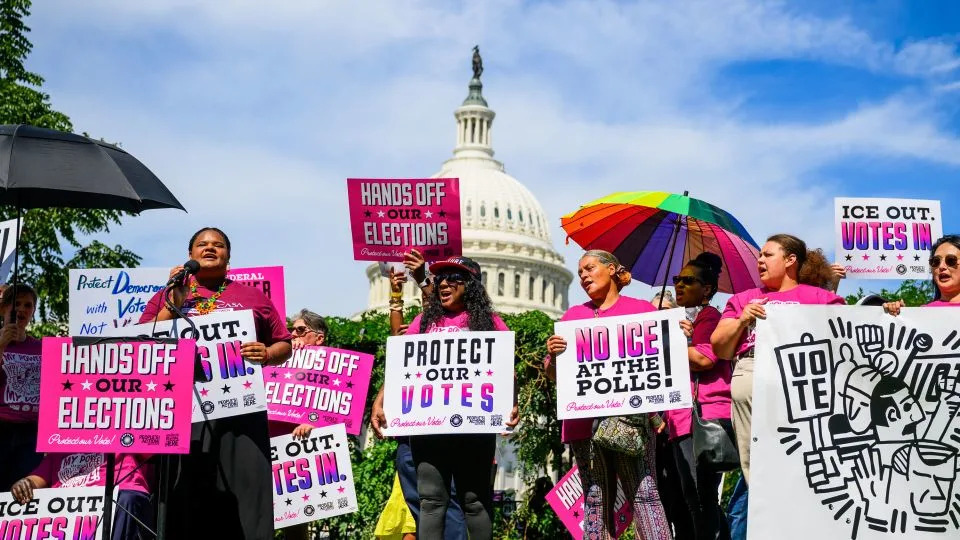
Demonstrators hold signs during a voting rights rally outside the US Capitol in Washington DC, on September 15. - Pete Kiehart/Bloomberg/Getty Images
Separately, the Department of Justice sought unredacted voter files from states — including full dates of birth and partial Social Security numbers — to run its own checks. When states refused, the DOJ sued; judges have so far rejected the government's demands in 25 cases.
There are also concerns about data handling. A whistleblower complaint released by House Democrats alleged some Department of Homeland Security agents involved in searches for voter fraud were unaware of the sources of certain data used in the reviews.
Practical takeaways for voters
If you are worried about your registration status, verify it now with your local election office. There is still time to fix errors before the general election. Experts emphasize that voting by noncitizens in federal elections is exceedingly rare, but the risk of mistaken removal is real — especially when automated checks are used without careful local review.
Reporting note: CNN reporters Fredreka Schouten and Tierney Sneed contributed reporting to this story.
Help us improve.