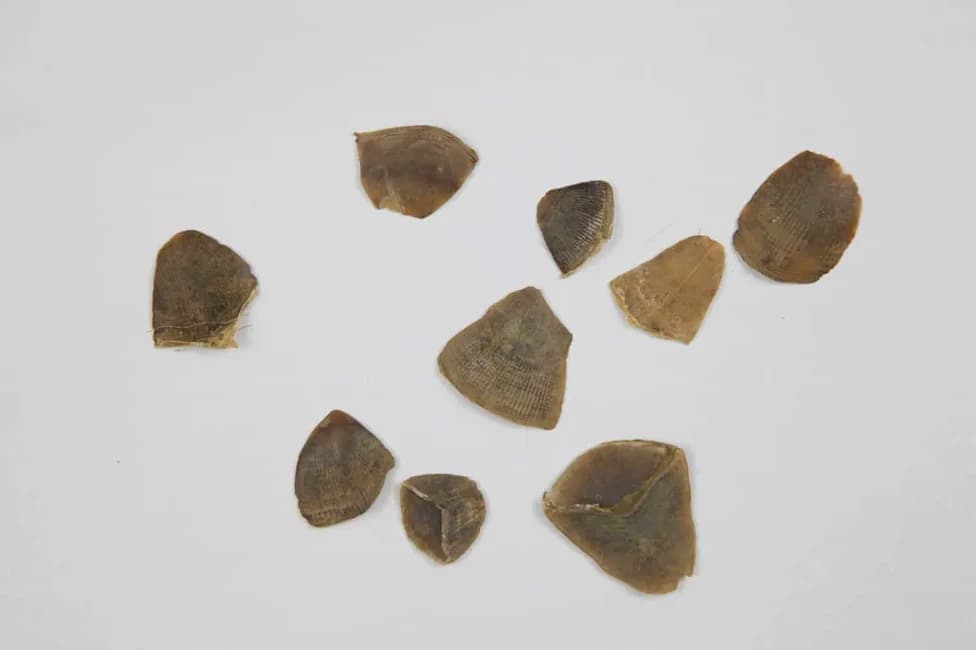
The National Zoological Museum of China released surveillance footage showing a parent handing preserved specimens to children who then mishandled and kicked them, damaging a Mangshan pit viper specimen that suffered a broken tongue and split abdomen. The Mangshan pit viper is endemic to China, listed as a national first-class protected species, and considered critically endangered in the wild. The museum repaired the specimen, retained the full recording, and may pursue legal action; the video has drawn widespread attention online.
Viral Footage Shows Children Mishandling Rare Mangshan Pit Viper Specimen, Sparking Outrage
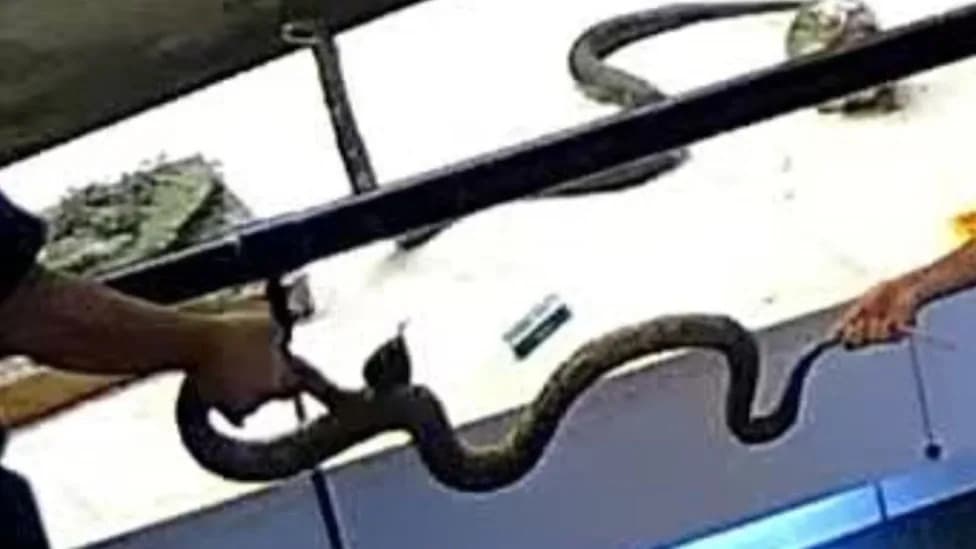
Photo Credit: National Zoological Museum of China
Surveillance footage from a visit to the National Zoological Museum of China has sparked public outrage after it appeared to show a parent handing preserved animal specimens to children, who then roughly handled and kicked them—damaging one rare viper display.
What Happened
Museum staff monitoring security cameras reported that a father picked up several preserved specimens and passed them to two children. The footage released by the museum appears to show one child removing a shoe and striking a specimen. When security intervened, the parent initially denied touching the displays; staff then asked the parent to "wash your hands immediately if you touched the specimens," which the museum said the parent did for roughly two minutes.
"These are not playthings or ordinary props, but professional materials with value for research, collection and education," the museum said.
Damage and Species Status
Museum officials confirmed one specimen was damaged: identified as a Mangshan iron-head snake (Mangshan pit viper). The institution said the specimen suffered a broken tongue and a split abdomen. The Mangshan pit viper is native only to China, is designated a national first-class protected species, and has a wild population considered critically endangered.
Provenance, Response and Potential Consequences
The museum said the damaged specimen had been donated by researcher Chen Yuanhui, who reportedly sustained nine snake bites while working with the species and now has a permanently disabled middle finger. Conservation professionals later repaired the specimen, and the museum retained the full, unedited surveillance recording and reserved the right to pursue legal action against those involved.
Under China's Museum Regulation, visitors must protect exhibits and may be penalized for damaging items. Some Chinese museums maintain public lists of "uncivilized visitors"; those listed can face temporary bans, and serious cases may lead to fines, detention or stiffer penalties if cultural relics or valuable specimens are harmed.
Broader Context
The incident—reported widely on Chinese social media and said by state media to have attracted more than 10 million views—has renewed debate about adult supervision and respect for wildlife and scientific material. The museum emphasized that adults should teach children to respect exhibits and nature, not to treat specimens as toys.
Similar episodes internationally, from national parks to shorelines, highlight how careless behavior can endanger both wildlife and visitors, underscoring why museums and protected areas enforce strict rules regarding contact with animals and specimens.
Help us improve.