Fact-checkers have debunked a viral Facebook claim that a black bear rescued injured animals and delivered them to a wildlife rehabilitation center. Snopes found no independent reporting or verifiable proof of the alleged facility and flagged the images as likely manipulated. Observers noted signs consistent with AI or photo editing, even as verified examples of animal heroism exist elsewhere.
Viral Claim That a Bear Delivered Injured Animals to a Rehab Center Debunked — Photos Likely AI-Manipulated
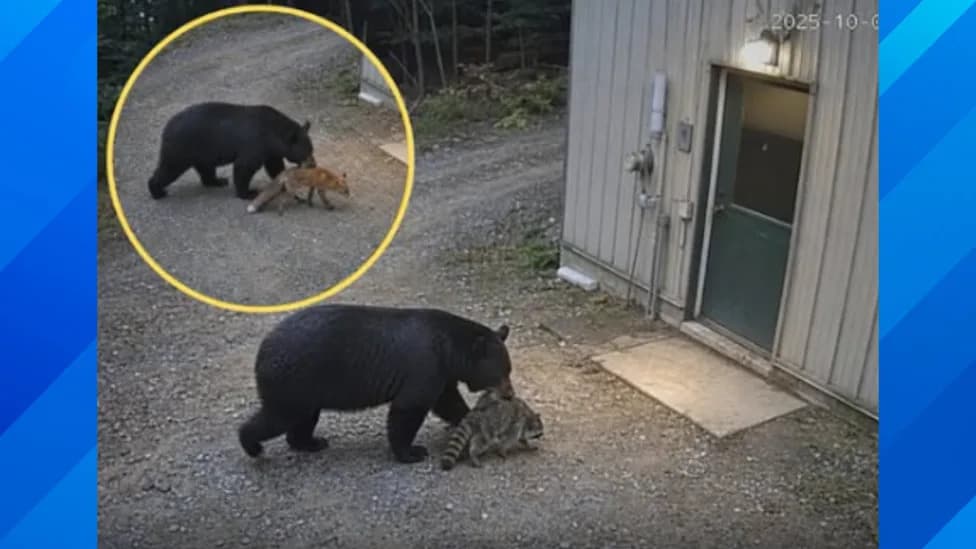
Image Credit: Jayven DeLuca/Facebook
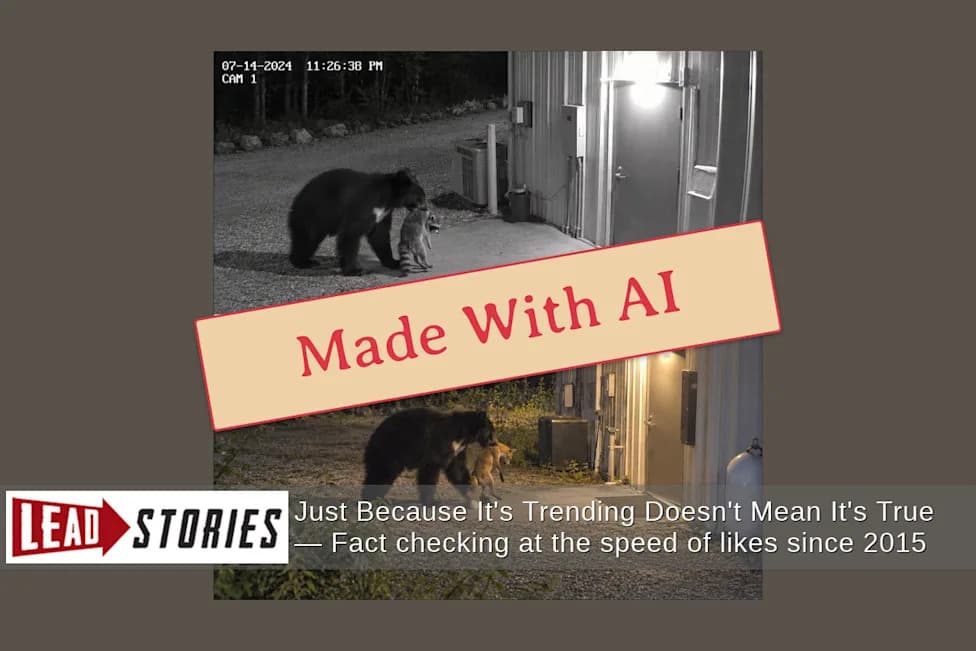
Animal lovers circulated a heartwarming story and photos showing a black bear allegedly bringing injured animals to a wildlife rehabilitation center — but fact-checkers say the tale does not hold up.
What Was Claimed
The story appeared on Facebook in September 2026 in a post by Jayven DeLuca, who said security-camera images showed a bear delivering a raccoon and a fox to a local wildlife center. The caption claimed the same bear had once been treated there and was now returning patients to the place that helped it.
Fact-Check Findings
Snopes investigated the post and concluded the story was false. Investigators could not find independent local reporting to corroborate the incidents, nor could they verify the existence of the named wildlife facility. Reverse-image searches of the photographs also failed to produce a credible source or context for the images.
"Years earlier, the same bear had been rescued, treated at that very wildlife center, and released back into the wild. He had been a patient there. And now he was bringing patients back." — Caption shared on Facebook
Why Skeptics Suspected AI
Many commenters noted visual similarities between the photos that suggested manipulation. Observers pointed out that the bear appeared identical in both frames and that the positions of the raccoon and fox seemed unchanged except for overlays — a pattern consistent with AI compositing or simple photo editing.
Real Animal-Help Stories Are Different
Although this viral bear story was debunked, there are verified examples of animals helping humans and other animals. For instance, ABC News reported on a goose credited with alerting a family to a barn fire in Texas, and NBC News covered a case in Arizona where a rancher’s dog helped lead a missing two-year-old to safety. Those stories include independent reporting and corroborating evidence.
Takeaway
This case underscores the importance of verifying viral claims before sharing. When a story seems "too good to be true," check for reputable news reports, reverse-image search results, and statements from named organizations to avoid spreading misinformation.
Help us improve.