Researchers and a new documentary warn that some viral "rescue" videos are staged: creators may place animals in danger and then film themselves 'saving' them to attract views and donations. SMACC documented 1,022 suspected clips during a six-week study, totaling 572,013,959 views, and found that 21% of creators solicited donations. Viewers are urged to watch for production red flags and report suspicious content during SMACC’s Report It! Week (Sept. 21–27).
“Cruelty for Clicks”: How Some Viral ‘Rescue’ Videos Put Animals in Danger to Gain Views
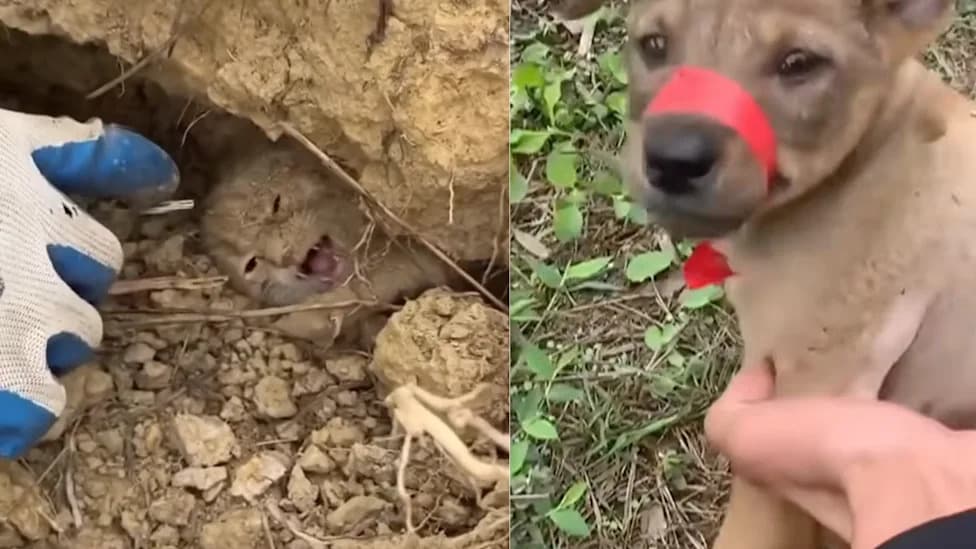
Image Credit: Inside Edition / YouTube.
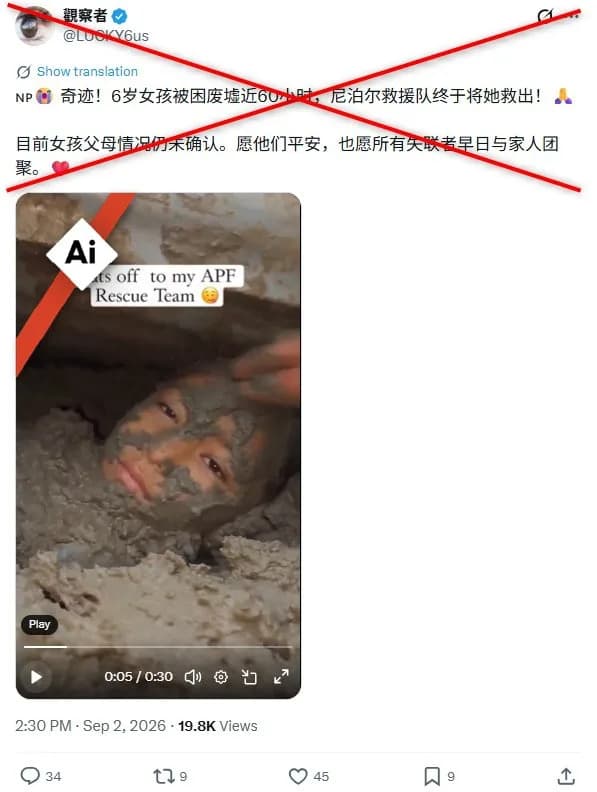
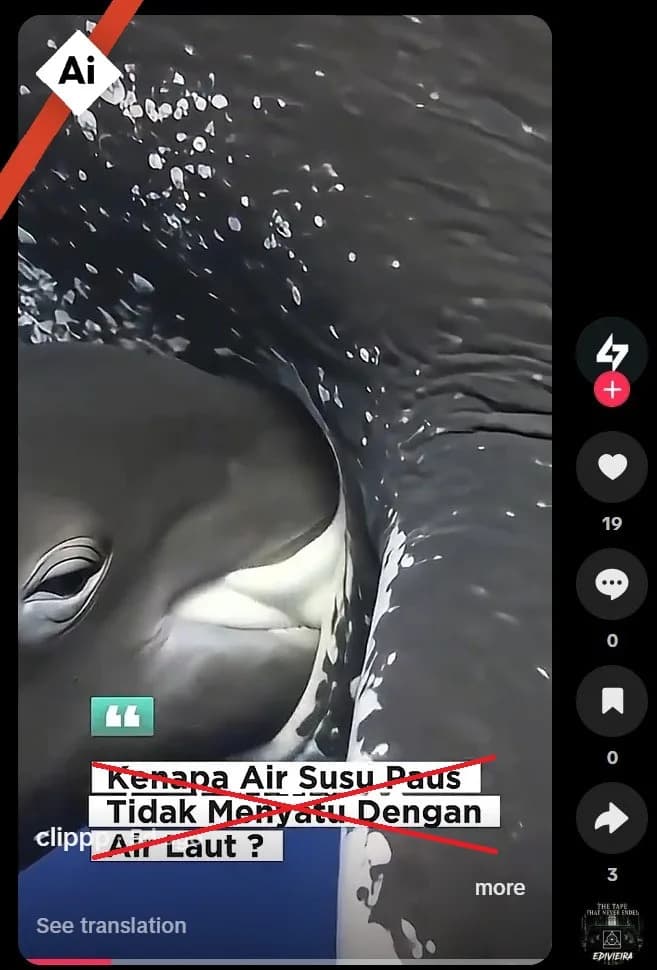
A puppy tied to railroad tracks as a train nears, a kitten buried beneath rubble, dogs on a highway with their paws and jaws taped shut — then, as if by chance, someone appears with a camera and 'rescues' them. What looks like heartwarming footage can hide a darker reality: animal-welfare researchers say some creators deliberately place animals in peril and film themselves discovering and saving them to attract views and donations.
New Documentary and Investigations
The problem is the focus of the documentary "Cruelty for Clicks", produced by Lady Freethinker and directed by Kirk Murray. The film follows investigator Nina Jackel and others as they examine clips that appear compassionate or heroic while concealing what happened before cameras started rolling.
What Researchers Found
Researchers with the Social Media Animal Cruelty Coalition (SMACC) monitored platforms for six weeks and collected 1,022 links to suspected fake-rescue videos across Facebook, Instagram, YouTube, TikTok and X. Those links had amassed a combined 572,013,959 views.
SMACC’s research defines “fake-rescue” content as videos in which animals are intentionally harmed or placed in dangerous situations so the creator can later portray a rescue. The coalition says creators can profit from engagement and sometimes solicit donations from viewers.
Who and How
- Species: Cats made up 42% of documented animals. Primates, dogs, snakes and turtles also appeared.
- Common Scenarios: About 31% of clips presented animals as abandoned, 28% as trapped or stuck, and 16% as saved from attacks by other animals.
- Monetization: SMACC found that 21% of creators asked viewers for donations—often via PayPal—frequently framing the money as help for the animals.
World Animal Protection reported that members of the public submitted 80,972 suspected animal-cruelty links to SMACC for assessment in 2024, with Facebook accounting for 87.5% of those submissions.
How to Spot A Staged Rescue
There is no single giveaway, but SMACC recommends evaluating the whole production. Warning signs include repeated rescues at identical or very similar locations, animals left in distress while filming continues, conspicuous editing or multiple camera angles during a supposedly spontaneous emergency, and a rescuer who consistently appears at the perfect moment.
Legitimate rescue organizations usually identify themselves and follow a rescue with clear information about where the animal was taken, what treatment it received and what happened afterward. Fake-rescue clips often end once the dramatic moment is recorded.
What Viewers Should Do
SMACC urges people not to reward suspicious content with views, shares or angry comments, since engagement helps the clips spread. Instead, report suspected animal-cruelty content through the platform’s reporting tools.
The coalition’s next Report It! Week runs Sept. 21–27, encouraging users to report suspected animal-cruelty content rather than share it. For animals in staged rescues, the person who appears to save them may be the reason they needed saving in the first place.
Documentaries, investigative research and public reporting are helping expose a disturbing online economy in which animal suffering is staged for views and, in some cases, profit.
Help us improve.