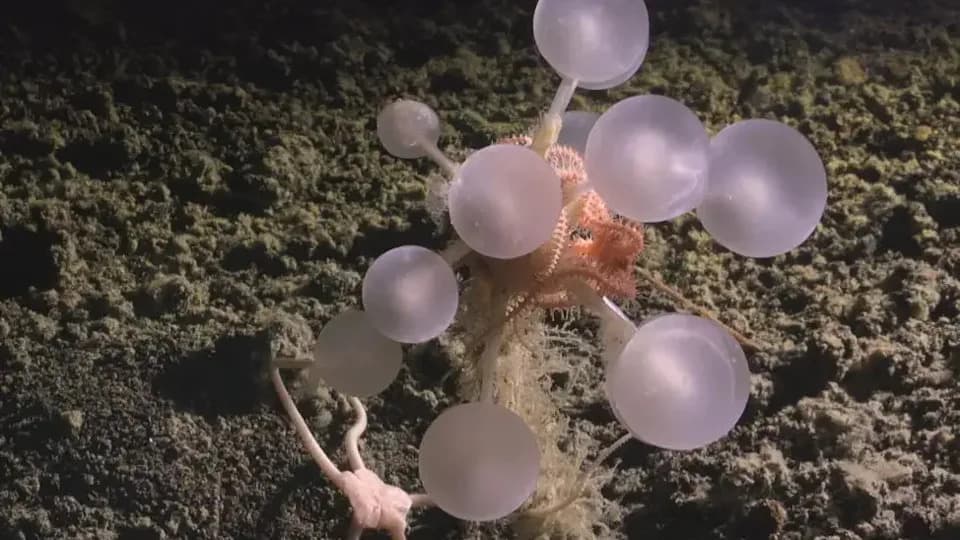
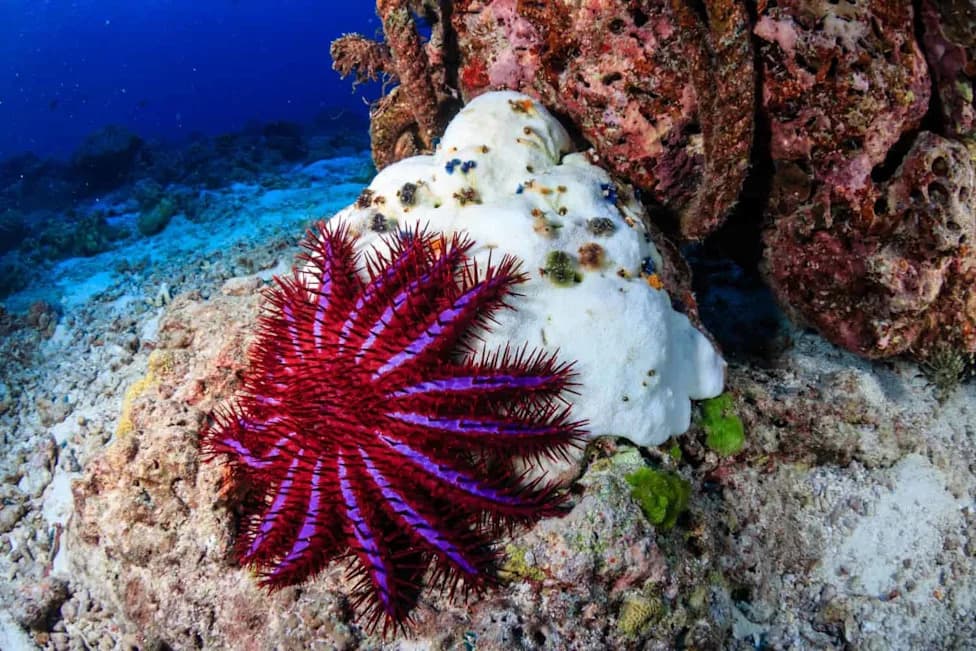
The seafloor of the Arctic hosts unexpectedly dominant predators: starfish in the family Pterasteridae. A Laval University study sampled 881 benthic and 699 pelagic specimens near Southampton Island and found comparable trophic complexity in both realms. Pterasteridae repeatedly emerged as benthic apex predators, combining active hunting with scavenging on sinking carcasses. The authors urge routine inclusion of benthic sampling to better understand marine food webs.
Hidden Kings of the Arctic Seafloor: Starfish Rival Polar Bears as Top Predators
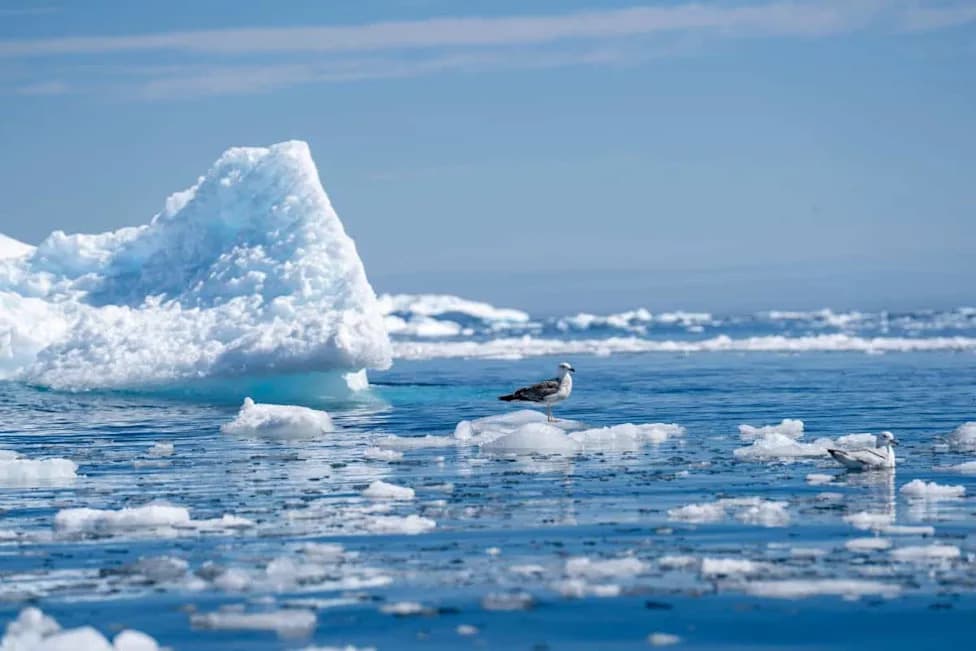
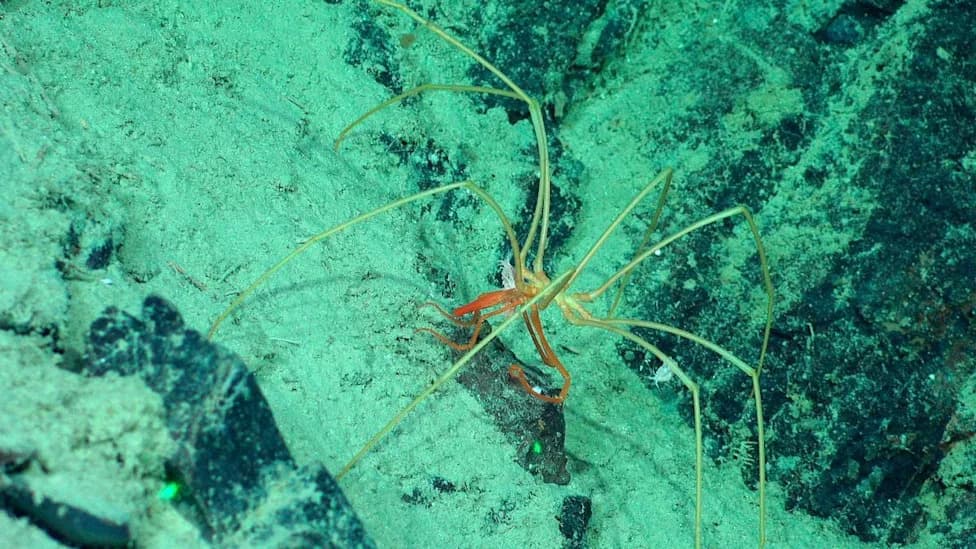
This Arctic predator rivals the polar bear, and it lives on the seafloor© Jan Tang/ via Canva.com
Beneath Arctic ice and beyond the gaze of polar bears, researchers have found a surprising apex predator: certain starfish of the family Pterasteridae. Far from the slow-moving scavengers many imagine, these seafloor echinoderms exert outsized influence on benthic food webs and call for a reappraisal of how we view Arctic ecosystems.
Study Area and Methods
Scientists from Laval University, led by Rémi Amiraux, conducted intensive sampling around Southampton Island in Hudson Bay, Nunavut, Canada. They collected 881 benthic (seafloor) invertebrate samples representing 97 taxonomic groups and 699 specimens from the overlying pelagic (open-water) community to build comparative food-web models.
Key Findings
Contrary to expectations that seabed food chains are simple and linear, analyses showed that benthic and pelagic communities operate at similar trophic levels and display comparable complexity. Across most models, members of the starfish family Pterasteridae consistently emerged as top predators within the benthic subnet.
Pterasteridae are active carnivores that feed on a variety of macro-invertebrates, including secondary predators. They are also highly opportunistic scavengers: when pelagic organisms die and sink to the seafloor, these starfish rapidly exploit that carrion. This dual strategy—alternating between hunting and scavenging—allows them to maximize energy intake while conserving effort.
"This changes our understanding of how the Arctic coastal marine food web works," said Rémi Amiraux, summarizing the study's implications for ecological theory and monitoring.
Broader Implications
Ecologically, the starfish’s mix of active predation and scavenging mirrors functional aspects of polar bear feeding behavior, which also relies on episodic windfalls such as stranded whale carcasses. While the species and scales differ, both act as influential consumers within their domains.
Importantly, Pterasteridae are distributed across nearly all ocean basins. Where they occur, similar benthic super-predator roles could exist, suggesting that seafloor dynamics may be an underappreciated driver of marine ecosystem structure worldwide. The authors recommend that future marine surveys routinely include detailed benthic sampling to capture these hidden dynamics.
As research continues, these findings remind us that major ecological actors and dramatic trophic interactions can be found where few have looked—on the dark, cold floors of the world’s seas.
Help us improve.