Fouzi Lekjaa, Morocco’s budget minister and head of the Royal Moroccan Football Federation, joined the Authenticity and Modernity Party (PAM) less than three months before parliamentary elections on September 23. His high-profile entry spotlights a broader shift toward recruiting technocratic and popular figures into party politics, especially as the next government will oversee preparations to cohost the 2030 World Cup. Critics warn this trend can weaken internal party democracy, while supporters argue managerial skill is vital for delivering complex national projects. The move has also drawn strong interest from the Moroccan diaspora and amplified debate about voter trust in parties.
Could Fouzi Lekjaa Become Morocco’s Next Prime Minister? The Political Stakes Behind His Move to PAM

Royal Moroccan Football Federation president Fouzi Lekjaa is tossed into the air by Morocco’s players after their penalty-shootout victory over the Netherlands in the FIFA World Cup 2026 round of 32 in Guadalupe, Mexico, on June 29, 2026 [Alex Pantling/FIFA via Getty]
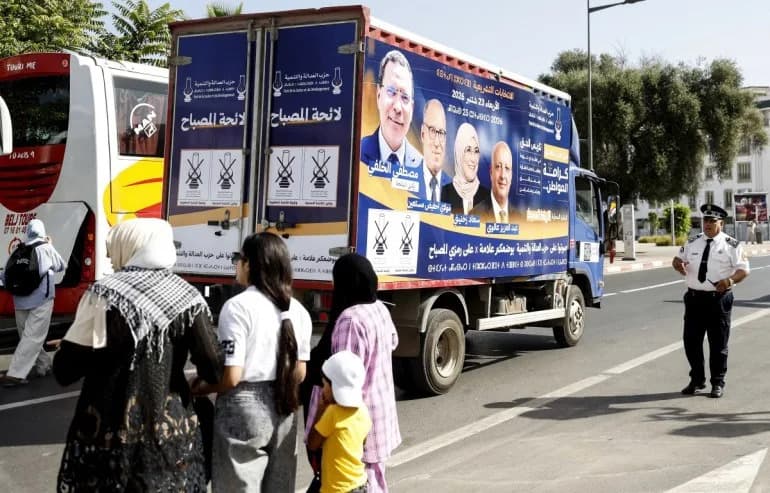
Rabat — Fouzi Lekjaa, Morocco’s minister delegate for the budget and president of the Royal Moroccan Football Federation (FRMF), formally joined the Authenticity and Modernity Party (PAM) less than three months before parliamentary elections scheduled for September 23. His high-profile shift from technocratic leadership into partisan politics has generated intense debate across Morocco’s political class, social media and its diaspora.
From Bureaucrat and Football Boss to Party Figure
Lekjaa made his name in public finance and major infrastructure projects, and rose to international prominence leading Morocco’s football revival — most notably the Atlas Lions’ run to the 2022 FIFA World Cup semifinals. That combination of managerial credentials and popular appeal helps explain why his entry into PAM is being treated as more than a routine party recruitment.
Why Timing Matters
Observers note the political significance of the timing. The administration formed after the September vote will play a central role in preparing Morocco to cohost the 2030 FIFA World Cup with Spain and Portugal — a task expected to involve billions in investment for stadiums, transport, and tourism infrastructure. Commentators already refer to the next cabinet as a potential "World Cup government," likely to be judged by its ability to deliver the tournament as well as by conventional economic indicators.
Debate Over Parties, Merit and Democracy
Mustafa Ahdar, a constitutional law and political science researcher at Ibn Zohr University in Agadir, told Al Jazeera the move raises questions about how parties recruit leaders. He stressed that while the 2011 Constitution guarantees citizens the freedom to join political parties, "someone who simultaneously heads the national football federation and occupies a senior ministerial position cannot realistically be viewed in the same way as an ordinary citizen entering politics."
"Parties are supposed to be spaces where citizens become politically engaged and future leaders emerge," Ahdar said. "When parties increasingly recruit influential personalities who built popularity outside politics, they risk abandoning that mission."
Critics warn that fast-tracking popular technocrats into senior party roles can undermine internal party democracy and discourages activists who long progress through party ranks. Supporters argue that administrative competence — especially ahead of the 2030 World Cup — is a political asset that could help deliver complex national projects.
Political Context And Voter Attitudes
Morocco’s 2011 Constitution strengthened parliament but preserved the monarchy’s central role in government formation; under Article 47 the king appoints the head of government from the party that wins the most seats. The proportional electoral system usually produces coalition cabinets, making post-election negotiations especially consequential.
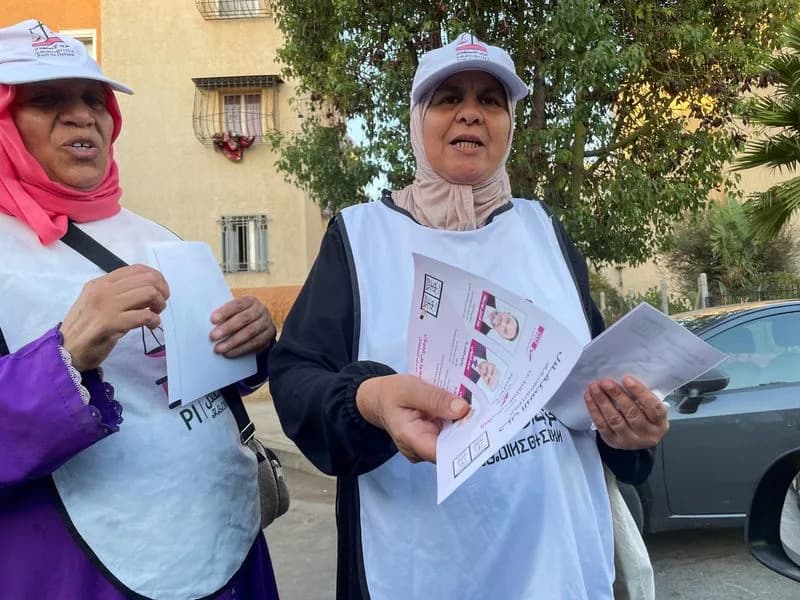
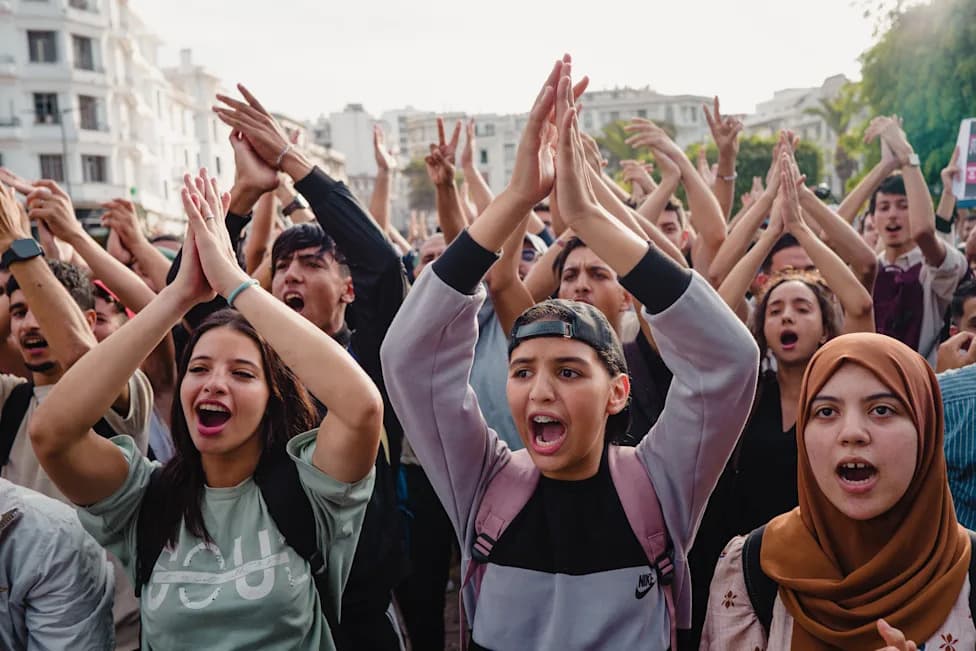
Voter behaviour complicates the picture: turnout exceeded 50 percent in 2021 but nearly half of eligible voters abstained. Analysts link that abstention more to scepticism about political parties than to political apathy, particularly among younger Moroccans who increasingly express grievances via social media and street protests over unemployment, living costs and public services.
Parties, Image And The Diaspora
PAM — founded in 2008 as a modernising force focused on institutional reform, regional development and economic modernisation — has itself faced corruption and abuse-of-office controversies involving some members. For the party, bringing in a figure associated with administrative effectiveness and football success may bolster its competence narrative and shift public attention away from economic criticisms of the governing coalition.
The Moroccan diaspora is watching closely: many abroad feel a strong connection to the national team's success and view Lekjaa’s move as potentially consequential for the country’s political future. Observers point to international parallels — such as Emmanuel Macron’s non-traditional path into French politics — while underscoring that football administration skills do not necessarily translate directly into solving deep economic and social challenges.
What Comes Next
Speculation about Lekjaa’s prospects — including rumours that he could be considered for the head-of-government post — has intensified, though there is no official indication he is a formal candidate. Parallels with Prime Minister Aziz Akhannouch, who also entered partisan politics after success outside party structures, have been drawn by commentators. Ultimately, whether Lekjaa’s popularity and administrative record translate into political leadership will depend on PAM’s internal decisions, coalition bargaining after the vote, and how voters weigh managerial competence against longstanding socioeconomic challenges.
Key facts: Lekjaa’s move highlights tensions between technocratic credibility and party-based leadership development, amplifies the political stakes of Morocco’s 2030 World Cup preparations, and underlines persistent voter scepticism toward party institutions despite notable electoral participation in recent years.
Help us improve.