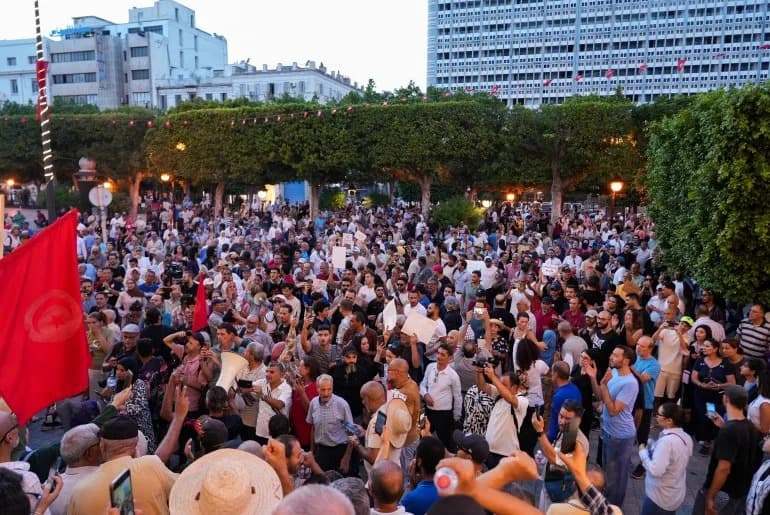
The parliamentary vote will determine the government charged with completing roughly $20 billion in projects tied to Morocco's role in the 2030 World Cup and with channeling economic benefits to disaffected youth. The king retains broad powers, so a major political realignment is unlikely, but the incoming parliament must confront youth unrest and economic pressure. Voter turnout — especially among young people — and a 12% drop in registered electors since 2021 are being closely watched.
Morocco Votes as Election Picks Government to Finish $20B World Cup Build-Out and Tackle Youth Unrest
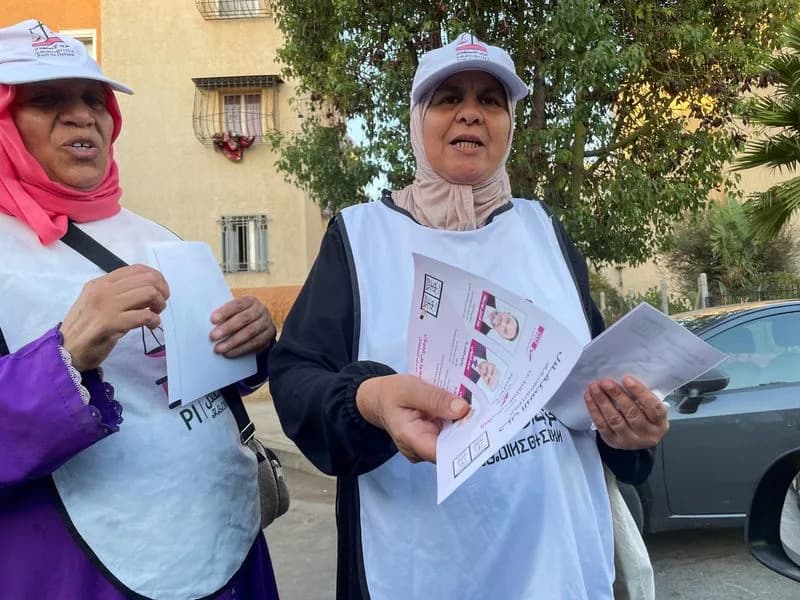
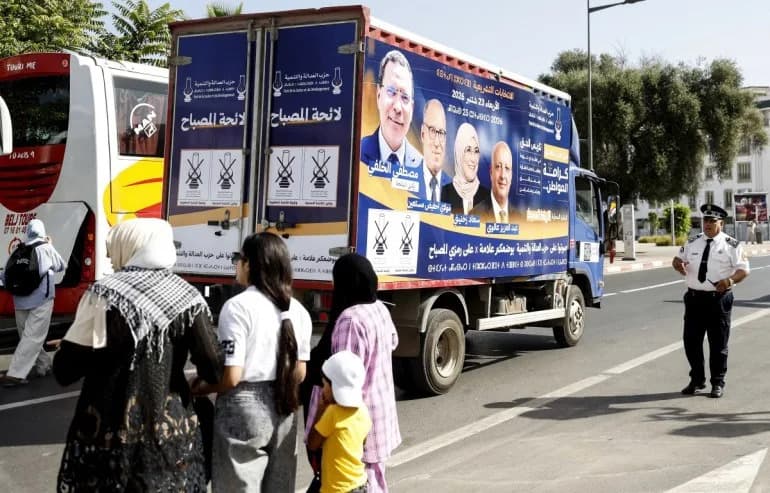
Women campaign for the Istiqlal party in Sala Al Jadida, near Rabat, Morocco, September 15, 2026. Picture taken with a mobile phone.REUTERS/Ahmed Eljechtimi
Moroccans are voting in a parliamentary election that will decide the government responsible for completing roughly $20 billion (about 190 billion dirhams) in investments tied to preparations for the 2030 World Cup and for directing economic benefits toward the country's restless youth.
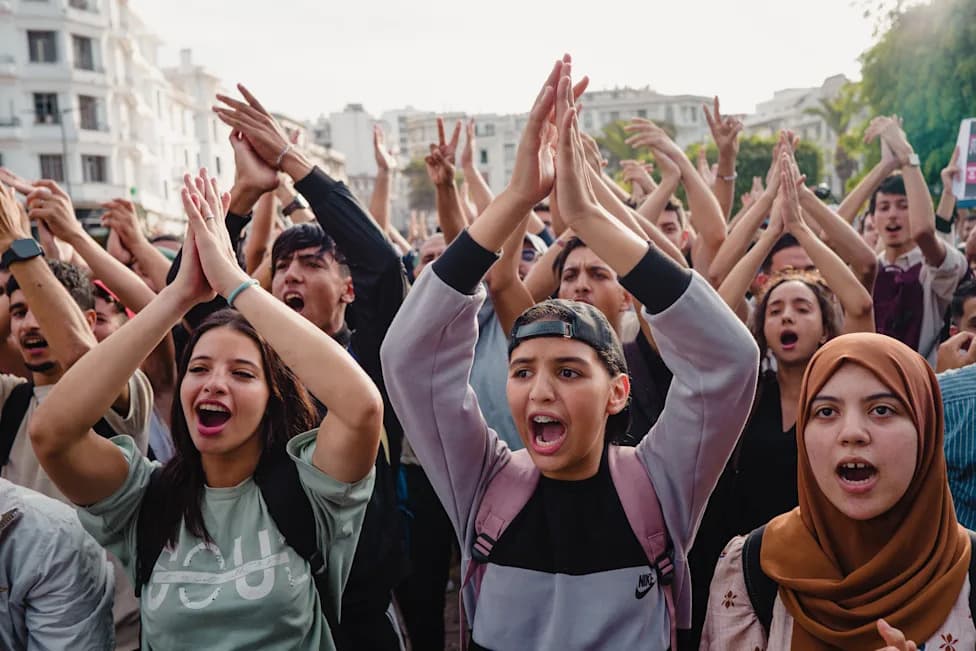
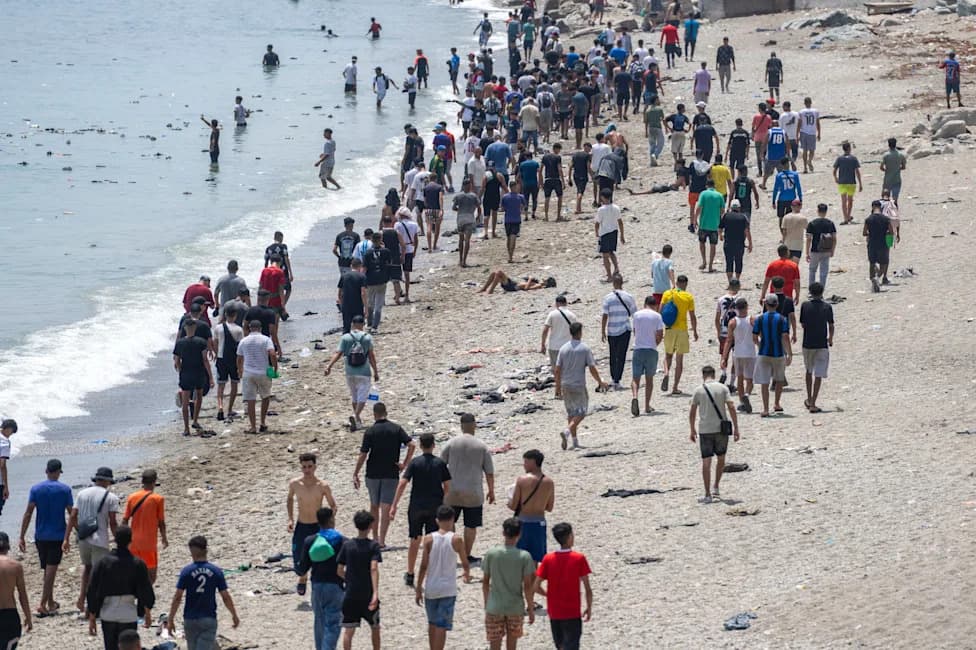
The ballot is not widely expected to produce a dramatic shift in Morocco's power dynamics: the king retains broad authority over policy direction, defence and foreign affairs. Still, the next parliament will be tasked with implementing policies aimed at easing youth frustration after a mass border surge into the Spanish enclave of Ceuta and Gen-Z-led protests that turned deadly last year.
Under the 2011 constitution, the king appoints as prime minister the leader of the party that wins the largest share of seats in Morocco's 395-member parliament. That prime minister must then negotiate a coalition and submit a proposed cabinet for royal approval.
Polling stations open at 8 a.m. (0800 GMT) and close at 7 p.m. (1900 GMT); preliminary results are typically reported the following day. Turnout — especially among young voters — will be closely watched as a barometer of public engagement and confidence in elected institutions. About 27 million Moroccans are of voting age, but only 15.8 million are registered to vote, a decline of roughly 12% since 2021.
Political Landscape And Key Figures
The current cabinet was formed by a three-party coalition that displaced the moderate Islamist Justice and Development Party (PJD), which rose to prominence after the 2011 Arab Spring. Two of the governing parties were founded by figures close to the palace.
Prime Minister Aziz Akhannouch — a billionaire businessman who led the government since 2021 — is not standing for parliament after stepping down as leader of the National Rally of Independents (RNI) earlier this year. Fouzi Lekjaa, the budget minister who also heads Morocco's football federation and chairs the organising committee for the 2030 World Cup, joined the leadership of the Authenticity and Modernity Party (PAM) in the weeks before the vote.
Spending Plans And Campaign Promises
The two largest parties in the outgoing parliament, RNI and PAM, have each pledged to create roughly 1 million jobs over the next five years and promised improvements in housing, wages and healthcare. Although they govern together, the parties have traded blame during the campaign over rising food prices and other policy shortcomings; PAM leaders have said they would not enter another coalition with RNI if PAM finishes first.
Morocco is investing heavily in stadiums, rail links and supporting infrastructure ahead of the 2030 World Cup, which Morocco will co-host with Spain and Portugal. The International Monetary Fund estimates World Cup–related spending at about 190 billion dirhams — roughly $20 billion — equal to nearly 12% of Morocco's 2024 GDP.
Why This Vote Matters: Beyond the immediate question of which parties will form government, the election will shape who is charged with delivering costly World Cup projects and whether new policies will address youth unemployment and social grievances that have driven unrest.
Other notable parties contesting the election include the nationalist, conservative-leaning Istiqlal Party (PI), a resurgent Justice and Development Party (PJD), and several left-leaning groups.
Help us improve.