Eric Zemmour has launched a second presidential bid, placing "remigration" and a pledge to deport undocumented migrants, foreign criminals, welfare‑only recipients and legal residents unemployed for about a year at the centre of his platform. He reiterated these plans in a BFMTV interview and sparked fresh controversy by accusing Kylian Mbappé of siding with migrants after the Ceuta crisis. Zemmour faces a crowded right‑wing field and a steep challenge from Marine Le Pen, while internal strains and the rising profile of Sarah Knafo complicate his party’s prospects.
Eric Zemmour Announces Presidential Comeback, Pledges Deportations and ‘Remigration’ Drive
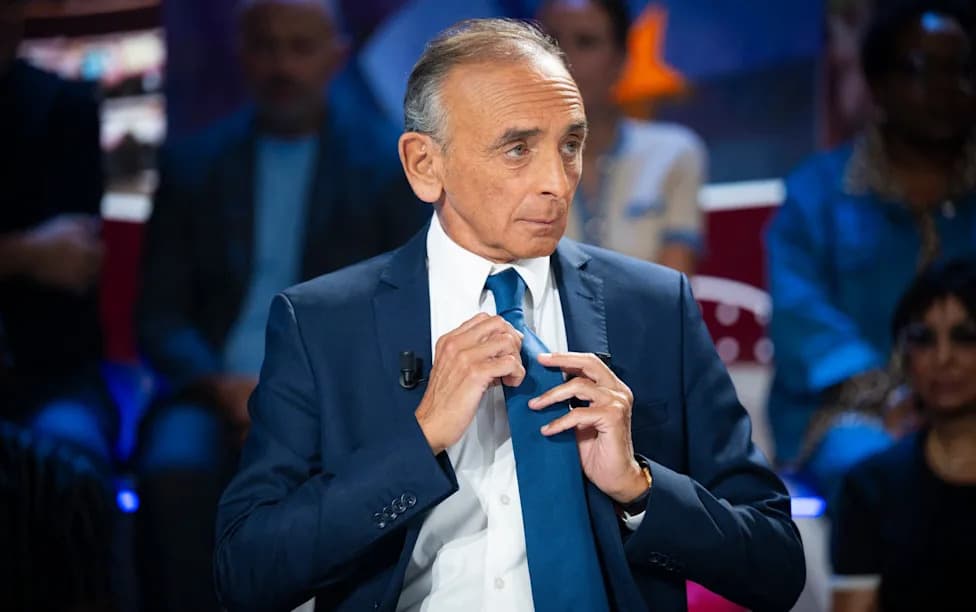
Eric Zemmour has announced that he will be a candidate in the French presidential election - Blondet Eliot/ABACA//Shutterstock
Eric Zemmour has declared he will mount a second bid for the French presidency next April, centring his campaign on a hardline migration agenda that he calls "remigration." The former television pundit and polarising right‑wing figure said he would seek to deport undocumented migrants, foreign criminals, people who rely solely on welfare, and legal foreign residents who have been unemployed for about a year.
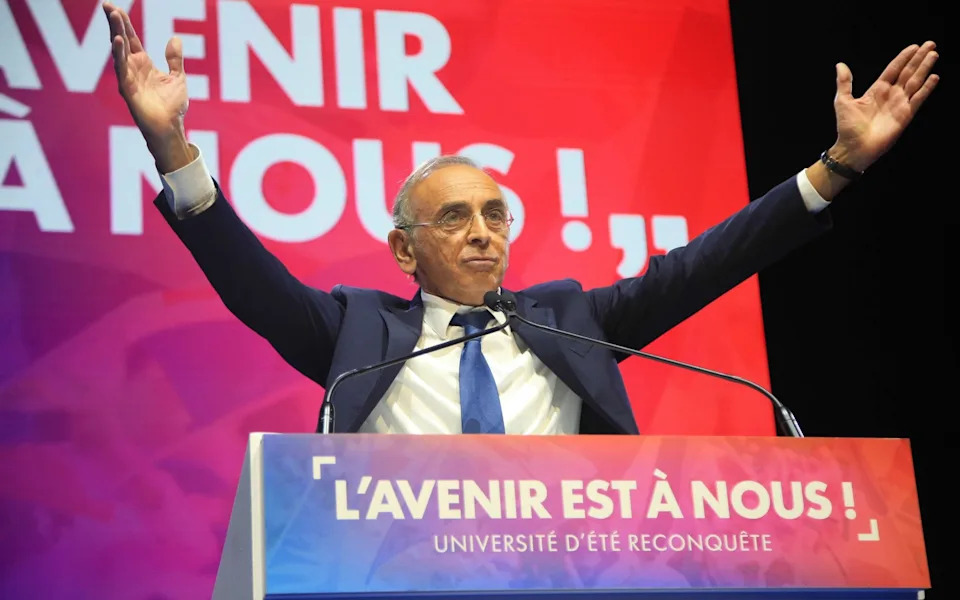
The 68-year-old took 7.1 per cent of the vote when he stood in 2022 - J E E/SIPA/Shutterstock Editorial
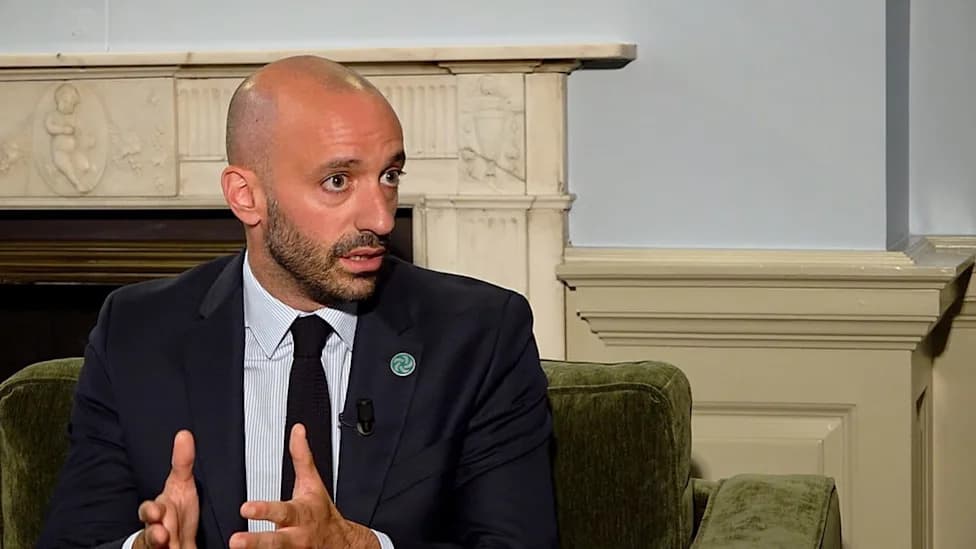
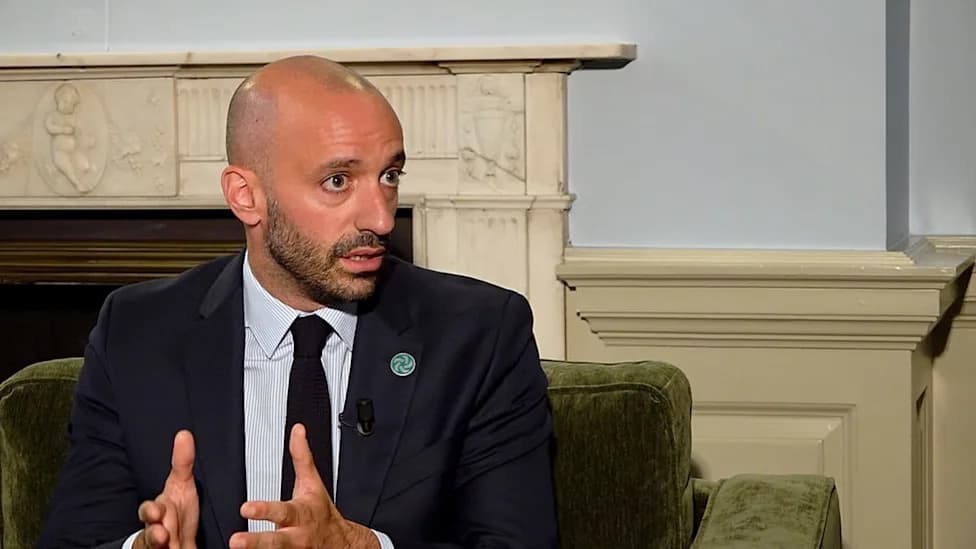
The 68‑year‑old, who won 7.1% of the vote in 2022, set out his proposals in a lengthy BFMTV interview. "All foreign offenders must be sent back, even those who are not in prison," he said, adding: "We must also, obviously, send back undocumented immigrants. We must also send back those who have been unemployed for a long time, and all those who live solely on welfare benefits." When pressed on a threshold, he suggested a period "more than six months to a year — let's say a year."

Kylian Mbappé the French captain drew Mr Zemmour's ire when he hid a message of supporting Ceuta - NurPhoto/NurPhoto
"All foreign offenders must be sent back, even those who are not in prison." — Eric Zemmour
Within hours of his announcement, Zemmour intensified the combative identity politics expected to mark his campaign by criticising France captain Kylian Mbappé over the Ceuta migrant crisis. Mbappé was criticised by Zemmour after he initially declined to display a message supporting Ceuta on a Real Madrid T‑shirt; Mbappé later said he stood with Ceuta while also wanting to acknowledge migrants who had died or suffered. Zemmour accused the footballer of expressing an "Islamic solidarity" stronger than "French solidarity" or solidarity with Spain, saying: "I am not talking about religion, I am talking about civilisation."
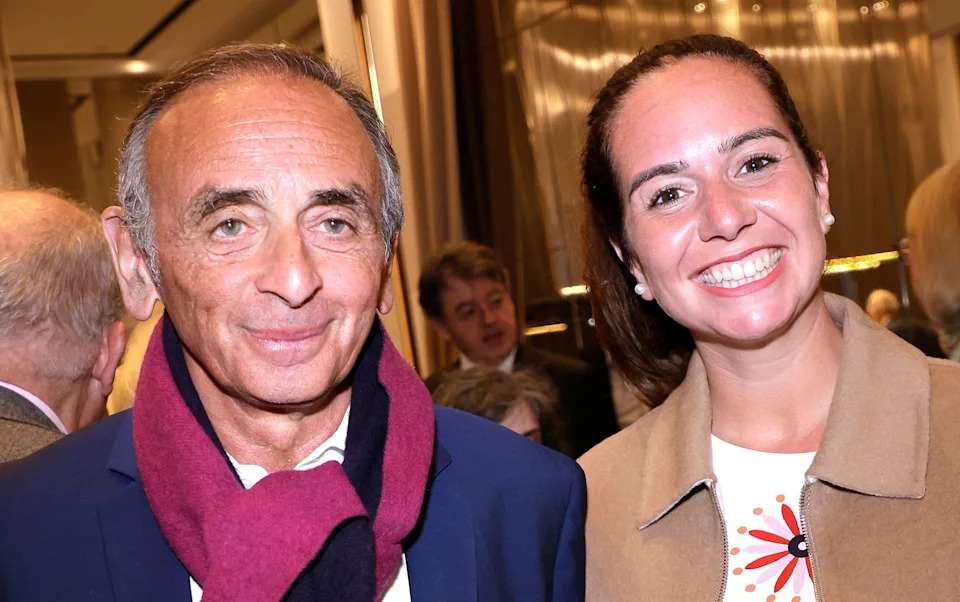
Mr Zemmour is being supported in his campaign by Sarah Knafo, his partner and former party strategist - Eric Fougere/Corbis Entertainment
The Spanish exclave of Ceuta was overwhelmed in late July when almost 72,000 migrants arrived, a development that has fuelled a broader debate in France about migration, national identity and security.
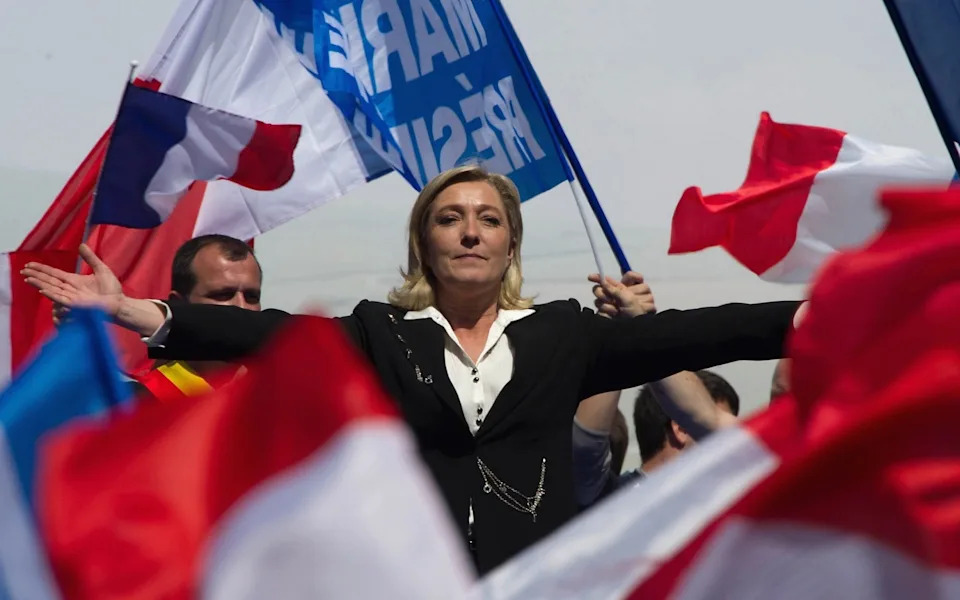
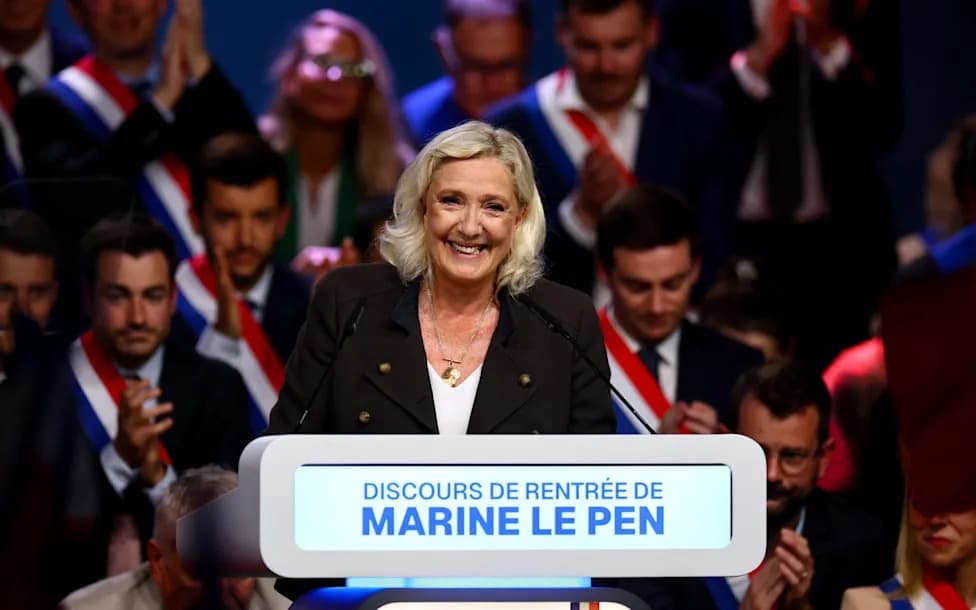
Marine Le Pen of National Rally remains the favourite to become France's next president - Pascal Le Segretain/Getty Images Europe
Commentators say Zemmour faces a steep uphill battle. He re-enters a crowded right‑wing field dominated by Marine Le Pen, whose National Rally currently polls around 33–35% for first‑round voting intentions while Zemmour polls near 4–5%. Le Pen has hardened her positions on migration and recently proposed a referendum to ban the Islamic veil in public.
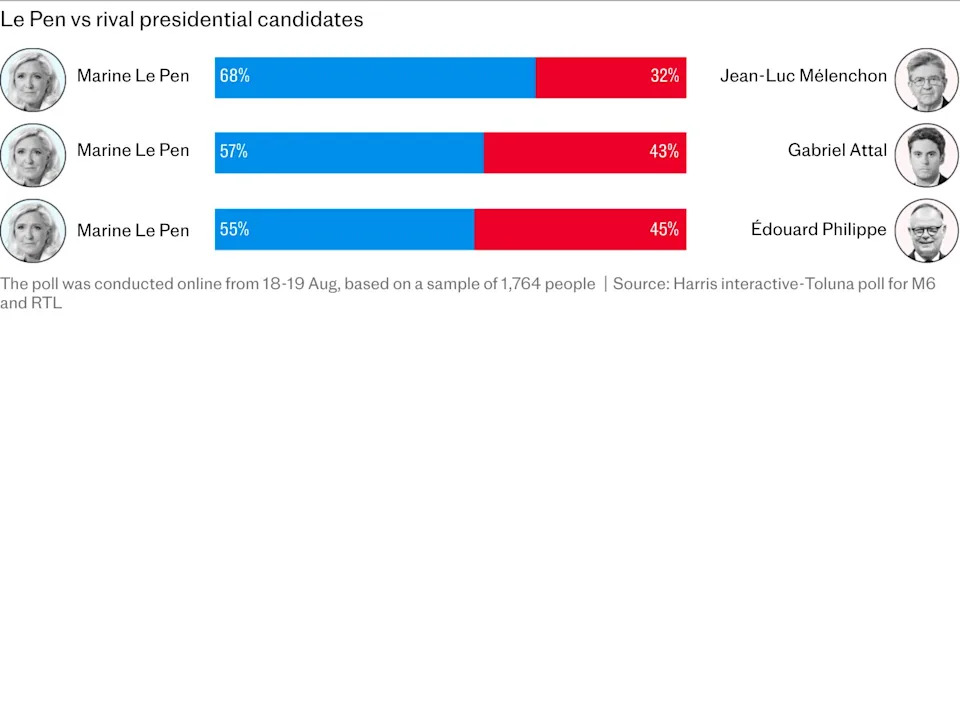
2508 Le Pen vs Left-wing candidates
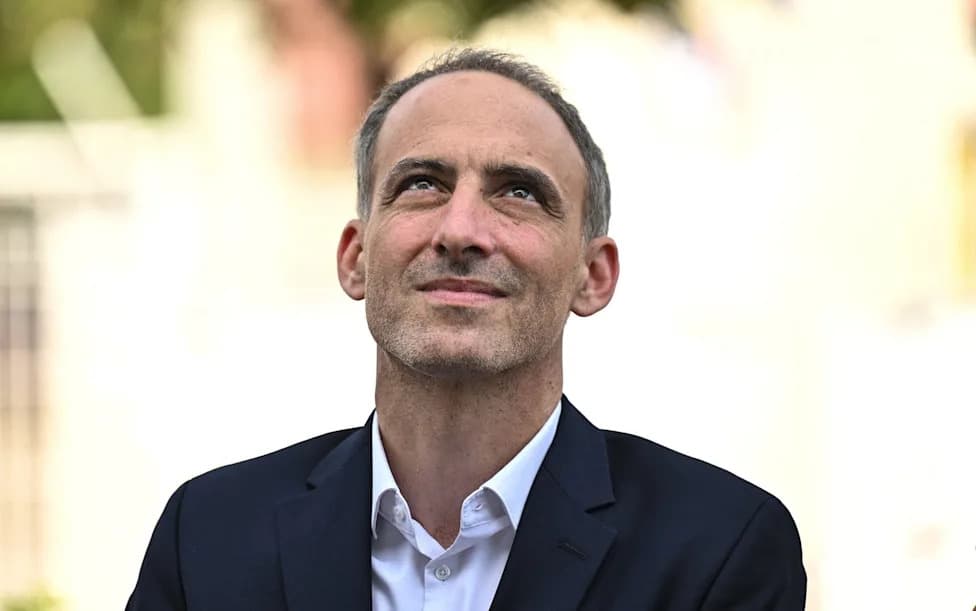
Zemmour is being backed by his partner and former strategist, Sarah Knafo, who has emerged as a prominent political figure and helped shape much of Reconquête's economic programme. Inside his party, signs of strain are visible: Le Monde reported several hundred empty seats at a recent party gathering in a hall that holds 1,800, and some officials described the movement as increasingly personalised around Zemmour and Knafo.
Other right‑wing dynamics complicate the picture. Marion Maréchal, Marine Le Pen's niece, briefly aligned with Zemmour in 2022 and led Reconquête's European election list in 2024, but she later drifted back toward Le Pen and has since rejoined the Le Pen camp. Analysts say Maréchal provides Le Pen with an additional conservative appeal and a counterweight to other party figures.
National polls project Le Pen as the front‑runner for the first round of the presidential election. One recent, large survey suggested Edouard Philippe — the centrist former prime minister — could reach a runoff against Le Pen only if his centrist rival Gabriel Attal were to step down; otherwise, the poll indicated Jean‑Luc Mélenchon could be Le Pen's opponent in the second round.
This announcement sets the stage for a contentious campaign season in France, with migration and national identity likely to dominate debates as candidates jostle for position ahead of next April's presidential vote.
Help us improve.