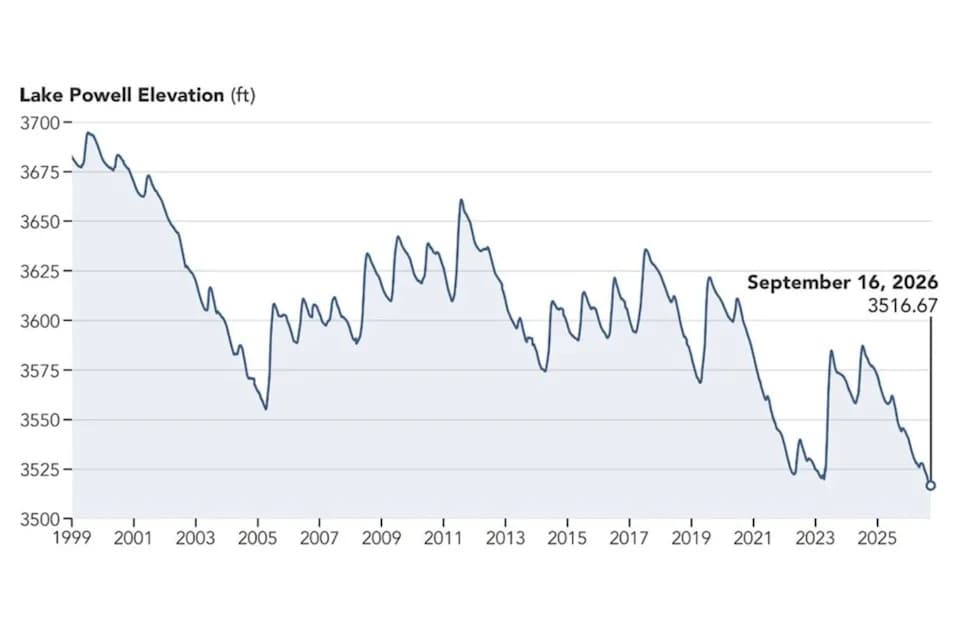
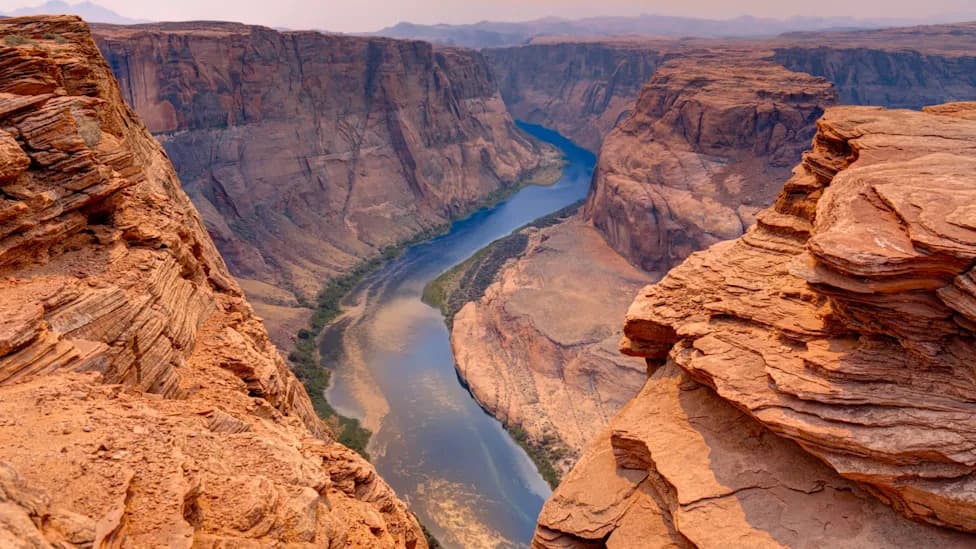
Lake Mead has dropped to a record-low 1,040.4 ft (317.1 m), highlighting severe strain on the Colorado River system caused by persistent drought, record-low snowpack and long-term overuse. About 40 million people across seven U.S. states, tribal nations and Mexico depend on the river for water and power. Federal officials proposed short-term cuts focused on the Lower Basin and are withholding releases from Lake Powell to protect habitat and hydropower; models project further declines through much of the year.
Lake Mead Drops to Record Low as Colorado River Crisis Intensifies
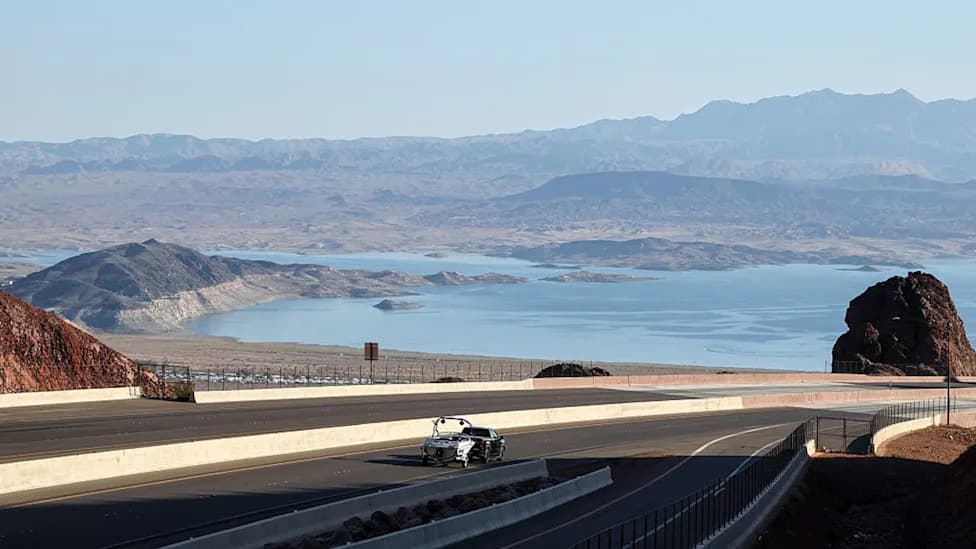
A vehicle tows a boat toward Lake Mead on July 25, 2026 in the Lake Mead National Recreation Area, Nevada. (Photo by Ethan Miller/Getty Images)
Lake Mead, the largest reservoir in the United States, has fallen to its lowest level since it was first filled nearly 90 years ago, underscoring an escalating crisis across the Colorado River system.
What Happened
Federal data show Lake Mead, which straddles the Arizona–Nevada border near Las Vegas, reached 1,040.4 feet (317.1 m) above sea level on Friday — slightly below the previous low recorded on July 28, 2022, according to the U.S. Bureau of Reclamation. The decline reflects years of overuse combined with persistent drought and rising temperatures.
Why It Matters
The Colorado River supplies water, irrigation and hydropower to roughly 40 million people across seven U.S. states, numerous tribal nations and parts of Mexico. This past winter produced the worst snowpack on record for the Colorado River Basin, reducing spring runoff and adding pressure to farms, cities, utilities and ecosystems that rely on snowmelt from the Rocky Mountains.
"It's extremely significant and extremely concerning. You have three-quarters of the population of the Colorado River Basin, some 30 million people, who are directly impacted by risks to Lake Mead," said J.B. Hamby, chairman of the Colorado River Board of California.
Federal Response And Management Choices
Federal officials recently proposed a short-term plan to avoid immediate collapse after the seven basin states — Arizona, California, Colorado, Nevada, New Mexico, Utah and Wyoming — could not reach a long-term sharing agreement. The Bureau of Reclamation's plan focuses cuts on the Lower Basin states (Arizona, California and Nevada) while leaving room for deeper reductions in drier conditions.
Officials also said they will not release the cooler, deeper water stored in Lake Powell through Glen Canyon Dam to protect habitat for the threatened humpback chub and to preserve hydropower capacity — a decision reflecting the limited trade-offs available as reservoirs fall.
Local Impacts
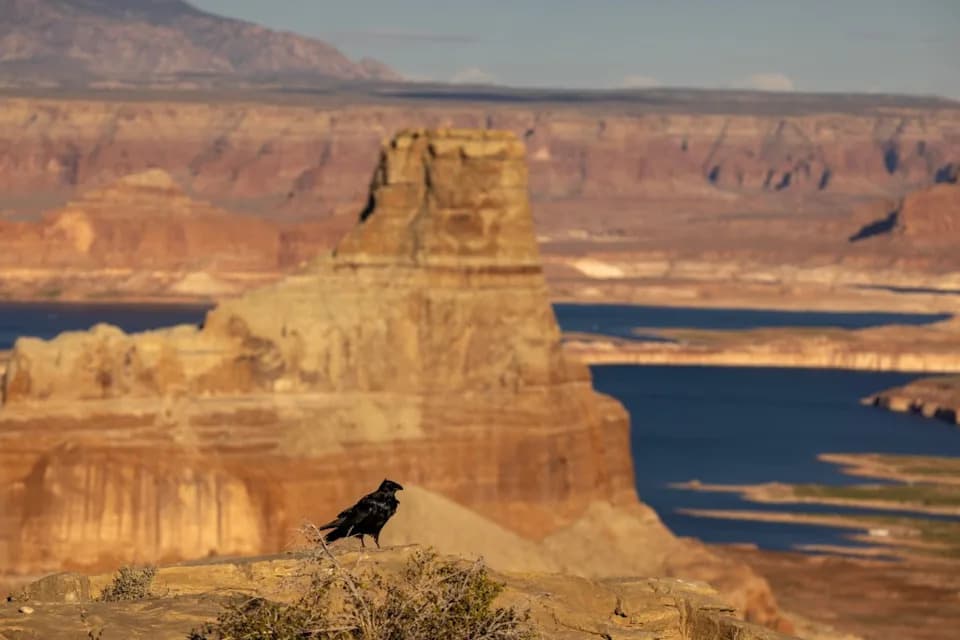
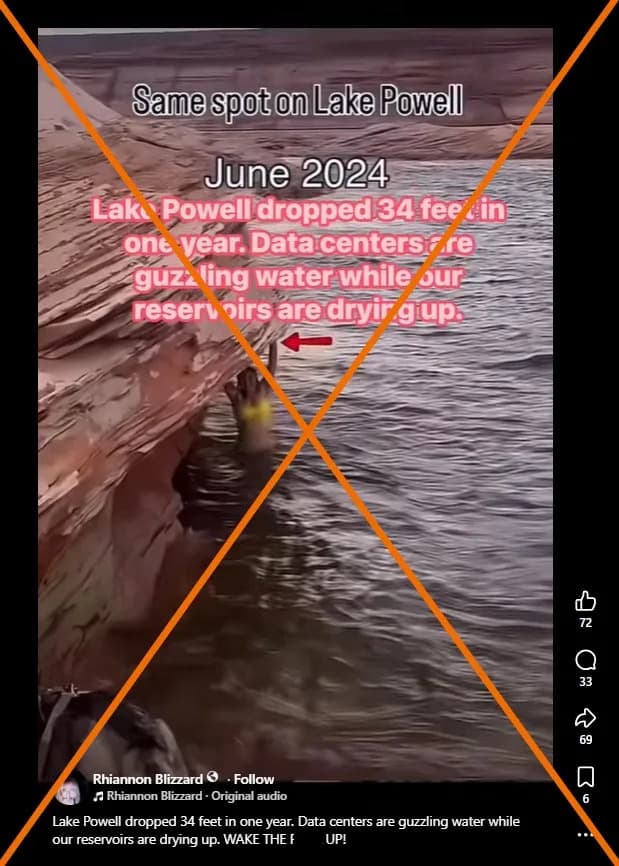
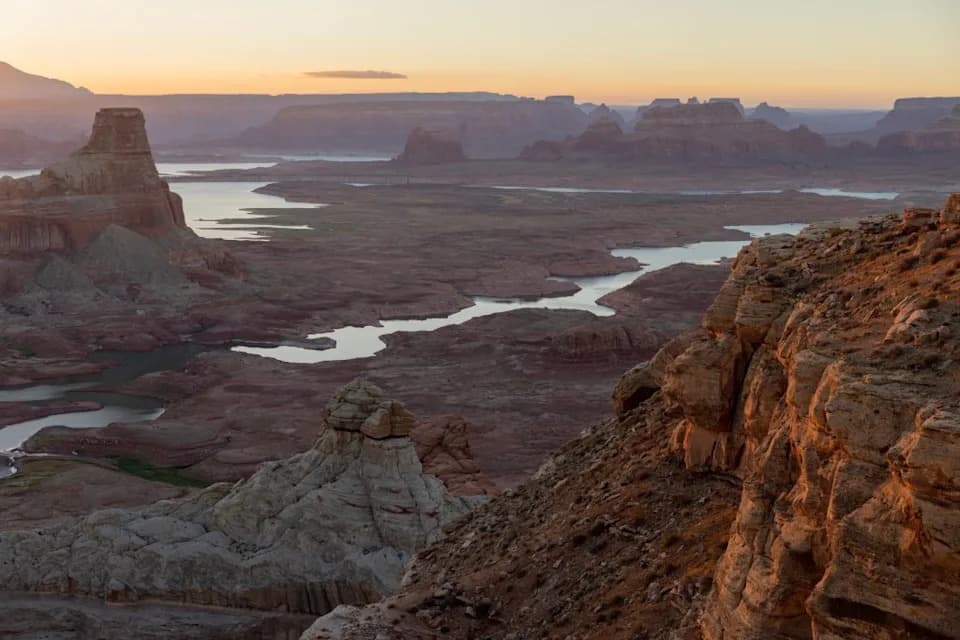
Severe drops in recent years exposed human remains along Lake Mead's shoreline in 2022 and forced Las Vegas water managers to draw from deeper intakes to maintain supply. At Lake Powell, declining levels have made some boat ramps unusable and forced others to be relocated or rebuilt.
Outlook
Of 54 Western reservoirs tracked by the Bureau of Reclamation, nine recently recorded their lowest levels in the past three decades. Federal modeling from July projects Lake Mead will likely continue declining through much of the year, though officials say the current low may not be permanent and will depend on winter snowfall and coordinated water-use reductions.
Sources: U.S. Bureau of Reclamation data and statements; reporting from The Associated Press.
Help us improve.