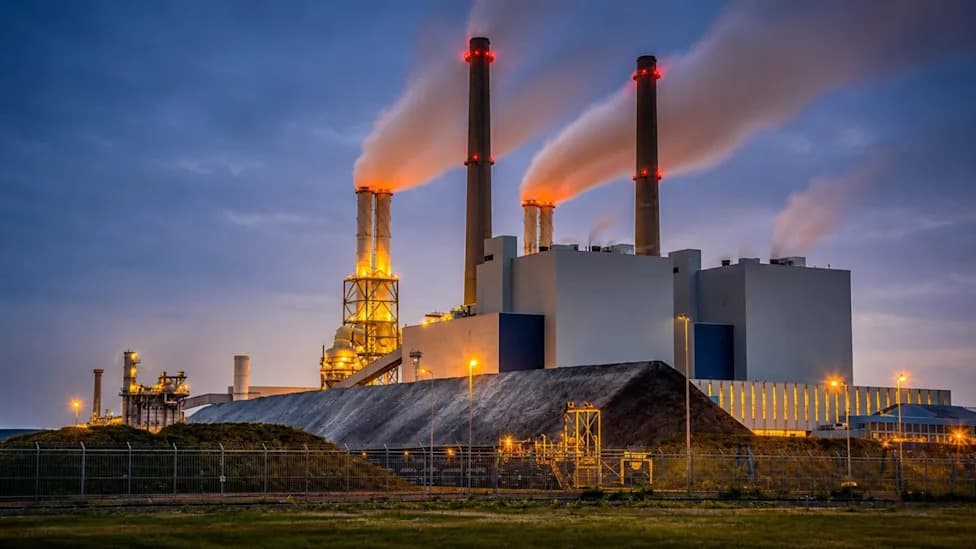
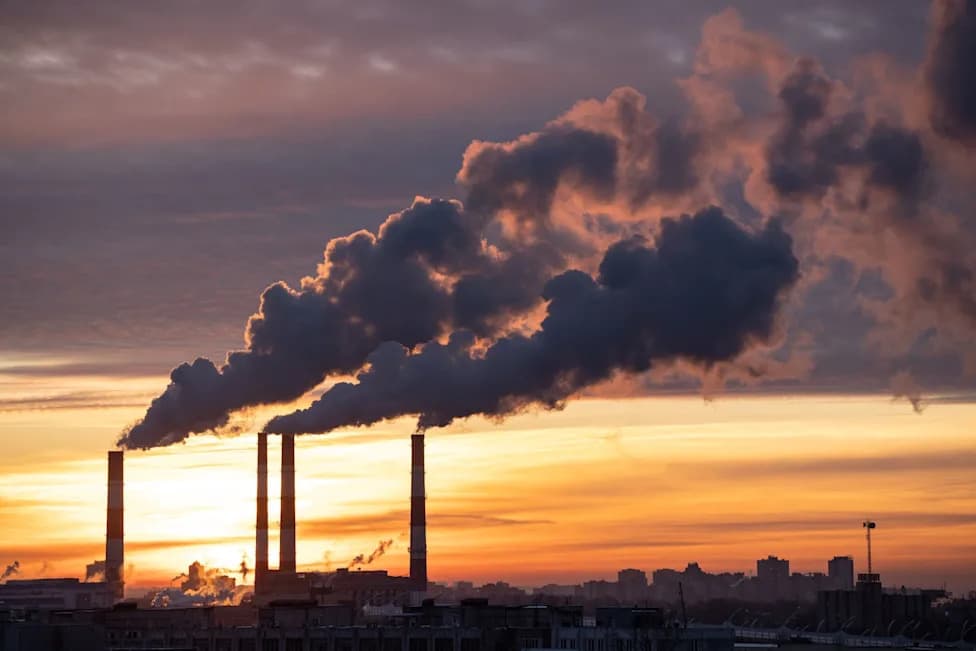
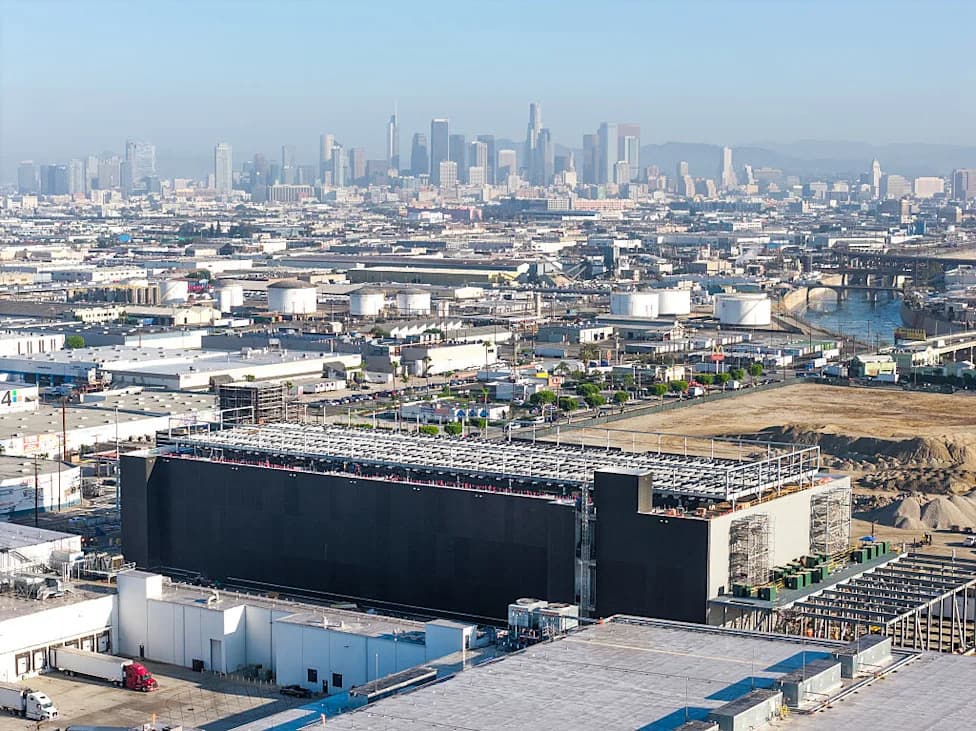
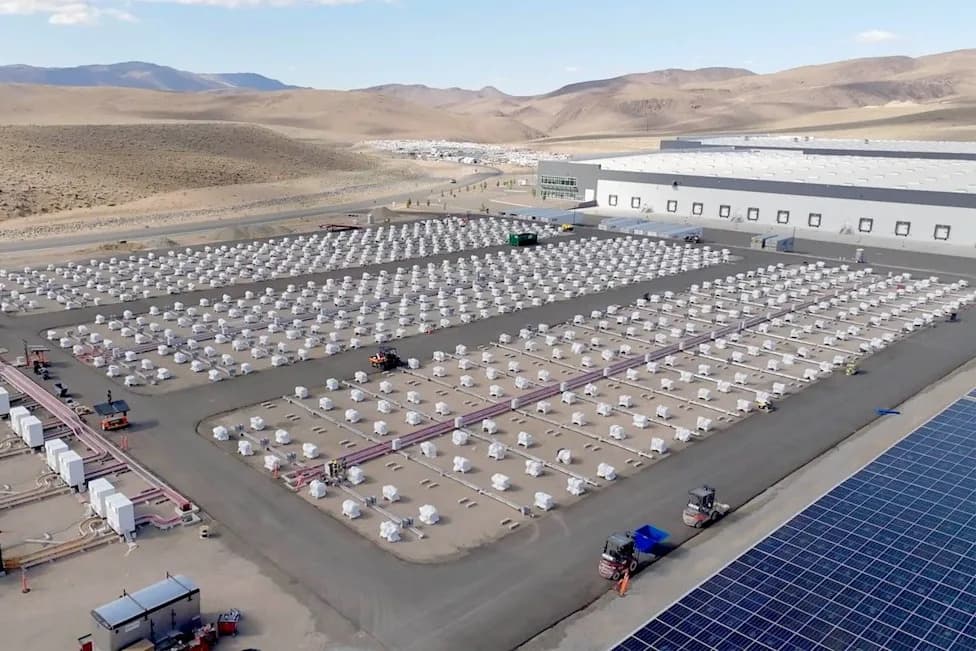
The New York Times reports that at least 82 gas-fired generators linked to U.S. data centers are proposed or under development. If completed, these plants could emit roughly as much pollution in one year as half of all U.S. passenger cars. Fast permitting in states like Texas and Ohio — sometimes in as few as 18 days and without broad public disclosure — has helped accelerate this growth. Without limits on new gas generators, data-center-related emissions are likely to increase sharply.
Backup Generators for AI Data Centers Are Driving Major Air Pollution — Could Match Emissions of Half of U.S. Cars
Shutterstock / Futurism
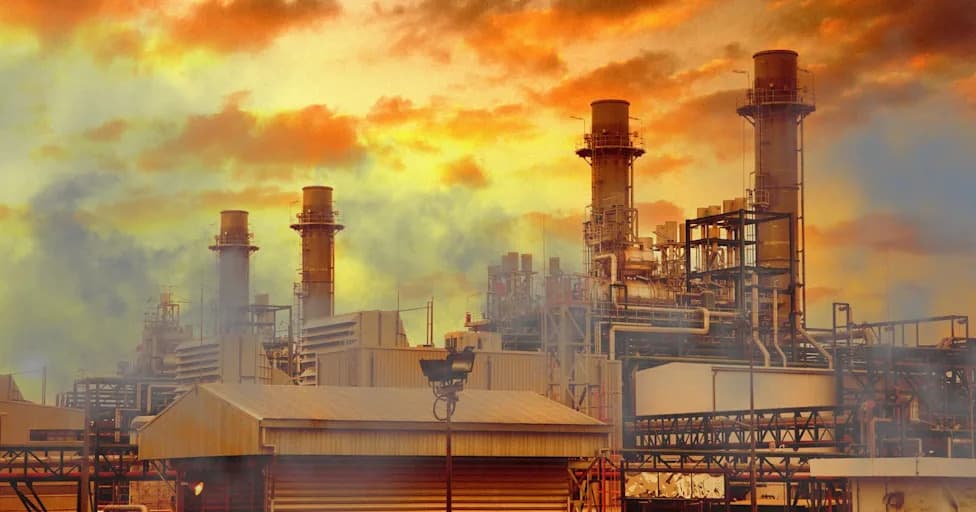
The volume of pollution discharged by fossil-fuel backup generators tied to data centers is staggering and growing. Reporting from The New York Times highlights a rapid expansion of large gas-fired generators built to supply private data-center infrastructure — a trend with significant consequences for local air quality and national emissions targets.
What’s Happening
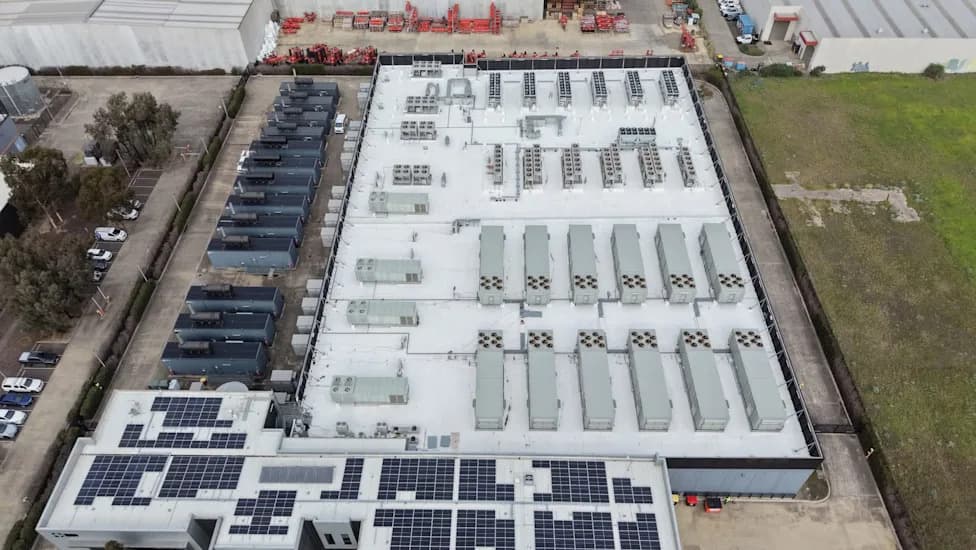
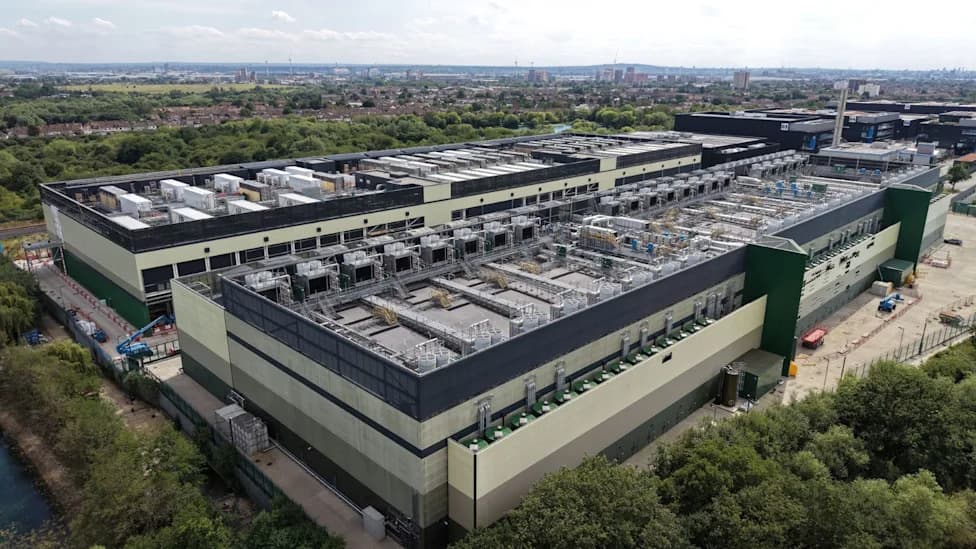
The New York Times finds that at least 82 gas generators linked to U.S. data centers are currently proposed or under development. These installations can rival public power plants in size and output, but they are privately owned and the electricity they produce is dedicated to data centers rather than the broader public grid.
Who’s Behind It
Major technology firms, including Meta (Mark Zuckerberg) and xAI (Elon Musk), are among the companies installing these generators. As successive generations of AI chips and larger, more energy-intensive language models come online, data centers’ power demands are increasing — and so is reliance on on-site fossil-fuel generation for capacity and backup power.
Scale And Impact
If all 82 proposed plants are completed, The New York Times notes they could emit in a single year an amount of pollution comparable to roughly half the passenger cars in the United States. That scale of emissions is being enabled in part by industry-friendly state regulators in places such as Texas and Ohio, where permits for giant fossil-fuel generators have been approved in as few as 18 days and sometimes without broad public disclosure.
Policy Options And Risks
Some states have instituted temporary moratoriums on new data-center construction to limit rapid growth. However, unless states or regulators take the more difficult step of restricting or banning new gas generators at existing facilities, U.S. emissions tied to data centers are likely to rise sharply in the coming years. Alternatives such as cleaner backup power, stricter permitting, greater transparency, and stronger local oversight are possible but not yet widespread.
Bottom line: The surge in private, large-scale fossil-fuel generators for data centers — driven by growing AI energy needs and fast permitting — presents a mounting emissions problem unless policymakers, industry, and communities act to limit or clean up this power source.
Help us improve.