Louisiana health officials: five of nine reported Vibrio vulnificus cases this year have been fatal, an unprecedented rise compared with the past decade. All nine patients were hospitalized after entering seawater with open wounds and had underlying health conditions. The LDH warns Vibrio is most abundant from May through October and can infect through open wounds or contaminated shellfish; vulnerable people should avoid raw shellfish and seawater exposure with cuts.
At Least Five Dead in Louisiana as 'Flesh-Eating' Vibrio Cases Surge — Officials Urge Caution
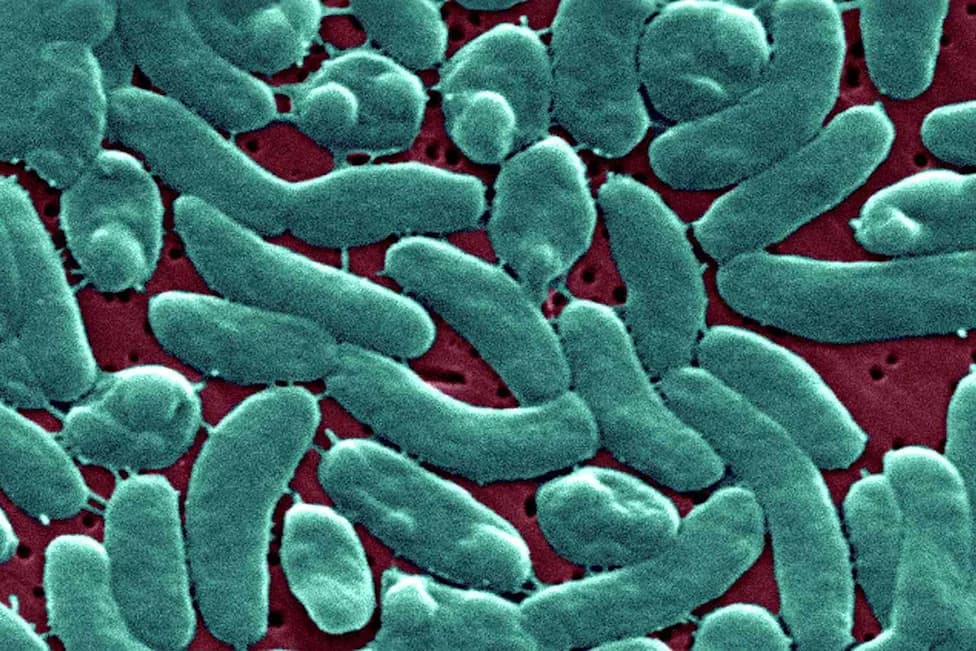
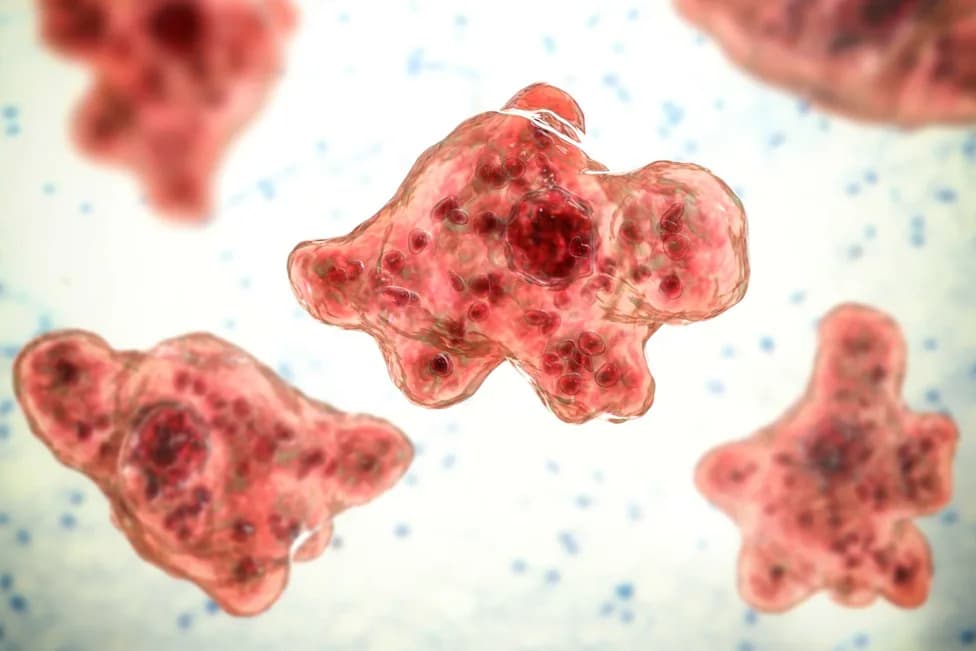
A closeup of Vibrio vulnificus bacteria.Credit: BSIP/UIG Via Getty
Louisiana health officials report an unprecedented surge in Vibrio vulnificus infections this year: five of nine reported cases have been fatal, the Louisiana Department of Health (LDH) said on its website. All nine patients were hospitalized after entering seawater with open wounds and each reportedly had underlying medical conditions.
What Happened
As of Wednesday, August 5, the LDH recorded nine Vibrio vulnificus infections in Louisiana this year, five of which resulted in death. State officials described the current numbers as far higher than typical for this time of year; historically Louisiana averaged about seven cases and one death annually during the same period over the past decade.
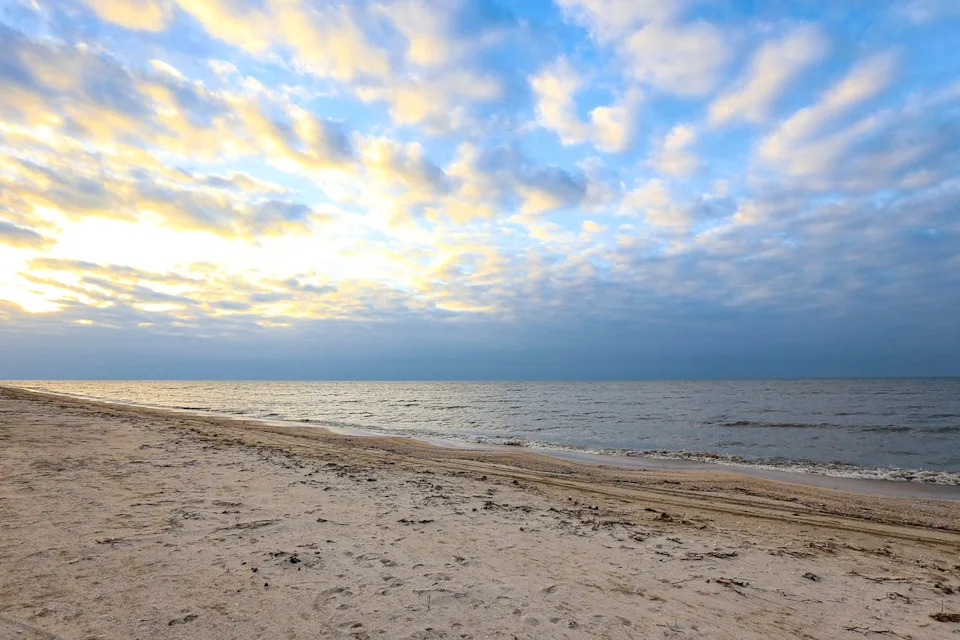
A photo of a Louisiana Beach.Credit: Getty
How Infection Occurs
Vibrio vulnificus is a naturally occurring bacterium in coastal and brackish waters and is most abundant from May through October when water temperatures rise. It can cause illness in two primary ways:
- Through open wounds exposed to contaminated seawater or brackish water.
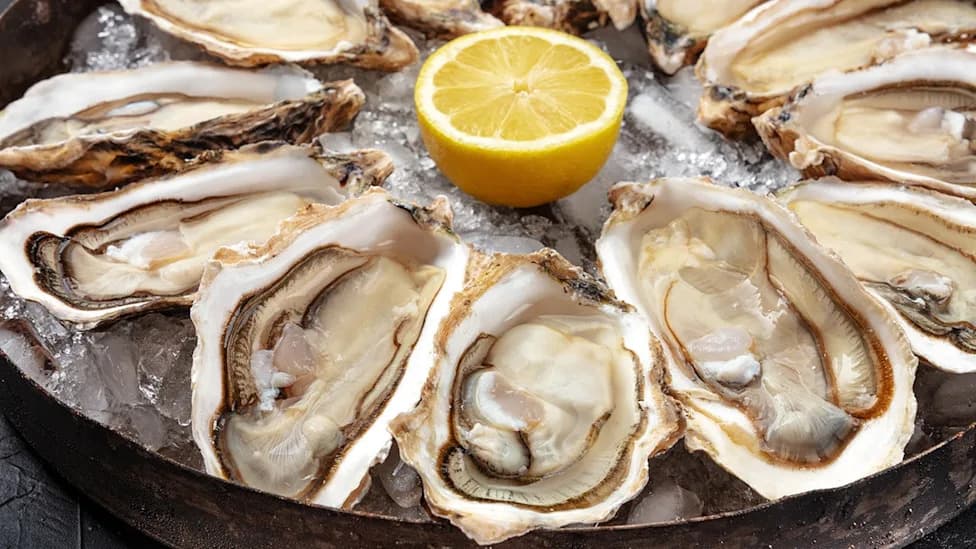
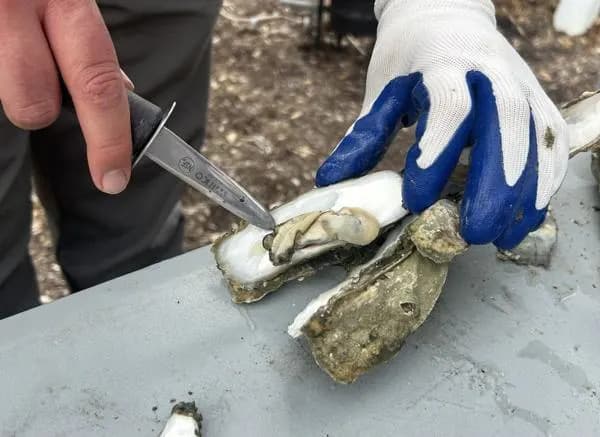
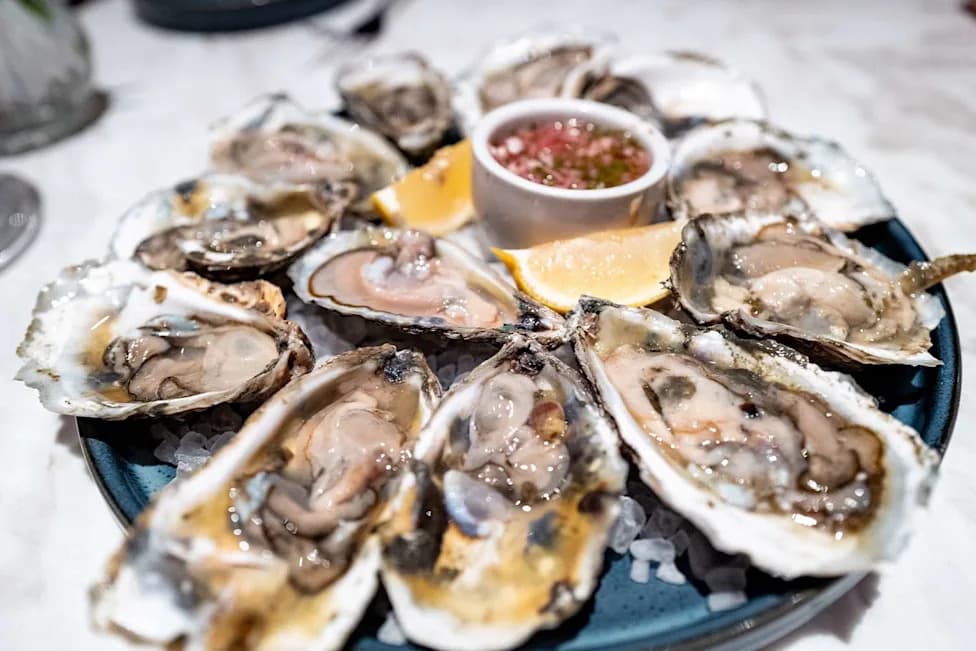
- By consuming contaminated raw or undercooked seafood, especially oysters.
Symptoms And Risk Factors
In otherwise healthy people, Vibrio infections are often mild. However, the infection can progress rapidly and be life-threatening for people with chronic conditions. The LDH specifically warns that people with liver disease, cancer, diabetes, HIV, or thalassemia are at higher risk of severe illness.

A generic photo of a doctor.Credit: krisanapong detraphiphat/Getty
Wound-related signs to watch for include swelling, redness, warmth, pain, skin discoloration, discharge, and fever. Symptoms from eating contaminated seafood can include fever, chills, dangerously low blood pressure, and blistering skin lesions. Prompt medical attention is critical if symptoms appear after seawater exposure or after consuming raw shellfish.
Prevention And Guidance
LDH recommendations:
- Avoid entering brackish or salt water if you have cuts, scrapes, or open wounds. If contact is unavoidable, cover wounds with a waterproof bandage.
- Rinse and wash any wound exposed to seawater thoroughly with soap and fresh water, and seek medical care for worsening symptoms.
- Use caution when handling raw shellfish: wash hands with soap and water after handling, and avoid eating raw or undercooked shellfish if you have a weakened immune system or chronic health conditions.
Wider Context
Public health officials in other states are also reporting elevated Vibrio activity this year. Maryland has confirmed 29 cases so far, and Florida reported 14 cases and two deaths linked to the bacterium; Florida's fatalities were reported in vulnerable age groups, one between 10 and 14 years old and another between 60 and 64 years old.
The LDH continues to monitor cases and urges beachgoers, seafood handlers, and clinicians to follow prevention guidance during the warm months when Vibrio bacteria are most active.
Help us improve.