Gen. Dan Caine has privately urged senior White House advisers to seek an "off‑ramp" from the six‑month war with Iran, warning that air strikes alone are unlikely to secure President Trump’s goals and that escalation risks serious blowback. Officials cite dwindling U.S. munitions, the limited strategic value of many targets, and the danger of retaliatory attacks on Gulf energy infrastructure. With full ground invasion off the table for now, the administration is pressing for a symbolic outcome that could preserve diplomatic options, such as reopening the Strait of Hormuz.
Top U.S. General Seeks an 'Off‑Ramp' From Iran War as Military Options Narrow
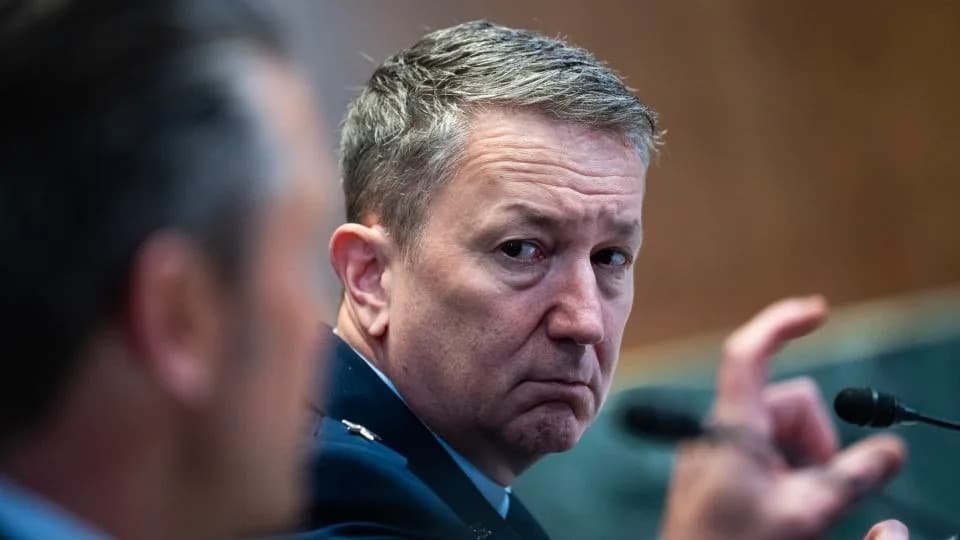
Chairman of the Joint Chiefs of Staff Dan Caine, watches and Secretary of Defense Pete Hegseth testify during the Senate Appropriations Subcommittee on Defense hearing titled "A Review of the President's FY2027 Budget Request for the Department of Defense," in Dirksen building on May 12. - Tom Williams/CQ-Roll Call, Inc./Getty Images
Chairman of the Joint Chiefs Gen. Dan Caine has privately urged senior Trump advisers in recent weeks to look for an "off‑ramp" from the six‑month conflict with Iran, warning that the available military options risk backfiring and that airpower alone is unlikely to achieve the administration's objectives, according to multiple sources.
Caine has discussed his concerns in side conversations with key Cabinet members and advisers — including CIA Director John Ratcliffe, Secretary of State Marco Rubio and Vice President J.D. Vance — in an effort to align interagency views before formal White House meetings. The goal, sources said, has been to make clear the limits and pitfalls of escalation options that do not involve ground forces.
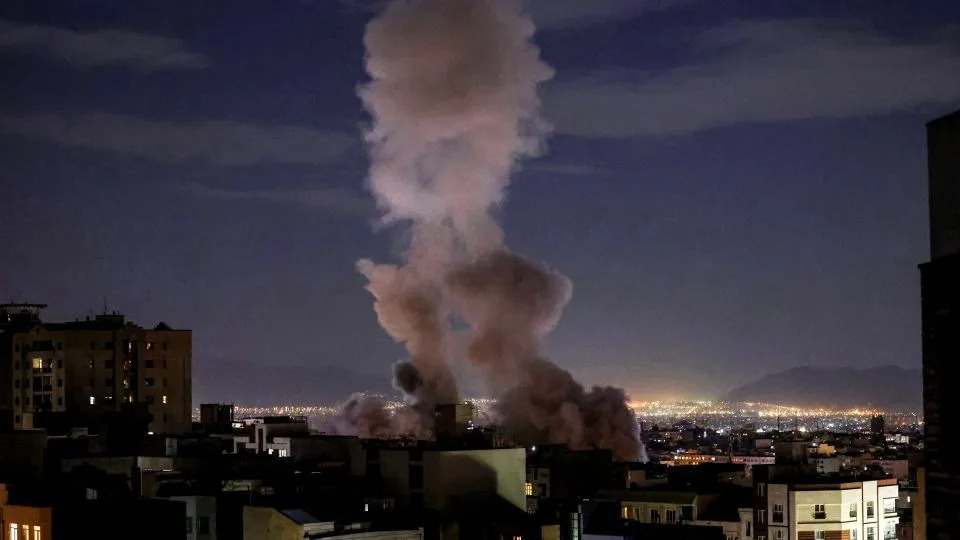
A smoke plume rises following a missile strike on a building in Tehran on March 1, 2026. - Atta Kenare/AFP/Getty Images
Why he is urging caution
Officials cite several constraints: a decreasing stockpile of precision munitions, the practical limits of air strikes, and the risk that striking Iranian energy or infrastructure would provoke retaliatory attacks on Gulf states and further alienate ordinary Iranians rather than the regime. Caine has emphasized these concerns publicly and privately while also telling the president the military could inflict devastating damage if ordered.
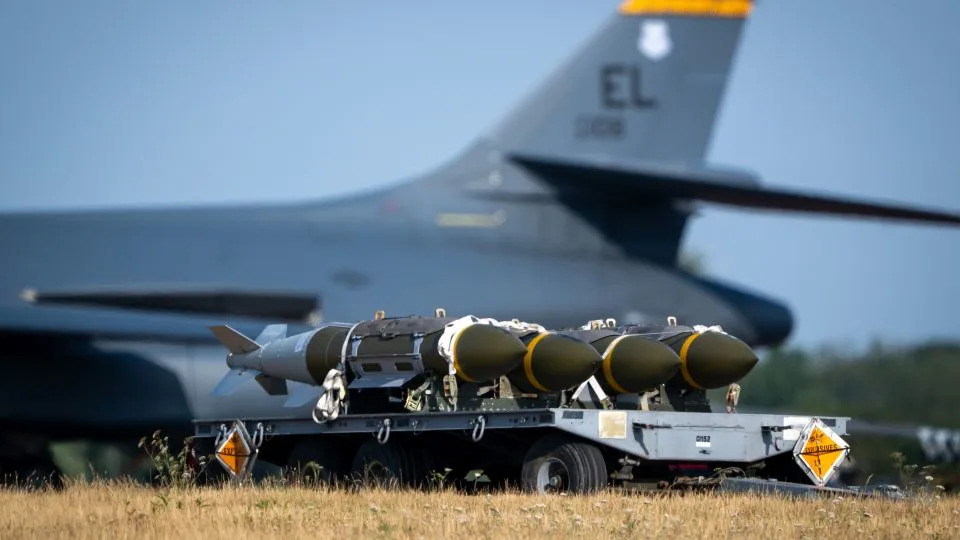
Munitions are seen near a B1 bomber at RAF Fairford on July 24 in Fairford, England. Iran's Islamic Revolutionary Guard Corps has declared RAF Fairford a "legitimate target" after U.S. Air Force bombers used the British base to launch bombing missions against Iranian military targets. - Matthew Horwood/Getty Images
"Caine is looking for an off ramp," one source told CNN. "He thinks airpower has its limits."
The chairman has balanced blunt assessments with careful messaging to preserve his working relationship with the president, at times offering a range of options while warning about second‑ and third‑order consequences. He has reportedly sought greater access to the president to brief him more regularly and to provide candid military advice.
Recent planning and pushback
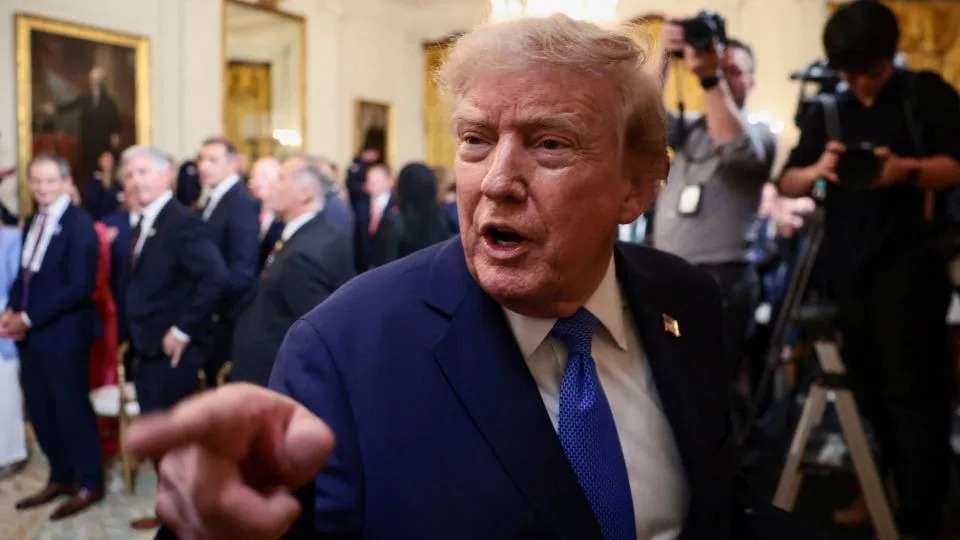
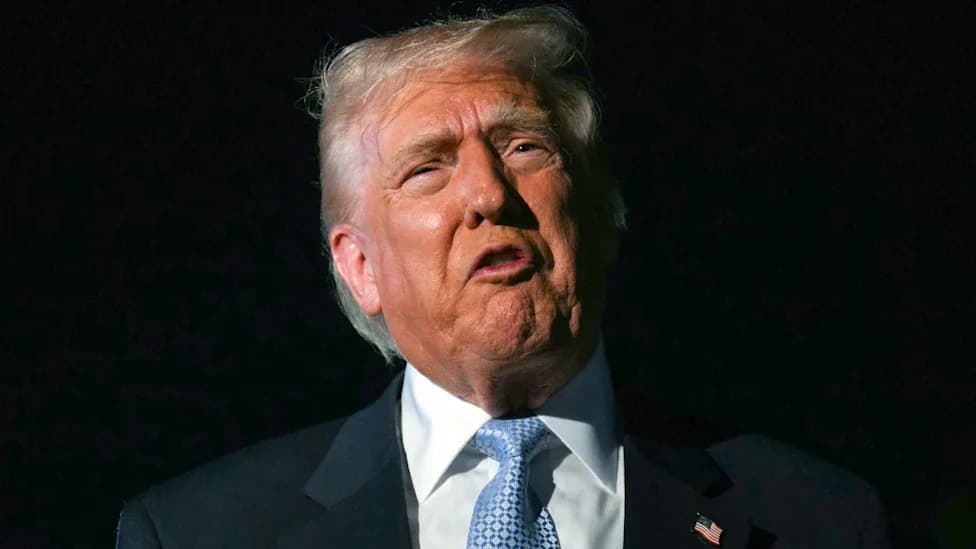
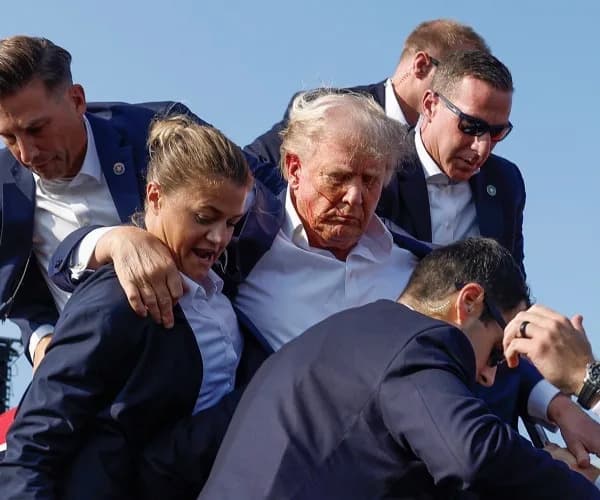
US President Donald Trump points a finger as he leaves the reception for Olympic athletes who competed in Milano Cortina, Italy, at the White House in Washington, D.C. on August 6. - Evelyn Hockstein/Reuters
Late in July, some elements within U.S. Central Command and certain allies reportedly favored a more aggressive strike plan. After consultations with regional partners — many of whom warned that escalation could expose their energy infrastructure to Iranian retaliation — the president paused the operation. Officials also flagged dwindling munitions as a key factor in reconsidering plans.
In Washington, the White House defended Caine, noting his contributions to planning and stressing that the commander‑in‑chief makes final decisions. Caine's spokesperson declined to comment on private conversations.
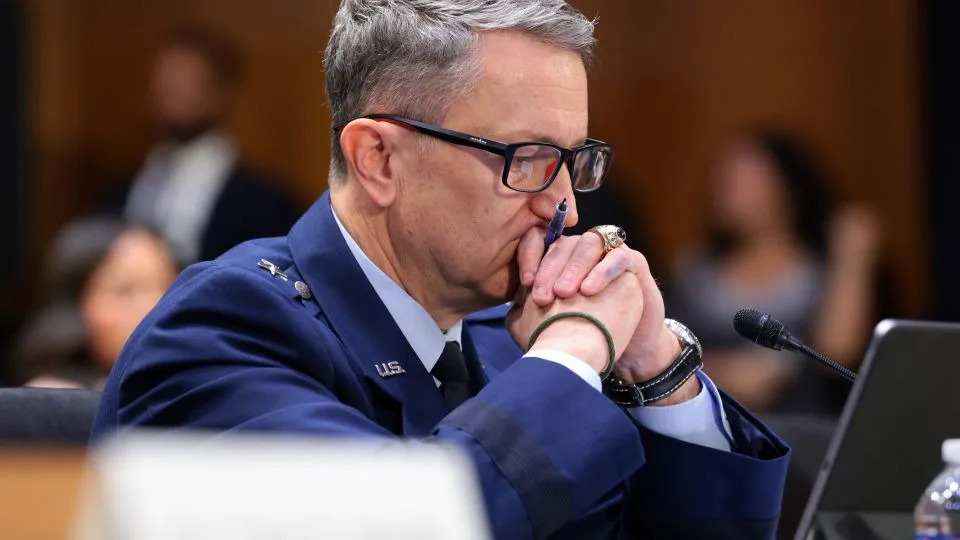
Chairman of the Joint Chiefs of Staff Gen. Dan Caine pauses as he testifies during a Senate Appropriations Committee hearing on July 21 in Washington, DC. - Anna Moneymaker/Getty Images
Strategic implications
Many inside and outside the administration say a decisive defeat of Iran would likely require a major ground campaign — a politically fraught option that could cost American lives and is not currently being advocated. In the near term, officials say they are seeking a credible "symbolic" outcome the president could present to the public, such as steps to reopen the Strait of Hormuz, while leaving room for diplomatic progress.
The Pentagon has also begun soliciting creative concepts to pressure Iran without large‑scale escalation, a move some officials view as evidence the war's trajectory is more uncertain than originally expected.
CNN reporters Haley Britzky and Alayna Treene contributed reporting.
Help us improve.