Saudi Arabia, Turkey and Pakistan signed the "Mecca Joint Defence Agreement" to deepen security cooperation amid escalating regional violence tied to the US–Iran confrontation and renewed Houthi attacks. The pact commits members to treat an attack on any one as an attack on all and is described by officials as a measure to strengthen collective deterrence, not to target a specific country. Analysts say the move reflects Riyadh's push to diversify security ties beyond reliance on the United States and to build layered defences in the Gulf. The signing coincides with a breakdown of a truce in Yemen and recent deadly Houthi missile and drone strikes.
Saudi Arabia, Turkey and Pakistan Sign 'Mecca' Defence Pact as Regional Violence Escalates
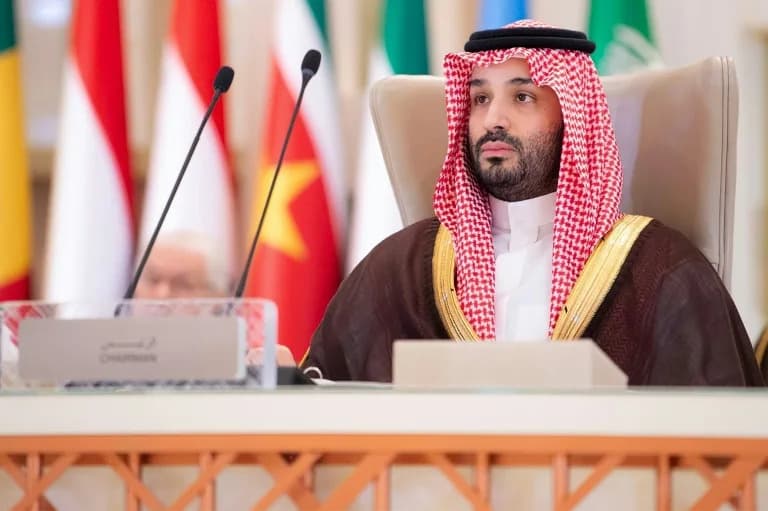
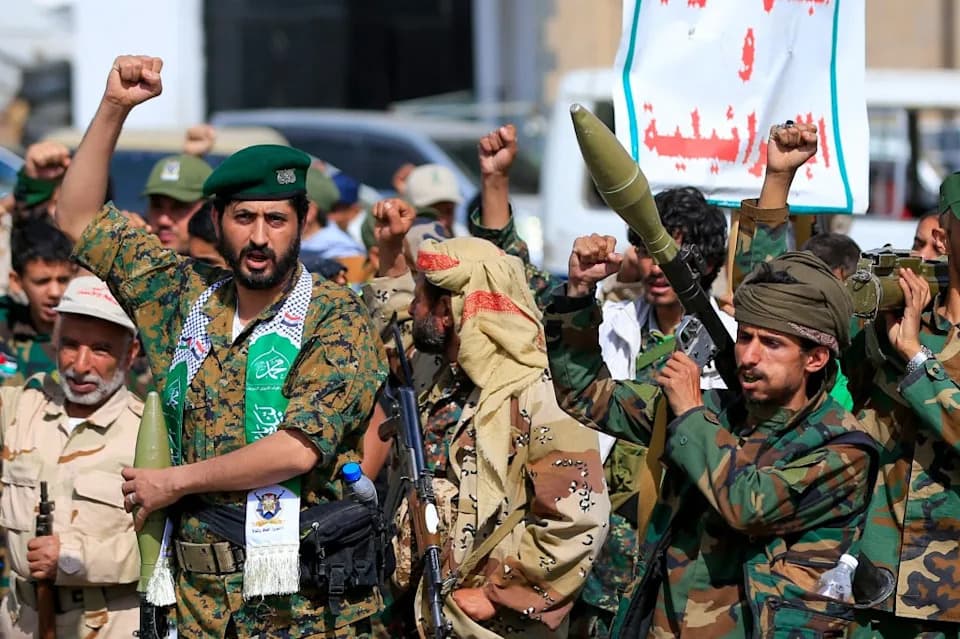
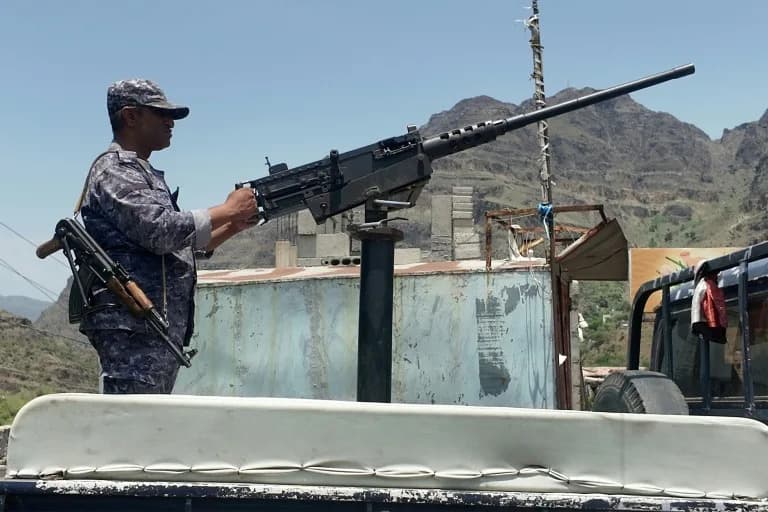
Saudi Arabia is looking to build its regional alliances amid the Middle East war and renewed conflict in Yemen (Ahmed NURELDINE)
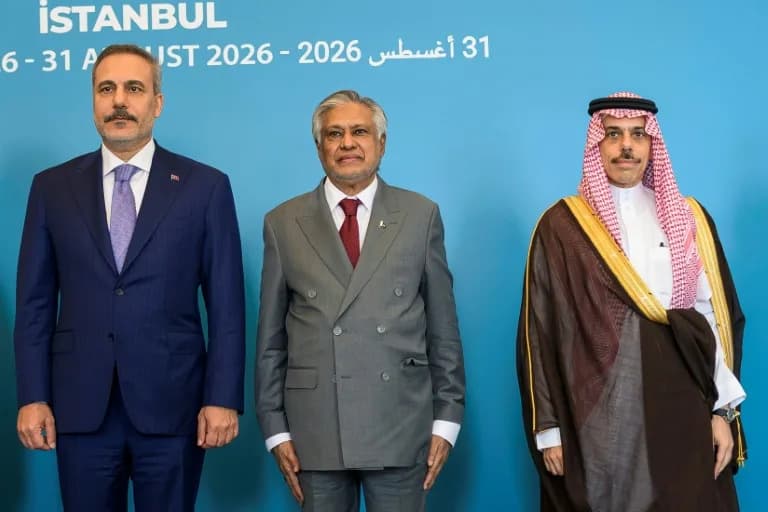
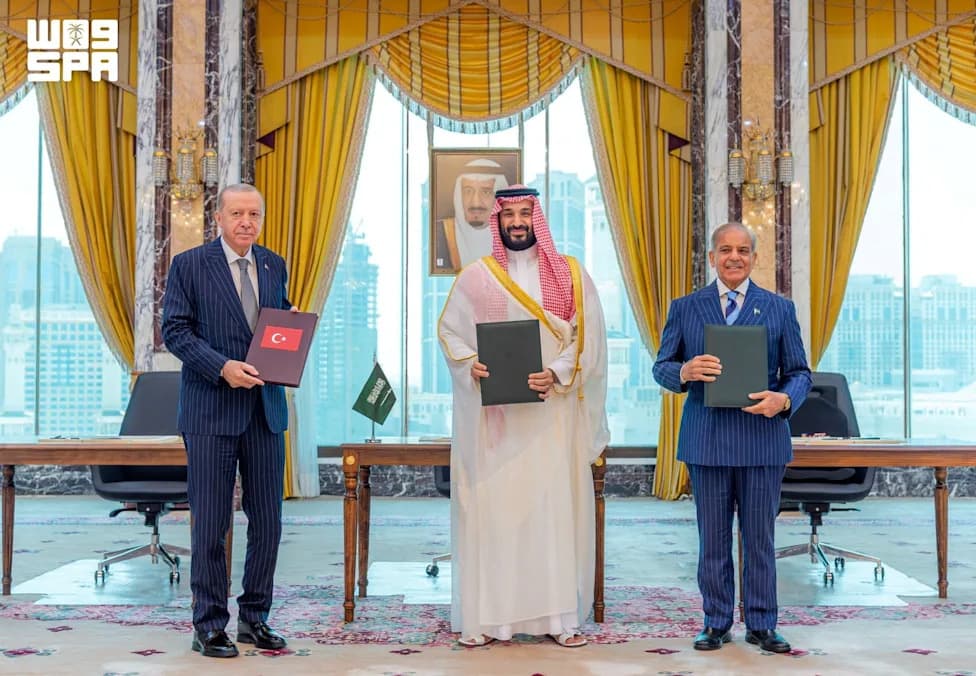
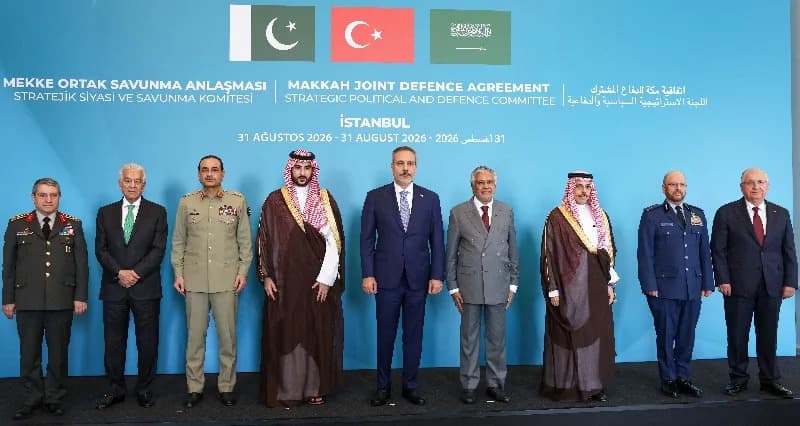
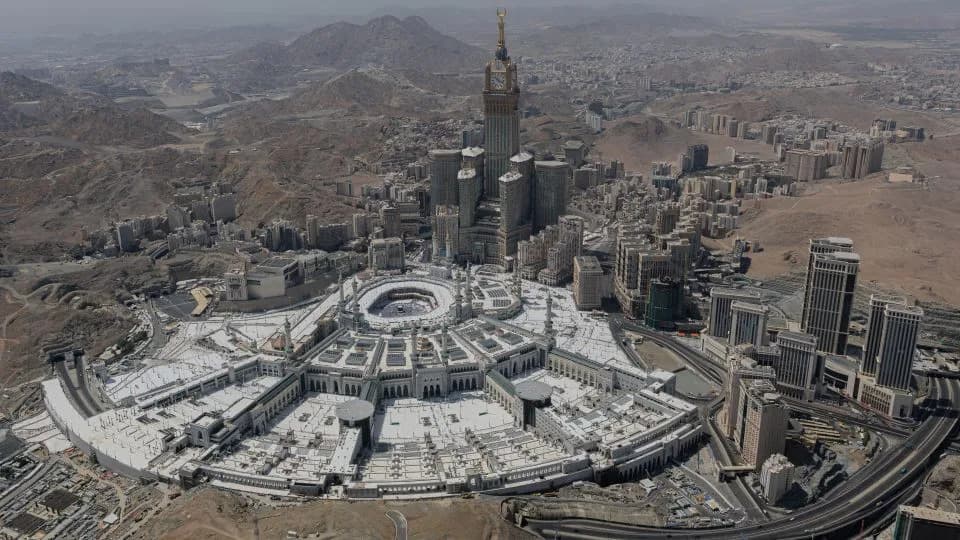
Saudi Arabia, Turkey and Pakistan on Friday formalised a trilateral defence agreement — the "Mecca Joint Defence Agreement" — as violence across the region intensifies amid Houthi attacks and the wider US–Iran confrontation. Leaders from the three countries met in Mecca to sign the pact, which officials say is intended to strengthen collective deterrence and regional stability.
What the Pact Says
In a joint statement carried by the official Saudi news agency and Pakistan's foreign ministry, the signatories said the agreement reflects a "shared commitment to further strengthening their collective security and to promoting peace, security and stability in the region and beyond." Pakistan's foreign ministry added that an attack on any member would be treated as an attack on all.
Pakistan Foreign Ministry: The pact is "intended to strengthen collective deterrence."
Turkish officials later emphasised the agreement "is not aimed at any particular country" and does not contradict Turkey's existing international commitments, including NATO obligations. Saudi Deputy Minister for Public Diplomacy Rayed Krimly said the pact "does not represent an effort to establish a military axis or a sectarian bloc" and is focused on building sustainable defensive capabilities rather than triggering an arms race.
Strategic Context
The agreement comes against the backdrop of a broader confrontation between the United States and Iran that has pulled in neighbouring states and disrupted vital shipping lanes such as the Strait of Hormuz and the Red Sea. Analysts say the conflict has emboldened Iran and its Houthi allies in Yemen, while fuelling perceptions among Gulf states that Washington may be an increasingly unreliable security partner.
Umar Karim, a scholar of Saudi foreign policy at the University of Birmingham, said the alignment is "clearly oriented towards Iran" and aims to meet Tehran's evolving regional strategy. Andreas Krieg of King's College London described the pact as part of a deliberate effort to diversify security partnerships beyond the United States — not to replace Washington, but to build capacity to protect national interests when US support is limited.
Meetings And Political Signals
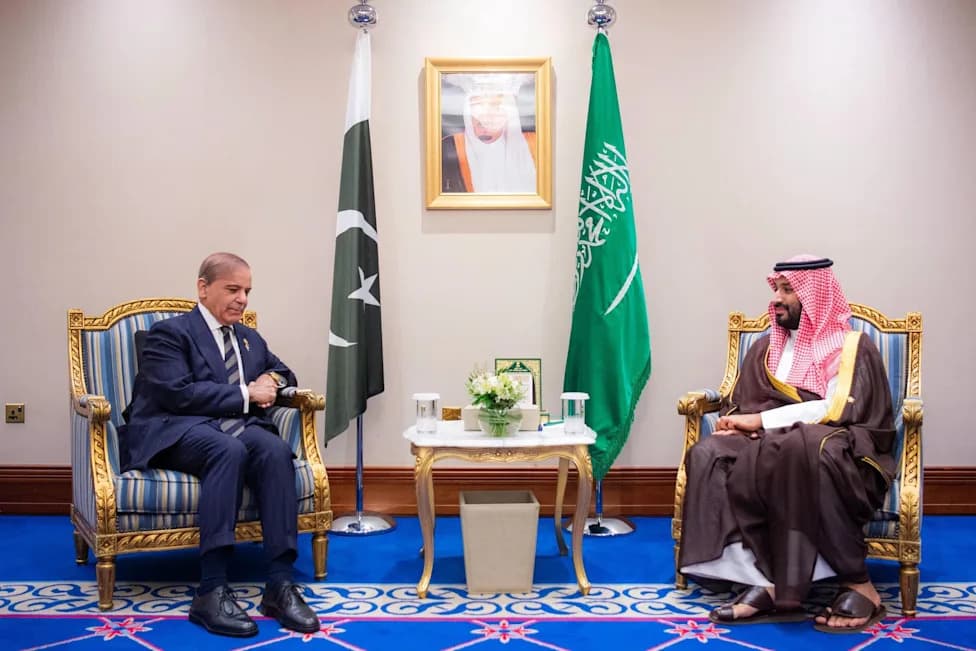
Turkish President Recep Tayyip Erdogan met Saudi Crown Prince Mohammed bin Salman in Mecca on the day of the signing. Pakistani Prime Minister Shehbaz Sharif and Army Chief Asim Munir also travelled to the kingdom for the ceremony. Observers say Turkey and Pakistan gain diplomatic clout and potential access to Saudi investments, while Saudi Arabia positions itself as an organiser of regional security rather than relying on a single external guarantor.
Renewed Houthi Violence
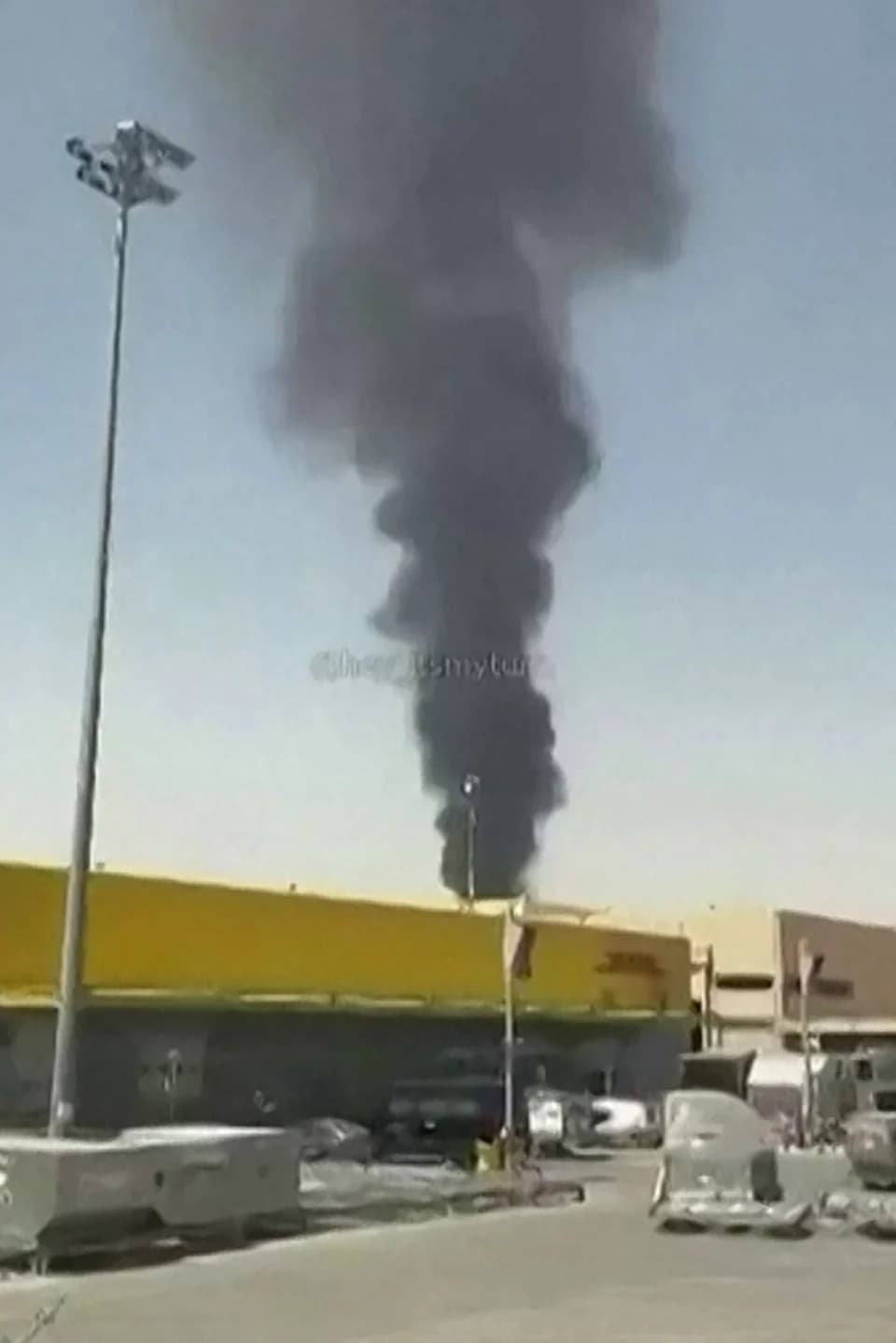
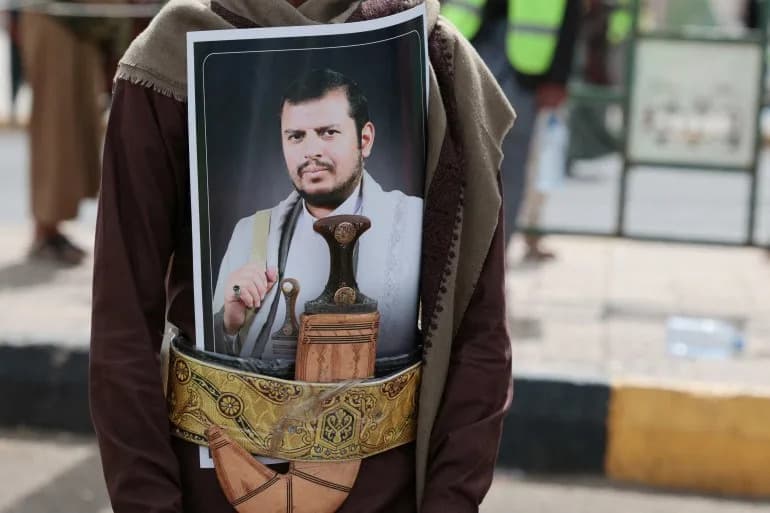
The pact follows renewed Houthi attacks after a truce with Riyadh broke down. The Houthis, who are backed by Iran, have launched strikes on Saudi territory and declared a maritime blockade, attempting to enforce it by attacking tankers and disrupting Red Sea shipping. On Thursday, Houthi missile and drone strikes killed at least 58 Yemeni government troops, one of the conflict's deadliest days in years.
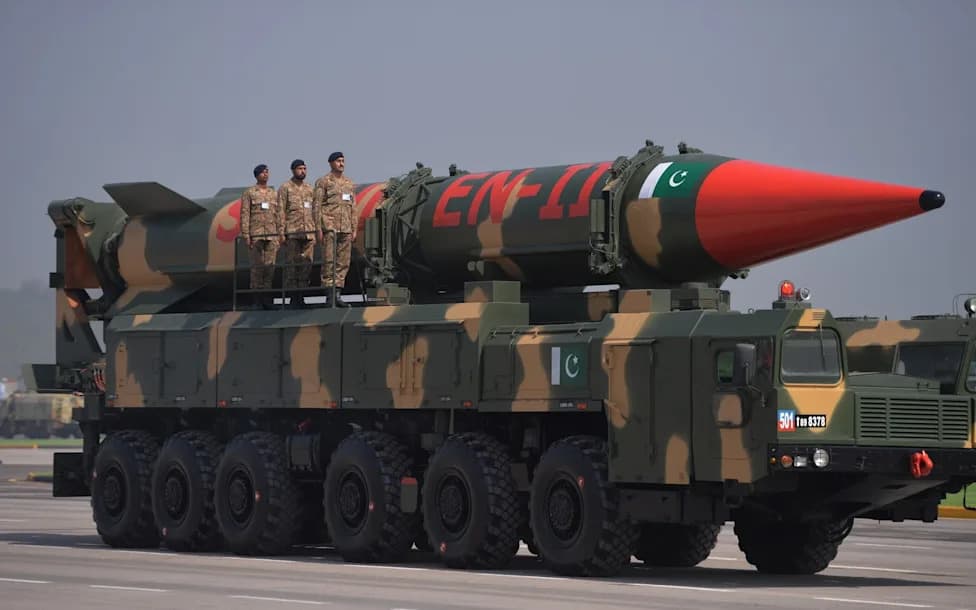
Saudi Arabia has led a coalition backing Yemen's internationally recognised government since 2015. The new trilateral agreement also builds on a Saudi–Pakistan mutual defence understanding announced in 2025 — a development noted for Pakistan's status as the Muslim world's only nuclear-armed state.
Bottom line: The Mecca Joint Defence Agreement formalises closer security cooperation between Riyadh, Ankara and Islamabad at a volatile moment in the region, signalling a move toward diversified defence arrangements and increased regional coordination in response to Iranian and Houthi pressures.
Help us improve.