UNESCO has added the 636-square-mile Okefenokee Swamp (southeast Georgia and northeast Florida) to its World Heritage List in recognition of its rich biodiversity and role as a peat-rich carbon sink. The landscape supports about 15,000 American alligators and at least 856 plant species, 238 birds and roughly 90 reptiles and amphibians. Threatened inhabitants include the gopher frog, endangered longleaf pine and the eastern indigo snake (4.9–7.9 ft). The listing is expected to boost conservation attention, funding and research.
Okefenokee Swamp Named UNESCO World Heritage Site — A Biodiverse, Carbon-Rich Wetland
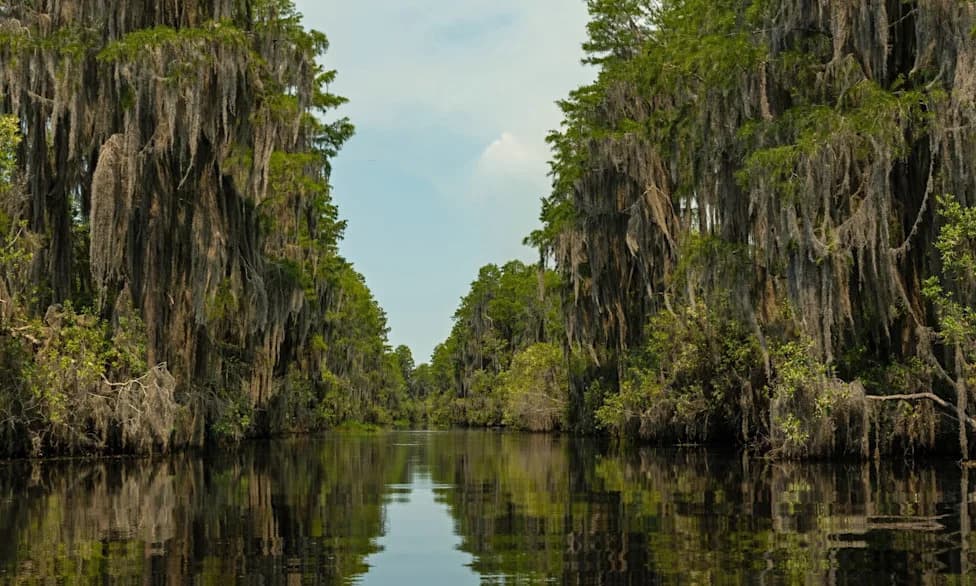
Photo Credit: iStock
UNESCO has inscribed the Okefenokee Swamp on its World Heritage List, formally recognizing the 636-square-mile (1,646 km²) freshwater landscape that spans southeast Georgia and northeast Florida. The designation highlights the swamp’s global importance for biodiversity and climate mitigation.
Why This Designation Matters
The Okefenokee’s peat-rich wetlands store large amounts of carbon, helping reduce greenhouse gases in the atmosphere. At the same time, the site supports an unusually wide range of habitats — from open savannas to dense forested wetlands — that sustain hundreds of plant and animal species.
Wildlife and Biodiversity
Surveys and inventories across the Okefenokee document remarkable diversity: at least 856 plant species, 238 bird species, roughly 90 species of reptiles and amphibians, 48 mammals and 39 fish species. Notable residents include bobcats, black bears, playful river otters and an estimated 15,000 American alligators, according to the U.S. Fish and Wildlife Service.
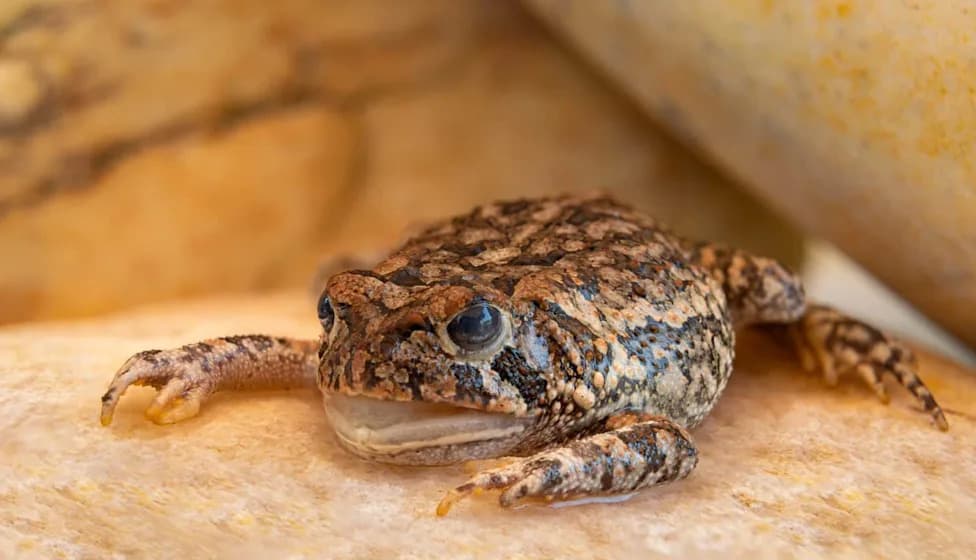
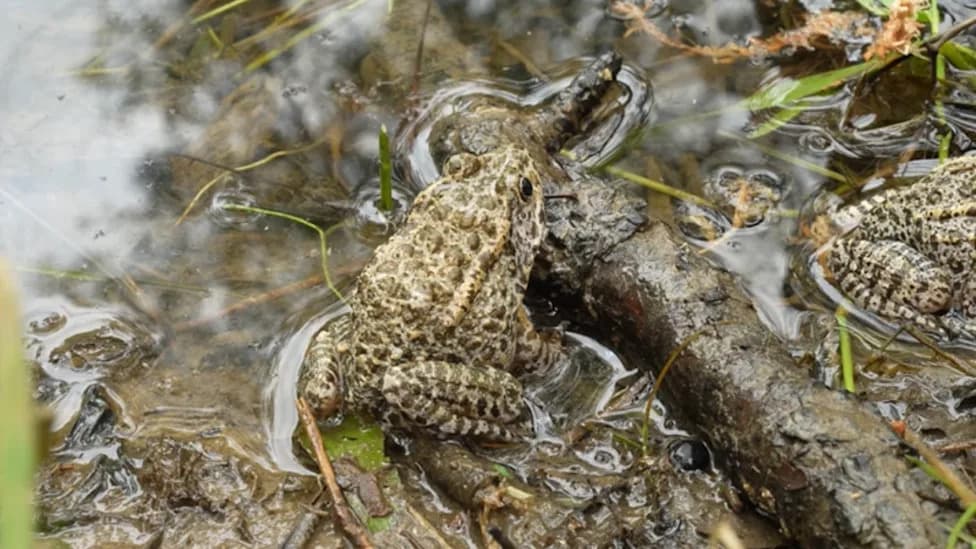
Several species of conservation concern rely on the swamp, including the gopher frog, the endangered longleaf pine ecosystem, and the eastern indigo snake. The eastern indigo is the longest native snake in the United States, typically reaching about 4.9–7.9 feet (1.5–2.4 m).
Conservation and Management
The World Heritage inscription places the Okefenokee among sites of Outstanding Universal Value, increasing international recognition that can help attract funding, research and conservation partnerships. The area is managed by the U.S. Fish and Wildlife Service, whose protections help preserve migratory bird habitat and support threatened species such as the eastern indigo snake and the gopher frog.
By safeguarding both biodiversity and significant carbon stores, protecting the Okefenokee supports local ecosystems and contributes to broader climate mitigation and resilience efforts.
Help us improve.