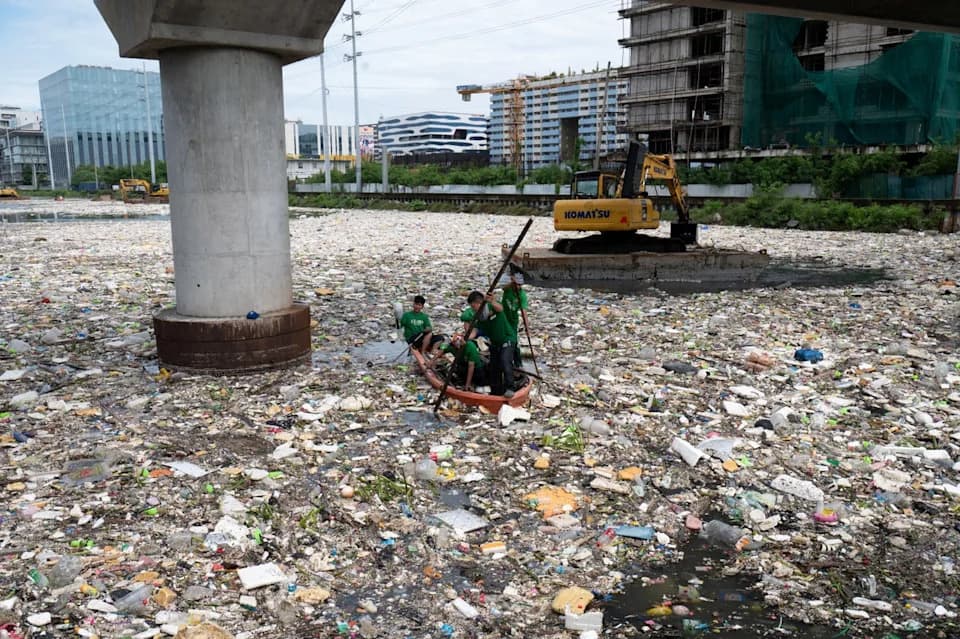
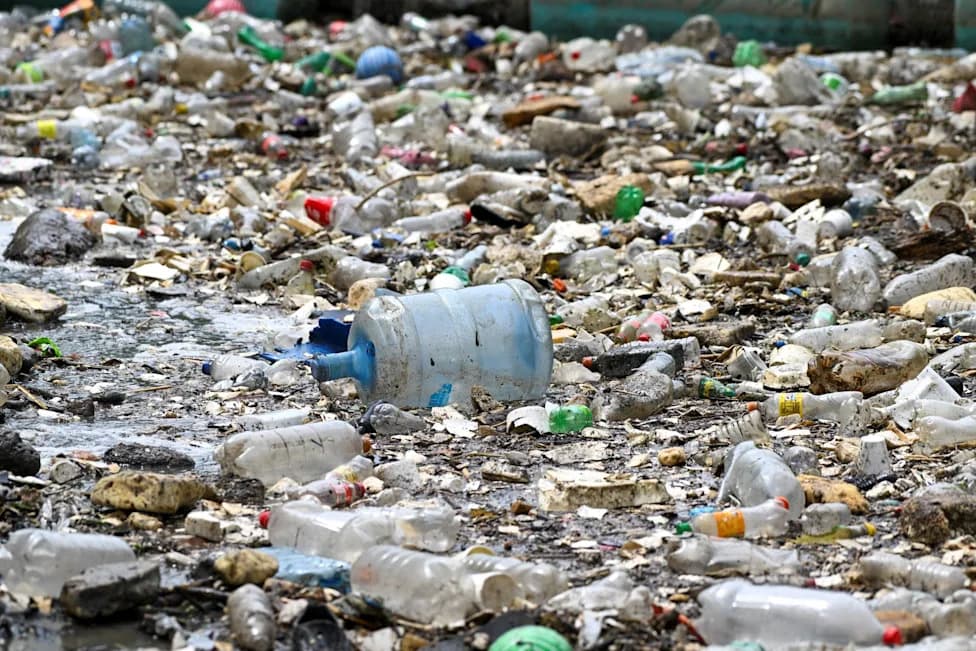
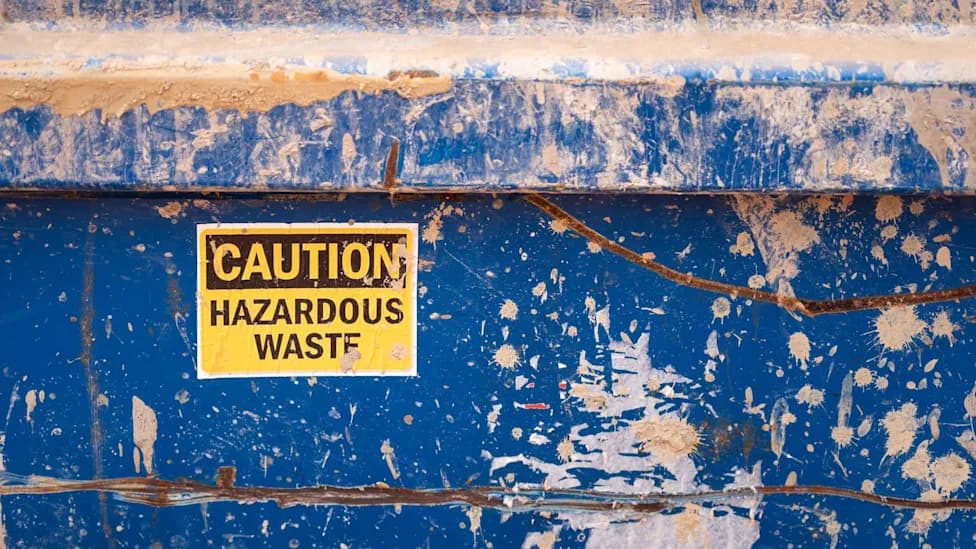
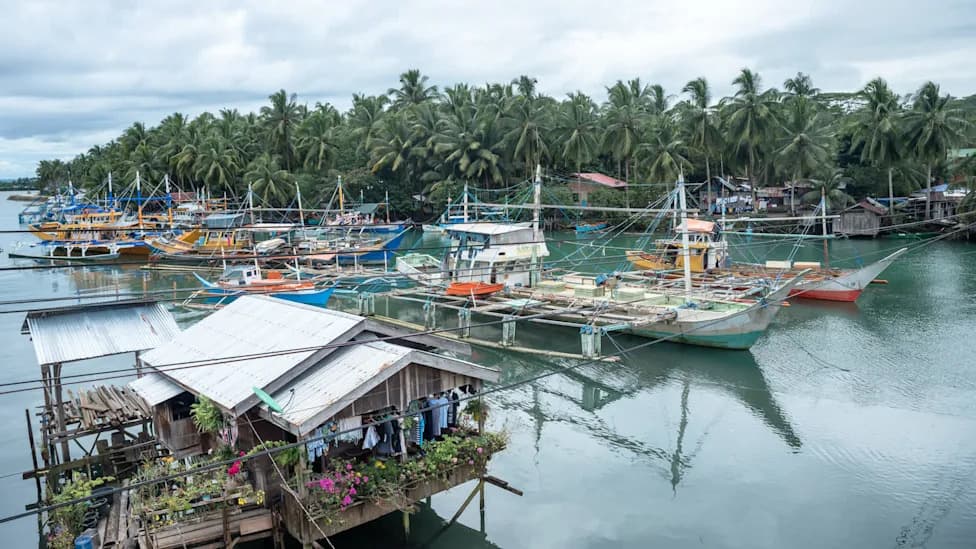
Environmental groups have flagged 184 U.S.-origin containers bound for Subic Bay between August 6 and September 30 as suspected electronic waste and urged Philippine authorities to detain and inspect the cargo. The Basel Action Network and a local task force say the shipments could violate the Basel Convention's rules because the Philippines is a signatory and the U.S. is not. Philippine agencies, led by the SBMA and the Bureau of Customs, have launched a multi-agency review and pledged stricter scrutiny of suspected e-waste consignments.
Philippine Authorities Warned After 184 U.S.-Origin Containers Flagged as Suspected E-Waste
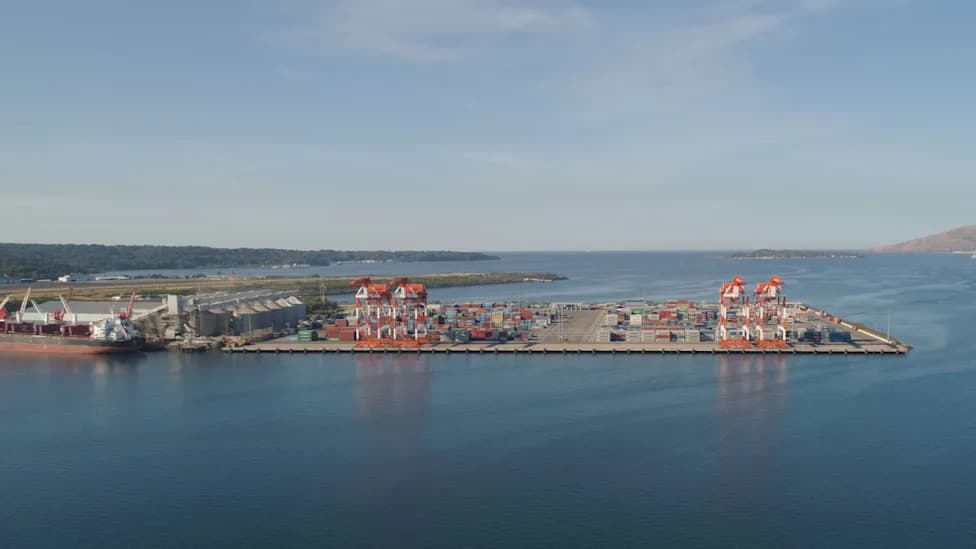
Photo Credit: iStock
Environmental groups have alerted Philippine authorities that 184 shipping containers originating in the United States and bound for Subic Bay may contain illegal electronic waste, prompting a multi-agency review and heightened scrutiny at the port.
Allegations and Immediate Response
On July 29, the Basel Action Network (BAN) and the Environmental Task Force Against Illegal E-Waste Imports to the Philippines issued an "Operation Can Opener" advisory asking the Bureau of Customs and the Environmental Management Bureau to halt and inspect 184 containers scheduled to arrive in Subic Bay between August 6 and September 30. The groups say manifests or other information indicate the cargo could be electronic scrap regulated under the Basel Convention.
Context And Previous Incidents
The alert follows a July 22 port action in which Subic District Collector Geniefelle Lagmay ordered three containers aboard the MV Tokyo Express—declared as scrap copper—not to be unloaded; those three containers later departed without being offloaded. The coalition also reports that 234 containers suspected of carrying e-waste plus one container of plastic waste from the United States entered the Subic freeport between March 2025 and June 2026.
Legal Issues: The Basel Convention
Central to the dispute is the Basel Convention, the international treaty that governs cross-border movements of hazardous wastes and certain electronic wastes. The Philippines is a party to the Convention; the United States is not. Environmental advocates note that, absent a mutual Article 11 agreement between the two countries, shipments that meet Basel criteria could constitute illegal traffic if they are found to contain Basel-listed hazardous e-waste.
Official Action and Coordination
Authorities have reacted by convening a cross-agency review. The Bureau of Customs has brought together the Subic Bay Metropolitan Authority (SBMA), the Department of Environment and Natural Resources, the Department of Justice, the Department of Foreign Affairs, the Office of the Solicitor General, and environmental organizations to examine manifests, inspection records, and legal options.
The SBMA initially defended recycling activity in the freeport as part of an "urban mining" approach but later announced it would block subsequent suspected e-waste shipments from the U.S., citing the United States' non‑party status to the Basel Convention. The coalition has urged authorities to detain and inspect the flagged containers, use legal mechanisms to return any confirmed illegal waste to the sender, and ensure rejected shipments are not redirected to other developing countries.
As a signatory to this international treaty, the Philippines, through the SBMA, is committed to upholding its provisions, said Armie Llamas, head of the SBMA Communications Department.
BAN Toxics deputy executive director Jam Lorenzo added: "BAN has now identified 184 more suspected containers, and the government must respond with the same urgency and resolve."
Why This Matters
Electronic waste is one of the fastest-growing global waste streams. Improper handling and processing of e-waste can expose workers, local communities and the environment to heavy metals and other hazardous substances. The current alerts underscore the need for transparent manifests, robust inspections, clear legal pathways, and international cooperation to prevent transboundary movements of hazardous waste that violate international rules or shift the burden to vulnerable communities.
Authorities and environmental groups will monitor upcoming arrivals closely to verify cargo manifests and ensure inspections occur wherever there is reasonable suspicion of Basel-covered waste.
Help us improve.