Unusually high summer temperatures have accelerated the spread of bluetongue, a midge-borne viral disease, with more than 590 cases reported last week. Defra recorded 53 new infections on Aug 5 and 29 on Aug 4; Devon has reported 98 cases since July. A vaccine is available at about £2.50 per dose, but rising demand has raised concerns about supplies. Bluetongue does not affect humans and meat and milk remain safe to consume.
Heatwave Fuels Rapid Spread of Bluetongue in UK Sheep — Over 590 Cases Reported
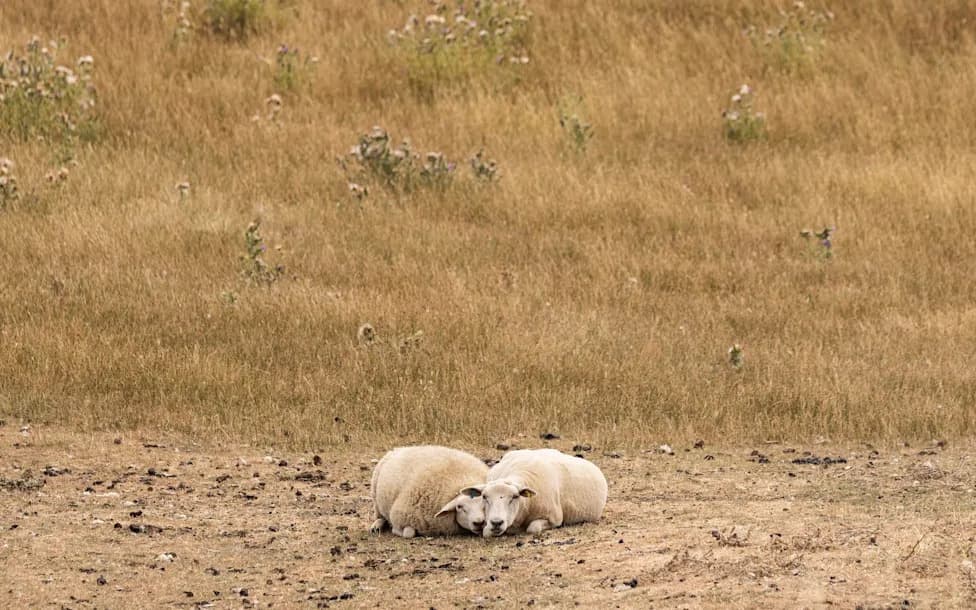
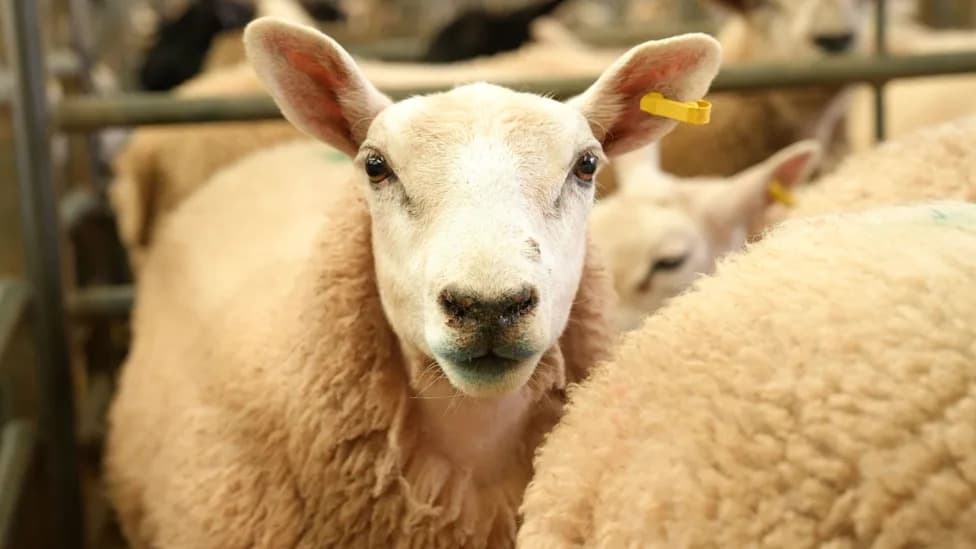
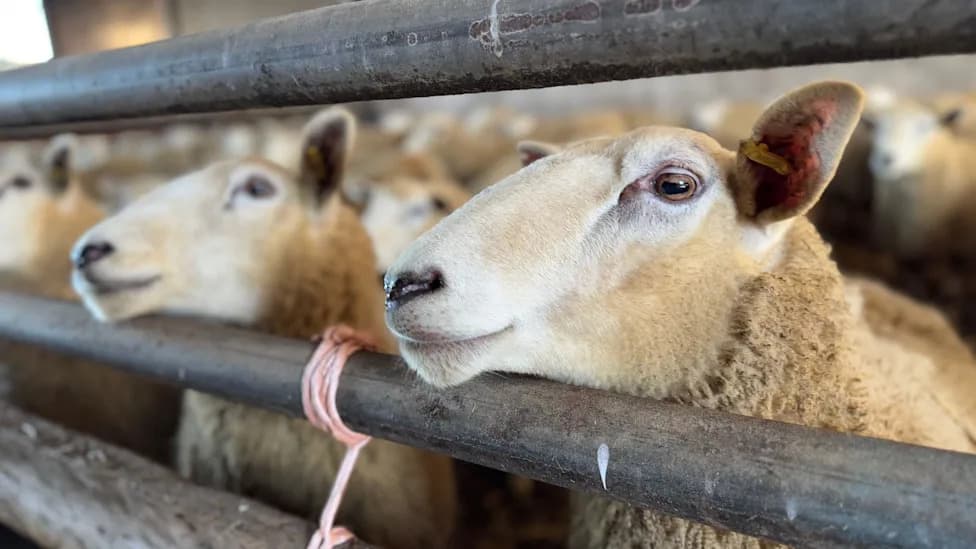
The bluetongue disease causes sheep tongues to swell and leads to a high fever - Brook Mitchell/AFP via Getty Images
Farmers across the UK are grappling with a fast-moving outbreak of bluetongue after unusually high summer temperatures accelerated transmission of the virus by midges.
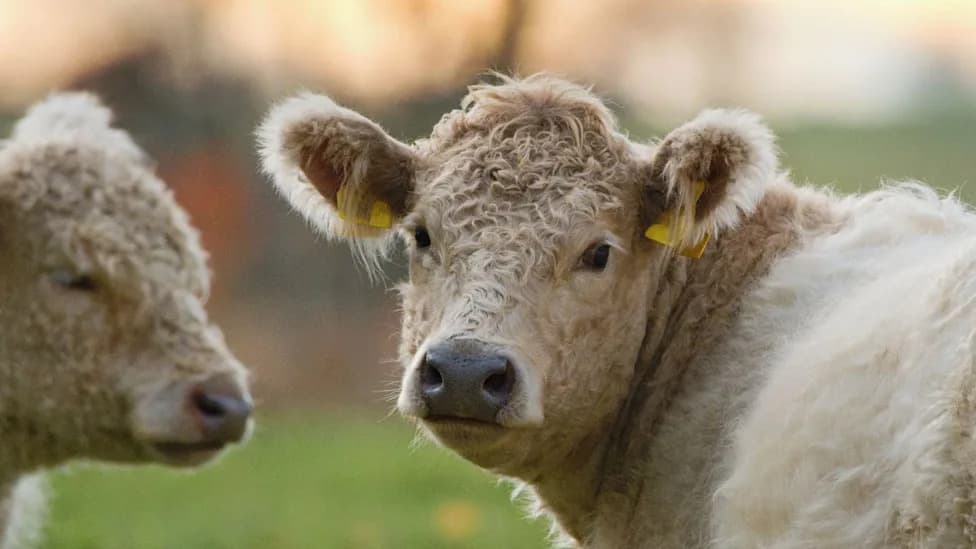
More than 590 cases were reported last week, the National Sheep Association (NSA) said. Official Department for Environment, Food & Rural Affairs (Defra) data recorded 53 new infections across sheep and cattle on Aug 5 and a further 29 on Aug 4. Devon alone has reported 98 cases since July.
What Is Bluetongue And Why Is It Spreading?
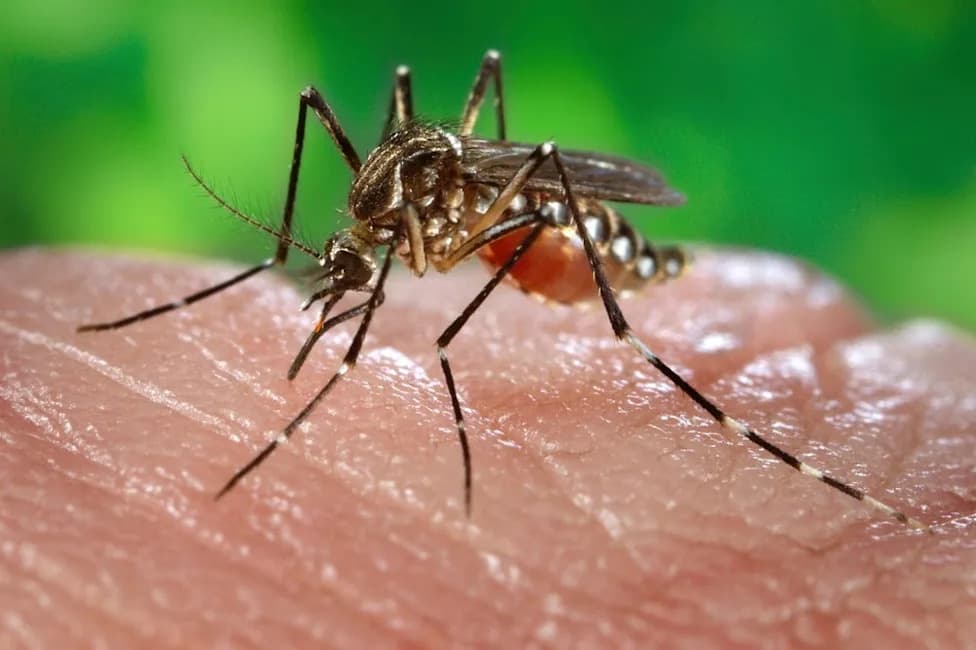
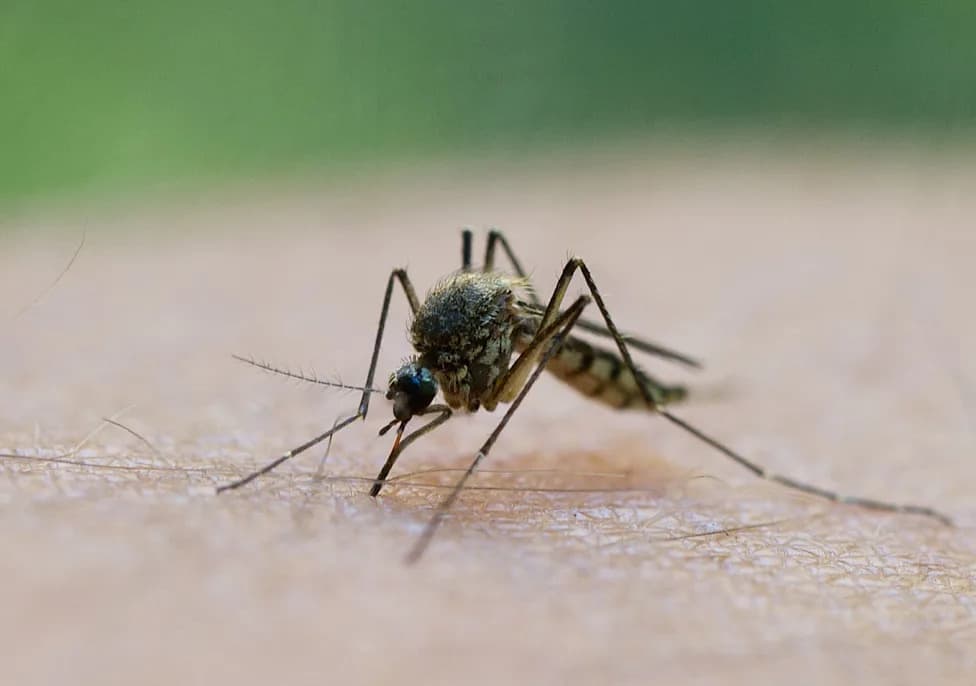
Bluetongue is a viral disease spread by biting midges that can cause fever, swelling of the tongue and, in severe cases, death in sheep. Historically associated with warmer climates, scientists say this summer's heat has helped the virus replicate more rapidly inside midges, increasing the infection risk for flocks.
On-the-Ground Impact
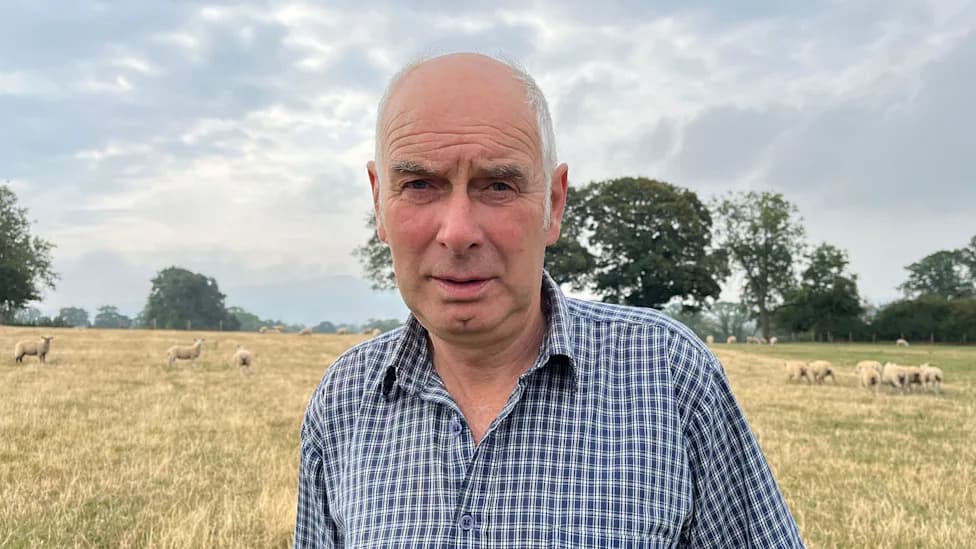
Robyn Munt, Vice-President of the National Farmers' Union, warned: "Bluetongue is continuing to spread at an alarming rate and is a significant concern for livestock farmers across the country. The disease is creating additional uncertainty and financial pressures for many businesses, with members doing everything possible to protect their animals."
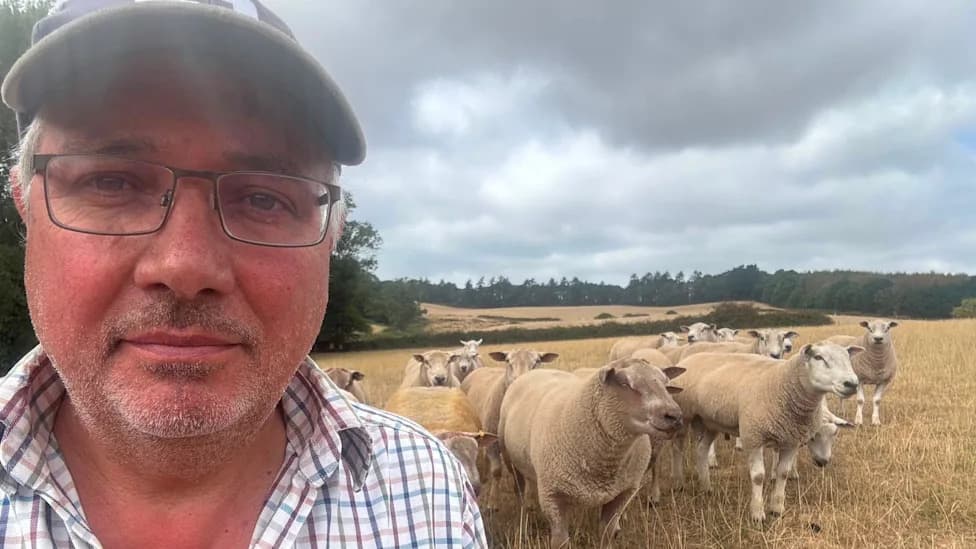
Sheep farmers are reporting direct losses. John McCormack, who farms near Exeter, said infections were moving rapidly through the West Country: "A farmer down the road in Camelford has lost a £2,000 ram. The sheep got bluetongue and lasted three days, and then it was dead." One Exmoor farmer with 800 sheep told The Telegraph he had already lost 25 animals.
Vaccine Supply And Market Effects
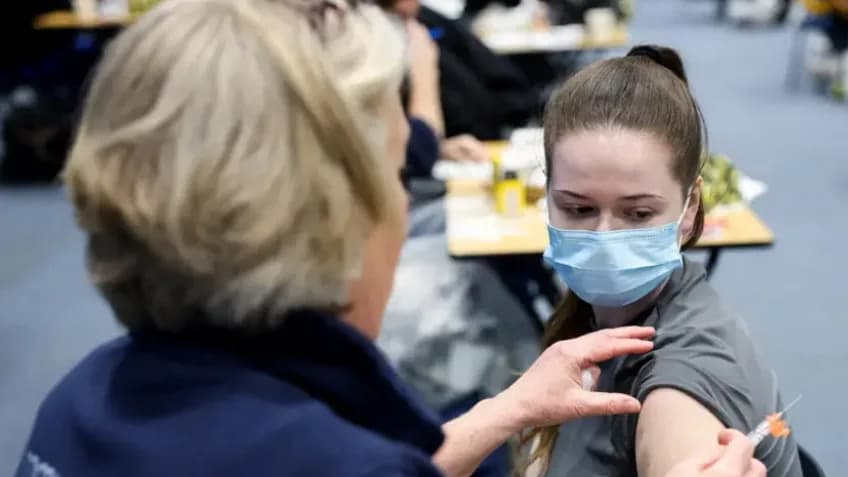
A bluetongue vaccine is available at about £2.50 per dose. Farmers are increasingly concerned about shortages as demand rises. Phil Stocker, Chief Executive of the National Sheep Association, said: "Calls on stocks of vaccines are increasing and stocks will be reducing, but we are assured that vaccine manufacturers are doing what they can to ensure demand can be met."
Despite the disease, bluetongue does not infect humans; meat and milk from affected animals remain safe to eat. Market effects are already visible: top-quality lamb has been fetching nearly £8 per kg at auction amid tightening supplies and strong export demand.
Official Advice
A Defra spokesman said officials were "monitoring the situation closely" and urged farmers to remain vigilant: "Farmers should continue to be vigilant and monitor their animals frequently, reporting any suspicions of disease. Vaccination is the most effective method of control, and we urge animal keepers to discuss this with their vet."
With the outbreak ongoing, farmers are being advised to speak to their vets about vaccination plans, check stocks, and report any suspected cases promptly so authorities can track and respond to new infections.
Help us improve.