Scientists from UKHSA and the University of Oxford found the meningitis B bacterium linked to the Kent outbreak had acquired genes from other throat microbes, creating a new, more dangerous variant. The March cluster infected more than 20 mainly student-age people, hospitalised all, put nine in intensive care and resulted in two deaths. Experts say horizontal gene transfer made the strain more severe but may also have limited its wider spread because many infected individuals were too ill to be silent carriers. Authorities launched a one-off MenB vaccination drive and the JCVI recommends routine vaccination for 15-year-olds to prevent similar events.
Scientists Pinpoint Genetic Change Behind Severe Kent Meningitis Outbreak

[Reuters]
Scientists say they have identified why the bacterium responsible for the UK's most serious meningitis B outbreak this year in Kent caused unusually severe illness.
More than 20 young people—mostly university students—were infected in a March cluster linked to a Canterbury nightclub. All required hospital treatment; nine were admitted to intensive care and two people died, including a 21-year-old University of Kent student and 17-year-old Juliette Kenny.
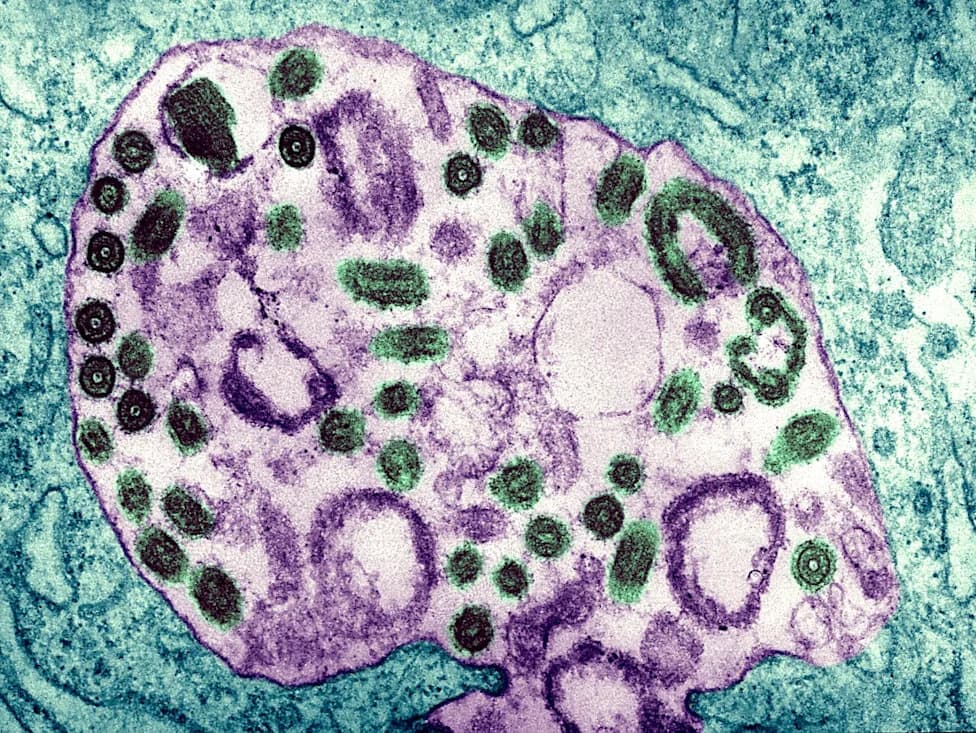
Researchers from the UK Health Security Agency (UKHSA) and the University of Oxford analysed the bacterium's DNA and found it had acquired genetic material from other microbes that commonly live in people’s throats. This process, called horizontal gene transfer, produced a new variant that spread among clubgoers and led to unusually severe disease.
“This investigation shows just how quickly and dramatically these bacteria can change,” said Dr Charlene Rodrigues, consultant in Pathogen Genomics at UKHSA. She added that the nightclub environment—large numbers of people in close contact—helped the variant spread so rapidly.
Horizontal gene transfer can alter a bacterium’s behaviour, sometimes making infections more severe or helping the organism evade immune responses because people have not previously encountered the altered strain. Scientists describe such events as rare and unpredictable, but possible.
Investigators believe the outbreak began when a single infected person attended Club Chemistry in Canterbury city centre and the bacterium spread during that evening. Meningitis B is transmitted through close contact, including kissing and sharing drinks or vapes.
Dr Rodrigues also notes that the very severity of this variant may have limited wider spread: many infected people became too unwell to act as asymptomatic carriers who could pass the bacterium on unnoticed, which likely helped end the cluster quickly.
In response, a one-off MenB vaccination programme was launched to protect young people starting university this autumn. In July, the Joint Committee on Vaccination and Immunisation (JCVI) recommended offering the MenB vaccine on the NHS to teenagers around age 15, with catch-up programmes for those who would otherwise miss out. Health officials emphasise that the currently offered MenB vaccine protects against this outbreak strain.
What to remember: The outbreak demonstrates how bacteria can change rapidly, why vigilance is important, and how vaccination and making people aware of transmission risks in crowded social settings help reduce future incidents.
Help us improve.