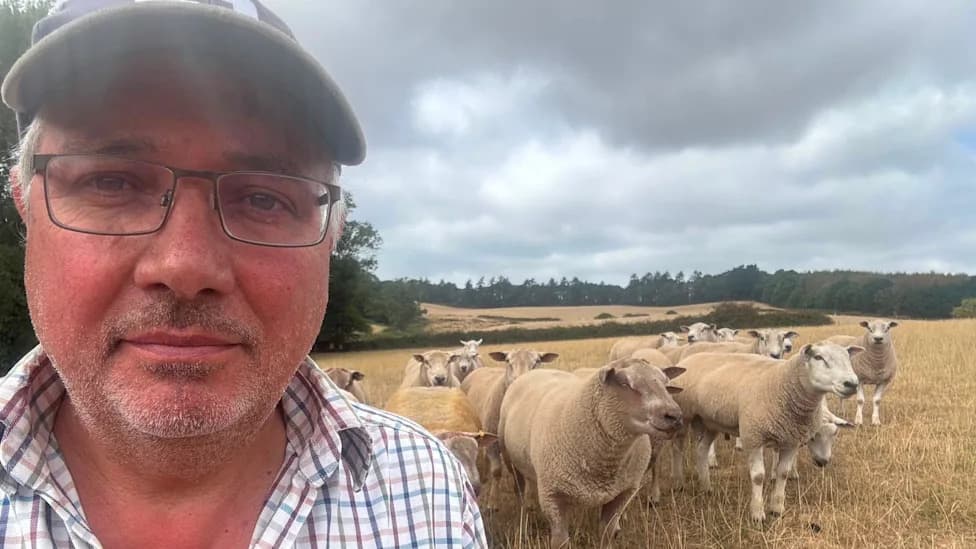
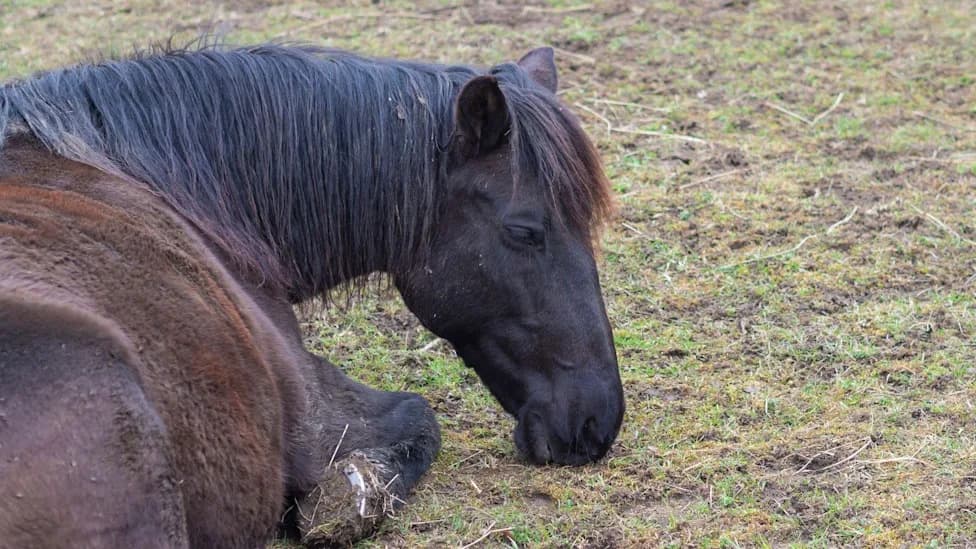
Bluetongue (BTV‑3) has been confirmed in south‑west Scotland, and much of Dumfries and Galloway plus parts of Ayrshire have been upgraded to a restricted zone. Movements of cattle, sheep and other susceptible ruminants require licences and controls will stay until the area is disease‑free for two years. Officials report 64 cattle and 15 sheep infected across 20 farms since 8 August, and ministers urge vaccination as the only viable long‑term strategy.
Bluetongue Confirmed in South‑West Scotland — Movement Restrictions To Remain For At Least Two Years
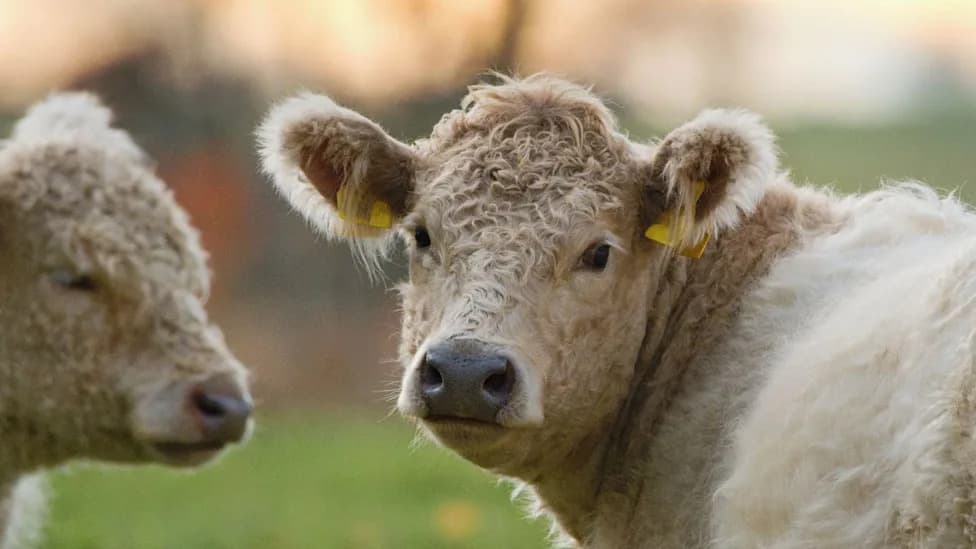
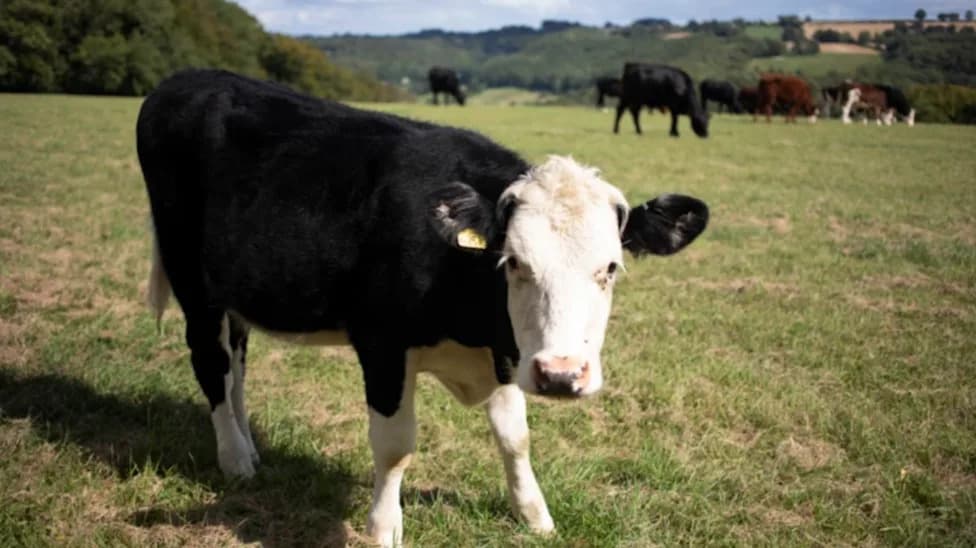
A total of 20 farms have so far been affected in Dumfries and Galloway [Getty Images]
Bluetongue is now confirmed to be circulating in south‑west Scotland, the Scottish Government has said. Much of Dumfries and Galloway and parts of Ayrshire have been upgraded from a temporary control zone to a legal restricted zone, bringing the area into the same status as affected parts of England and Wales.
Under the restricted zone rules, cattle, sheep and other susceptible ruminants require a licence to move out of the zone and into the rest of Scotland. The measures will remain in place until the region has been free of bluetongue for two consecutive years.
The first confirmed Scottish case was recorded at a site in Creetown. Official figures show bluetongue serotype 3 (BTV‑3) has infected 64 cattle and 15 sheep across 20 farms since the first confirmed case on 8 August. Cases are clustered around Newton Stewart, Lockerbie, Castle Douglas, Kirkcudbright, Dalbeattie, Dumfries, Annan, Gretna, Canonbie, Twynholm and Gatehouse of Fleet.
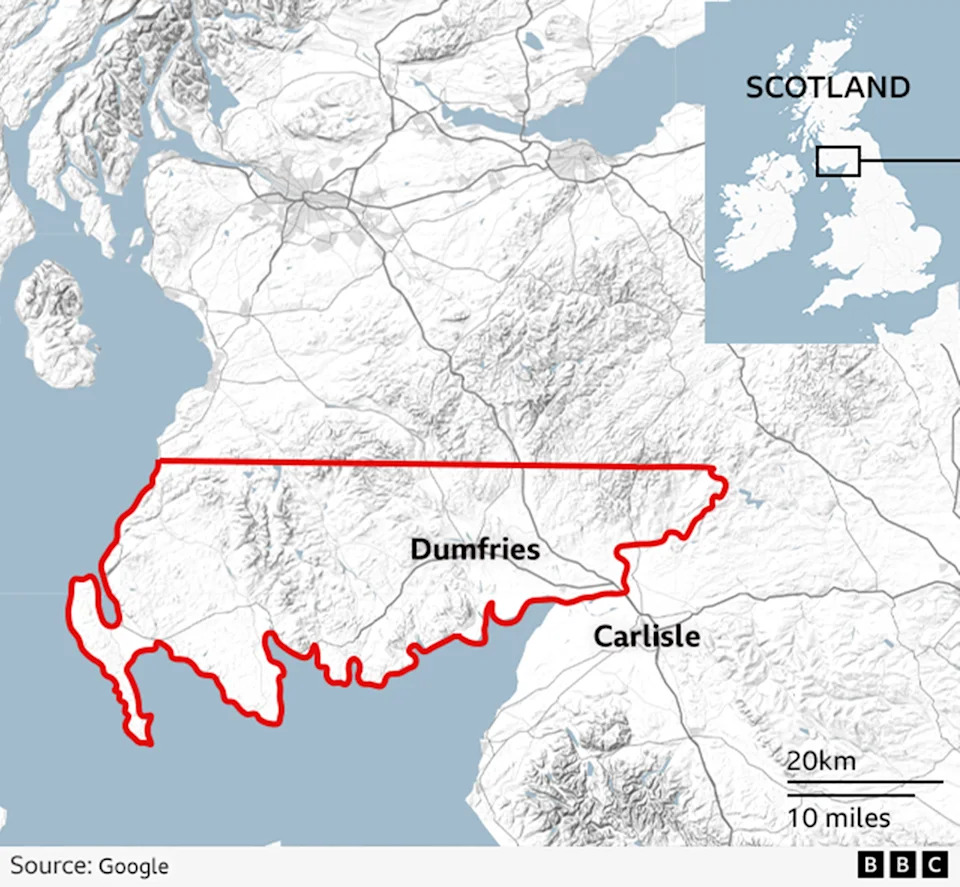
The restrictions have been put in place in the south-west of Scotland [BBC]
Veterinary experts believe infected midges were likely carried across the border from England, where larger outbreaks have been reported. Cooler autumn temperatures reduce immediate transmission risk, and the Scottish Government says some movement controls will be adjusted to reflect seasonal change.
Changes To Movement Rules (From 10 September)
From 10 September, store animals, animals being fattened and non‑pregnant females moving from the restricted zone to disease‑free areas of Scotland will no longer require testing or vaccination. Some breeding animals will still need vaccination and testing before they can leave the zone.
"We have been doing all we can to stop bluetongue getting a foothold but the evidence now is regrettably showing us that the disease is circulating in south‑west Scotland, meaning that legally we have to make that area a restricted zone," said Agriculture Minister Jim Fairlie. "What this shows is that the disease is not going away any time soon, and industry should start to prepare for the disease gaining a permanent hold within the rest of Scotland."
Mr Fairlie added that vaccination remains the only viable long‑term strategy to control the disease and urged anyone with susceptible livestock to speak to their vet as soon as possible.

Jim Fairlie said the Scottish government had been doing all it could to stop the disease getting a foothold [Getty Images]
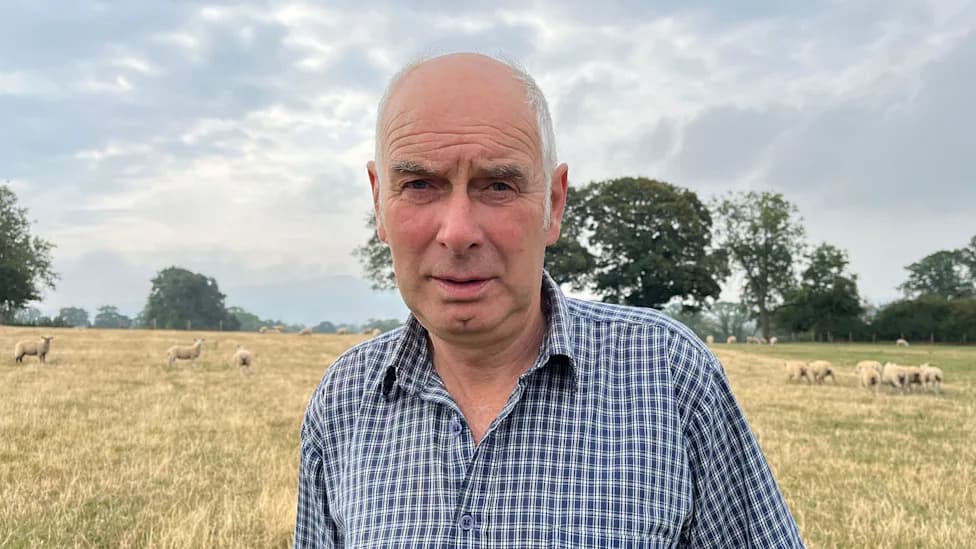
John Cowan, Dumfries and Galloway regional manager for NFU Scotland, said the legal designation will be unsettling for farmers but that he expected the practical movement arrangements to be eased in the short term to allow livestock to reach sales and markets.
Animal Health Risks and Reporting
Bluetongue does not affect people and poses no food‑safety risk, but it can be severe for animals: BTV‑3 causes high mortality in sheep and can cause fertility and production problems in cattle. Reported clinical signs include nasal discharge, redness and swelling of the lips, nose and muzzle, lameness or reluctance to stand, reduced milk yield, and diarrhoea in cattle.
Any animal showing clinical signs consistent with bluetongue must be reported immediately to the Animal and Plant Health Agency (APHA). Farmers seeking advice should contact their veterinary surgeon and local industry bodies for practical guidance and support.
Summary: Restricted movement rules are in force across much of Dumfries and Galloway and parts of Ayrshire, with measures to remain until two years free of disease. Vaccination is recommended as the long‑term control measure and farmers are urged to act now.
Help us improve.